Alabama Record Book Gobblers
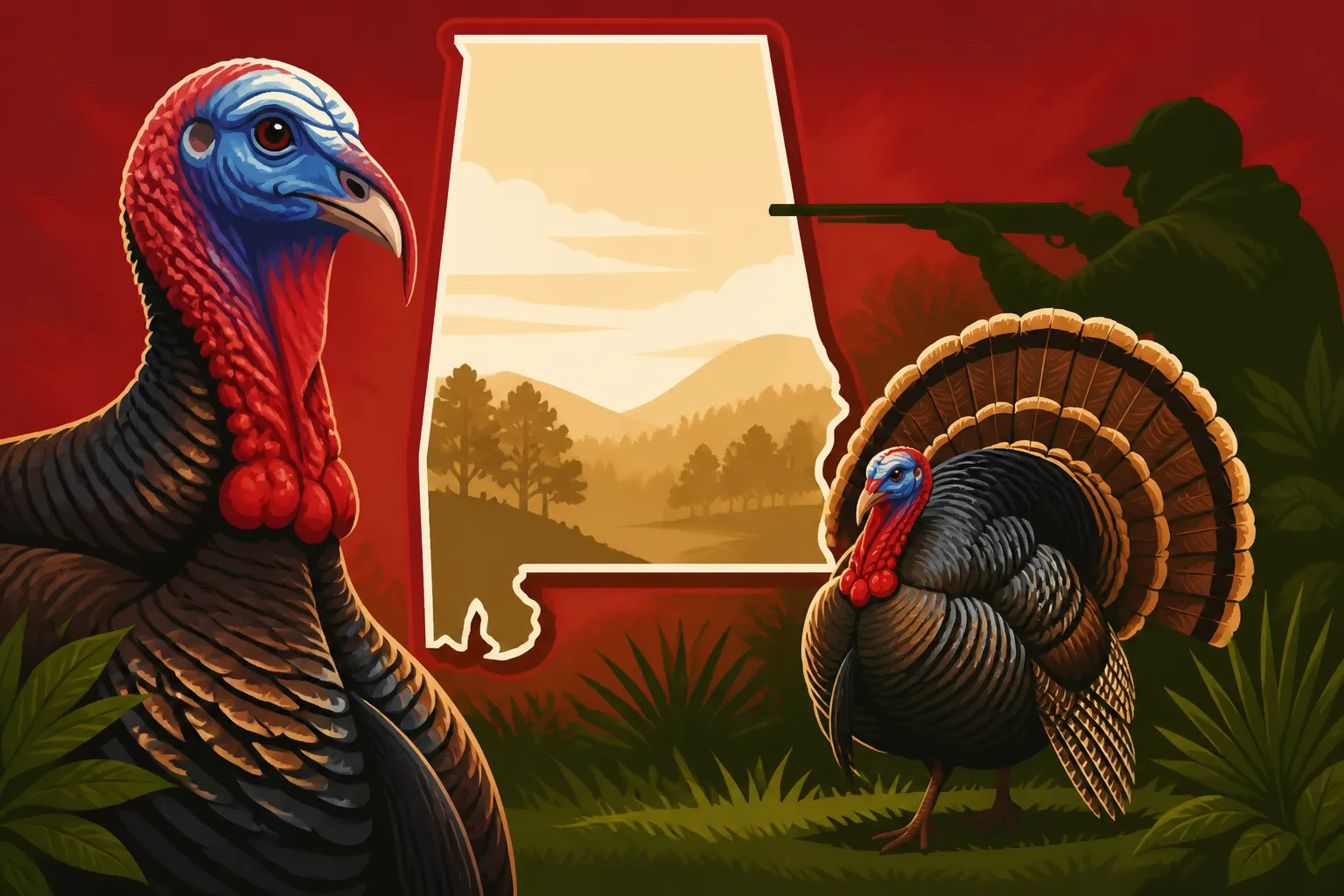
There's nothing quite like the rush of a spring morning when a gobbler thunders on the roost, making the hair stand up on your arms. But for many dedicated hunters, the ultimate dream isn't just any gobbler; it's that truly exceptional bird, the one that makes the record books. The pursuit of an Alabama record book gobbler is a quest many undertake, often filled with frustration, countless early mornings, and a deep respect for these intelligent birds. This guide aims to demystify what it takes to find, hunt, and officially recognize one of Alabama's most impressive wild turkeys.
Understanding What Qualifies as an Alabama Record Gobbler
Before you can even begin to dream of putting a bird in the books, you need to understand what makes a gobbler truly special in the eyes of the record-keeping organizations. It’s not just about the weight, though a heavy bird is certainly impressive. It’s a combination of factors that contribute to a total score, reflecting the bird's overall size and maturity. This score is what separates a magnificent tom from a genuine record breaker.
Generally, record-keeping bodies like the National Wild Turkey Federation (NWTF) use a scoring system that takes into account the bird's live weight, the length of its beard(s), and the length of its spurs. Each of these components contributes to a total score, and minimums are typically set for different categories, such as typical or atypical birds, or for specific subspecies. In Alabama, we're primarily dealing with the Eastern wild turkey, known for its strong gobbling and keen senses.
The Key Scoring Components
Let's break down the three main elements that comprise a gobbler's score. Understanding how each is measured is crucial, even if you’re just estimating in the field. A hunter's eye for these details sharpens over many seasons.
First, there's the live weight. This is pretty straightforward—how much the bird weighs when taken. A truly mature Alabama gobbler can push the scales quite a bit, especially those that have found consistent, quality food sources. The heaviest birds often come from areas with abundant hard mast, rich agricultural lands, or well-managed timber where food is plentiful and predation pressure is balanced.
Second, the beard length. This is measured from the skin where it emerges to the very tip of the longest strand. It’s important to note that multiple beards are possible, and each contributes to the total beard length. While one long, thick beard is impressive, a bird with two or three shorter but distinct beards can sometimes outscore a single-bearded bird if their combined length is greater. You’ll often hear hunters talking about a "rope" of a beard, but sometimes it's the multiple strands that truly rack up points.
Finally, the spur length. This is arguably the most telling sign of an older, mature gobbler. Spurs are measured along the outside curve, from the base where they meet the leg to the tip. Both spurs are measured, and their lengths are added together. Long, sharp, and curved spurs, often referred to as "hooks," are a hallmark of an older tom that has survived multiple seasons. A 1-inch spur is considered solid, but for the record books, you're usually looking for something significantly longer, sometimes approaching 1.5 inches or more on a really old bird. These are the details that truly differentiate a once-in-a-lifetime bird.
Here's a quick look at how these elements generally stack up for an average bird versus a trophy-caliber one:
| Feature | Typical Alabama Gobbler (Average) | Record Book Potential (Exceptional) |
|---|---|---|
| Live Weight | 18-20 lbs | 22+ lbs (often 24-26 lbs) |
| Beard Length | 9-10 inches (single beard) | 11+ inches (single) or multiple beards totaling 15+ inches |
| Spur Length | 7/8 – 1 inch (per spur) | 1.25+ inches (per spur, often 1.5+ for older birds) |
Keep in mind these are general guidelines. The official scoring rules are meticulous, and it’s always best to have a certified scorer handle the measurements if you believe you have a contender. They ensure everything is done correctly, giving your bird the best chance at recognition.
Where the Giants Roam: Prime Alabama Habitats for Trophy Toms
So, you understand the numbers. Now, where do you find these elusive giants? Alabama is blessed with abundant wild turkey populations, but not all areas are equally likely to produce a record-book bird. The key lies in finding habitats that consistently provide what a tom needs to grow old and large: abundant food, secure roosting sites, minimal disturbance, and enough space to evade predators and hunters year after year.
One of the truisms in turkey hunting is that older birds are wiser birds. To reach record-book dimensions, a gobbler needs to survive several spring seasons, which means it's been through the gauntlet of hunting pressure multiple times. This is why prime habitat often overlaps with areas that offer a certain degree of sanctuary or are simply so vast that hunters can't cover every inch.
High-Quality Food Sources and Habitat Diversity
Areas with a rich diversity of food sources are paramount. Mature hardwoods, particularly those dominated by oak species that produce consistent acorn crops, are a goldmine. Turkeys thrive on acorns through the fall and winter, building up the body mass necessary to get through the lean times and be strong for the spring breeding season. This is where birds can pack on the pounds for that crucial "live weight" score.
Beyond acorns, look for areas with rich bottomlands that hold a variety of soft mast like wild berries, grapes, and persimmons, as well as insects. Fields, whether agricultural or managed food plots, also play a huge role. Turkeys will spend a great deal of time foraging for seeds and insects in these open areas. The transition zones between mature timber, thick cover, and open fields are often hotbeds of turkey activity. Consider how a diverse landscape, from pine plantations to mixed hardwoods, creates the ideal mosaic for turkeys, as discussed in "Alabama Turkey Population Trends".
Counties in the Black Belt region, known for their fertile soils and mixed agricultural and timber lands, have a reputation for producing big deer, and often, big turkeys follow suit. The rich soils contribute to more robust vegetation and higher insect populations, which in turn support healthier turkeys. Additionally, parts of North Alabama, particularly those adjacent to the Tennessee River Valley, can be excellent due to abundant hard mast and river bottom habitats.
Remote and Low-Pressure Areas
It's no secret that a gobbler has a better chance of reaching an older age if it's not constantly pressured by hunters. While this doesn't mean you can't find a record bird on public land, your odds might increase in more remote sections of larger tracts or on private land with strict harvest management.
Consider areas within Alabama's vast national forests, like Talladega National Forest or William B. Bankhead National Forest. While these areas see significant pressure, especially on weekends and during the early season, truly dedicated hunters willing to walk miles or access remote pockets can find less pressured birds. Learning to read the terrain and utilize mapping tools like GoHunt can help you identify these secluded areas that might hold an older, less disturbed tom. This can be crucial when trying to find undisturbed zones, even when facing typical "Opening Weekend Crowds on Alabama Public Land."
Managed private lands, where landowners implement strategic turkey management plans, often consistently produce older birds. These plans might include selective harvesting, habitat improvements, and controlled access to reduce hunting pressure. A gobbler that isn't bumped off the roost every morning learns to be less wary, but one that is constantly chased quickly becomes exceptionally difficult to hunt.
Strategies for Finding and Hunting Alabama's Biggest Gobblers
Finding a potential record-book gobbler is one thing; actually bringing it to hand is another entirely. These older, wiser birds didn't get their impressive spurs and long beards by being foolish. They are often exceptionally challenging to hunt, demanding patience, precise calling, and keen woodsmanship.
Your approach to these birds often needs to be different than for a younger, more eager two-year-old. While a young tom might come running to any hen yelp, a mature gobbler has heard it all before and is much more cautious. You'll need to think like the bird, anticipate its movements, and be prepared to commit to a setup for extended periods.
Advanced Scouting and Patterning
Success with trophy gobblers often begins long before opening day. Pre-season scouting is paramount. This isn't just a casual walk in the woods; it's about systematically learning the land and the birds. Look for signs of mature gobblers: large tracks, big droppings, wing-drag marks in dusting areas, and primary strutting zones. Listen for deep, resonant gobblers that sound like older, heavier birds.
Utilize tools like mapping apps, including GoHunt, to analyze topography, identify potential roosting areas (especially near water or along prominent ridges), and pinpoint travel corridors between feeding and strutting grounds. Spend time listening from afar at dawn and dusk to pattern gobblers. Where are they roosting? Where do they fly down? What's their typical strutting area? Pay attention to "Roost Hunting Alabama Gobblers" tactics.
A key aspect of scouting is understanding how "Hunting Pressure on Alabama Public Land" affects movement. If an area gets hit hard, older birds will often retreat to thicker cover or more remote pockets. Your scouting might reveal these overlooked spots, giving you an advantage.
Mastering the Art of Calling with Finesse
When it comes to calling a record-book gobbler, less is often more. These birds are call-shy and wary. Instead of aggressive calling, focus on soft, realistic hen vocalizations. Think subtle clucks, soft yelps, and purrs that mimic a contented hen. The goal is to pique his curiosity and make him believe a real hen is just out of sight, rather than challenging him directly.
A lot of hunters make the mistake of over-calling. An old tom might only gobble a few times a morning, or not at all, letting you think he's not there. He's listening, and he's sizing up the situation. Sometimes, the best call is no call at all, letting the woods go silent for a long period before a very soft cluck. You're trying to make him want to come find you, rather than demanding his presence.
Decoy use can be effective, but again, consider the context. A lone hen or a jake decoy can sometimes draw in a wary tom, but multiple decoys or an aggressive strutting tom setup might intimidate an older bird or reveal your position. Knowing "Decoy Timing Under Alabama's Ten-Day Rule" is crucial, but beyond that, understanding a wary tom's psychology is key.
Patience and Strategic Positioning
Hunting a trophy gobbler demands immense patience. It's not uncommon to sit for hours in a single setup, waiting for a bird to commit. Older gobblers will often hang up just out of sight, gobbling but refusing to step into the open. They want the hen to come to them. Your job is to set up in a location where the terrain forces him to come into range or where he simply can't resist taking that last few steps to investigate.
Choosing the right setup is critical. You need good visibility, a clear shooting lane, and cover to break up your silhouette. Think about the sun's position, the terrain features, and how the gobbler will approach. Always try to set up with an obstacle between you and the bird that he must walk around to see you, giving you those precious few seconds to shoulder your gun or draw your bow. Setting up against a big oak or a thick pine, as mentioned in "Setting Up Against a Big Oak", provides crucial back cover.
Be prepared for a long game. Sometimes, you might locate a bird, he gobbles a few times, then goes silent and walks away. Don't give up. He might circle around, or he might come back later in the morning. Persistence and the willingness to move slowly and quietly to a new setup if the bird shifts can be the difference between success and going home empty-handed. Remember that even on public land, finding ground others walk past might lead to that hidden gem of a gobbler.
The Process: Getting Your Gobbler into the Alabama Record Books
After all the hard work, the early mornings, the miles hiked, and the strategic calling, you've done it. You've harvested an exceptional gobbler, and you genuinely believe it has the potential to make the record books. Congratulations! Now comes the administrative part, which is just as important as the hunt itself. Proper documentation and following the official process are crucial to getting your bird recognized.
The primary organization that maintains wild turkey records is the National Wild Turkey Federation (NWTF). They have a comprehensive scoring system and a network of official measurers. While Alabama doesn't have its own separate, standalone record book in the same way some states do for deer, the NWTF records are the gold standard and include birds from all across the country, including Alabama.
Initial Steps After the Harvest
First and foremost, follow all Alabama hunting regulations, including reporting your harvest through the Game Check system, as outlined in "Alabama Turkey Checking Requirements". This is a legal requirement and demonstrates responsible hunting.
Once you have your bird, handle it carefully. The critical components for scoring—the spurs and the beard(s)—need to be preserved. Many hunters will simply pluck the breast feathers and remove the breast meat, then cut off the lower legs with spurs and carefully remove the beard where it attaches to the skin. If you plan for a full taxidermy mount, your taxidermist will handle the preservation, but ensure they understand your intention to have the bird scored. Take clear photographs of the bird as a whole, showing its size and features.
The next critical step is to weigh the bird accurately. This should ideally be done soon after harvest to get the "live weight." A reliable scale is essential. Document the weight meticulously.
Official Measurement and Submission
To get your gobbler officially scored, you'll need to locate an NWTF-certified measurer. These individuals are trained in the precise methods required to measure spurs and beards according to NWTF guidelines. You can usually find a list of certified measurers on the NWTF website or by contacting your local NWTF chapter.
There is typically a waiting period for the measurements to "dry" or stabilize. Spurs and beards can shrink slightly as they dry, so they need to be completely dry before an official measurement is taken. This usually means waiting at least 60 days after the harvest. Resist the urge to have it measured immediately; patience now ensures an accurate, final score.
When you meet with the measurer, they will take all the necessary measurements, calculate the score, and help you fill out the official NWTF Turkey Record Book Application form. This form will ask for details about the hunt, including the date, location, and hunter information. There's usually a small fee associated with the submission, which helps support the NWTF's conservation efforts.
Once submitted, your bird's score will be reviewed, and if it meets the minimum criteria for its category, it will be officially entered into the NWTF record books. This is a tremendous accomplishment and a testament to your skill as a hunter and the quality of Alabama's wild turkey resource. It’s a moment of pride that connects you to a tradition of ethical hunting and wildlife conservation.
Disclaimer
This article is for general informational purposes only and does not constitute professional advice. Laws, prices and regulations vary by location and change over time. Consult a qualified professional for guidance on your specific situation.