How Many Feral Hogs Alabama Has
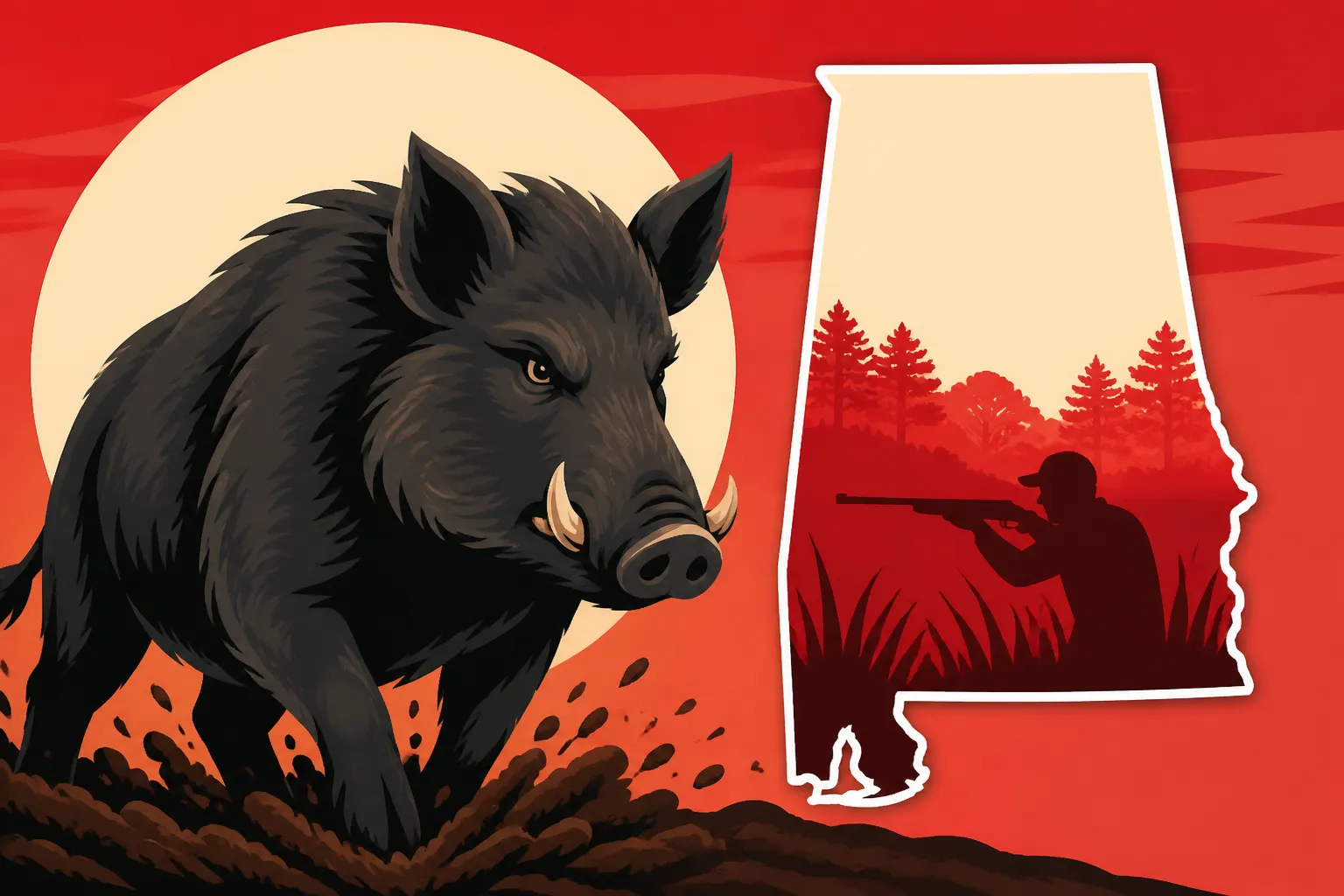
Anyone who has spent time hunting or farming in Alabama knows the gnawing frustration of feral hogs. These incredibly destructive animals aren't just a nuisance; they're an ecological and agricultural catastrophe, rooting up fields, contaminating water sources, and outcompeting native wildlife. If you've ever wondered just how many of these four-legged wrecking crews are roaming our beautiful state, you're not alone. This guide aims to shed some light on the staggering numbers and the relentless challenge they present.
The Elusive Numbers: Estimating Alabama's Feral Hog Population
Trying to put an exact number on Alabama's feral hog population is like trying to count grains of sand on the beach—it’s an almost impossible task. These animals are incredibly secretive, highly adaptable, and reproduce at an astonishing rate. What we do know, however, is that their numbers are in the millions, and they are present in all 67 counties of the state. It's a sobering thought, isn't it? When you're sitting in a stand, hearing that distinct rooting sound in the distance, you're hearing the tip of a very large iceberg.
One of the primary reasons for this explosion in numbers is their biological prowess. Feral hogs are prolific breeders. A sow can start breeding as young as six months old, and she can have two litters a year, sometimes even three, with each litter averaging 4-6 piglets, though larger litters are common. Do the math, and it's easy to see how a small group can quickly balloon into an unmanageable sounder. Furthermore, they have practically no natural predators in Alabama, especially as adults. While coyotes or bobcats might take a piglet here or there, they simply can't keep pace with the reproductive output of these animals. Their intelligence and adaptability also play a huge role; they quickly learn to avoid human pressure, becoming largely nocturnal in heavily hunted areas. It's truly a testament to their survival instincts, even if those instincts are a bane to our ecosystems.
When you're trying to get a handle on where these populations might be, mapping tools can be invaluable. Using platforms like GoHunt, you can often identify prime habitat—creek bottoms, dense thickets, or agricultural field edges—that are magnets for these animals. It won't tell you the exact count, but it can certainly help you pinpoint areas where the problem is most prevalent, giving you a better understanding of the landscape they thrive in.
Why Feral Hogs are Such a Problem: Damage and Rapid Reproduction
The issues surrounding feral hogs extend far beyond their sheer numbers. Their presence fundamentally alters the landscape, impacts agricultural livelihoods, and poses significant ecological threats. It’s not just an inconvenience; it’s a full-blown crisis for many landowners and wildlife managers.
Widespread Destruction of Agriculture and Habitat
Imagine spending countless hours tilling and planting a field, only to wake up and find it completely torn apart overnight. This is a common, heartbreaking reality for Alabama farmers. Feral hogs are notorious for their rooting behavior, which involves digging up the soil in search of roots, tubers, and invertebrates. This activity destroys crops like corn, soybeans, peanuts, and even hayfields, leading to massive financial losses. Beyond crops, they decimate natural habitats. Their rooting disturbs sensitive plant communities, destroys the nests of ground-dwelling birds like turkeys and quail, and degrades water quality by increasing erosion and stirring up sediment in streams and ponds. They'll even prey on fawns and other small animals, adding another layer of impact on native wildlife populations. It's a domino effect, where their destructive habits ripple through an entire ecosystem. You can dive deeper into this specific issue by reading about Crop Damage Hogs Cause in Alabama.
The Incredible Breeding Machine
We touched on their reproductive capabilities earlier, but it truly deserves more detailed attention because it's the core of the problem. A female feral hog, known as a sow, can begin reproducing at an incredibly young age—sometimes as early as four to six months old, provided she has access to adequate nutrition. They have a gestation period of approximately 114 days (about 3 months, 3 weeks, and 3 days), meaning they can churn out piglets at an alarming rate. With the potential for two to three litters per year, a single sow can theoretically produce anywhere from 8 to 18 piglets annually. Now, consider that those female piglets can start breeding within their first year, and you have an exponential growth curve that is almost impossible to keep pace with. This rapid turnover and early sexual maturity are the primary drivers behind the escalating population numbers. If you've ever seen a sounder with piglets of varying sizes, you're witnessing generations of hogs, all within a few months' span. It's a biological phenomenon that makes control so challenging, as discussed in Why Alabama Hogs Reproduce So Fast.
The Challenge of Control: Efforts and Ongoing Struggle
Given the extensive damage and prolific breeding rates, it’s clear that managing feral hog populations is not just a recommendation but a necessity. However, it's a battle fought on many fronts, often with limited resources and against an incredibly resilient adversary. The fight against feral hogs in Alabama is a continuous, uphill climb.
Diverse Control Methods and Their Limitations
Hunters across Alabama play a critical role in feral hog control. Since there's no closed season or bag limit on private land, hunting is a year-round endeavor. This open season for Hunting Alabama's Year-Round Feral Hogs allows for constant pressure. Spot-and-stalk, still-hunting, and even running dogs are common tactics. On many private tracts, night hunting with lights is also permitted, which is effective given the hogs' nocturnal tendencies. If you're considering this, be sure to check Night Hunting Hogs With Lights on Private Land for specific rules.
However, hunting alone, while important, often isn't enough to significantly reduce large populations. Hogs quickly become educated and even more nocturnal or reclusive in response to hunting pressure. This is where trapping becomes incredibly important. Large corral traps, often equipped with remote trigger systems, are highly effective at capturing entire sounders. These require significant investment in time and equipment, but they offer the best chance at removing large numbers of hogs from an area. Many landowners spend considerable time Building and Freshening a Hog Bait Site to draw hogs into these traps consistently.
Another critical aspect of managing this pest is understanding the legal framework. Alabama has specific regulations concerning feral hogs, particularly regarding how they can be hunted and what's allowed on public versus private land. Familiarizing yourself with these details, as outlined in Alabama Feral Hog Regulations, is crucial for any hunter or landowner involved in control efforts. While there has been research into toxicants for hog control, their use is heavily regulated and often requires specific permits due to safety concerns for non-target species and environmental impact.
The Unending Nature of the Battle
Despite all these efforts, eradication is not a realistic goal. The sheer numbers, reproductive rates, and adaptability of feral hogs mean that control is a perpetual process. It's a continuous management effort aimed at mitigating damage and reducing localized populations, rather than eliminating them entirely. For landowners, it means constant vigilance and a long-term commitment to trapping and hunting. For hunters, it means an ethical responsibility to harvest these animals whenever the opportunity arises. Tools like GoHunt can help here, too, by allowing you to map out trap locations, track hog sightings over time, and plan strategic hunting routes to maximize your impact on these persistent invaders.
Here's a quick look at why control is so tough:
| Factor | Impact on Control Efforts |
|---|---|
| High Reproductive Rate | Rebounds quickly from harvest efforts; constant pressure needed. |
| Early Sexual Maturity | Young sows breed rapidly, accelerating population growth. |
| Adaptive Behavior | Becomes nocturnal, learns to avoid traps and hunters. |
| Lack of Predators | No natural population checks; human intervention is the only recourse. |
| Dietary Flexibility | Can thrive in almost any habitat, from swamps to farmlands. |
| Mobility | Can travel long distances, quickly reinvading controlled areas. |
Hog Hotspots: Where You're Most Likely to Encounter Them
If you're looking to target feral hogs in Alabama, understanding their preferred habitats and movement patterns is key. These aren't creatures of wide-open spaces; they gravitate towards areas that offer cover, food, and water. Knowing these hotspots can significantly increase your chances of success.
Geographic Distribution Across Alabama
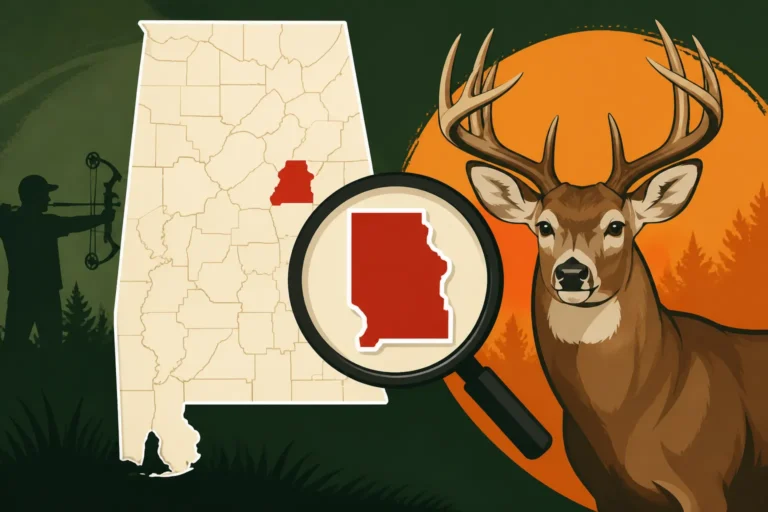
While feral hogs are found in every county, their densities vary significantly. You'll typically find the highest concentrations in areas with extensive river bottoms, large tracts of agricultural land, and dense timber that provides ample cover. The Black Belt region, with its fertile soils and abundant agriculture, is a prime example of a hog haven. River systems like the Alabama, Tombigbee, and Mobile-Tensaw Deltas offer vast, secluded swamps and bottomland hardwoods where hogs can thrive undisturbed. These areas provide everything a hog needs: water, dense cover for bedding and farrowing (giving birth), and a consistent food supply. They're especially drawn to areas where acorns are plentiful in the fall or where farmers are growing row crops. Exploring Which Alabama Counties Have the Most Hogs will give you a better idea of these specific high-density zones.
Hogs also quickly establish themselves in areas bordering national forests and wildlife management areas, often using public land for bedding and cover while venturing onto adjacent private agricultural fields for feeding. Scouting these transition zones can be incredibly productive. When you're trying to figure out how to get to these remote areas, especially if you're thinking about Running Dogs on Alabama Feral Hogs, having good maps is a game-changer. This is another area where a tool like GoHunt shines, allowing you to identify property lines, access points, and terrain features that might concentrate hogs.
Adapting to Various Environments
One of the most remarkable, and frustrating, traits of feral hogs is their incredible adaptability. They aren't picky. While they certainly prefer rich river bottoms and agricultural zones, they can and do survive in a surprising range of environments. From the pine plantations of the Wiregrass region to the rugged terrain of the Piedmont, if there's food, water, and enough cover to hide, hogs will find a way to make it home.
They learn to exploit whatever food sources are available, from acorns and roots to agricultural crops and even carrion. This adaptability means that even in areas where you might not expect them, a small pocket of suitable habitat—a thick creek drain, a neglected patch of woods, or a dense fencerow—can hold a thriving sounder. Hunters often report seeing them in suburban fringes, too, especially where green spaces and undeveloped tracts meet residential areas. Their nocturnal habits allow them to move largely undetected in these human-dominated landscapes. This constant movement and ability to colonize new areas further underscore the challenge of managing their populations statewide. To effectively hunt them, you often need to consider various tactics, from traditional stand hunting to Hunting Hogs Without Bait or Dogs through more active pursuit.
Understanding their habits and favored locations is the first step in successful hog hunting and control. Whether you’re on public land or looking for opportunities on private property, knowing these patterns will put you ahead of the game.
Disclaimer
This article is for general informational purposes only and does not constitute professional advice. Laws, prices and regulations vary by location and change over time. Consult a qualified professional for guidance on your specific situation.