Alabama Turkey Population Trends
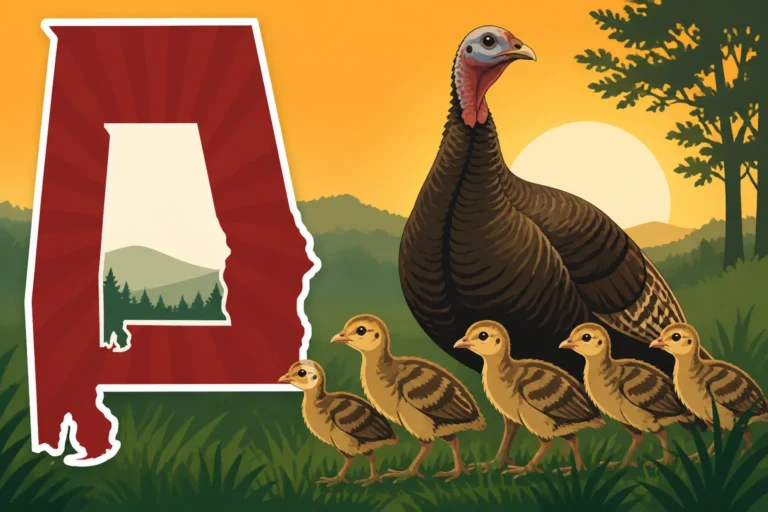
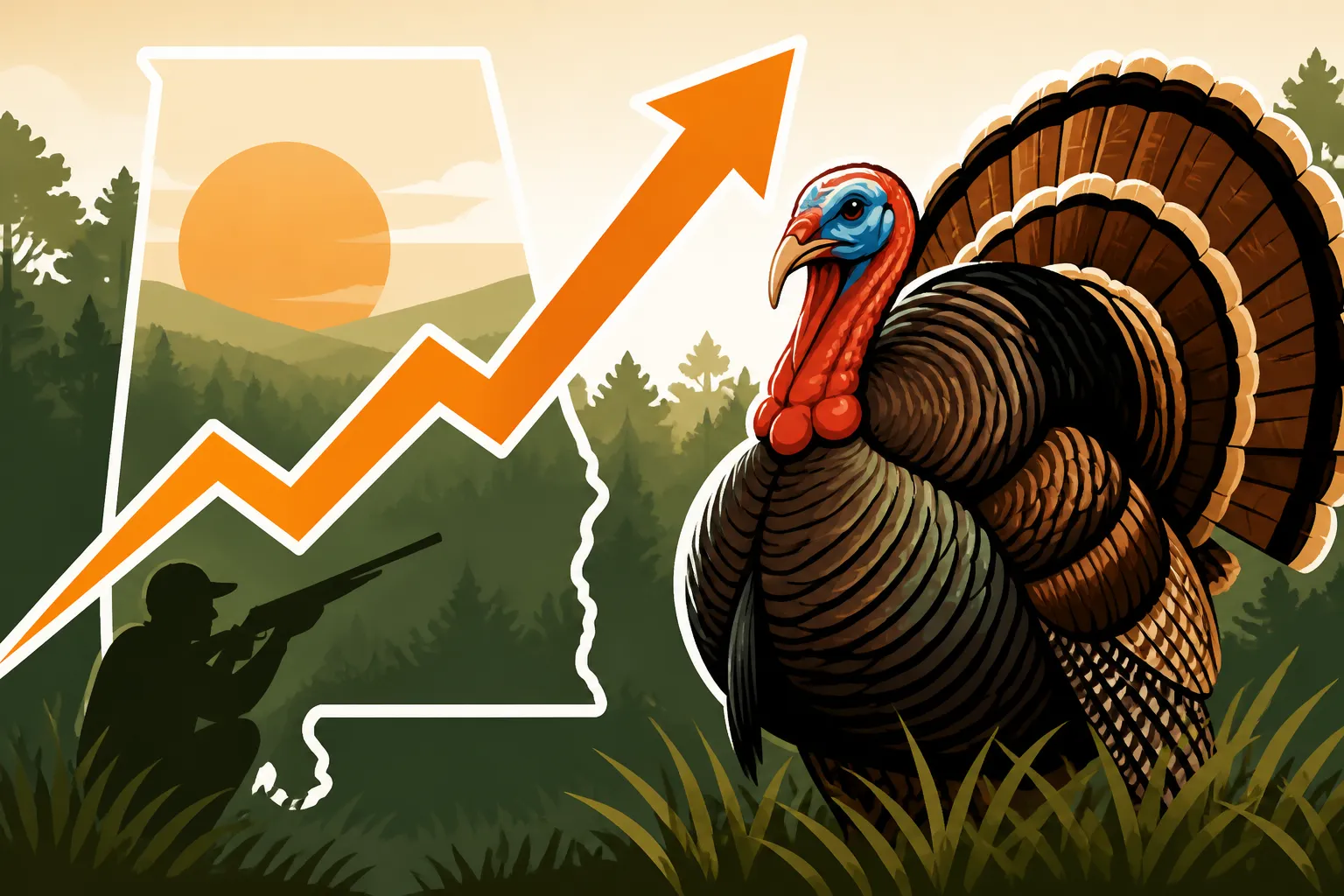
It's no secret that a lot of us hunters across Alabama have noticed some shifts in our wild turkey woods. One year you're hearing gobblers everywhere, the next it feels like you're hunting ghosts. This up-and-down can be frustrating, especially when you're dedicating precious time and effort to chasing spring thunder. This guide is here to unravel the complex story of Alabama's wild turkey population trends, diving deep into the factors at play and what it all means for hunters like us.
A Look Back: The Rollercoaster History of Alabama's Wild Turkeys
When we talk about wild turkeys in Alabama today, it's easy to forget just how close we came to losing them entirely. Their story is a true testament to conservation efforts, but it also reminds us how delicate these populations can be.
From Near Extinction to Remarkable Comeback
Picture this: the early 1900s. Wild turkeys in Alabama were almost non-existent in many areas. Unregulated hunting, coupled with widespread habitat destruction from logging and agricultural expansion, had pushed these magnificent birds to the brink. They were relegated to only the most remote, untouched corners of our state. It's almost unthinkable now, given how much we cherish them, but it was a grim reality for a long time.
Thankfully, dedicated conservationists and wildlife agencies stepped in. Starting in the mid-20th century, a massive effort was launched to bring turkeys back. This involved trapping birds from the few remaining strongholds and relocating them to suitable habitats across the state. It was a painstaking process, often using rocket nets and box traps to capture wild birds without harming them, then carefully transporting them to new release sites. This monumental undertaking is often hailed as one of the greatest wildlife restoration successes in North American history, and you can learn more about the specifics in our detailed piece on How Turkeys Were Restored to Alabama. Without these tireless efforts, many of us wouldn't have the opportunity to chase gobblers today.
How Restoration Shaped Today's Genetics and Range
The success of the restoration program didn't just bring turkeys back; it also influenced the genetic makeup and distribution of the birds we hunt today. The Eastern wild turkey subspecies is native to Alabama, and the restoration largely focused on using birds from within our state or from neighboring states with similar genetic lines. This was crucial for ensuring the released turkeys were well-adapted to Alabama's diverse ecosystems, from the rich bottomlands to the rolling pine hills.
These foundational populations expanded, eventually filling suitable habitats across all 67 counties. What we see now is a generally robust population, though it's certainly not uniform. Some areas still boast incredible turkey densities, particularly regions with good habitat management and less pressure, while others have seen fluctuations. The range of our wild turkeys today covers pretty much every corner of the state where they can find food, water, and cover, a far cry from their fragmented existence a century ago.
Current Realities: Understanding Alabama's Turkey Numbers Today
So, where do we stand now? It's a question every passionate turkey hunter asks, especially after a quiet morning in the woods. While Alabama still has a healthy turkey population, the trends aren't always a straight line up.
What the Numbers Tell Us: State-Wide and Regional Snapshots
State-wide, Alabama's wild turkey population is estimated to be quite strong, often hovering in the hundreds of thousands. However, simply looking at a state-wide number can be misleading. The real story lies in the regional variations. Some areas, particularly those with vast tracts of well-managed private land or certain Wildlife Management Areas (WMAs) with prime habitat, maintain excellent turkey densities. These are often the places where you can hear multiple gobblers sounding off from the roost, making for an exciting morning.
On the other hand, some regions have experienced declines or stagnation. This can be due to a multitude of factors, including increasing human development, changing agricultural practices, and varying predator pressures. For instance, the Black Belt region, known for its fertile soils and mixed agriculture, often supports robust turkey numbers, especially where there's good interspersion of hardwoods, pine, and fields. Conversely, areas with extensive, unbroken pine plantations that lack diverse understory might see fewer birds. Understanding these nuances is key to managing our expectations and strategies as hunters. For a deeper dive into where you might find the best action, check out our guide on Best Alabama Counties for Turkeys.
Deciphering the Poult-to-Hen Ratio
One of the most critical metrics wildlife biologists use to assess the health of a turkey population is the poult-to-hen ratio. This isn't just some scientific jargon; it's a vital indicator of reproductive success and future population trends. Essentially, it's the average number of young turkeys (poults) observed per adult hen during the summer months.
Think of it like this: if you have a lot of hens but very few poults, it means that even if you have a good breeding stock, something is preventing the young from surviving. A low ratio often signals problems with nesting success, poult survival, or both. Factors like severe weather during nesting season (heavy rains or late cold snaps), increased predation on nests and young birds, or even habitat quality can drastically impact this ratio. Alabama's Department of Conservation and Natural Resources (ADCNR) conducts annual surveys to collect this data, which then informs their management decisions for future hunting seasons. A healthy poult-to-hen ratio typically needs to be above a certain threshold (often around 2.0 or higher) to maintain a stable or growing population. Our article on Poult-to-Hen Ratios and What They Mean delves deeper into why this metric is so important for long-term turkey management.
The Challenges: Why Turkey Populations Face Headwinds
Even with successful restoration and ongoing management, wild turkey populations aren't immune to modern pressures. Several significant challenges can impact their numbers and distribution.
Habitat Loss and Fragmentation
Perhaps the biggest overarching threat to wild turkeys in Alabama, and indeed across much of the Southeast, is habitat loss and fragmentation. As Alabama grows, so does urbanization, leading to more roads, more homes, and less contiguous wild land. Even agricultural practices change; large, monoculture fields might not offer the diverse cover and food sources turkeys need compared to smaller, mixed-use farms of the past.
Timber practices also play a huge role. While pine plantations can provide some cover, intensely managed, dense stands often lack the open understory that turkeys require for foraging and easy movement. Conversely, the conversion of diverse hardwood forests to pine monocultures removes critical mast-producing trees essential for turkey diets. Turkeys thrive in a mosaic of habitat – mature hardwoods for roosting and mast, open pine savannas with diverse herbaceous growth for bugging and nesting, and small fields or clearings for strutting and brooding. When these distinct elements are separated by development or uniform forestry, it essentially reduces the amount of usable habitat, forcing turkeys into smaller, more isolated pockets. This makes them more vulnerable to predation and less likely to thrive.
The Ever-Present Threat of Predation
Predation is a natural part of the ecosystem, but an imbalance can significantly impact turkey populations, especially poult survival. Alabama is home to a wide array of predators that readily prey on turkey nests and young poults. Raccoons, opossums, skunks, foxes, bobcats, coyotes, and even the ever-expanding population of feral hogs all contribute to nest and poult mortality.
Coyotes, in particular, have become a major concern. Their population has exploded across the state, and they are incredibly adaptable, preying on everything from deer fawns to turkey poults and even adult birds. Feral hogs, too, are notorious nest destroyers, rooting up nests and consuming eggs and even young poults. While adult turkeys are generally resilient, the nesting phase and the first few weeks of a poult's life are incredibly vulnerable. If too many nests are destroyed or too many poults don't make it to adulthood, it directly impacts the poult-to-hen ratio and, subsequently, the overall population trend. Our article on Nest Predation and Alabama Turkey Hatches offers a more detailed look at this critical challenge.
Environmental Factors and Disease
Beyond habitat and predators, Mother Nature herself can throw some curveballs. Severe weather events can have a significant impact on turkey populations. Prolonged periods of heavy rain during the spring nesting and brooding season can lead to increased poult mortality. Young poults are susceptible to hypothermia, and wet conditions can also reduce insect availability, which is vital for their rapid growth in the first few weeks. Droughts, on the other hand, can impact food availability, particularly acorn crops, which are a crucial winter food source.
Disease, while not as widely recognized as habitat or predation, can also play a role. While widespread outbreaks are less common, localized issues like Avian Pox or other pathogens can weaken birds and reduce their reproductive success or survival. ADCNR regularly monitors for disease, but it's another factor in the complex equation of turkey population dynamics. As hunters, being aware of sick-looking birds and reporting them can help biologists track potential issues.
Strategic Responses: How Alabama Manages Its Wild Turkeys
The good news is that Alabama's wildlife agencies, along with dedicated conservation groups and landowners, aren't just sitting by. They're actively engaged in a multi-faceted approach to understand, manage, and sustain our wild turkey populations.
The Role of Hunter Data and Game Check
One of the most direct ways hunters contribute to turkey management is through the mandatory Game Check system. Every turkey harvested in Alabama must be reported through Game Check, providing invaluable data to biologists. This isn't just a formality; it's a critical piece of the puzzle. By analyzing harvest numbers, location data, and even anecdotal observations from hunters, ADCNR can track trends in different zones.
This data helps them understand harvest pressure, gauge population health, and make informed decisions about season lengths, bag limits, and zone specific regulations. For instance, if harvest numbers consistently decline in a particular zone, or if the poult-to-hen ratios are consistently low, it might prompt a review of the regulations for that area. It's why taking the extra minute to report your bird, even after a long day in the woods, is so important. You're directly contributing to the future of Alabama's turkey hunting. You can find more details on how this system works in our guide to Alabama Turkey Checking Requirements.
Active Habitat Management and Landowner Partnerships
Recognizing that habitat is paramount, ADCNR actively promotes and implements habitat management practices across the state. This includes prescribed burning, which is a powerful tool for creating the open, diverse understory that turkeys (and many other wildlife species) thrive in. Burning reduces dense thickets, stimulates the growth of beneficial forbs and grasses, and makes insect life more accessible for poults.
They also work with private landowners, who control the vast majority of land in Alabama, to implement turkey-friendly management strategies. This can involve timber stand improvement, planting beneficial food plots, or creating brush piles for cover. Organizations like the National Wild Turkey Federation (NWTF) are also key partners, investing significant resources into habitat restoration and research right here in Alabama. Using tools like GoHunt's mapping layers can help landowners and hunters alike identify areas with good habitat or potential for improvement, making it easier to visualize and plan these efforts.
Adapting Your Approach as a Hunter
For us, the boots-on-the-ground hunters, understanding these population trends means adapting our strategies. We can't always expect every hunt to be like those legendary mornings from years past, but we can certainly increase our odds. This means more intensive scouting before the season to locate birds and understand their patterns. Platforms like GoHunt can be invaluable for analyzing aerial imagery, identifying potential roosting areas, strut zones, and travel corridors, all from the comfort of your home.
It also means being willing to cover ground, especially on public lands where pressure can be higher. Tactics like Run-and-Gun Turkey Tactics on Public Land become essential when birds are scarce or heavily pressured. Pay attention to the specific Alabama Spring Turkey Zones and Dates for your hunting area, and understand the nuances of the season. If you're hunting in the Black Belt, you might employ specific Turkey Tactics for Black Belt Field Edges that differ from hunting a mountainous region. The ability to be patient, persistent, and flexible with your calling and setups – perhaps trying different techniques like Calling an Alabama Gobbler Off the Roost – will make you a more successful and adaptable turkey hunter, regardless of the overall population trends. Ultimately, our dedication to ethical hunting, respecting bag limits as outlined in Alabama Turkey Bag Limit Rules, and supporting conservation efforts directly impacts the future of this incredible resource.
Here's a simplified look at how turkey population factors might vary across Alabama's diverse regions:
| Factor | North Alabama (Mountains/Piedmont) | Black Belt (Central/West) | South Alabama (Coastal Plain/Wiregrass) |
|---|---|---|---|
| Habitat Type | Mixed Hardwoods, Pine Forests, Steep Terrain | Mixed Agriculture, Hardwood Bottoms, Pastures | Pine Forests, Swamps, Agricultural Fields |
| Population Density | Moderate to Good | Excellent in Managed Areas, Moderate Elsewhere | Moderate, Varies with Habitat Quality |
| Poult Success | Variable, influenced by weather/predators | Often Strong, but can fluctuate | Variable, especially with wet springs or high hog numbers |
| Predation Pressure | High (Coyotes, Bobcats) | High (Coyotes, Feral Hogs, Raccoons) | High (Feral Hogs, Coyotes, Raccoons) |
| Hunting Pressure | Moderate to High on Public Land | High on Private Land, Moderate on Public | Moderate, increases on accessible public land |
| Challenges | Fragmentation, Steep Terrain, Predator mgmt. | Feral Hogs, Land Access, Habitat Conversion | Extensive Pine Plantations, Swamps, Hogs |
Disclaimer
The information provided in this guide is for general informational purposes only and does not constitute legal advice or replace the official regulations set forth by the Alabama Department of Conservation and Natural Resources. Always consult the current Alabama hunting regulations before participating in any hunting activity. Hunting involves inherent risks, and safety should always be your top priority.