Alabama Turkey Brood Survey Results
For any turkey hunter in Alabama, the question of "how many birds are out there?" is always on our minds. We spend countless hours scouting, listening for gobblers, and trying to decipher if next season will be booming or bust. It can feel like a complete mystery sometimes, like the turkey population just winks in and out of existence. But thankfully, our state wildlife biologists aren't guessing. They rely on critical data gathered from turkey brood surveys, which give us a scientific peek into the health and future prospects of Alabama's wild turkey populations. This guide will walk you through what these surveys are, why they matter, how Alabama gathers this vital information, and what those results truly mean for you, the hunter.
Understanding Turkey Brood Surveys and Their Importance
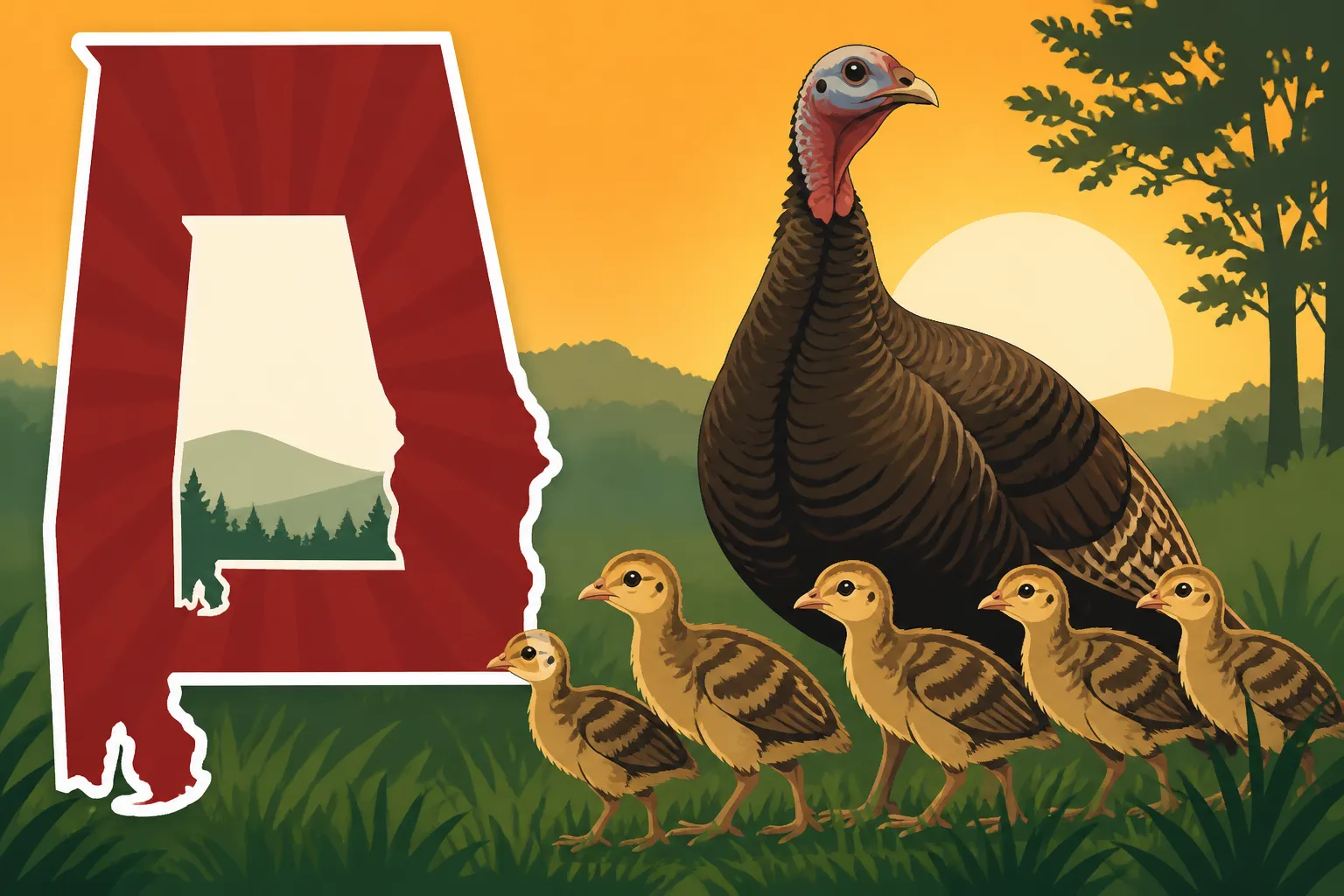
You've probably heard the term "brood survey" tossed around by wildlife agencies or seasoned hunters, but what does it really mean, and why should you care? At its heart, a turkey brood survey is a systematic way of counting wild turkey poults (the adorable little turkey chicks) that are observed with a hen during the summer months. It's not just about getting a total number of turkeys; it's about understanding the reproductive success of the population in a given year.
Think about it: a vibrant turkey population isn't just about having a lot of adult gobblers and hens. It's about successful reproduction. If hens aren't hatching eggs, or if poults aren't surviving their crucial first few weeks, then that population is on a downward trend, no matter how many mature birds you think you're seeing. This is why brood surveys are so incredibly important. They provide the earliest indicator of how many young turkeys are making it to adulthood, which directly impacts hunting opportunities a year or two down the road when those poults mature into huntable birds. Without this kind of data, wildlife managers would be flying blind, and our seasons might not be as well-adjusted to the actual health of the flock. It helps us understand the pulse of the turkey woods.
How Alabama Conducts Its Turkey Brood Surveys
Alabama's approach to turkey brood surveys is a fantastic blend of dedicated professional observation and invaluable citizen science. The Alabama Wildlife and Freshwater Fisheries Division (ADWFF) orchestrates these efforts, primarily focusing on observations made during June, July, and August. This timeframe is crucial because it’s when most hens have hatched their clutches, and the poults are still easily identifiable as young birds traveling with their mother.
Biologists, game wardens, and even avid outdoorsmen participating in voluntary programs are tasked with recording specific observations. When they encounter a hen turkey, they note the date, location, and, most critically, how many poults are accompanying her. These observations are aggregated and analyzed. While many states rely heavily on hunter-submitted data through mobile apps or online portals, Alabama's program benefits from both structured observations by staff and a growing awareness among the public. It's not uncommon to see calls for hunters to report their observations, fostering a sense of community involvement in conservation. This collection method helps establish baseline data over vast and varied landscapes, from the dense timber of the Talladega National Forest Hunting to the rich agricultural lands of the Black Belt. The more eyes on the ground, the more accurate the picture we can paint of our turkey populations. Tools like a robust mapping application from GoHunt, for example, could be incredibly useful for hunters to mark their own sightings throughout the summer, giving them a personal way to track trends even if it's not part of the official survey submission.
Interpreting Alabama's Brood Survey Results
So, you've seen the ADWFF release its annual brood survey results, and now you're looking at a bunch of numbers. What do they actually mean for your next spring turkey hunt? The most critical metric to look for is the poult-to-hen ratio (P-H ratio). This number tells you, on average, how many poults survived per hen observed during the survey period.
Let's break it down:
- High P-H Ratio: A consistently high P-H ratio, generally anything above 2.0 or 2.5, indicates good reproductive success. This means hens are successfully hatching clutches, and a healthy number of poults are making it through their vulnerable early weeks. When you see numbers like this, it often foretells strong turkey numbers a year or two later, as those young birds mature.
- Low P-H Ratio: A low P-H ratio, typically below 1.5 or 1.0, is a cause for concern. It suggests poor nesting success, high poult mortality, or a combination of both. Consecutive years of low ratios can lead to noticeable declines in the adult turkey population, making hunting more challenging in subsequent seasons. This is where you might start to see conversations about adjusting bag limits or season lengths, as biologists look to help the population rebound. You might find information about this topic under Poult-to-Hen Ratios and What They Mean.
It’s crucial to remember that one year's data point doesn't define a trend. Biologists look at multiple years of data to identify patterns. For example, a single low year might be a blip due to unusual weather, but several low years in a row signal a more significant problem. Also, these numbers are often broken down by region, because turkey success can vary wildly across the state. What looks like a banner year in the southwest might be struggling in the northern reaches, so paying attention to the specific zones is key. The ADWFF frequently publishes statewide averages alongside regional breakdowns, allowing hunters to gauge the prospects for their preferred hunting grounds.
Here's a simplified look at how to interpret P-H ratios:
| Poult-to-Hen Ratio | Interpretation for Turkey Population | Implications for Hunting |
|---|---|---|
| Below 1.0 | Very poor reproduction, decline likely | Expect challenging hunting in 1-2 years |
| 1.0 to 1.5 | Poor to fair reproduction, stable to slight decline | Hunting may be tougher than average |
| 1.6 to 2.0 | Moderate reproduction, stable population | Average hunting prospects |
| 2.1 to 2.5 | Good reproduction, population growing | Expect good hunting in 1-2 years |
| Above 2.5 | Excellent reproduction, strong growth | Likely to be a banner year for hunting |
These results are a vital component of understanding Alabama Turkey Population Trends and help shape regulations, as discussed in the Alabama Spring Turkey Zones and Dates guides. For hunters, knowing these trends can inform your strategy, telling you whether to expect a tougher grind or a season with more liberal gobbling.
Factors Influencing Alabama's Turkey Brood Success
Why do some years yield fantastic brood numbers while others fall flat? It’s rarely a single factor. Wild turkey populations are incredibly sensitive to a confluence of environmental conditions, and understanding these can give you an even deeper appreciation for the work biologists do and the challenges these magnificent birds face.
The Impact of Weather Patterns
Weather during the crucial nesting and brooding periods (late spring through early summer) is perhaps the most significant variable in poult survival. Heavy, prolonged spring rains can be devastating. Nests can flood out, and newly hatched poults, which are highly susceptible to hypothermia, struggle to survive cold, wet conditions. Their downy feathers offer little protection against saturation, and if a hen can't keep them dry and warm, mortality rates skyrocket. Conversely, extremely hot and dry conditions can also be problematic, impacting the availability of the insects that poults rely on for protein in their early weeks. A mild, dry spring with warm temperatures is often ideal for a booming brood year.
Predation Pressures on Nests and Poults
Predators are a natural and constant threat to wild turkeys, especially during the nesting and poult stages. Raccoons, opossums, snakes, and even larger birds of prey are all opportunistic nest predators, devouring eggs before they even have a chance to hatch. Once poults are on the ground, they become targets for a host of predators, including foxes, bobcats, and especially coyotes. While Alabama Coyote Range and Density has increased over the decades, these adaptable canids can have a significant impact on poult survival, especially in areas with high coyote populations and limited escape cover. Understanding the dynamics of Nest Predation and Alabama Turkey Hatches is vital for appreciating how many challenges these birds overcome to simply survive.
The Role of Habitat Quality
"Habitat is king" is a phrase you'll hear often in wildlife management, and it holds true for turkeys, particularly for brood success. Hens need secure nesting cover—dense patches of tall grasses, shrubs, or thickets—to hide their nests from predators. After hatching, poults require brooding habitat rich in insects and with a mix of overhead cover for protection from raptors and open understory for foraging. Think of areas with diverse plant life, open pine stands managed with prescribed fire, or early successional fields. When suitable habitat is scarce or fragmented, hens have fewer safe places to nest and raise their young, making them and their broods more vulnerable. Land management practices, including timber harvesting and prescribed burning, can significantly influence the availability and quality of this critical brooding habitat, which directly contributes to the success or failure observed in brood surveys. Many hunters looking to improve their odds might consult a service like GoHunt for insights into public land habitat features, like areas that are regularly burned or have specific cover types ideal for brooding.
Other Contributing Factors
While weather, predation, and habitat are the major players, other factors can also subtly influence brood success. Disease outbreaks, though less common in wild turkeys than in some other species, can occasionally impact poult survival. Human disturbance, especially in high-pressure areas, can cause hens to abandon nests. Furthermore, the overall health and age structure of the hen population play a role; healthier, more experienced hens often have better nesting and brooding success. All these elements intertwine, creating the complex picture that Alabama's turkey brood survey results strive to capture each year, helping us get a handle on the overall health of Wild Turkeys in Alabama and gauge the success of efforts like How Turkeys Were Restored to Alabama in the state.
Disclaimer
This article is for general informational purposes only and does not constitute professional advice. Laws, prices and regulations vary by location and change over time. Consult a qualified professional for guidance on your specific situation.