Alabama Small Game and Furbearers
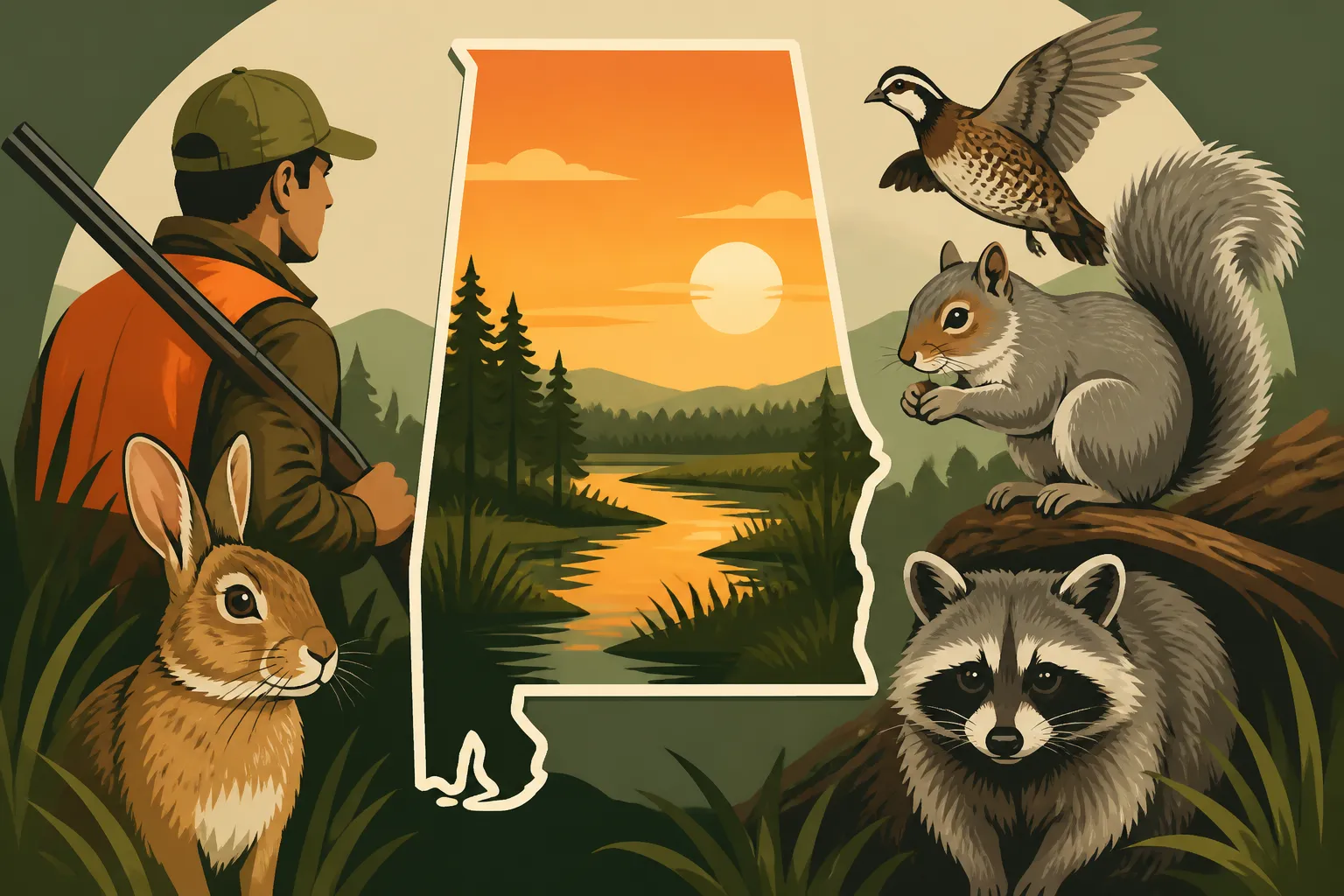
Many Alabama hunters spend their entire season focused on whitetails and wild turkeys, and who can blame them? Those are truly iconic pursuits. But often, in our zeal for big game, we completely overlook the incredible diversity of small game and furbearer opportunities that abound right here in our state. This guide is all about shining a light on these often-underestimated species, helping you discover a whole new world of accessible, exciting hunting that can fill your off-season or add new dimensions to your regular trips afield.
The Overlooked Bounty: Why Small Game and Furbearers Deserve Your Attention
It’s easy to get caught up in the allure of a trophy buck or a strutting gobbler, but Alabama's woods and fields offer so much more for the avid hunter. Think about it: a crisp autumn morning spent chasing squirrels through a hardwood bottom, the heart-pounding flush of a quail covey, or the strategic challenge of calling in a coyote under the stars. These aren't just filler activities; they are rich, engaging hunts in their own right, steeped in tradition and offering unique thrills.
Beyond Deer and Turkey: A Richer Hunting Experience
For generations, hunting small game was a primary way families put meat on the table, and it fostered invaluable woodcraft skills. While modern hunting often focuses on larger quarry, returning to small game hones fundamental abilities like tracking, reading sign, still-hunting, and quick-shot proficiency. It also extends your time in the woods beyond the peak deer and turkey seasons. Imagine having a reason to be out there almost year-round, exploring different habitats, and experiencing the Alabama landscape in new ways. This diverse pursuit makes you a more well-rounded and adaptable hunter, enhancing your appreciation for all wildlife.
The Thrill and Accessibility of Small Game Hunting
One of the greatest appeals of small game and furbearer hunting is its sheer accessibility. You don't always need massive tracts of private land or expensive leases to find success. Many of Alabama's Wildlife Management Areas (WMAs) and National Forests offer excellent opportunities for squirrels, rabbits, and coyotes. Plus, the gear requirements are often simpler, making it a great entry point for new hunters or a relaxed change of pace for seasoned veterans. The action can be fast and furious, demanding quick reflexes for a flushing rabbit or a dodging dove, or it can be a patient, strategic game of wits with a clever coyote. There's a thrill in every encounter, and the sheer volume of opportunities means you're almost always learning something new about the landscape and the animals that inhabit it.
Squirrels: Agile Acrobats of Alabama's Woodlands
When you think of traditional Southern hunting, squirrel hunting often comes to mind. It’s a pursuit that combines patience, keen observation, and often, a good dose of nostalgia. Alabama's abundant hardwoods make it a squirrel hunter's paradise, offering consistent action throughout a long season.
Understanding Alabama's Gray and Fox Squirrels
In Alabama, you'll primarily encounter two species of squirrels: the gray squirrel and the fox squirrel. The gray squirrel is the more common and widespread of the two, typically smaller, with a sleek gray coat, white belly, and that characteristic bushy tail. They thrive in mature hardwood forests, especially those with an abundance of oak and hickory trees, which provide their favored mast crops. Grays are incredibly agile and can be found leaping from branch to branch high in the canopy or scampering along the forest floor.
Fox squirrels, on the other hand, are significantly larger, often twice the size of a gray squirrel. Their coloration varies widely, from reddish-brown to black, often with a striking orange or black belly and a more robust build. They prefer more open, park-like stands of timber, often on the edges of agricultural fields, pine plantations, or bottomland hardwoods where mast trees are more scattered. Fox squirrels tend to be less arboreal than grays, spending more time foraging on the ground. Recognizing which species you're pursuing can help you tailor your hunting approach and choose the most productive habitat. For detailed insights into their preferred dining spots, check out our guide on Squirrel Hunting Alabama Hickory Groves.
Prime Squirrel Habitat and Effective Hunting Strategies
To find squirrels, you need to find their food sources, and in Alabama, that almost always means mast-producing trees. Early in the season, look for squirrels in areas with abundant soft mast like wild grapes, mulberries, or berries. As fall progresses and winter approaches, the focus shifts to hard mast: acorns from various oak species, hickory nuts, and pecans. Prime locations include mature hardwood ridges, creek bottoms, and areas where different timber types merge. A keen hunter using a tool like GoHunt can often identify these types of timber stands on aerial maps before ever stepping foot in the woods, helping to pinpoint potential hotspots.
Hunting tactics for squirrels are varied and often depend on whether you're alone or hunting with a dog.
- Still-hunting: This involves moving slowly and quietly through the woods, stopping frequently to scan the trees and ground for movement. It requires immense patience and sharp eyesight. Look for chewed nuts on logs, leaf nests high in the trees, and listen for the telltale chatter or the sound of falling nuts.
- Stalking: Similar to still-hunting, but more focused on actively pursuing a spotted squirrel. Once you see one, try to move silently into a position for a shot, using trees and terrain for cover.
- Hunting with dogs: This is arguably the most exciting way to hunt squirrels. Feist and Cur breeds are popular squirrel dogs. They use their keen sense of smell to locate squirrels on the ground, then "tree" them, barking to indicate the squirrel's location. This allows hunters to focus on finding the squirrel in the branches, offering a different kind of challenge and a higher success rate. This method can be particularly effective in areas where visibility is limited, like thick bottomland hardwoods.
Remember, early morning and late afternoon are generally the most productive times, as squirrels are most active during these periods. Patience and quiet movement are paramount, regardless of your chosen method.
Navigating Squirrel Seasons and Bag Limits
Alabama's squirrel season is typically quite generous, often opening in the fall and running through late winter, sometimes even into early spring, giving hunters ample opportunity. This long season allows you to experience squirrel hunting in varying conditions, from warm early-season days to crisp winter mornings. It's crucial to consult the latest Alabama Department of Conservation and Natural Resources (ADCNR) regulations each year for the exact dates and bag limits. Generally, the daily bag limit for squirrels is quite liberal, allowing hunters to take a good number of animals for the table. Knowing the specific regulations for your hunting zone or WMA is key to a legal and enjoyable hunt. For more specific tactics related to early season behavior, consider reading up on How Early Season Squirrels Give Themselves Away.
Table 1: Common Alabama Small Game and Furbearers
| Species | Primary Habitat | Typical Hunting Method | Best Time to Hunt |
|---|---|---|---|
| Gray Squirrel | Mature Hardwood Forests (Oaks, Hickories) | Still-hunting, Stalking, Dogs | Early Morn/Late After (Fall/Winter) |
| Fox Squirrel | Open Timber, Field Edges, Bottomlands | Still-hunting, Stalking, Dogs | Early Morn/Late After (Fall/Winter) |
| Eastern Cottontail | Field Edges, Fencerows, Briar Patches | Beagles, Still-hunting, Driving | Early Morn/Late After (Fall/Winter) |
| Swamp Rabbit | River Bottoms, Swamps, Dense Wetlands | Beagles, Still-hunting, Driving | Early Morn/Late After (Fall/Winter) |
| Coyote | Anywhere (Forests, Farmland, Urban Fringe) | Calling, Trapping, Spot-and-Stalk, Night Hunting | Year-round (Day/Night) |
| Raccoon | Hardwood Bottoms, Waterways, Agricultural Areas | Dogs (Night Hunting), Trapping | Night (Fall/Winter) |
| Opossum | Anywhere (Generalist) | Trapping, Opportunistic | Night (Fall/Winter) |
| Bobcat | Dense Cover, Swamps, Rocky Areas | Calling, Trapping, Dogs | Day/Night (Fall/Winter) |
| Red/Gray Fox | Woodlands, Farmland, Brushy Areas | Calling, Trapping, Dogs | Day/Night (Fall/Winter) |
| Mourning Dove | Agricultural Fields, Power Lines, Water Holes | Pass-shooting, Decoying | Day (Early Fall) |
| Bobwhite Quail | Early Successional Habitat, Pine Plantations | Pointing Dogs, Walking, Driving | Day (Fall/Winter) |
| American Woodcock | Moist, Young Hardwoods, Alders, Brushy Swamps | Walking with Dogs, Flush hunting | Day (Late Fall/Early Winter) |
| Common Snipe | Wet Meadows, Mud Flats, Edges of Ponds | Walking, Flush hunting | Day (Late Fall/Early Winter) |
Rabbits: Fast-Paced Action in Alabama's Thickets
For many, rabbit hunting evokes images of crisp fall mornings, the baying of beagles, and the excitement of a fast-running cottontail bursting from a briar patch. It's an active, engaging hunt that provides excellent table fare and a fantastic way to spend a day in the field with friends and dogs. Alabama offers good opportunities for rabbit hunters across the state.
Differentiating Cottontail and Swamp Rabbits
Alabama is home to two primary rabbit species that hunters pursue: the Eastern Cottontail and the less common Swamp Rabbit. The Eastern Cottontail is likely what most people envision when they think of a rabbit. It's smaller, typically found in brushy cover along field edges, fencerows, abandoned farms, and young clear-cuts. They prefer upland areas with good escape cover and abundant forage. Their distinctive white tail, visible when they run, is their namesake. If you're hunting thick fencerows, you're likely after cottontails; our guide on Rabbit Hunting Alabama Fencerows can provide more specific strategies.
The Swamp Rabbit, as its name suggests, is larger and thrives in wetter environments. Think river bottoms, swamps, marshes, and dense thickets along creeks and sloughs. They are excellent swimmers and will often take to water to escape predators. They lack the prominent white tail of the cottontail, usually having a darker, less noticeable one. Swamp rabbits are often found in denser, more challenging cover, making for a different, and sometimes more physically demanding, hunt.
Traditional Rabbit Hunting with Dogs and Still-Hunting Techniques
Rabbit hunting is a social sport, and bringing along a pack of beagles is the classic way to pursue them. The dogs use their incredible sense of smell to pick up a rabbit's trail, then bay loudly as they follow it. Rabbits typically run in a large circle, and the hunter's job is to position themselves strategically to intercept the rabbit as it returns to its perceived safe haven or familiar territory. It's a thrilling experience, listening to the music of the hounds and anticipating the rabbit's appearance. Successful dog hunting requires a good understanding of rabbit behavior and the terrain, anticipating where the rabbit will try to cross or cut through cover.
For those without dogs, still-hunting or driving techniques can also be effective.
- Still-hunting: Move very slowly and quietly through likely cover – briar patches, honeysuckle thickets, downed trees, and brush piles. Pause frequently, scanning for movement. Rabbits will often hold tight until the last moment, so a sharp eye is critical.
- Driving: This is often done with a small group of hunters. A few "drivers" walk through a thicket or brushy area, making noise and pushing rabbits towards "standers" positioned at the other end. This works well in dense cover where rabbits are reluctant to leave. It's a great strategy for hunting small, isolated patches of cover.
No matter the method, remember that rabbits need dense cover for escape and protection, so focus your efforts on the thickest, nastiest places in the habitat. For insights into working with dogs, particularly for cottontails, check out our piece on Running Beagles on Alabama Cottontails.
Rabbit Season Regulations and Daily Limits
Alabama's rabbit season typically opens in the fall, coinciding with many other small game seasons, and often extends well into the spring. This long season provides plenty of opportunities to get out and enjoy this traditional hunt. As with all game, it's essential to check the current ADCNR regulations for specific season dates and daily bag limits. Rabbit limits are generally generous, allowing for a good harvest. Remember to always confirm the rules for your specific hunting location, especially if you're on a WMA, as regulations can sometimes vary. A good pair of brush pants or chaps will be your best friend, protecting you from the thorns and briars that rabbits call home.
Furbearers: Pursuing Alabama's Nighttime and Elusive Hunters
Furbearers represent a diverse group of animals, some of which are hunted for their pelts, others for sport and population control, and all offering a unique challenge. In Alabama, chasing furbearers can be a year-round endeavor for some species and provides thrilling opportunities often under the cloak of darkness or in the quiet hours of dawn and dusk.
Coyotes: A Year-Round Challenge and Management Imperative
Coyotes are perhaps the most prolific and widespread furbearer in Alabama, having expanded their range significantly across the state. They are incredibly adaptable predators, thriving in everything from deep timber to agricultural fields and even suburban fringes. Because they are not native to Alabama and can have significant impacts on deer fawn survival and other native wildlife populations, they are considered a nuisance species, and hunting them is often encouraged. This translates into a fantastic, year-round hunting opportunity with no closed season or bag limits on private land in Alabama.
Hunting coyotes is a true game of wits.
- Calling: This is arguably the most popular and effective method. Using electronic callers or mouth calls to mimic prey in distress (rabbit, fawn) or other coyote vocalizations (howls, barks) can draw them into shooting range. Effective calling requires understanding wind direction, terrain, and knowing when to be aggressive or subtle with your sounds. Early mornings, late evenings, and even night hunting can be highly productive. For a deeper dive into calling strategies, read our guide on Coyote Calling in Alabama Farm Country.
- Spot-and-stalk: In open areas, spotting coyotes from a distance and carefully stalking within range can work. This often happens incidentally while deer hunting.
- Night Hunting: This method has grown in popularity, particularly with the advent of thermal and night vision optics. Hunting coyotes at night offers a distinct advantage, as they are naturally more active after dark. However, specific regulations apply to night hunting in Alabama, particularly regarding the use of artificial lights. Always check the latest ADCNR rules for Night Hunting Rules for Alabama Coyotes to ensure compliance. A hunter using a robust app like GoHunt can easily identify large open areas or clear-cuts that might be ideal for calling setups or spotting coyotes from a distance, even planning out approach routes to minimize detection.
Raccoons and Opossums: Engaging Night Hunts and Trapping
Raccoons and opossums are common throughout Alabama, especially in areas with hardwood timber, access to water, and agricultural lands. They are primarily nocturnal, making them popular targets for night hunters and trappers.
Raccoon hunting with dogs is a time-honored tradition in the South. Specialized coonhounds are released at night to track raccoons, often leading hunters on adventurous chases through the woods as the dogs "tree" their quarry. It's a physically demanding but highly rewarding experience, culminating in locating the raccoon high in a tree. This method is as much about the dogs and the camaraderie as it is about the harvest.
Trapping is another effective method for both raccoons and opossums, particularly for landowners looking to reduce populations that might be causing damage to crops or property. Various trap types, from cage traps to foothold traps, can be used, with specific regulations governing trap size, placement, and checking frequency. Trapping requires knowledge of animal behavior, baiting techniques, and proper trap setting to be successful and humane. Both raccoons and opossums provide excellent pelts, and raccoons are also sought after for their meat.
Bobcat and Fox: Tactics for Alabama's Wily Predators
Bobcats and foxes (both red and gray) are more elusive than coyotes, offering a greater challenge for hunters and trappers. They are found across Alabama but prefer areas with dense cover, broken terrain, and ample prey.
Bobcats are powerful, solitary predators that are typically more difficult to call in than coyotes. They respond to distress calls, but often require more patience and realistic setups. Hunting bobcats often involves covering a lot of ground in prime habitat, looking for tracks or sign, and then setting up in strategic locations. Dog hunting for bobcats is also popular in some areas, with specialized hounds used to track and tree them.
Foxes are smaller and often respond well to smaller distress calls, like mouse or bird squeaks. Both red and gray foxes are present, with gray foxes being more common in heavily timbered areas and red foxes preferring more open, agricultural landscapes. Hunting foxes requires stealth and careful concealment, as they have excellent senses. As with coyotes, successful fox hunting often comes down to precise calling sequences and being aware of wind conditions.
For both bobcats and foxes, trapping is a highly effective method, particularly for those looking to harvest pelts. Trappers often use specific lures and sets tailored to these animals, placing traps along travel corridors or near known dens. Due to their elusive nature, encountering a bobcat or fox in the wild is always a special experience, regardless of whether a shot is taken.
Upland Game Birds and Migratory Delights
While deer and turkey get most of the attention, Alabama's diverse habitats also support a variety of upland game birds and migratory species, offering some of the most exciting and fast-paced shooting experiences available. These hunts are steeped in tradition and often involve working with skilled hunting dogs.
Mourning Doves: The Ultimate Shotgunning Challenge
Mourning doves are, without a doubt, one of Alabama's most popular migratory game birds. Their fast, erratic flight patterns make them an incredible challenge for shotgunners, and the social aspect of a dove hunt, often shared with friends and family around a freshly cut field, is a cherished tradition. Dove season is an unofficial kickoff to the fall hunting season for many.
Doves are grain eaters, so prime hunting spots revolve around agricultural fields – corn, sunflowers, wheat, millet, or even cut peanut fields. They also frequent areas with water sources (ponds, puddles) and grit (small gravel) for digestion. The most common hunting methods include:
- Pass-shooting: Positioning yourself along flight paths between roosting areas, feeding fields, and water. This requires quick reflexes and excellent lead judgment.
- Decoying: Setting out dove decoys, especially spinning-wing decoys, can draw birds into range over a particular spot. This works particularly well on less pressured fields.
- Hunting a dove field: This involves spreading out around a prepared field (often one that has been legally managed and manipulated for doves) and shooting as birds fly in to feed.
It's absolutely critical to understand Alabama's dove baiting regulations. Manipulating a field for doves is legal, but "baiting" (scattering grain where it's not a normal agricultural practice) is strictly illegal and carries severe penalties. Always ensure you're hunting a legally prepared field. For more insights on how to set up for success, check out Setting Up a Dove Field Before Opening Day. Alabama's dove season typically begins in early September and often has several splits, providing multiple opportunities throughout the fall.
Bobwhite Quail: Chasing Southern Heritage
The bobwhite quail holds a special place in the heart of Southern hunting heritage. The distinctive "bob-white" call, the explosive flush of a covey, and the sight of a good pointing dog locked up solid are moments etched into memory. Unfortunately, wild quail populations have seen significant declines over the decades due to habitat loss and fragmentation. However, pockets of wild quail still exist, particularly in regions with active habitat management, and many managed hunting plantations offer excellent opportunities for pen-raised birds that mimic the wild experience.
Hunting wild quail requires access to specific habitat: early successional areas, open pine woodlands with a wiregrass understory, overgrown fields, and the edges of timber cuts. These areas provide the dense cover for protection and the diverse native grasses and forbs for food that quail need. The most effective way to hunt quail is with well-trained pointing dogs (Pointers, Setters, Brittanys). The dogs locate the scent of the covey and "point," freezing in place to indicate the birds' location. Hunters then walk in, flush the birds, and attempt to take a shot. The action is fast and exhilarating.
In Alabama, the Black Belt region is particularly known for its efforts in Quail Hunting Alabama's Black Belt, where land managers work diligently to restore and maintain prime quail habitat. While wild quail hunting is challenging, the pursuit itself is incredibly rewarding, connecting hunters to a deep tradition of Southern sport.
Woodcock and Snipe: Hidden Gems of the Wetlands
Often overlooked, the American Woodcock and Common Snipe offer unique and challenging migratory bird hunting experiences in Alabama, particularly during the late fall and early winter months. These birds are found in specific, often wet, habitats and demand a different approach than doves or quail.
The American Woodcock is a small, migratory upland bird known for its long bill and large eyes, adapted for probing soft earth for worms. They migrate through Alabama, seeking out moist, young hardwood thickets, alder swamps, and brushy bottomlands with soft, damp soil. Hunting woodcock typically involves walking slowly through this dense cover, often with a flushing dog (Spaniel breeds are popular) or a pointing dog that holds point until the bird is flushed by the hunter. When flushed, a woodcock has an erratic, zig-zagging flight pattern, making it a challenging target.
The Common Snipe is a shorebird found in wet meadows, flooded fields, muddy pond edges, and marshy areas. They are incredibly well-camouflaged and will hold tight, flushing explosively and flying in a swift, unpredictable manner. Snipe hunting often involves walking through suitable wetlands, flushing birds as you go. They are small targets, but present a fun challenge for wingshooters.
Both woodcock and snipe offer unique opportunities to explore different types of Alabama habitat and experience the thrill of flush hunting. Hunters pursuing these birds need to pay close attention to migratory bird regulations, including federal and state duck stamp requirements and HIP certification.
Gear Up and Stay Legal: Essential Small Game and Furbearer Considerations
Just like with big game, successful and responsible small game and furbearer hunting in Alabama hinges on having the right gear and, most importantly, understanding and adhering to all legal regulations. Don't let ignorance lead to an unpleasant surprise from a game warden.
Choosing the Right Firearms and Ammunition
The beauty of small game hunting is that it doesn't always require specialized, expensive equipment.
- Shotguns: For squirrels, rabbits, doves, quail, woodcock, and snipe, a shotgun is your primary tool. A 12-gauge or 20-gauge is versatile and common. For smaller hunters or those sensitive to recoil, a .410 or 28-gauge can be effective at closer ranges, especially for squirrels or rabbits. Shot size will vary by species:
- Doves, Quail, Snipe, Woodcock: Typically #7.5 or #8 lead shot.
- Squirrels, Rabbits: #6 or #4 lead shot is common for a bit more knockdown power. Steel shot is only required if hunting waterfowl.
- Rifles: For squirrels, a .22 caliber rimfire rifle or even an air rifle can be incredibly effective and quiet, making for a challenging and precise hunt. The quiet report can also allow for multiple shots at different squirrels without spooking the whole woods. A .17 HMR or .22 Magnum can extend your range slightly.
- Centerfire Rifles: For coyotes and other furbearers like bobcats or foxes, centerfire rifles are appropriate. Common calibers include .223 Remington, .22-250 Remington, or even larger deer calibers for coyotes. Shot placement is key, especially if you plan to salvage the pelt. Always consider your backdrop and be aware of your surroundings, especially when hunting with centerfire rifles in populated areas.
- Archery Equipment: Bowhunting small game is a unique and challenging pursuit. Specialized small game heads (blunts, judo points, or small game grabbers) are used. This can be a great way to hone your archery skills during the off-season. For those interested in archery year-round, our guide on Bowhunting Alabama's Long Archery Season provides a broader context.
Regardless of your chosen firearm, always prioritize safety. Ensure your firearm is unloaded until you're in the field, use appropriate eye and ear protection, and always be aware of your target and what lies beyond it.
Licenses, Hunter Education, and Vital Regulations
Alabama has clear regulations governing hunting small game and furbearers. Before heading afield, ensure you have the proper licenses and certifications:
- Hunting License: A valid Alabama hunting license is required for residents and non-residents. Depending on your age and residency status, different options are available, such as an all-game license or a small game license. Details on various options can be found in our guide on Alabama Resident Hunting License Options or Alabama Nonresident Hunting License Options.
- Hunter Education: If you were born on or after August 1, 1977, you must complete an approved hunter education course to hunt unsupervised in Alabama. There are exemptions, such as holding an apprentice license, but generally, this is a must-have for safe and legal hunting. Our resource on Alabama Hunter Education Requirements can help you get started.
- HIP Certification: For migratory birds like doves, woodcock, and snipe, you must also obtain a Harvest Information Program (HIP) certification annually. This helps wildlife agencies collect data on migratory bird harvests.
- Federal Duck Stamp: If pursuing woodcock or snipe (or waterfowl), a federal duck stamp is required, in addition to any state migratory bird stamps.
- Specific Season Dates and Bag Limits: As discussed, these vary by species and sometimes by zone. Always consult the current Alabama Hunting and Fishing Digest or the Outdoor Alabama website. Pay attention to legal hunting hours as well. For example, some species may only be hunted during daylight hours, while furbearers like coyotes can be pursued at night with specific rules regarding lights.
- Public Land Permits: If hunting on a Wildlife Management Area (WMA) or National Forest, an additional WMA license/permit may be required.
Always carry proof of your licenses and certifications while hunting, either physically or electronically on your phone.
Scouting and Securing Hunting Access for Small Game
Finding good small game and furbearer hunting spots often comes down to effective scouting and securing access.
- Public Lands: Alabama boasts numerous WMAs and National Forests that offer excellent small game opportunities. Areas like Talladega National Forest, William B. Bankhead National Forest, and various WMAs can be highly productive. Use resources like the Outdoor Alabama interactive map or apps like GoHunt to scout these areas virtually. Look for diverse habitats – areas where hardwoods meet pines, old clear-cuts regenerating into thickets, creek bottoms, and areas bordering agricultural fields. Pay attention to topography and access points. For public land preparation, our article on Scouting Alabama Public Land Before Season is invaluable.
- Private Land: Don't overlook smaller private tracts of land. Often, landowners are more willing to grant permission for small game hunting than for deer or turkey, especially if those species are causing issues (like rabbits in a garden or coyotes preying on livestock). Always ask permission well in advance and be respectful of property boundaries and landowner requests. A simple knock on the door, a polite request, and offering to share some of your harvest can go a long way.
- Habitat Diversity: Small game thrives in "edge" habitats – where two different cover types meet. Think of a field edge next to a hardwood bottom, a fencerow bordering a pine stand, or a brushy clear-cut next to mature timber. These edges provide food, cover, and travel corridors. For example, Squirrel Hunting Alabama Bottomland Hardwoods highlights a specific type of diverse habitat.
Remember, small game and furbearer hunting offers fantastic opportunities to explore Alabama's natural beauty, hone your hunting skills, and put some delicious wild game on the table. It's an accessible and rewarding pursuit that shouldn't be overlooked.
Disclaimer
Hunting regulations and season dates in Alabama can change. Always consult the current Alabama Department of Conservation and Natural Resources (ADCNR) official regulations guide or website before heading afield. This guide is for informational purposes only and does not substitute for official legal advice or current regulations.