Where Alabama Black Bears Live Today
It might surprise a lot of folks, especially those new to hunting or who haven't spent much time deep in the wild places of our state, but yes, Alabama is home to black bears. Many assume these magnificent creatures are only found far to the north, but our woodlands and swamps hold a secret. If you've ever wondered where exactly these elusive animals roam in the Yellowhammer State, you're in the right place. This guide will walk you through the primary habitats and migratory patterns of Alabama's black bear population.
Alabama's Persistent Bear Strongholds
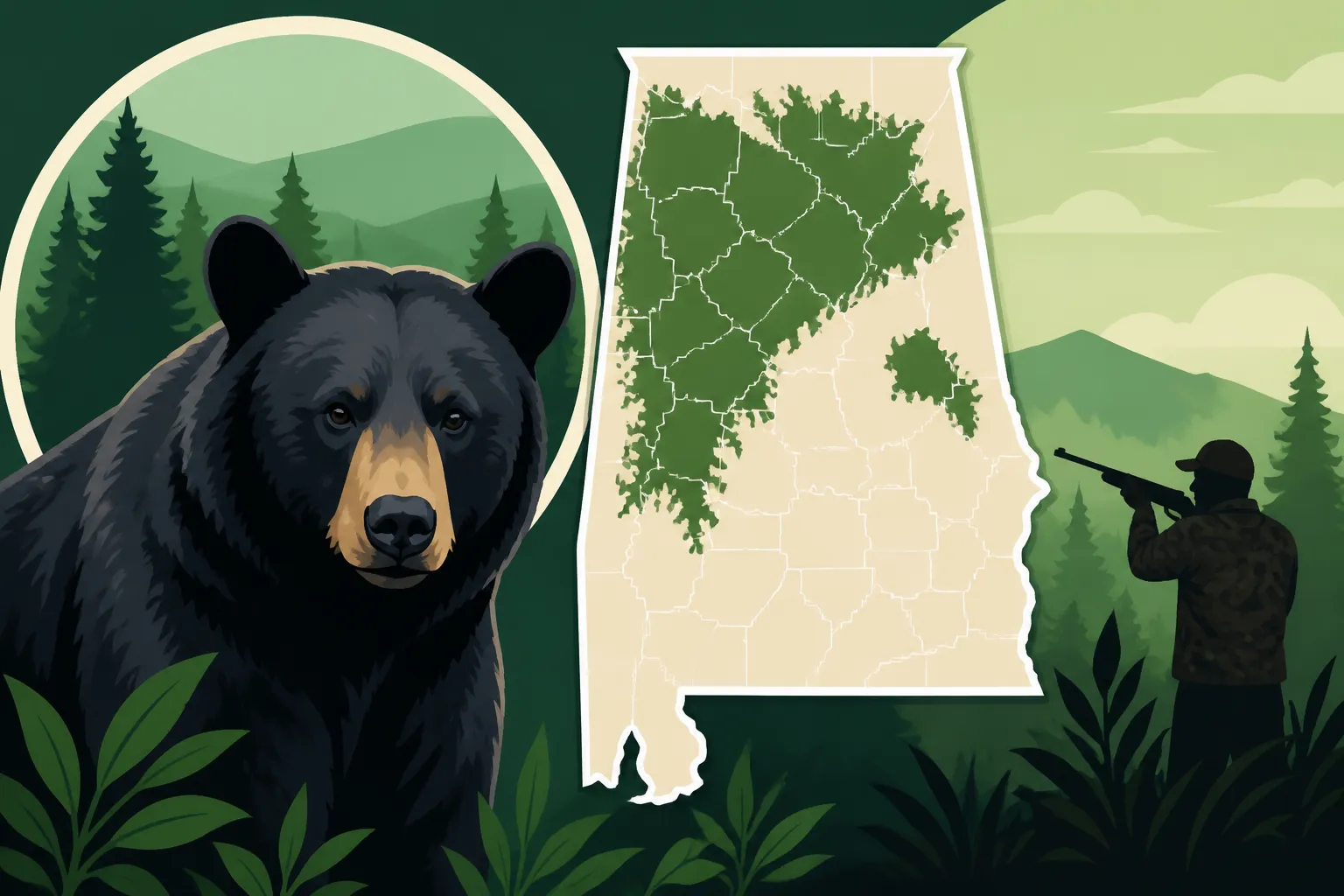
For many years, the presence of black bears in Alabama was largely anecdotal for most hunters, a whispered rumor or a rare, fleeting glimpse. But the truth is, while never truly gone, our black bear population faced significant declines over the centuries due to habitat loss and unregulated hunting. Thankfully, efforts to protect and restore these incredible animals have led to a quiet, but steady, comeback. Today, we recognize two primary, well-established subpopulations that serve as the anchors for all bear activity in the state, along with a scattering of individuals venturing further afield. It's a testament to the resilience of nature and the dedication of conservationists that we can discuss a recovering population at all. These areas are truly the heart of Alabama's bear country.
It's crucial for hunters, hikers, and anyone enjoying Alabama's beautiful outdoors to understand that bears, while naturally wary of humans, require respect and space. Their continued recovery depends on our awareness and responsible behavior. Unlike deer or turkey, there is no hunting season for black bears in Alabama; they are a fully protected species, and intentionally harming one is a serious offense. This protection is a key reason we're seeing their numbers slowly creep back up in areas where they were once thought to be completely extirpated. When you're out scouting, especially in areas like our national forests or larger WMAs, being aware of potential bear sign – like scat, claw marks on trees, or overturned rocks – is just part of being a well-rounded woodsman.
These two main population centers are remarkably different in their terrain and ecosystem, which really highlights the adaptability of black bears. From the dense, watery labyrinth of our southern river systems to the rugged, steep canyons of the northeast, bears have found a way to not just survive, but to slowly expand. This geographical distinction is important because it dictates everything from their diet and denning habits to the specific challenges they face. Knowing these core areas helps us understand the broader picture of Alabama's Recovering Black Bear Population and appreciate the diverse landscapes they call home.
The Mobile River Basin: Swampy Sanctuaries
Deep in the delta, where the Mobile River spreads its intricate network of bayous, sloughs, and cypress swamps before emptying into Mobile Bay, you'll find Alabama's most robust black bear population. This region, encompassing parts of Baldwin, Mobile, Washington, and Clarke counties, is a veritable wilderness, a labyrinth of water and dense vegetation that offers unparalleled cover and a rich food source for bears. If you've ever tried to navigate these areas, you know how wild and unforgiving they can be, making them perfect hideaways for a large, shy omnivore.
The bears in the Mobile River Basin are truly creatures of the swamp. They thrive on the abundance of berries, acorns, palmetto hearts, and aquatic vegetation found within this unique ecosystem. During periods of high water, these bears are adept at swimming, moving through the flooded timber and cypress knees with surprising grace. This dense, often impenetrable habitat also offers them excellent protection from human disturbance, allowing them to breed and raise cubs with minimal interference. Hunters pursuing waterfowl or even feral hogs in the delta will often see signs of bear activity, reminding them that they're sharing the woods with a truly wild resident. Mapping tools, like those you might use for deer scouting or property line identification, can also highlight the vast, unbroken tracts of habitat that make the Mobile River Basin so special for The Mobile River Basin Bear Population.
Life for a bear in the Mobile River Basin isn't without its challenges, however. Habitat fragmentation from development, particularly along the edges of the delta and river systems, can sometimes push bears into closer proximity with human settlements. Road mortality is also a concern, as bears move between different sections of their territory. Despite these pressures, the sheer scale and wildness of the Mobile River Basin continue to provide an essential sanctuary. This population is a cornerstone of Alabama's Two Bear Subpopulations and a vital part of our state's natural heritage, showing how well these animals can thrive when given the space and protection they need.
Little River Canyon: Northeastern Havens
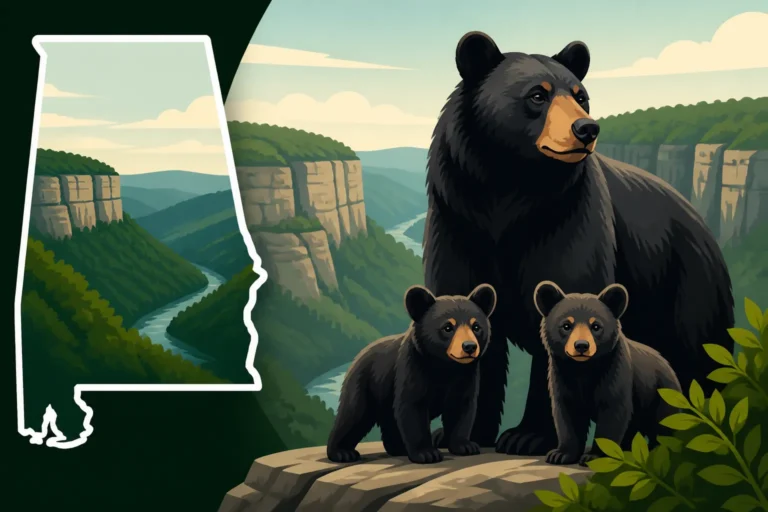
Shifting gears entirely, our second major black bear subpopulation resides in the rugged, mountainous terrain of northeastern Alabama, primarily centered around the Little River Canyon National Preserve in Cherokee and DeKalb counties. This is a dramatically different landscape from the delta swamps, characterized by deep gorges, steep forested ridges, and rocky outcroppings. The bears here are true mountain dwellers, navigating the challenging topography with ease and relying on the rich mast crops found in the hardwood forests.
The isolation provided by Little River Canyon's dramatic geology has been key to the survival and slow recovery of this population. The canyon walls themselves act as natural barriers, and the surrounding Talladega National Forest land, like the Shoal Creek District, provides vast tracts of unbroken habitat. Here, bears feast on acorns, hickory nuts, berries, and occasionally small mammals or insects, much like their counterparts in other Appalachian states. Hunters accustomed to traversing these ridges for deer or turkey often report bear sightings or fresh sign, a reminder of the wildness of this corner of Alabama. When you're scouting with a mapping application, perhaps using layers from a tool similar to GoHunt, you can easily identify the dense canopy and rugged contours that define this prime bear country.
While this population is smaller and perhaps more isolated than its southern cousin, it represents a crucial genetic link and a symbol of wild Alabama. Conservation efforts in this area focus on maintaining habitat connectivity and reducing human-bear conflicts, especially as development slowly encroaches on the fringes of their territory. Understanding that these two distinct populations exist is vital for anyone interested in Where Alabama Black Bears Are Recovering and the broader health of our state's wildlife. This population in the northeast is often called The Little River Canyon Bear Population and is a source of pride for those who cherish Alabama's natural diversity.
Transient Travelers and Beyond the Core
While the Mobile River Basin and Little River Canyon are our two established bear strongholds, it's important to remember that bears are intelligent, highly mobile animals. We often hear reports of individual bears venturing far outside these core areas, sometimes hundreds of miles, into counties where they haven't been seen in generations. These are usually young males, often two or three years old, striking out on their own to find new territory and potential mates. Think of it like a young hunter exploring new public land; they're looking for opportunities, and sometimes that means a long journey into unfamiliar territory.
These transient bears have been spotted everywhere from central Alabama counties like Chilton and Coosa to the western border near Mississippi. There have even been instances of Bears Moving Into North Alabama Suburbs, leading to some surprised residents and calls to wildlife officials. These sightings are usually solitary events and often involve a bear that is simply passing through, seeking new habitat, or following a food source. They rarely pose a direct threat to humans, but it's always wise to exercise caution and give them plenty of space. If you encounter a bear in an unexpected location, the best course of action is to make noise, appear large, and slowly back away. Never approach or feed a bear.
Understanding these wanderings is vital for a comprehensive view of bear distribution. While these areas aren't "where bears live today" in terms of established populations, they are places where bears can and do show up. As their core populations continue to grow, we can expect these exploratory movements to become more common. This makes understanding proper etiquette around bears and reporting sightings to the Alabama Wildlife and Freshwater Fisheries Division even more important. Hunters using digital scouting tools like GoHunt or onX Layers for Alabama Land Status to plan trips into less-trafficked public lands should be mindful that bear encounters, though rare, are always a possibility, especially during periods of high mast production when bears are actively foraging. Being prepared is always part of being a good steward of the land, whether you're deer hunting or just enjoying a hike.
Bear Behavior and Coexistence
Understanding where bears live isn't just about geography; it's also about understanding their habits and how we can coexist peacefully. Black bears are naturally shy and generally avoid people. Most encounters are brief, with the bear quickly retreating once it detects human presence. However, as human development expands and bears expand their range, interactions become more likely, making awareness paramount. Bears are highly opportunistic foragers, and they're always on the lookout for an easy meal. This means that unsecured food sources – like garbage cans, pet food left outside, bird feeders, or even backyard fruit trees – can become attractants.
For those of us who spend a lot of time in the woods, especially during deer season or when Scouting Alabama Public Land Before Season, recognizing bear sign can be an interesting part of the experience. Torn-apart logs, overturned rocks, claw marks on trees, and distinctive scat are all indicators that a bear has been in the area. While you might be focusing on Hunting the Rut in the Southern Zones or Hunting the Rut in the Northern Zones, it's a good practice to be generally aware of all wildlife moving through your hunting grounds. If you're camping, whether on a WMA or national forest land, practicing bear-safe food storage, like using bear-resistant containers or hanging food from a tree, is essential to prevent habituation. A habituated bear is a dangerous bear, not because it's naturally aggressive, but because it has learned to associate humans with food.
Ultimately, the story of black bears in Alabama is one of quiet recovery and growing awareness. We're fortunate to have these magnificent animals in our state, and their presence adds another layer of wildness and wonder to our outdoor experiences. By understanding Why Alabama Bears Stay Fully Protected and respecting their space and natural behaviors, we can all contribute to their continued success. Whether you're in the deep delta swamps or the rugged northern canyons, or just enjoying your backyard in a county where a transient bear might roam, a little knowledge goes a long way in ensuring a safe and harmonious coexistence.
| Subpopulation | Primary Region | Key Habitat Characteristics | Estimated Size | Specific Challenges |
|---|---|---|---|---|
| Mobile River Basin | Southwest Alabama (Delta) | River swamps, cypress/tupelo forests, bottomland hardwoods | Larger, more dense | Habitat fragmentation, road mortality |
| Little River Canyon | Northeast Alabama (Appalachian) | Deep gorges, steep ridges, mixed hardwood forests | Smaller, isolated | Habitat connectivity, human encroachment |
| Transient Individuals | Statewide, various counties | Seeking new territory, following food sources | Variable, solitary | Human-bear conflict, misconception, road mortality |
Disclaimer
This article is for general informational purposes only and does not constitute professional advice. Laws, prices and regulations vary by location and change over time. Consult a qualified professional for guidance on your specific situation.