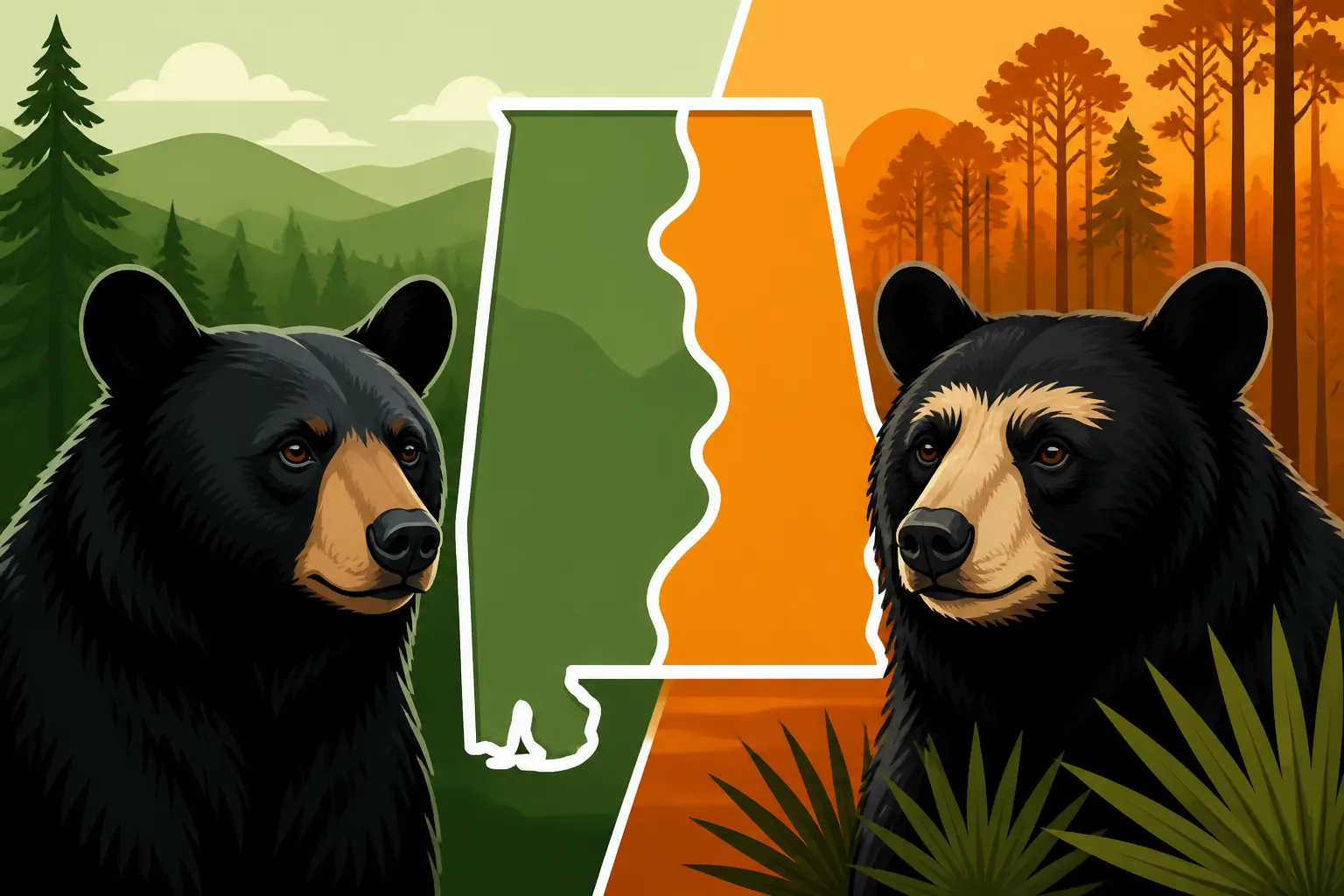
Alabama’s Two Bear Subpopulations
It can feel like a genuine mystery, can't it? You hear whispers about black bears roaming Alabama, but actually seeing one or understanding where they live feels like trying to find a needle in a haystack. The truth is, Alabama's black bear population is a conservation success story, but they're still incredibly elusive, existing in distinct pockets that most folks don't realize are there. This guide is here to pull back the curtain, exploring the two main subpopulations of black bears in our great state, so you can better appreciate these magnificent, wild residents and understand the specific challenges and triumphs tied to each group.
The Elusive Alabama Black Bear: A Whisper in the Woods
For many years, the thought of black bears in Alabama seemed more like folklore than fact. Our state isn't exactly renowned for its grizzlies or Kodiaks, and while we've always had black bears historically, their numbers dwindled dramatically over the centuries due to habitat loss and unregulated hunting. It’s easy to feel like you’re searching for a ghost when you think about these animals. Yet, against all odds, these incredible creatures are slowly, but surely, making a comeback in specific regions, a testament to both their resilience and dedicated conservation efforts.
A Species of Conservation Concern
It's a common misconception that because bears are recovering, they're everywhere, or even that hunting them is an option. Nothing could be further from the truth. Black bears in Alabama are currently listed as a species of highest conservation concern by the Alabama Wildlife and Freshwater Fisheries Division. This isn't just a label; it means their populations are still fragile and require active protection and management to ensure their long-term survival. Historically, widespread deforestation for agriculture and timber, coupled with uncontrolled hunting, pushed black bears to the brink of extirpation in our state. Imagine a time when vast tracts of wilderness were cleared, leaving these magnificent animals with nowhere to go. It's a sobering thought, and it underscores why understanding and protecting every bear, and every subpopulation, is so critical today. This intense focus is why you'll find that Why Alabama Protects Black Bears Statewide is a topic of utmost importance, reflecting a deep commitment to their survival.
Why They Are So Hard to Spot
If you’ve spent a lifetime hunting deer or turkeys in Alabama and never seen a bear, you’re not alone. Black bears are incredibly shy, secretive animals, and their natural instinct is to avoid humans whenever possible. They prefer dense, secluded habitats, often in vast wilderness areas with minimal human disturbance. Think deep swamps, remote mountain hollows, and extensive bottomland forests – places where most casual hikers or even hunters rarely tread for extended periods. Their nocturnal or crepuscular habits also mean they're most active during dawn and dusk, when most of us are either just heading out or heading home. Plus, their overall population, while recovering, is still relatively low compared to other states, which further reduces your chances of a serendipitous encounter. Even with tools like the mapping features on platforms like GoHunt, which can show you vast public land tracts, pinpointing a bear's exact location remains a formidable challenge. They blend into the landscape masterfully, moving with a quiet grace that belies their size.
The Mobile River Basin Subpopulation
When we talk about Alabama bears, one of the most significant groups calls the vast, intricate network of waterways and forests in the Mobile River Basin home. This is quintessential Deep South habitat, characterized by its unique challenges and incredible biodiversity. This is where some of the most consistent, long-standing populations have managed to cling on.
Heart of the Southern Bears
The Mobile River Basin subpopulation is often considered Alabama's true native bear stock. Their range primarily encompasses the sprawling delta systems of Southwest Alabama, including areas within Mobile, Baldwin, Washington, and Clarke counties. Think of the Mobile-Tensaw Delta – a labyrinth of cypress swamps, hardwood bottomlands, and marshy islands. This is prime bear country. These are not bears that recently wandered in; their ancestors have likely been here for millennia, adapting to the unique rhythm of the river and the delta’s seasonal flooding. This environment provides dense cover, abundant food sources like acorns, berries, and small animals, and relatively low human population density in its most remote corners. Understanding The Mobile River Basin Bear Population is crucial for appreciating the depth of Alabama's natural heritage and the unique ecological niche these bears fill.
However, life in the delta isn't without its extreme difficulties. Seasonal flooding can force bears to higher ground, sometimes bringing them closer to human settlements. The sheer density of vegetation, while offering excellent cover, can also make it challenging for researchers to monitor their movements and health. These bears are truly masters of their environment, navigating a watery world that would confound most other large mammals. They've learned to thrive in a landscape where land and water merge seamlessly, finding refuge and sustenance in its wild heart.
Challenges in the Delta
Despite the apparent abundance of wild spaces, the Mobile River Basin bears face significant pressures. Habitat fragmentation is a constant threat. As development creeps outward from cities like Mobile, roads cut through traditional bear corridors, and subdivisions replace natural forest. This not only reduces the overall amount of suitable habitat but also isolates bear populations, making it harder for them to disperse and find new mates, which can lead to genetic issues down the line. Human-bear conflicts, though still relatively rare compared to other states, do occur, especially when bears are pushed out of their typical range by flooding or food scarcity. These encounters can range from dumpster raids to more serious, though infrequent, conflicts with livestock.
Conservation efforts here focus heavily on preserving contiguous habitat blocks and educating the public on how to coexist peacefully. There are ongoing studies into their movement patterns and diet, helping biologists understand their needs better. It's a delicate balance of protecting the bears while also managing the needs of a growing human population, and it often involves partnerships with timber companies and private landowners to promote bear-friendly land management practices.
The Little River Canyon Subpopulation
Venturing north, a completely different landscape hosts Alabama’s second significant bear subpopulation: the rugged, Appalachian foothills of the northeast. These bears navigate steep terrain, rocky outcrops, and dense mixed pine-hardwood forests, a stark contrast to their delta cousins.
North Alabama's Mountain Bears
This subpopulation is concentrated primarily around the Little River Canyon National Preserve and the surrounding mountainous regions of DeKalb and Cherokee counties, extending into parts of Etowah and Calhoun. The habitat here is characterized by steep slopes, deep ravines carved by the Little River, and a mosaic of oak-hickory forests interspersed with pine stands. These bears are true mountain dwellers, adapting to a life of climbing and foraging in more upland environments. While their exact lineage is debated, many biologists believe these bears are part of a larger, more continuous population that extends from the Cumberland Plateau region of Tennessee and Georgia. The Little River Canyon Bear Population is a fascinating example of how a species can adapt to vastly different ecological niches within the same state.
The sheer ruggedness of this terrain provides excellent refuge from human disturbance, and the rich mast crops from oak and hickory trees offer a vital food source. It's not uncommon for these bears to utilize rock shelters and caves for dens, a behavior less frequently observed in the low-lying delta. This northern population is often seen as a sign of potential recolonization, as bears from neighboring states slowly expand their range into suitable Alabama habitat.
The Interstate Connection
A major geographic feature influencing this subpopulation is Interstate 59. While it provides a critical transportation corridor for humans, for wildlife, it can act as a significant barrier. Large highways pose a considerable challenge for bears attempting to disperse, potentially limiting genetic exchange between the Little River Canyon bears and their counterparts in other states, or any smaller, isolated pockets within North Alabama. Bears are incredibly smart and adaptable, but the risk of vehicle collisions when crossing major interstates is immense.
Conservationists monitor highway crossings and look for ways to mitigate this impact, potentially through wildlife corridors or underpasses, though such large-scale projects are complex and costly. The hope is that as populations grow, bears will find ways to navigate these human-made obstacles, further strengthening their presence in our northern counties. Programs like those offered by Alabama Wildlife and Freshwater Fisheries, which leverage technology like the GoHunt app to track and map wildlife observations, are invaluable in understanding these movement patterns and identifying critical crossing points.
Unpacking Their Differences and Similarities
It's easy to look at the Mobile River Basin and Little River Canyon bears as two entirely separate entities, given their distinct geographies. However, understanding their shared biology and the implications of their separation is key to a holistic view of black bear conservation in Alabama.
Distinct Habitats, Shared Biology
At their core, both subpopulations are Ursus americanus, the American black bear. They share the same fundamental biology, diet, and behavior patterns. Whether they’re foraging for acorns in a delta bottomland or digging for grubs on a mountain ridge, their basic needs for food, water, cover, and denning sites remain consistent. Their physical appearance, while potentially showing slight variations due to local diet or environmental factors, is largely identical. Both groups are opportunistic omnivores, feeding on a wide variety of plants, insects, and small mammals, with their diets shifting seasonally based on availability.
The primary difference, then, lies in their immediate environment and the specific adaptations they've developed to thrive within it. Delta bears might be more accustomed to navigating wetlands, while mountain bears are adept at traversing steep, rocky terrain. These aren't genetic distinctions that make them different species, but rather behavioral and physical adaptations within the same species, honed by generations living in specific conditions. Think of it like humans living in different parts of Alabama – we might have different accents or favorite foods, but we're all still Alabamians.
Genetic Flow and Isolation
The geographic separation of these two main populations raises important questions about genetic diversity and long-term viability. When populations are isolated by large distances, highways, or unsuitable habitat, the flow of genes between them diminishes. This can lead to reduced genetic diversity within each subpopulation, making them potentially more vulnerable to diseases or less adaptable to environmental changes. For example, if a severe illness like mange were to spread through one isolated group, it could have a devastating impact, as covered in topics like Reporting a Sick Animal in Alabama.
Biologists study genetic markers to understand the connectivity (or lack thereof) between these groups, and with populations in neighboring states like Florida and Georgia. The dream for conservationists is to eventually see corridors of suitable habitat that would allow for natural movement and genetic exchange, strengthening the overall health of the species in the Southeast. While it’s unlikely the Mobile River Basin bears and Little River Canyon bears will be high-fiving across the state anytime soon, understanding their genetic relationship helps shape long-term conservation strategies.
Conservation Efforts and Future Outlook
The story of Alabama's black bears is one of cautious optimism, driven by dedicated conservation efforts and a growing public awareness. It's a slow process, but the commitment to these magnificent animals is strong. The recovery of Alabama's Recovering Black Bear Population is a prime example of successful wildlife management.
Protecting a Recovering Population
The Alabama Wildlife and Freshwater Fisheries Division plays a pivotal role in monitoring and managing our black bear populations. Their work includes conducting surveys, tracking bear movements through tagging and radio collars, and analyzing scat and hair samples to gather genetic data. These research efforts help biologists understand population dynamics, habitat use, reproductive rates, and overall health. The goal isn't just to count bears, but to understand what they need to thrive and how human activities impact them. This proactive approach helps predict potential issues before they become crises, ensuring the bears have the best possible chance to continue their comeback.
Public education is also a huge component. Teaching residents about bear behavior, how to avoid conflicts, and the importance of reporting sightings helps foster coexistence. Without public support, conservation efforts would be significantly more challenging. It's a collective responsibility to ensure these animals remain a part of Alabama's wild heritage.
Coexisting with Bears
The increasing presence of bears, particularly in North Alabama, means there's a greater chance of encounters, even in areas closer to human habitation. This is where topics like Bears Moving Into North Alabama Suburbs become incredibly relevant. It’s important to remember that most conflicts arise when bears associate humans with food. This means securing trash, not leaving pet food outside, cleaning grills, and removing bird feeders when bears are active. Simple steps can prevent a bear from becoming habituated to human food sources, which often leads to unfortunate outcomes for the bear.
For hunters and outdoor enthusiasts, knowing what to do if you encounter a bear is vital. The general rule is to make noise, make yourself look big, and slowly back away. Never run. Keep dogs on a leash, especially in known bear country. Awareness and preparedness are your best tools for a safe and respectful encounter. Even when using a tool like GoHunt to scout remote areas, being bear-aware is crucial for your safety and theirs. A great resource to learn more is What to Do If You See an Alabama Black Bear.
How to Report a Bear Sighting or Incident
Your observations in the field are incredibly valuable to wildlife biologists. Every reported sighting, especially if it includes details like location, time, and behavior, contributes to a larger understanding of Alabama's bear populations.
Contributing to Bear Research
If you’re lucky enough to spot a black bear in Alabama, or if you find evidence of their presence (tracks, scat, claw marks on trees), reporting it to the Alabama Wildlife and Freshwater Fisheries Division is extremely helpful. This citizen science data supplements the more intensive research efforts and helps build a more comprehensive picture of bear distribution and movement. The more data they have, the better equipped biologists are to make informed management decisions. Even a blurry phone photo can be valuable if it helps confirm a sighting in a particular area.
The process is usually straightforward, often involving an online form or a phone call to your local wildlife office. Providing as much detail as possible – the exact location (GPS coordinates are best!), what the bear was doing, its size, and any unique markings – can make your report incredibly useful. This collective effort is how we truly understand How Many Black Bears Alabama Has and where they are expanding their range.
Safety First
While reporting is important, your safety is paramount. If you encounter a bear, especially one that seems habituated or aggressive, prioritize your safety first. If a bear is causing property damage, posing a threat to people, or appears sick or injured, it’s imperative to contact ADCNR immediately. They have trained personnel who can assess the situation and intervene appropriately. Understanding the potential consequences for both humans and bears is critical, and it’s why knowing What Happens If You Shoot an Alabama Bear without justification is so important. Bears are protected, and any incident resulting in harm to a bear needs to be handled by authorities. This also applies to situations where you might need to know about Alabama Wildlife Violation Penalties if regulations are not followed.
If you suspect a bear is sick, perhaps showing signs of lethargy, uncoordinated movement, or unusual aggression, remember that intervening yourself is never a good idea. Instead, contact the authorities immediately. You can find information on how to handle such situations by looking at resources like Reporting a Sick Animal in Alabama. The ADCNR will be able to dispatch professionals who can safely evaluate and manage the situation.
Conclusion: A Wild Legacy Worth Protecting
The presence of two distinct black bear subpopulations in Alabama is a powerful reminder of our state's rich and diverse natural heritage. From the murky swamps of the Mobile River Basin to the rugged ridges of Little River Canyon, these magnificent animals are slowly reclaiming their place in Alabama’s wild landscape. Their journey is far from over, and it requires ongoing vigilance, research, and public support. By understanding their unique habitats, the challenges they face, and how we can best coexist, we ensure that the whisper of a black bear in the Alabama woods continues to be a living, breathing reality for generations to come. It’s a testament to what we can achieve when we commit to conservation, proving that even in the face of historical decline, nature can, with our help, rebound and thrive.
Disclaimer
This guide is intended for informational purposes only and does not supersede official regulations set forth by the Alabama Department of Conservation and Natural Resources (ADCNR) or any other governing wildlife agencies. Always consult the latest hunting and wildlife regulations before engaging in any outdoor activities in Alabama. Wildlife laws and seasons can change, so staying informed is crucial for responsible outdoor recreation.