Hunting the Rut in the Northern Zones
If you've ever felt like you're missing the boat on big buck activity in North Alabama, you're not alone. The deer rut, that magical period of peak breeding activity, doesn't hit the entire state at the same time, and understanding the nuances of the northern zones can make or break your season. This guide is all about peeling back the layers on the northern Alabama rut, offering proven strategies to put you in the right place at the right time for those elusive mature bucks.
Understanding the Northern Zone Rut Timing
The first, and often most frustrating, hurdle for many hunters is nailing down exactly when the rut kicks in up north. Unlike some of the later-peaking southern zones, Northern Alabama typically experiences an earlier, more compressed breeding period. This isn't just a slight shift; it fundamentally changes how you should be planning your hunts.
Peak Rut Windows and Variability
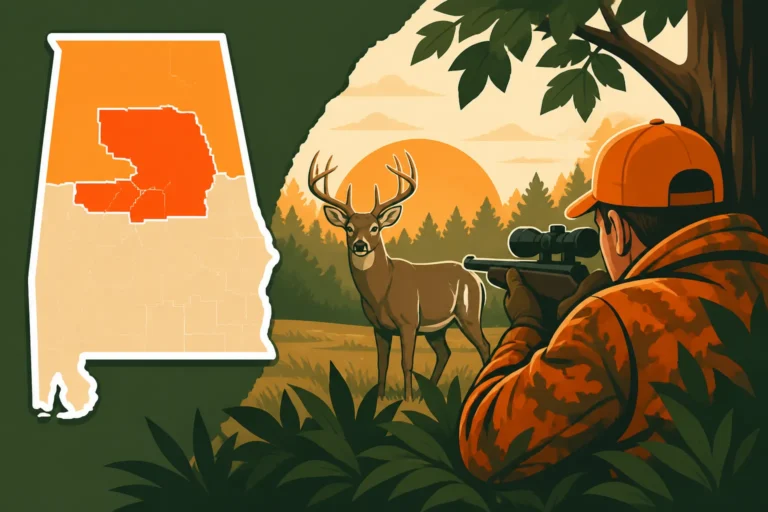
In Alabama's Northern Zones, which generally encompass areas like Zones A and B, you're looking at a rut that typically peaks in mid-December. Now, when I say "peaks," I'm talking about the bulk of the breeding activity, when does are truly receptive and bucks are at their most frantic. This is a crucial distinction, because you'll start seeing some rut activity – scrapes, rubs, and bucks chasing – a couple of weeks prior, in late November and early December. This earlier movement is the "pre-rut," and it's a prime time to be in the woods, even if the does aren't fully ready yet.
However, it's not a hard-and-fast date written in stone. Several factors can cause slight variations year to year, or even within different pockets of the northern zones. Things like acorn crops, localized deer densities, and even significant weather shifts can influence when does come into estrus. For example, a widespread mast failure might lead deer to concentrate more heavily around alternative food sources, making rutting activity more visible in those specific areas. It’s a delicate balance, and experienced hunters know that flexibility and observation are key. Using resources like the Outdoor Alabama app or even general hunting forecast tools like those found on platforms like GoHunt can help you track these subtle shifts and narrow down your focus each season. Don't just pick a date and stick to it; pay attention to the signs on the ground. For a broader view, you might want to look into Alabama Deer Season Structure Explained and Alabama's Five Deer Zones to understand how these zones are officially defined.
Pre-Rut vs. Seeking Phase Behavior
The transition from pre-rut to the seeking and chasing phases is critical to recognize. During the pre-rut, roughly late November to early December, bucks are already feeling the urge. They'll be making scrapes and rubs, starting to check does, and covering a lot of ground. You might see younger bucks already pestering does, but the mature deer are often still somewhat nocturnal or moving cautiously. This is when they're "seeking" – actively looking for the first does coming into estrus. It's a fantastic time for still-hunting and setting up on travel corridors between feeding and bedding areas, as bucks are ranging far and wide.
Once the peak "chasing" phase hits in mid-December, it's a completely different ball game. Bucks become less predictable, often running does relentlessly. This can make them seem invisible one minute and then suddenly appear out of nowhere. You might see does running through thick cover with a buck hot on their heels, sometimes even in broad daylight in areas you wouldn't expect. The seeking phase often sees bucks traveling traditional routes, but once they lock onto a hot doe, all bets are off. Understanding Hunting the Rut in the Northern Zones requires you to adapt your strategy from ambushing to intercepting, knowing that the action can erupt anywhere.
Effective Rut Hunting Strategies for Northern Alabama
Hunting the rut successfully in Northern Alabama means being adaptable, aggressive, and often, patient. The deer's behavior is dictated by biology, and if you can anticipate those instincts, you're halfway there.
Stand Placement for Active Travel Corridors
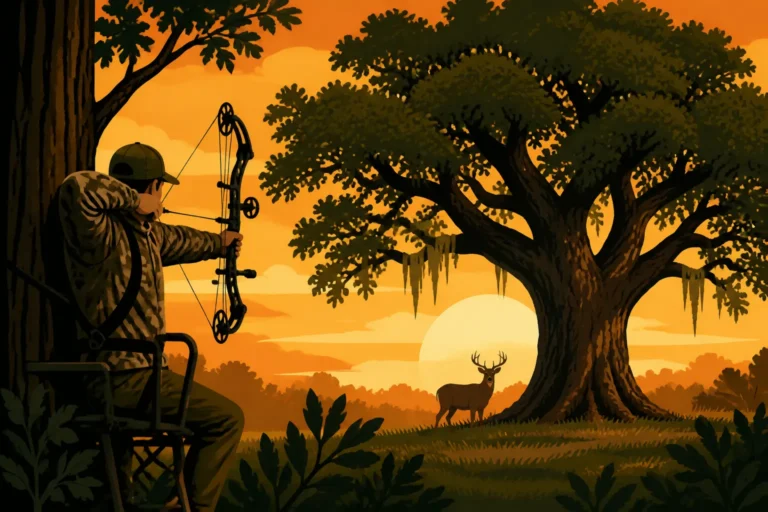
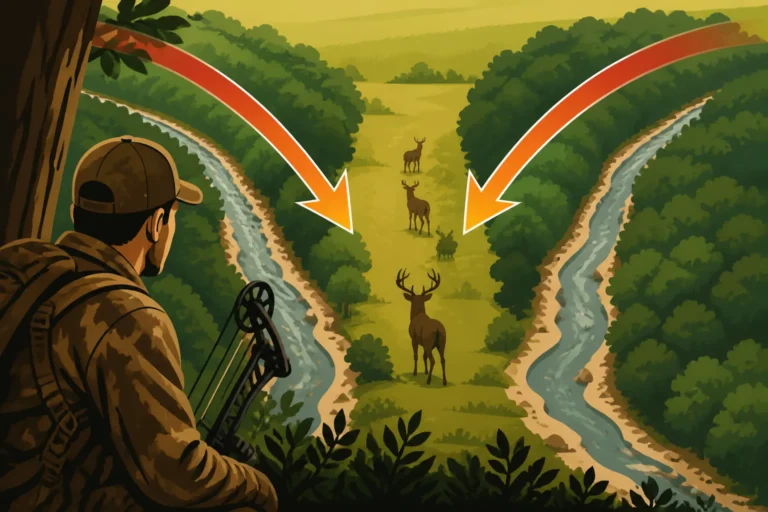
During the rut, bucks are essentially on patrol, constantly moving to scent check does. This means focusing your stand placement on natural travel corridors becomes paramount. Think about bottlenecks: saddles in ridges, points of timber that extend into open fields, creek bottoms that provide cover, or even dense fencerows that connect woodlots. Bucks will use these routes to move from one bedding area to another, or from bedding to feeding, always with an eye (and a nose) out for receptive does.
One of my favorite tactics is to find areas where two or more terrain features converge. For instance, a small creek bottom intersecting a ridge. Bucks will often travel the path of least resistance, and if that path offers cover and connects to areas where does might be, it's a gold mine. For those hunting in the mountains and hills of North Alabama, understanding how to read the terrain is crucial. Consider how bucks might move along a ridge line, especially if it offers visibility or thermal advantages. You'll want to be set up quietly and early, ready for those unpredictable mid-day movements that are so common during the peak rut. Check out Reading a Ridge for North Alabama Deer for more insights on deciphering these subtle terrain features.
Calling and Decoying Tactics
When bucks are actively seeking and chasing, they are far more susceptible to calling and decoying than at any other time of year. Grunt calls can be incredibly effective, especially when paired with rattling. A short, aggressive grunt can stop a buck in his tracks or pique his curiosity, especially if he thinks another buck is moving in on a potential doe. Even better, a series of aggressive grunts and rattling can convince a cruising buck that there's a fight going on, and he might come to investigate, looking for an opportunity to steal a doe or challenge the dominant buck. For tips on making the right sounds, consider exploring Grunt Calls in Mature Alabama Timber and Rattling Volume in Thick Pine Cover.
Decoys can also play a huge role, particularly a single doe decoy or a small buck decoy. Placing a doe decoy in an open area, facing away from your stand, can draw in a curious buck who thinks he's found a lone doe. If you add a small buck decoy, position it so it looks like it's trying to breed the doe, which can infuriate a dominant buck into coming in to investigate or fight. Just remember, once you commit to a decoy setup, scent control is even more vital, as deer will often circle downwind to get a better read on the "intruder." Many hunters also find that digital mapping tools like GoHunt can help visualize optimal decoy placement in relation to terrain and wind direction.
Still-Hunting and Mobile Strategies
While sitting in a stand is a classic rut strategy, don't underestimate the power of being mobile. Still-hunting, which involves moving very slowly and deliberately through the woods, stopping frequently to observe, listen, and glass, can be incredibly productive during the rut. Bucks are often on the move, and by covering ground yourself, you increase your chances of intercepting one. This is especially effective in thicker cover where traditional stand hunting might limit your visibility.
When still-hunting, always move into the wind or crosswind, pausing for several minutes every 20-30 yards. Use your binoculars constantly, scanning ahead and to the sides for any flick of an ear, horizontal lines of a deer's back, or the subtle glint of antlers. This strategy requires immense discipline and stealth, but it allows you to adapt to where the deer are actively moving today. Combine this with knowing likely bedding areas and connecting corridors, and you can effectively "hunt" through these zones, taking advantage of the increased daytime activity. Sometimes, especially on public land, this mobility is key to finding ground others walk past.
Key Gear and Scouting for Northern Zone Rut Success
Success during the rut isn't just about strategy; it's also about preparation and having the right tools for the job. From your clothing to your pre-season homework, every detail can tip the scales in your favor.
Essential Equipment for Rut Hunting
Beyond your weapon of choice, a few pieces of gear become absolutely critical during the northern Alabama rut. First and foremost, good optics are non-negotiable. Whether it's high-quality binoculars or a spotting scope, being able to glass distant cover and spot subtle movement can save you hours of sitting in the wrong place. Remember, bucks are often just glimpses during the rut, and clear optics help you confirm what you're seeing.
Scent control is another paramount concern. Rutting bucks are using their noses constantly, so minimizing your human odor is vital. This means scent-free clothing, sprays, and strict attention to wind direction. Even small details, like keeping your hunting boots separate from your regular shoes, can make a difference. Lastly, consider comfortable, layered clothing. Early December mornings can be crisp, but chasing bucks can work up a sweat. Being able to adjust your layers to stay comfortable and quiet is crucial for long, productive sits. Don't forget a sturdy treestand or a reliable ground blind if you plan on extended vigils. For those interested in Using a Ground Blind on Alabama Public Land, comfort is key.
Here's a quick overview of key gear considerations:
| Gear Category | Essential Items | Rut Specific Considerations |
|---|---|---|
| Optics | Binoculars (10×42 minimum) | Spotting distant movement, identifying subtle antler tips. |
| Scent Control | Scent-free laundry detergent, sprays | Critical for fooling nose-driven rutting bucks. |
| Calls | Grunt call, rattling antlers/bag | Attracting curious or aggressive bucks. |
| Decoy (Optional) | Doe or small buck decoy | Provoking a response from visual bucks. |
| Clothing | Layered, quiet, blaze orange | Adaptable for varying temperatures, stealth, legal requirements. |
| Mapping/GPS | Handheld GPS, phone app (e.g., GoHunt) | Marking sign, stand locations, navigation, property lines. |
| Treestand/Blind | Comfortable, quiet, secure | Long sits, concealment. |
Pre-Season Scouting and In-Season Adaptations
You can't just show up to the woods in December and expect to be successful without some homework. Pre-season scouting is foundational, even if the deer behavior shifts during the rut. Look for historical travel routes, bedding areas, and perennial food sources. Identify pinch points and funnels that bucks might use when does start moving. Learning Scouting Alabama Public Land Before Season can give you a massive edge. Knowing the lay of the land, understanding where the deer generally like to be, will give you a baseline.
Once the season starts and the rut approaches, your scouting becomes "in-season adaptation." This means constantly observing fresh sign. Look for newly opened scrapes along logging roads or field edges, fresh rubs on saplings, and most importantly, buck sign in areas where does are congregating. If you notice a sudden increase in fresh rubs along a specific creek bottom, that's a clue. If a specific food plot is suddenly seeing a lot more doe traffic, expect bucks to follow. Don't be afraid to move your stand if the sign isn't fresh or if you're not seeing the activity you expect. The rut is dynamic, and your hunting strategy needs to be too. Platforms like GoHunt, with their extensive mapping features, allow you to drop pins on fresh sign and analyze potential patterns in real-time, aiding in those crucial in-season adjustments.
Navigating Challenges and Maximizing Your Chances
Hunting the rut is often exhilarating, but it's not without its hurdles. Understanding these challenges and having strategies to overcome them will keep you focused and increase your odds of success.
Dealing with Hunting Pressure
Northern Alabama, especially its public lands, can see significant hunting pressure, particularly during the peak of deer season when the rut is on. This pressure can make deer, especially mature bucks, nocturnal or push them into the thickest, nastiest cover they can find. It’s a real frustration for many hunters, seeing endless trucks parked at the access points.
To counteract this, you've got to be willing to work harder and think differently. Don't be afraid to walk further than most hunters. Often, the best rutting action is found a mile or two back from the road, where few people are willing to go. Look for difficult-to-access areas like steep ridges, swamps, or dense clear-cuts. Deer will often retreat to these sanctuaries. Also, consider hunting during the week if your schedule allows, as weekends typically see the highest pressure. Sometimes, simply altering your entry and exit routes to be less detectable can make a huge difference. For more insights on this, you might find value in reading about Hunting Pressure on Alabama Public Land. You'd be surprised how often a little extra effort translates into finding undisturbed pockets of rutting activity.
Post-Front and Weather Considerations
Weather plays an enormous role in deer movement, and during the rut, it can either amplify or dampen the action. Cold fronts, especially those that bring a significant drop in temperature and clear skies, often kick deer activity into overdrive. Bucks that might have been laying low during warm, stagnant weather will often become much more active immediately after a cold front passes. It's almost as if they know they have a limited window of favorable conditions to find does. This is a prime time to be in your stand from dawn till dusk. If you've got time off, prioritize those post-front days, even if it means bundling up extra tight. Understanding Hunting Deer After a Cold Front can really help you plan.
Conversely, warm, rainy, or windy days can slow down rutting activity. Deer become less active, spending more time bedded down. While you can still kill a rutting buck on a bad weather day, your chances typically decrease. On these tougher days, focus on areas with dense cover and shorter travel routes, as deer might not be willing to venture far. Sometimes a mid-day rain can actually work in your favor by washing away human scent and getting deer moving later in the day, so don't give up entirely! Flexibility with your schedule and monitoring weather forecasts closely are key to maximizing your time in the woods during this exciting, but often challenging, period. Don't forget to maintain your Alabama Deer Camp Traditions and enjoy the process, no matter the weather.
Navigating Alabama's Antler Regulations During the Rut
While your focus during the rut will naturally be on finding that big buck, it's crucial to stay compliant with Alabama's specific antler regulations, particularly concerning antlered-only windows and specific zone rules. During the peak rut, you'll see a lot of deer, and knowing when you can take an antlerless deer versus when you're limited to antlered bucks is vital.
Alabama's deer zones each have specific dates for antlered and antlerless deer harvests. In the Northern Zones, especially on public lands, there are often "antlered-only" windows that can coincide with the early or mid-rut. This means that even if you see a beautiful, healthy doe, you might not be legally able to harvest her if it falls outside the designated antlerless harvest days. Always double-check the current hunting season dates and regulations for your specific zone and county before you head out. Missing out on a great shot because you didn't know the rules would be a real bummer, and more importantly, it's a violation. Being familiar with Alabama Public Land Antlered-Only Windows is essential.
Furthermore, remember Alabama's three-buck season limit, which applies statewide. This means you can harvest a maximum of three antlered bucks per season. While the thrill of the rut can make you excited, it's important to manage your tags wisely, especially if you're holding out for a true trophy. Always use the Game Check system to report your harvest promptly; it's mandatory and helps biologists manage the herd effectively.
Disclaimer
Always consult the official Alabama Department of Conservation and Natural Resources (ADCNR) regulations for the most current and accurate hunting laws, seasons, and bag limits. Hunting regulations can change, and it is the hunter's responsibility to be fully informed and compliant.