Alabama Zone 1 Youth Turkey Weekend
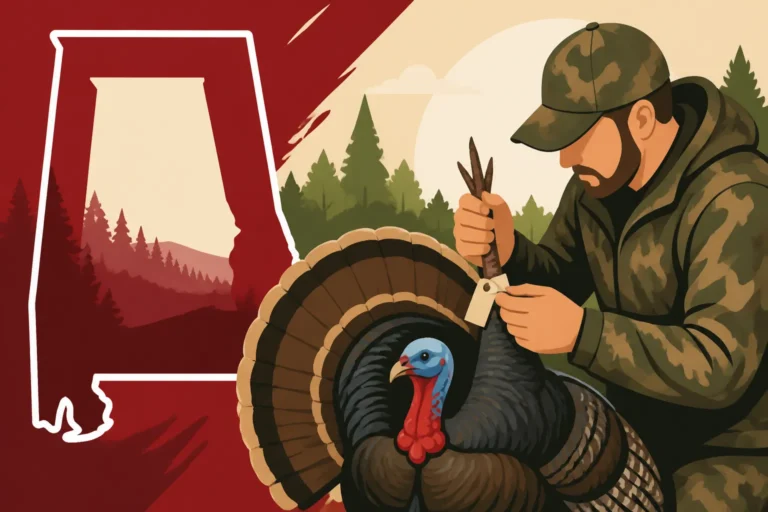
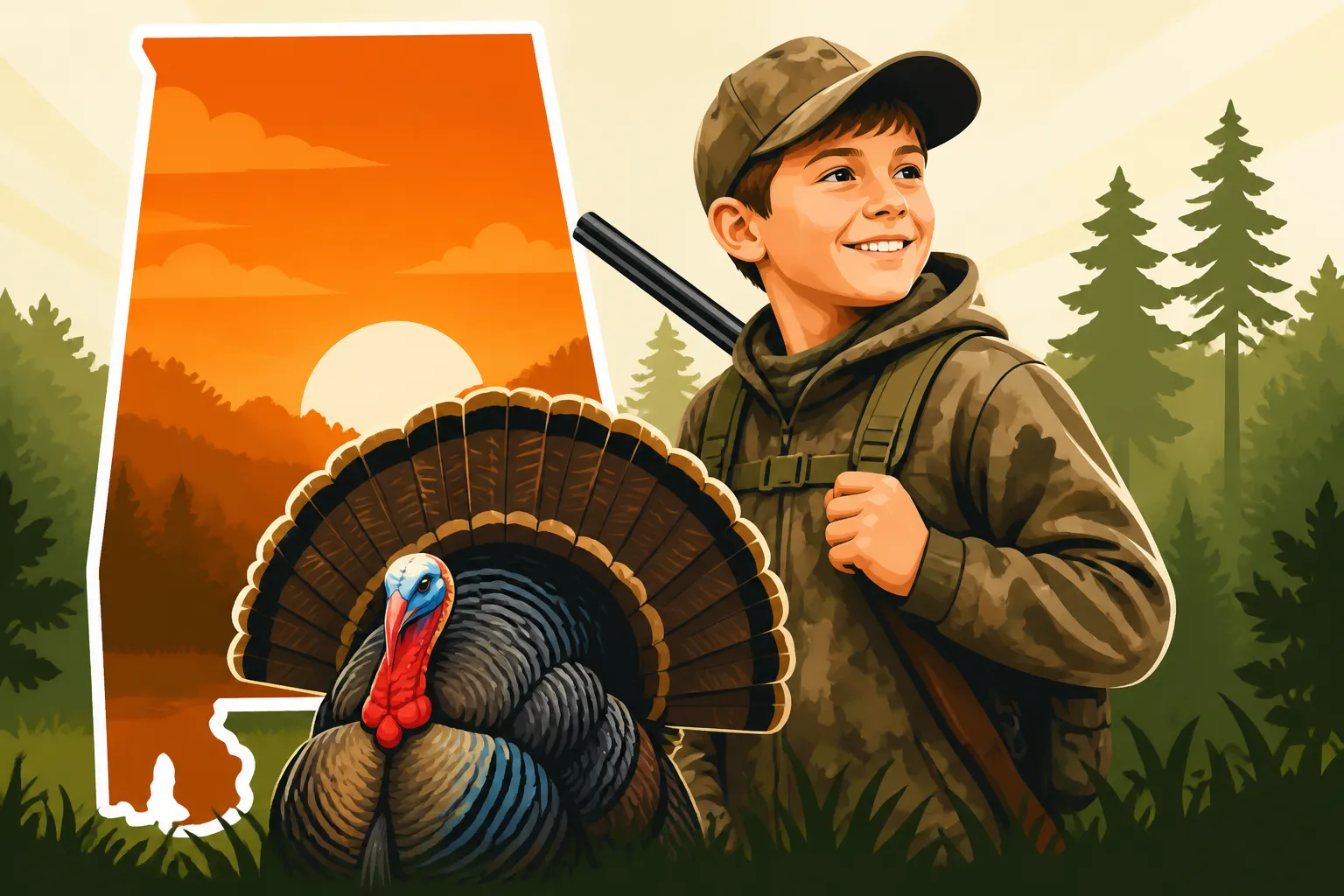
There's nothing quite like introducing a young hunter to the thrill of a spring turkey hunt, and Alabama's Zone 1 Youth Turkey Weekend offers an incredible opportunity to make those memories before the full season crowds arrive. It's a special time designed to give youth hunters a dedicated shot at a gobbler, fostering a love for the outdoors and conservation in a supportive environment. This guide is all about helping you understand the specifics of this exciting weekend, from dates and regulations to making sure it’s a safe and unforgettable experience for your young hunter.
Navigating the Alabama Zone 1 Youth Turkey Weekend Dates and Regulations
The anticipation leading up to Alabama's turkey season is palpable, but for mentors and their young charges in Zone 1, that excitement kicks off a little earlier with the dedicated youth weekend. This period is specifically carved out to allow hunters aged 15 and younger to pursue wild turkeys, often before the general season begins for adults. This head start provides a unique opportunity, potentially with less competition and more focused attention on the youth hunter. However, it's absolutely crucial to know the specific dates and adhere strictly to the regulations, which can shift slightly year to year.
Pinpointing the Annual Dates for Zone 1 Youth Hunt
Alabama is divided into distinct turkey zones, and Zone 1 is typically one of the earliest to open for both youth and regular seasons. The specific dates for the youth turkey weekend are announced annually by the Alabama Department of Conservation and Natural Resources (ADCNR). These dates are always clearly published in the annual hunting digest, available both online through the Outdoor Alabama website and in print at license vendors. You can also find detailed information on the full season calendar by looking into the Alabama Zone 1 Spring Turkey Opening Day details. It’s not just about remembering the month; it’s about knowing the exact Friday, Saturday, and Sunday (often a two-day weekend, sometimes including a Friday school holiday for more flexibility) to ensure your plans align with legal hunting days.
For example, if you live in a county that falls within Zone 1, you’ll want to be checking the Outdoor Alabama digest as soon as it's released, usually in late summer or early fall the year prior. Sometimes, these dates fall around school breaks, making it even more convenient for families. Confirming these dates well in advance allows ample time for scouting, gear preparation, and clearing your calendar to dedicate that precious time to your young hunter. Don't rely on last year's calendar; always double-check the current digest to avoid any unfortunate misunderstandings in the field.
Understanding License Requirements and Bag Limits for Youth
Even though it's a youth hunt, proper licensing is still a cornerstone of legal participation. Generally, resident youth hunters under the age of 16 are exempt from needing a hunting license in Alabama. However, if they are 16 or older, or a non-resident, they will need the appropriate licenses. This often includes a hunting license and a Harvest Information Program (HIP) certification if they plan to hunt migratory birds (though turkeys are resident game, HIP is good practice for any future bird hunts). You can learn more about general requirements in our guide on Alabama Hunter Education Requirements and also specific details about Alabama Mentored Youth Hunting Rules.
The bag limit for the youth turkey weekend in Zone 1 mirrors the regular season limits. In Alabama, the standard limit is generally one gobbler per day, with a maximum of four gobblers for the entire spring season statewide, but importantly, this can vary by zone and year. For Zone 1 youth hunters, the focus will be on that one bird per day during their weekend. Always confirm the current Alabama Turkey Bag Limit Rules in the official digest. Remember, a gobbler must be harvested and reported correctly through the Game Check system, just like adult hunters are required to do. Teaching this responsible reporting from day one is part of the overall ethical hunting experience.
Essential Preparations for a Successful Youth Turkey Hunt
A successful youth turkey hunt isn't just about pulling the trigger; it's about the entire journey of preparation, learning, and shared experience. From understanding the terrain to mastering basic calls, every step adds to the excitement and the chance of bagging that first gobbler. These preparations instill valuable outdoor skills and help build confidence in young hunters.
Scouting and Locating Turkeys in Zone 1
Effective scouting is arguably the most critical component of any turkey hunt, especially when you're trying to give a young hunter the best chance. Before the youth weekend, you and your mentee should spend time in the woods. This isn't just about finding turkeys; it's about familiarizing the youth with the environment. Zone 1 often covers areas with diverse habitats, from mature hardwood ridges to pine plantations and creek bottoms. Apps like GoHunt are incredibly useful for this, allowing you to mark potential roosting areas, strut zones, and travel corridors on your phone or tablet. You can mark specific "gobbler trees" if you know them from previous seasons or locate new ones by listening for pre-season gobbling activity.
Look for fresh turkey sign: tracks in soft dirt or mud, droppings (larger and J-shaped for gobblers), and wingtip drag marks in open fields where turkeys strut. Listening for gobblers from various points before opening morning can give you a huge advantage. Knowing where turkeys are roosting can inform your early morning setup, positioning you and your young hunter to hear a gobble off the limb. Remember, these initial scouting trips are also perfect opportunities to teach patience and observation, two of the most valuable traits a hunter can possess.
Gear Preparation and Patterning the Shotgun
Having the right gear is essential, but it doesn't have to be expensive or excessive. For a youth hunter, comfort and fit are paramount. A youth-model shotgun, typically a 20-gauge, is highly recommended due to its lighter weight and reduced recoil. Before the hunt, take your young hunter to the range to pattern their shotgun with the specific turkey loads they’ll be using. This means shooting at a turkey head target at various realistic hunting distances (e.g., 20, 30, 40 yards) to see how the choke and load perform. This exercise builds confidence and helps the youth understand their effective range, preventing poor shots in the field.
Beyond the shotgun, camouflage is important for blending in. A comfortable ground blind can be a game-changer, especially for younger hunters who might struggle to sit perfectly still for long periods. A good turkey vest with plenty of pockets for calls, shells, water, and snacks will keep everything organized. Don't forget bug spray, especially in Alabama, and a comfortable seat cushion. GoHunt’s gear lists or product reviews can sometimes offer insights into what other hunters find effective. Consider practicing Calling an Alabama Gobbler Off the Roost and working on different calls, like box calls, pot calls, and mouth diaphragms, with your young hunter. Even if the adult does most of the calling, understanding what's happening adds to the youth's engagement.
Mentorship and Safety: The Core of the Youth Hunting Experience
The youth turkey weekend isn't just a chance to harvest a bird; it's a foundational experience for building responsible, ethical, and safe hunters. Your role as a mentor goes far beyond simply guiding them to a turkey. It's about teaching, sharing, and instilling values that will last a lifetime.
Emphasizing Hunter Education and Ethics
Before stepping into the woods, ensure your young hunter has completed their hunter education course. This is often a legal requirement and provides crucial knowledge about firearm safety, wildlife identification, ethics, and conservation. Even if they've completed the course, a refresher on the "four rules of gun safety" (Treat every gun as if it's loaded, always point the muzzle in a safe direction, keep your finger off the trigger until ready to shoot, and be sure of your target and what's beyond it) is always a good idea. Discussing hunting ethics goes hand-in-hand with education. Talk about fair chase, respecting wildlife, and the importance of a clean harvest.
A real-life scenario might involve discussing why you wouldn't shoot a jake that's just barely legal if you know there are mature gobblers in the area, or why you wouldn't shoot a turkey standing too far away, risking a wounded bird. These conversations build character and help the youth understand the responsibility that comes with hunting. You're not just teaching them to hunt; you're teaching them to be good stewards of the land and its wildlife. This is where Alabama Hunter Education Requirements become more than just a hurdle, but a genuine learning opportunity.
Prioritizing Safe Hunting Practices in the Field
Safety must be the absolute top priority. This means more than just gun safety. It includes proper scouting for safe setups, clear communication in the field, and knowing your surroundings. When you're ready to set up, especially if using a ground blind, ensure you have a safe backdrop. Positioning yourselves with a wide, clear field of view, and against a large tree that can stop a stray pellet, is ideal. Our article on Setting Up Against a Big Oak has great tips for this. Always carry a fully charged phone, a first-aid kit, and let someone know where you’re hunting and when you expect to return.
During the hunt, establish clear rules for what constitutes a safe shot and who makes the final decision. For many youth hunts, the mentor will identify the target and give the "okay" to shoot. Remind the youth to identify their target clearly (gobbler vs. hen, beard vs. no beard) and be absolutely sure of what's beyond it before taking any shot. Wearing blaze orange into and out of the woods is also a crucial safety measure, though it's often removed once you're set up for turkey hunting to maintain camouflage. Even during the youth weekend, other hunters could be in the woods, so vigilance is key.
Beyond the Dates: What Makes the Youth Hunt Unique
The Alabama Zone 1 Youth Turkey Weekend isn't just a mini-season; it's a specially curated experience designed to give young hunters an advantage and a stronger connection to the sport. Understanding these nuances can help mentors maximize the educational and memorable aspects of the trip.
Comparing Youth Season to the Regular Spring Season
The most obvious difference is the timing: the youth season precedes the general opening day, sometimes by a full week or more, depending on the zone. This early window offers a few potential advantages. Firstly, there might be less hunting pressure. While dedicated mentors will still be out, the sheer volume of hunters is usually lower than on the general opener. This can translate to less competition for prime spots and possibly more responsive birds. Secondly, the turkeys haven't been "educated" yet by calls and hunting pressure, meaning they might be more willing to come into a setup.
However, the weather can be a wildcard. Early spring in Alabama can still bring unpredictable cold fronts, affecting turkey activity. The primary difference for the youth hunter, though, is the focused attention. This isn't about the adult hunter trying to get their bird; it's entirely about the youth. This changes the dynamic significantly, shifting the focus from personal harvest to mentorship. You can find more specific rules regarding how this compares to the general season in our piece on Alabama Legal Turkey Hunting Hours.
Here’s a quick overview of some key differences:
| Feature | Alabama Zone 1 Youth Turkey Weekend | Alabama Zone 1 Regular Spring Turkey Season |
|---|---|---|
| Dates | Precedes regular season, typically 2-3 days | Follows youth season, lasts several weeks |
| Hunter Age | 15 years and younger | All legal hunters |
| Mentorship | Required for youth < 16, highly encouraged | Optional |
| Pressure | Generally lower, but can vary | Higher, especially on public land opening days |
| Bird Responsiveness | Potentially higher, less "call-shy" birds | Birds may become more wary as season progresses |
| Bag Limit | Same as regular (1 gobbler/day, max 4/season) | Same (1 gobbler/day, max 4/season) |
| Focus | Primarily youth experience and education | Primarily adult harvest, personal challenge |
Managing Expectations and Cherishing the Experience
It's easy to get caught up in the desire for a successful harvest, but with youth hunting, the true success lies in the experience itself. Go into the weekend with realistic expectations. Turkeys are wild animals, and there's no guarantee of success, even with meticulous planning. Emphasize the learning aspects: identifying tracks, listening to bird sounds, understanding turkey behavior, and enjoying the beauty of an Alabama spring morning. The memory of sitting quietly in the pre-dawn woods, hearing the world wake up, and perhaps hearing a distant gobble for the first time, often outweighs the actual harvest.
If a bird is harvested, celebrate it wholeheartedly. If not, talk about what was learned, what could be done differently next time, and how to improve. Maybe you saw deer, heard owls, or just had some great conversation. These moments are invaluable. Using mapping tools like GoHunt to review your route, mark where you heard birds, or analyze your setup can also be part of the learning and bonding experience, even after the hunt. This reflective practice helps solidify the lessons learned and builds anticipation for future hunts. The goal is to cultivate a lifelong passion for the outdoors, not just to fill a tag.
Disclaimer
Please remember that hunting regulations, including season dates, bag limits, and licensing requirements, are subject to change. Always consult the most current Alabama Department of Conservation and Natural Resources (ADCNR) official hunting digest or website (Outdoor Alabama) before planning any hunting trip. This article is intended for informational purposes only and does not constitute legal advice.