Alabama Special Youth Hunt Windows
It can feel daunting trying to introduce young hunters to the outdoors, especially with all the complex regulations and season dates. You want to make sure they have a positive, safe, and successful experience without getting tangled up in rules. This comprehensive guide is here to untangle the specifics of Alabama's special youth hunt windows, ensuring you're well-prepared to give your budding hunter the best possible start.
Understanding Alabama's Youth-Specific Hunt Opportunities
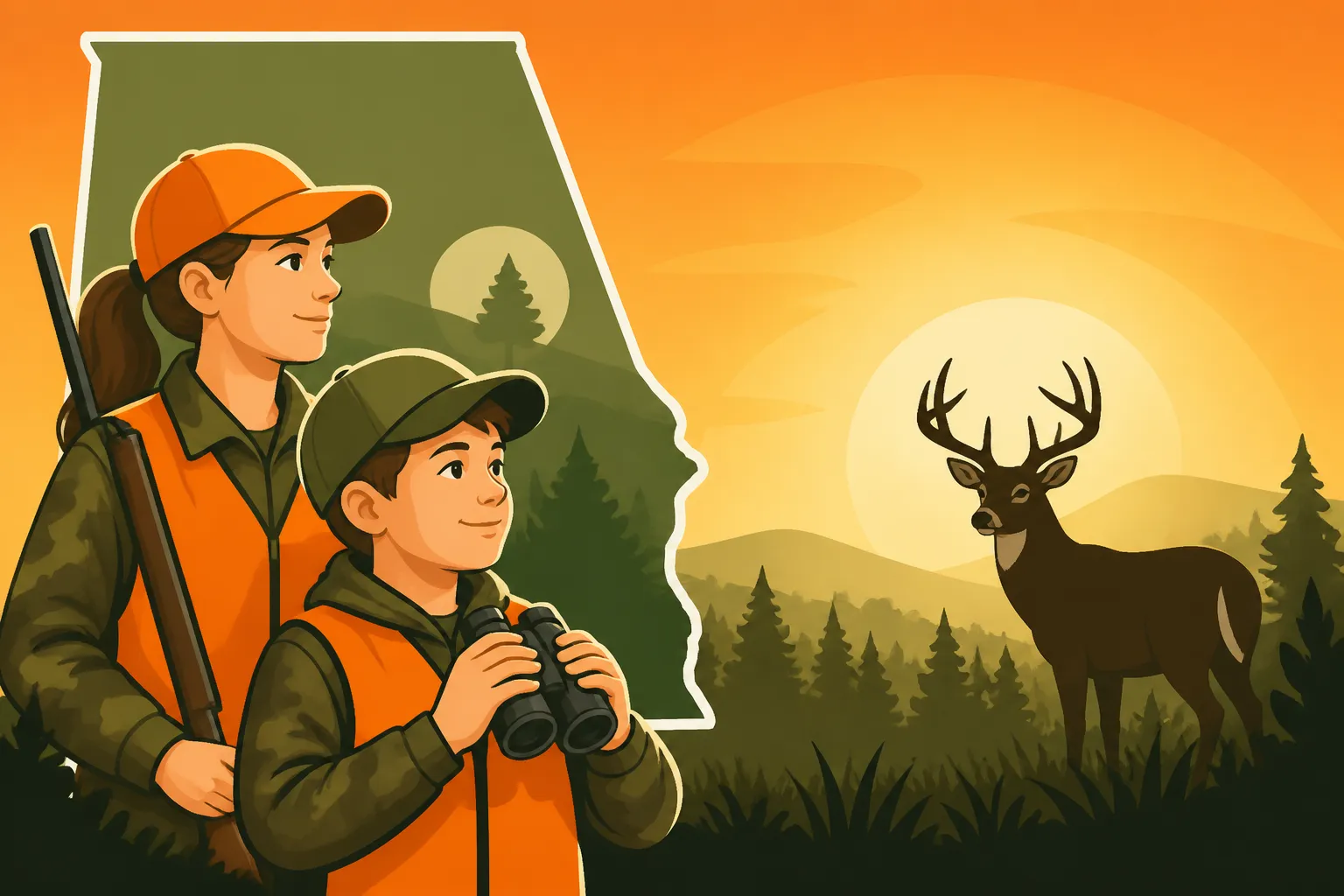
Alabama has a rich hunting heritage, and the state's wildlife agencies understand the critical role that youth hunters play in carrying that tradition forward. That's why they've carved out specific "youth hunt windows" – dedicated periods before or during the regular seasons when only young hunters (usually under 16, accompanied by a properly licensed adult) can participate. These special dates are a fantastic way to introduce kids to the sport in a less pressured environment, often with less competition from other hunters. It’s a chance for them to learn, build confidence, and make memories that will last a lifetime, often with milder weather conditions than later in the season.
Why Youth Hunts Are So Important
Think about it: the woods during the general opening weekend can be a pretty chaotic place. Early mornings, crowded public land, and the sheer volume of hunters can be overwhelming for an adult, let alone a child. Youth-specific hunt windows offer a calmer, more focused experience. They allow mentors to take their time, teach critical skills like scouting, tracking, and shot placement without feeling rushed. This focus on education and experience over just "getting a kill" is invaluable. These hunts aren't just about tagging an animal; they're about fostering a deep appreciation for wildlife, conservation, and the outdoors. It's often during these quieter moments that a child truly connects with nature, developing a passion that will hopefully lead to a lifetime of responsible hunting and stewardship. Moreover, these opportunities help to address the declining participation rates in hunting by making it more accessible and enjoyable for the next generation.
Key Species Included in Youth Windows
While Alabama offers a variety of hunting opportunities, the most prominent and popular special youth hunt windows are dedicated to white-tailed deer and wild turkeys. These are two of the state's most sought-after game species, providing exciting challenges and rewarding experiences for young hunters. For deer, these youth hunts typically precede the main gun season or offer an early archery opportunity, allowing kids to get first crack at the woods. For turkeys, they often get a weekend head start on the gobblers before the general season opens. Beyond these, some specific wildlife management areas (WMAs) might offer youth-only small game or waterfowl hunts, but these are generally less widespread and require checking individual WMA regulations. It's always a good idea to consult the latest Alabama hunting regulations or the Outdoor Alabama app to confirm exact dates and species specific to the areas you plan to hunt. Websites like GoHunt often compile this information, making it easier for parents to plan their outings.
Navigating Deer Youth Hunt Weekends
Deer hunting is often the entry point for many young hunters, and Alabama makes it a point to offer dedicated weekends just for them. These windows are a fantastic way to get kids into the deer woods before the pressure of the general gun season sets in, offering a more relaxed and educational experience. It’s also a great chance to scout out some of those early season food sources for Alabama whitetails while teaching the youngsters about deer sign and movement.
Zone-Specific Deer Youth Hunt Dates
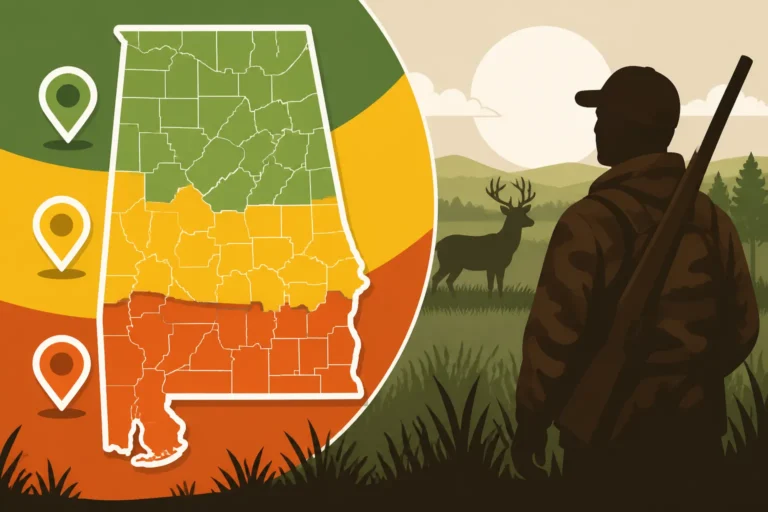
Alabama's deer season is broken down into five distinct zones (A, B, C, D, and E), and crucially, the youth gun weekend dates can vary by zone. This is a critical detail that many hunters, especially those new to the state or traveling between regions, often overlook. For example, Zone A, which covers much of the southern and central parts of the state, might have its youth weekend a week or two earlier than Zone D, found in the northeastern corner. These zone differences are designed to align with regional deer herd dynamics and rut timing. It means you absolutely must check the specific zone your hunting land or intended public access falls within to avoid any misunderstandings. This information is readily available in the official Alabama hunting regulations each year. An excellent resource for quickly finding your county's zone and its associated dates is the Alabama Hunting Seasons and Tags guide, often found on the Outdoor Alabama website or via mapping apps. Remember, these dates are often set in late October or early November, giving young hunters a prime opportunity when deer activity is often high due to cooler weather and pre-rut movements.
Alabama Youth Deer Gun Season Dates (Illustrative Example – Always Check Current Regulations)
| Zone | Youth Gun Weekend Dates (Example) |
|---|---|
| A | October 28-29, 2024 |
| B | October 28-29, 2024 |
| C | November 4-5, 2024 |
| D | November 4-5, 2024 |
| E | November 4-5, 2024 |
Note: These dates are illustrative. Always verify the current year's dates through official ADCNR channels.
Rules and Regulations for Youth Deer Hunters
Beyond just knowing the dates, understanding the specific rules for youth deer hunters is paramount. Generally, youth hunters are defined as those 15 years of age or younger. They must be accompanied by a properly licensed adult hunter who is 21 years of age or older. This adult mentor cannot carry a firearm or bow, but they can carry a sidearm for personal protection or to dispatch a wounded animal if necessary, as long as they are not actively participating in the deer hunt. This is a crucial distinction – the adult is there to supervise, educate, and ensure safety, not to hunt themselves.
The youth hunter must possess a valid hunting license, though Alabama does have specific provisions for apprentice hunters and those under 16 that may exempt them from certain license requirements if they are part of the Alabama Mentored Youth Hunting Rules program. It's always best to err on the side of caution and ensure all licensing is in order. For instance, for youths under 16, they may not need a state hunting license if accompanied by an adult, but they might still need a Harvest Information Program (HIP) certification if hunting migratory birds, and a federal duck stamp if hunting ducks.
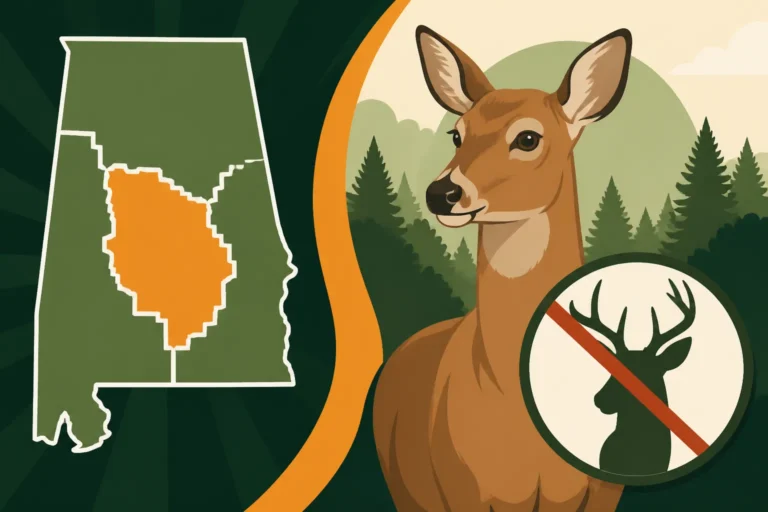
Weapon choice during the youth gun weekend typically aligns with legal firearms for deer hunting in Alabama. This means centerfire rifles, shotguns, muzzleloaders, and archery equipment are all generally permitted. Crossbows are also legal during archery season, which includes any youth archery-specific windows that might open before the general archery season. The bag limits for youth hunters during these special windows usually mirror the regular season limits for antlered and unantlered deer within that specific zone. This means paying attention to specific antler point restrictions or antlerless deer limits, especially in areas like Zone C where antlerless limits can be tighter. Tools like those on GoHunt can help you quickly check these rules.
Exploring Spring Turkey Youth Weekends
If deer hunting introduces kids to the woods, turkey hunting often ignites a lifelong passion. The excitement of calling a gobbler in, the heart-pounding anticipation, and the sheer challenge make it an unforgettable experience. Alabama's spring turkey youth weekends are designed to give young hunters this incredible opportunity with less competition and often better weather.
Zone-Specific Turkey Youth Hunt Dates
Just like with deer, Alabama's spring turkey season is divided into two primary zones: Zone 1 and Zone 2, and the youth hunt dates align with these zones. Zone 1 typically opens a week earlier than Zone 2, and the youth weekend usually precedes the general season opener for that respective zone. For example, if Zone 1's general season opens on March 23rd, its youth weekend might be the weekend before, around March 16th-17th. This early access allows young hunters to chase gobblers that haven't been pressured yet, increasing their chances of success and making the learning experience more positive. Understanding these zone distinctions is absolutely vital. If you're planning to hunt near the border of two zones, double-check which zone your specific property or public land falls into. The Alabama Spring Turkey Zones and Dates are published annually and should be your primary reference. These early season hunts also offer a fantastic chance to observe turkey behavior, understand calling sequences, and practice setting up against a big oak, all before the woods get more crowded.
Preparing for a Successful Youth Turkey Hunt
Preparation is key for any turkey hunt, but especially when bringing a young hunter. Beyond just knowing the dates, consider the physical demands. Turkey hunting often involves a lot of walking, sitting still for long periods, and sometimes quick movements. Ensure your young hunter is comfortable with their shotgun, understands safe gun handling, and has practiced shooting patterns so they know their effective range. It’s also an excellent time to teach them about roost hunting Alabama gobblers and how to listen for those early morning calls.
- Gear Check: Ensure they have comfortable, quiet clothing, appropriate camouflage, and good boots. A comfortable seat or cushion is a game-changer for long sits.
- Calling Practice: While the adult can do most of the calling, having the youth understand the different calls and why they are used adds to the educational value.
- Decoy Strategy: Discuss decoy placement and how to use them effectively, keeping in mind Alabama's specific rules regarding decoys, especially the Alabama's Ten-Day Decoy Restriction early in the season. Decoy timing is important; if you’re hunting during a youth weekend that falls within that initial 10-day period, mechanical decoys or decoys placed within 100 yards of a public road might be restricted. Always verify the rules for the specific dates you're hunting.
- Safety First: Reinforce firearm safety, specifically identifying the target beyond all doubt. Emphasize wearing blaze orange or blaze pink when moving through the woods, especially when other hunters might be present, even if not required by law during the actual hunt.
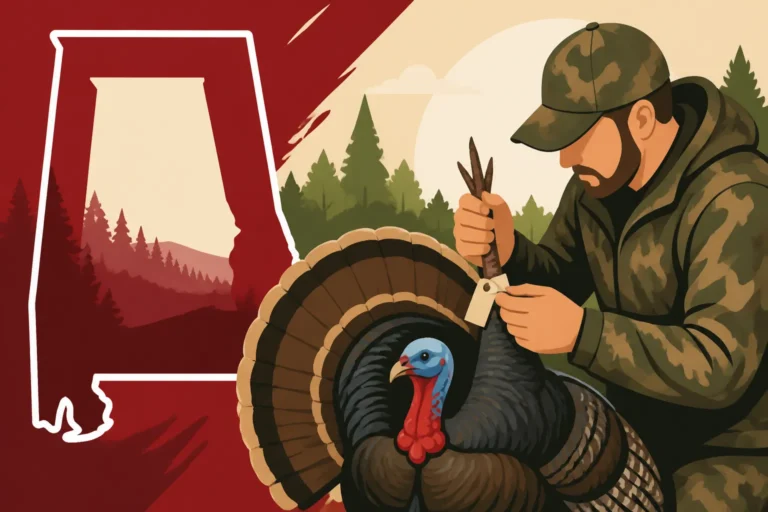
The bag limit for youth hunters during these special weekends is typically one gobbler per day, not to exceed the statewide season limit. This is a generous opportunity for a young hunter to potentially fill their tag early and enjoy a memorable hunt. Don't forget that after a successful hunt, you'll need to adhere to Alabama Turkey Checking Requirements, which typically involve reporting the harvest online or through the Outdoor Alabama app.
Maximizing Other Youth Hunting Opportunities
While deer and turkey youth weekends are the most prominent, Alabama’s commitment to fostering young hunters extends to other game species and programs. It’s about creating diverse entry points into the hunting world and ensuring that the next generation has every chance to learn and connect with nature.
Small Game and Waterfowl Youth Opportunities
Don't overlook the joys of small game hunting for younger participants. Squirrel and rabbit hunting offer fantastic, action-packed introductions to hunting that don't require the same level of patience or stealth as deer or turkey. Alabama often has generous seasons for these species, and while there aren't always specific youth-only weekends in the same vein as deer and turkey, the general seasons are long and provide ample opportunity for youth involvement. Teaching a child how to squirrel hunt Alabama hickory groves or how to identify rabbit hunting thick Alabama brush can be just as rewarding as big game, building fundamental skills like marksmanship, tracking, and understanding habitat.
For waterfowl, some federal refuges or state WMAs might offer specific youth waterfowl hunts. These are usually quota hunts, meaning you have to apply and be drawn, but they provide a highly structured and often successful experience. Hunting the Tennessee River Delta for waterfowl or exploring flooded timber for mallards can be incredibly exciting for a young hunter, introducing them to unique environments and specialized hunting techniques. Always check the specific regulations for the WMA or refuge you intend to visit, as their rules can differ significantly from statewide regulations. GoHunt often provides aggregated information for these specialized opportunities as well.
Mentored Youth Hunting Program and Requirements
Alabama also champions a Mentored Youth Hunting Program, which is a fantastic initiative for getting kids started without jumping through every single hoop right away. This program allows eligible youth hunters (typically under 16, though age limits can vary for different types of licenses) to hunt without having first completed a hunter education course. The catch, and it's a good one, is that they must be directly supervised by a licensed adult mentor who is at least 21 years old. The mentor must remain within arm's reach of the youth hunter at all times, ensuring constant supervision and immediate assistance.
This is more than just a legal requirement; it's a golden opportunity for true mentorship. The adult is actively teaching, guiding, and ensuring safety during every moment of the hunt. This program is a bridge, allowing young individuals to gain hands-on experience and decide if hunting is for them before committing to a full hunter education course. Once they experience the thrill and responsibility, they are then required to complete hunter education to continue hunting unsupervised or beyond the program's specific allowances. This program also simplifies licensing for many young hunters, as the adult mentor's license often covers the youth's participation, though separate stamps or permits (like the HIP certification for migratory birds) might still be required depending on the species. Always review the full details of Alabama Apprentice Hunter License Rules to ensure compliance.
Disclaimer
The information provided in this guide is for general informational purposes only and is not a substitute for the official Alabama Department of Conservation and Natural Resources (ADCNR) hunting regulations. Hunting laws and dates can change annually. Always consult the most current ADCNR regulations and relevant local ordinances before planning any hunting trip to ensure compliance and safety.