Alabama Apprentice Hunter License Rules
Feeling the itch to get out in the Alabama woods, but haven't had the time or opportunity to complete your hunter education course yet? That's a common hurdle for many aspiring hunters, especially if you're new to the state or just getting started. It can feel like a bureaucratic maze just to step foot in the woods, but thankfully, Alabama offers a fantastic solution: the Apprentice Hunter License. This guide will walk you through everything you need to know about getting started, who can help you, and how to make the most of this unique opportunity to learn from experienced hunters while staying legal.
Understanding Alabama's Apprentice Hunter License Program
The call of the wild is strong, and for many, the idea of waiting for a hunter education course to align with their busy schedule can be a real buzzkill. The Alabama Apprentice Hunter License program was designed precisely for this reason – to bridge that gap and get new hunters into the field under direct supervision, allowing them to gain practical experience before completing the full hunter education certification. It's a wonderful way to learn the ropes hands-on, rather than just from a textbook or online course.
What Exactly is an Apprentice License?
At its core, the Alabama Apprentice Hunter License is a provisional hunting license that allows an individual, regardless of age, to hunt without first completing a certified hunter education course. Think of it as a temporary training pass. It acknowledges that there's immense value in learning directly from a seasoned hunter in the field – observing how they scout, track, identify game, and handle firearms safely. This license is a testament to Alabama's commitment to fostering new hunters while maintaining critical safety standards. It's truly a game-changer for folks who might otherwise put off their hunting journey.
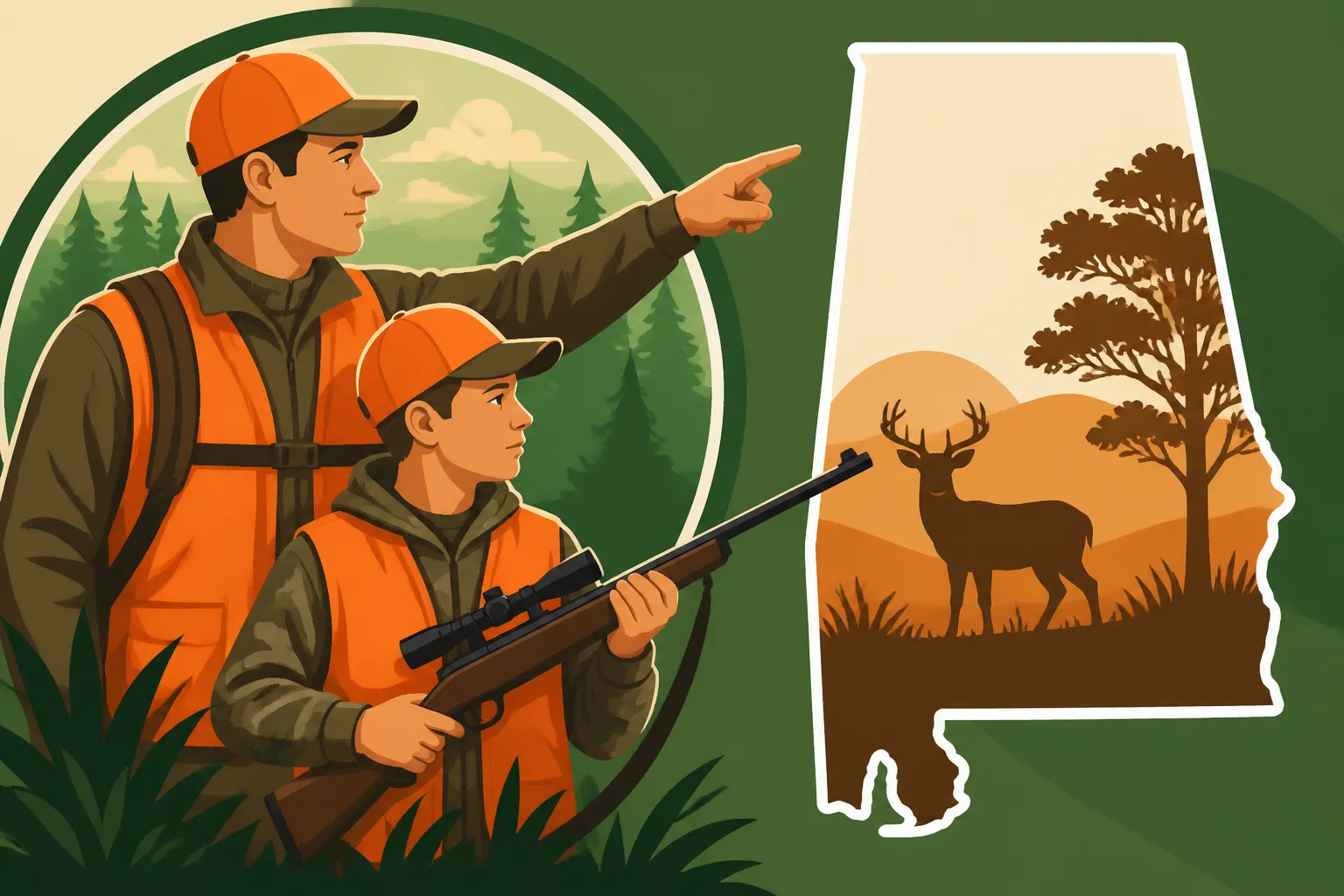
However, it's not a free pass to hunt alone. The crucial caveat, and the entire point of the program, is that the apprentice must be under the direct supervision of a properly licensed, experienced hunter at all times. This isn't just a suggestion; it's a legal requirement that underpins the safety and educational value of the program. It ensures that every shot, every decision, and every step taken by the apprentice is guided by someone with proven knowledge and safety acumen.
Who Qualifies for Alabama's License Exemption?
While the Apprentice Hunter License is fantastic for most new hunters, it's important to understand that not everyone needs one. Alabama has a few specific exemptions that might apply to you or someone you know, which could mean you don't even need an apprentice license, let alone a full hunter education certificate, to start hunting right away. Understanding these nuances can save you time and money.
Firstly, if you are under 16 years of age, Alabama law states that you are generally exempt from needing a hunter education certificate to hunt. However, anyone under 16 must also hunt under the direct supervision of an adult licensed hunter, similar to the apprentice license requirement. It's really about ensuring that young, impressionable hunters are taught safe and ethical practices from the very beginning. For a deeper dive into these age-related rules, you might want to read more about Alabama's Under-16 and Senior License Exemption.
Secondly, certain landowners or their immediate family members might also be exempt when hunting on their own property. This exemption typically applies when they are hunting resident game and furbearers on lands they own. It's a recognition of the inherent knowledge and responsibility often held by those who live on and manage the land. But even with these exemptions, the spirit of safe and ethical hunting remains paramount. For anyone who doesn't fall into these categories and hasn't taken hunter education, the apprentice license is your golden ticket to the field.
The Nitty-Gritty of Mentorship Requirements
The backbone of the Alabama Apprentice Hunter License program is the mentor-apprentice relationship. It’s not just about having another person in the woods; it’s about having a responsible, experienced individual actively guiding and supervising a new hunter. This isn't a passive role for the mentor, and understanding these requirements is crucial for both parties to ensure safety and legality in the field.
How Close an Alabama Mentor Must Stay
This is probably one of the most frequently asked questions, and for good reason! The Alabama Department of Conservation and Natural Resources (ADCNR) is very clear: the apprentice hunter must be under the direct supervision of a licensed hunter who is 21 years of age or older. And here’s the key part: "the supervising hunter must stay within normal voice communication without aid of electronic devices and able to render immediate assistance."
What does "normal voice communication" truly mean in the field? It means you can literally talk to each other without shouting, and without using walkie-talkies or cell phones. This isn't like hunting with a friend 100 yards away in the next stand over. It means you're close enough that if an issue arises – maybe the apprentice has a question about shot placement, misidentifies an animal, or experiences a firearm malfunction – the mentor can immediately intervene, offer guidance, or provide help. Practically speaking, this usually translates to being within sight and earshot, often standing side-by-side or very close by, especially during crucial moments like taking a shot. This is a non-negotiable safety measure, and it's something game wardens take very seriously. You can dive deeper into this specific rule with How Close an Alabama Mentor Must Stay.
What a Mentor Needs to Have
Being a mentor isn't just about being a good shot or knowing the woods. It carries a significant responsibility and requires specific qualifications. First and foremost, the mentor must be 21 years of age or older. This ensures a certain level of maturity and experience in the individual taking on such a vital role.
Secondly, and equally important, the mentor must possess a valid, current Alabama hunting license. This isn't just any license; it needs to be the appropriate license for the game being hunted (e.g., an all-game license if hunting deer, or a small game license for squirrels and rabbits). They are not just supervising; they are also legally hunting themselves, even if they aren't carrying a firearm for that specific outing. This requirement confirms that the mentor has already met all the necessary legal qualifications for hunting in Alabama, including (if applicable) having completed their own hunter education certification. It's about demonstrating competence and adherence to state regulations.
Responsibilities of the Mentor and Apprentice
Both the mentor and the apprentice have distinct roles and responsibilities that contribute to a safe, legal, and educational hunting experience. It's a partnership where clear communication and mutual respect are essential.
For the Apprentice:
- Active Learning: The apprentice's primary responsibility is to learn. Ask questions, pay attention, and absorb as much information as possible from the mentor.
- Safety First: Adhere strictly to all firearm safety rules and instructions from the mentor. This includes muzzle control, trigger discipline, and understanding your target and beyond.
- Follow Instructions: Listen to and follow the mentor's directions, especially regarding ethical shot placement, game identification, and hunting regulations.
- Stay Close: Never wander away from the mentor beyond voice communication range.
- Game Reporting: Understand and participate in the game check process, learning how to properly report harvested animals through the Outdoor Alabama Game Check system. This is a critical step, which you can learn more about by checking out The Alabama Deer Reporting Deadline.
For the Mentor:
- Direct Supervision: Maintain constant, direct supervision, staying within voice communication and ready to provide immediate assistance. This isn't a babysitting role; it's active coaching.
- Safety Instruction: Teach and enforce fundamental firearm safety rules and ethical hunting practices. This includes demonstrating proper handling, loading, unloading, and transportation of firearms.
- Regulation Knowledge: Ensure the apprentice understands and complies with all Alabama hunting regulations, including season dates, bag limits, and legal methods of take. This means you, as the mentor, need to be completely up-to-date on all the rules, such as those covered in Alabama Deer Season Structure Explained.
- Ethical Guidance: Instill a strong sense of hunting ethics, respect for wildlife, and responsible stewardship of natural resources.
- Patience and Encouragement: Remember that this is a learning experience. Be patient, encouraging, and provide constructive feedback. It’s an investment in the future of hunting.
This symbiotic relationship is what makes the apprentice program so successful. It’s a hands-on classroom where safety, ethics, and tradition are passed down directly.
Getting Your Apprentice License and What's Next
So, you're ready to get your apprentice license and hit the woods with a seasoned pro. Great choice! The process is fairly straightforward, and it's your first official step towards becoming a self-sufficient hunter. But remember, this license is just the beginning of your journey; there are important steps that follow to become fully certified.
How Long an Alabama License Stays Valid
When you purchase an Alabama hunting license, including the apprentice version, it's typically valid for a specific license year. For most licenses, the Alabama license year runs from September 1st through August 31st of the following year. So, if you buy your license in October, it'll be good until August 31st. If you buy it in July, it's still only good until August 31st. This is an important detail that new hunters sometimes overlook. It means you'll need to renew your license annually to continue hunting.
The apprentice license is designed as a temporary stepping stone. While you can technically renew it each year, the spirit of the program is to get you the experience needed to then complete your full hunter education course. Alabama wants to encourage you to move beyond the "apprentice" stage and become a fully certified, independent hunter. There's no limit to how many times you can purchase an apprentice license, but it's really intended to provide that initial access and hands-on learning opportunity.
Moving from Apprentice to Full Hunter Education
Once you've gained some valuable field experience with your mentor, the next logical step – and what you should absolutely plan for – is to complete your official hunter education certification. This course covers everything from firearm safety and wildlife identification to hunting laws and ethical practices in a structured environment.
Alabama offers hunter education courses in various formats: traditional classroom settings, online courses followed by a field day, and even some all-online options for those 16 and older. Completing this course is what ultimately allows you to purchase a regular hunting license and hunt independently (assuming you meet the age requirements for unsupervised hunting). Think of your time with the apprentice license as your real-world lab, and hunter education as the formal instruction that cements your knowledge and proves your competence. It's the final piece of the puzzle to becoming a truly well-rounded, responsible hunter in Alabama. Find out more about the general requirements in Alabama Hunter Education Requirements.
Where to Buy Your Apprentice License
Getting your Alabama Apprentice Hunter License is thankfully quite easy and accessible. The primary and most recommended way to purchase any Alabama hunting license is through the official Outdoor Alabama website. This online portal, run by the ADCNR, is user-friendly and allows you to buy your license from the comfort of your home. You'll typically need some basic personal information, and you can pay with a credit or debit card. Once purchased, you can often print your license immediately or save a digital copy to your phone, which is perfectly acceptable as proof of license in Alabama. In fact, many hunters now rely on digital copies, as detailed in Carrying Proof of License on Your Phone.
Alternatively, you can also purchase your license in person at various license vendors located throughout the state. These often include sporting goods stores, bait and tackle shops, and probate offices. Just look for locations that display the "Outdoor Alabama" license vendor sign.
For those who like to stay super organized and informed, hunting apps can be incredibly useful. While not a direct point of purchase for the license itself, resources like the GoHunt app can help you plan your hunts, scout potential areas, and keep track of regulations once you have your license. It's a great complementary tool for any hunter, especially a new one learning the ropes, to help you understand public lands, property boundaries, and where to find game.
Beyond the Basics: Practical Advice for Apprentice Hunters
The apprentice license isn't just a legal document; it's an invitation to learn and grow as a hunter. Making the most of this unique opportunity involves more than just showing up. It requires active participation, a good mentor, and a commitment to safety and ethics.
Choosing the Right Mentor
Selecting your mentor is perhaps the most critical decision an apprentice hunter will make. This isn't just anyone who has a hunting license and a willingness to take you out; this person will be your guide, your teacher, and your safety officer. So, choose wisely.
Look for someone with a solid ethical compass. You want a mentor who prioritizes safety, fair chase, and conservation over simply harvesting an animal. They should be patient, understanding, and genuinely enjoy teaching. Hunting can be frustrating, especially for beginners, and a good mentor will encourage you through the misses and help you learn from every experience. They should be knowledgeable about Alabama's specific regulations, wildlife behavior, and local terrain. Asking around, talking to other hunters, and even observing how potential mentors conduct themselves in other aspects of life can give you clues. A great mentor isn't just a guide; they're a role model. If you're looking into specific types of experiences, you might even consider Youth-Friendly Guided Hunts in Alabama to find a mentor specifically trained for this.
Best Practices for a Safe First Hunt
Safety is paramount, always. Your first hunting experiences under an apprentice license should be etched in your memory for all the right reasons, not for a preventable accident. Here are some best practices:
- Communication is Key: Talk constantly with your mentor. Ask questions. Confirm targets. Discuss where you're walking, where you're setting up, and what your plan is. Miscommunication is a leading cause of hunting incidents.
- Firearm Familiarity: Before you even step into the field, spend time familiarizing yourself with your firearm. Understand how to load, unload, engage the safety, and clear malfunctions before live game is involved. Your mentor should guide you through this extensively. Remember, muzzle control (always pointing the gun in a safe direction) and trigger discipline (finger off the trigger until ready to shoot) are non-negotiable. If you're curious about what you can even use, check out Alabama Legal Firearms for Deer Hunting.
- Know Your Target and Beyond: Every time you raise your firearm, be 100% certain of your target and what lies behind it. This is where your mentor's guidance is critical. They can help you learn to identify game clearly and assess your surroundings for safe shooting lanes.
- Dress Appropriately: Wear appropriate blaze orange (if required for the season/weapon you're hunting) and layers suitable for Alabama's often unpredictable weather. Being comfortable helps you focus.
- Emergency Preparedness: Discuss emergency procedures with your mentor. Know who to call, where the nearest main road is, and how to administer basic first aid.
- Stay Hydrated and Fed: Hunting can be physically demanding. Bring enough water and snacks, especially if you're going to be out for an extended period, perhaps even scouting before a hunt as covered in Scouting Alabama Public Land Before Season.
Making the Most of Your Learning Experience
The apprentice license is a hands-on learning tool, so embrace every moment. Don't just show up and expect to be handed a trophy; come prepared to learn, observe, and engage.
- Ask Probing Questions: Don't be shy! Ask your mentor why they do things a certain way. "Why did you choose this tree stand location?" "What makes that scrape fresh?" "How do you read the wind here?" Every question is an opportunity to deepen your understanding of wildlife, habitat, and hunting strategy.
- Observe Everything: Pay attention to your surroundings. Notice deer trails, rubs, scrapes, food sources, and bedding areas. Watch how your mentor moves through the woods, how they use calls, and how they react to various situations. Use mapping tools like the GoHunt app to help you visualize the terrain and understand habitat types while you're observing.
- Participate Actively: When it's safe and appropriate, get involved in more than just shooting. Help scout, track, field dress, and transport game. These are all vital parts of the hunting experience and contribute to a deeper appreciation for the effort involved. For instance, learning Field Dressing a Deer in Warm Weather is a crucial skill.
- Journal Your Experiences: Consider keeping a hunting journal. Document what you saw, what you learned, what the weather was like, and what worked (or didn't). This can be an invaluable tool for reflecting on your experiences and accelerating your learning curve.
- Respect the Resource: Understand the importance of conservation and ethical harvesting. The apprentice program isn't just about taking an animal; it's about becoming a responsible steward of Alabama's incredible natural resources.
By actively participating and soaking up knowledge from your mentor, you're not just getting an apprentice license; you're building a foundation for a lifetime of safe, ethical, and successful hunting adventures in Alabama.
Comparing Alabama Hunter License Types
To help clarify the differences between the various paths to hunting in Alabama, here's a quick comparison of the primary license types for new or young hunters.
| Feature | Apprentice Hunter License | Hunter Education Certified License (Regular License) | Under-16 Hunter (Exempt) |
|---|---|---|---|
| Hunter Ed Required? | No, allows hunting before hunter education | Yes, required for most hunters 16 and older | No, exempt due to age |
| Supervision? | Mandatory direct supervision by a licensed hunter 21+ | Not required (unless an Apprentice License holder is being mentored) | Mandatory direct supervision by a licensed hunter 21+ |
| Who Can Get It? | Any resident or nonresident without hunter education | Any resident or nonresident who has completed hunter education | Any hunter under 16 years of age |
| Primary Purpose | Gain field experience under guidance | Hunt independently after demonstrating proficiency | Introduce youth to hunting with guidance |
| Validity | One license year (Sept 1 – Aug 31) | One license year (Sept 1 – Aug 31) | Until 16th birthday, then hunter ed is required |
| Cost | Varies by residency (similar to regular license fees) | Varies by residency | Varies by residency (can be part of parent's license if bundled) |
| Next Step | Complete Hunter Education | Maintain certification & renew license | Complete Hunter Education at age 16 |
Disclaimer
The information provided in this guide is for general informational purposes only and is not intended as legal advice. Hunting regulations in Alabama can change, and it is the responsibility of every hunter to consult the most current official Alabama Department of Conservation and Natural Resources (ADCNR) regulations and laws before participating in any hunting activity. Always prioritize safety and ethical hunting practices.