Minimum Age for Unsupervised Alabama Hunting
It's an exciting milestone when a young hunter feels ready to venture into the Alabama woods on their own, a true rite of passage for many. However, the regulations surrounding the minimum age for unsupervised hunting in Alabama can feel like navigating a thicket of tangled briars if you don't know exactly where to look. It's not always as simple as "when they're old enough to hold a gun." This comprehensive guide will untangle those rules, clarify the requirements, and help both parents and young hunters understand what it takes to safely and legally hunt solo in the Heart of Dixie.
Navigating the Waters: Understanding Unsupervised Hunting in Alabama
The allure of the quiet woods, the challenge of the hunt, and the independence of making your own decisions are powerful draws for young hunters. But Alabama's wildlife regulations are designed to ensure safety, promote ethical practices, and conserve our natural resources. For solo hunting, these regulations often hinge on two key factors: age and hunter education. It’s crucial to distinguish between being able to hunt and being able to hunt alone.
The 16-Year-Old Threshold for Independence
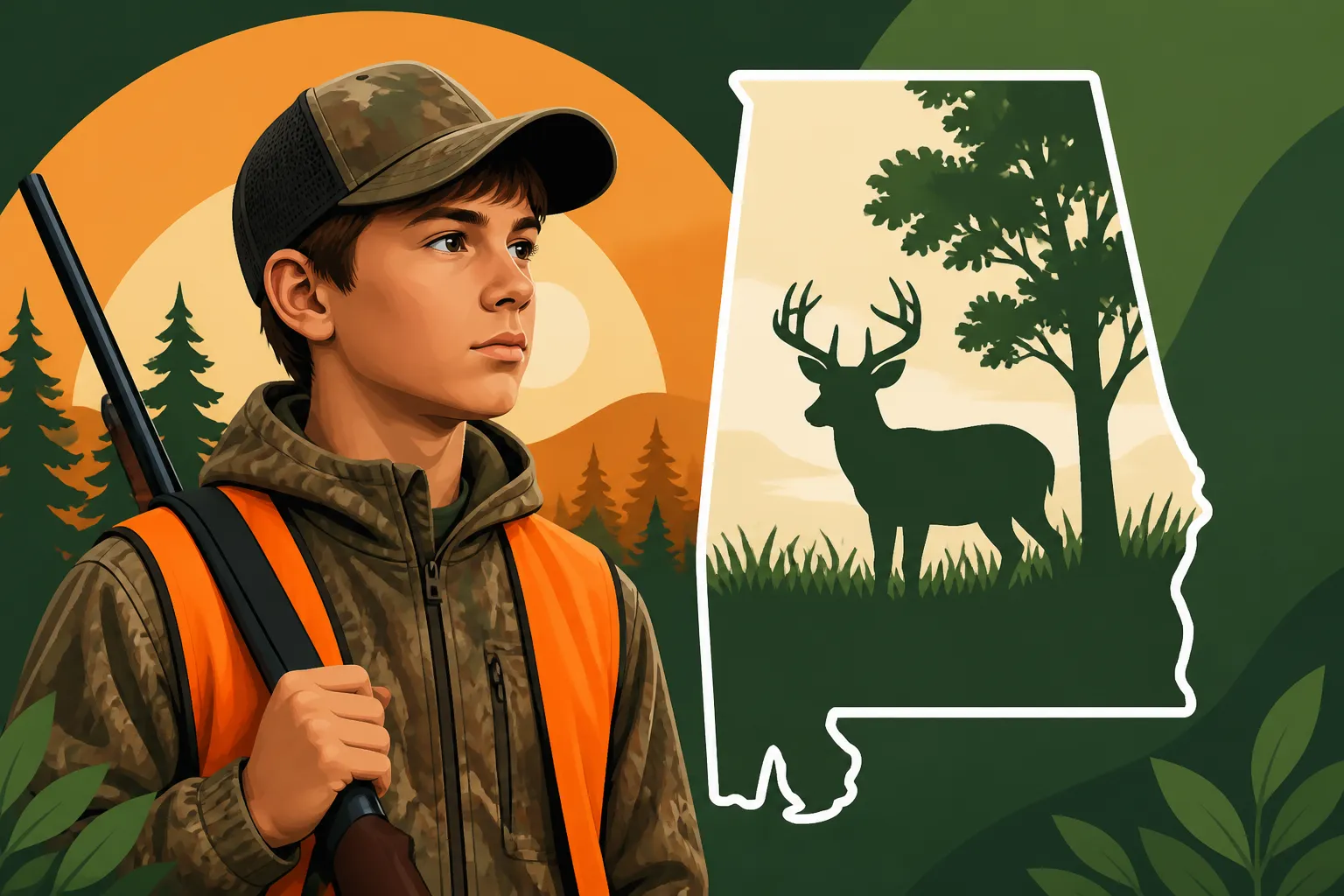
In Alabama, the age of 16 is a significant benchmark for hunters. Generally speaking, a person must be at least 16 years old to hunt unsupervised. This means that if your child is under 16, they must be accompanied by a properly licensed adult. This adult isn't just a bystander; they must be at least 21 years old and possess a valid hunting license. Furthermore, if they're not a parent, grandparent, or legal guardian, they still need to be a licensed hunter of at least 21 years of age. This rule acts as a crucial safety net, ensuring that younger, less experienced hunters always have a seasoned eye watching over them, guiding their decisions, and being there in case of an emergency. It’s a common misconception that simply having a license is enough, but the age and relationship of the accompanying adult are just as important.
Think about it: a lot of judgment calls come into play when you're out there alone – identifying game, shot placement, tracking, and even navigating unforeseen situations like changing weather or an unexpected encounter with another hunter. Having an experienced adult nearby ensures these decisions are made with wisdom. This also ties into important conversations about Alabama Hunter Education Requirements, which are foundational to safe and ethical hunting for all ages.
The Importance of Hunter Education Completion
While turning 16 is critical, it's only half the equation for unsupervised hunting in Alabama. The other, equally vital piece is completing an approved hunter education course. This isn't just a formality; it's an immersive program designed to instill critical knowledge about firearm safety, wildlife identification, hunting ethics, conservation principles, and survival skills. Without this certification, even a 16-year-old cannot legally hunt alone on public or private land (unless they fall under specific landowner exemptions, which we'll get to).
The Alabama Department of Conservation and Natural Resources (ADCNR) offers several ways to complete this education, including traditional in-person classes and online options with a field day component. Many experienced hunters will tell you that the hands-on experience and direct instruction you get in a field day are invaluable, even if the bulk of the coursework is done online. This training ensures that when a young person finally heads out solo, they're not just carrying a firearm, but also carrying a deep understanding of their responsibilities and the potential dangers involved. Tools like GoHunt can even help young hunters, once educated, understand land boundaries and rules specific to certain public hunting areas.
Breaking Down the Rules: Age and Supervision Exceptions
While the 16-year-old and hunter education requirements form the bedrock of unsupervised hunting, Alabama does have programs and exceptions designed to introduce younger participants to hunting under supervised conditions, or to account for specific land ownership scenarios. These nuances are important to understand so you don't inadvertently put yourself or your young hunter in a tricky situation.
The Apprentice Hunter Program Explained
For those who haven't yet completed hunter education, or perhaps for adults new to hunting, Alabama offers the Apprentice Hunter Program. This program isn't about allowing unsupervised hunting for minors, but rather it's a way for any hunter, regardless of age, to hunt without a hunter education card, provided they are directly supervised by a licensed, experienced hunter. The accompanying adult must be 21 years of age or older and must remain within "normal voice control" of the apprentice hunter at all times. This is a fantastic pathway for someone like a 14-year-old who might be eager to get into the deer stand but hasn't yet taken the full hunter education course.
It's a "try before you buy" approach to hunter education, giving new hunters a chance to experience the field under close mentorship. The apprentice license is only valid for one season, encouraging participants to complete their full hunter education during that time if they wish to continue hunting independently. This distinction is crucial because while it allows younger hunters into the field, it does not grant them the ability to hunt alone. You'll want to review the specifics of the Alabama Apprentice Hunter License Rules to make sure you're fully compliant, especially regarding how close an Alabama mentor must stay.
Landowner Privileges for Minors
There's a specific, often misunderstood, exemption in Alabama law related to hunting on one's own land. Residents, their spouses, and their dependent children are generally exempt from the requirement of having a hunting license when hunting on land owned by them. This exemption also applies to the hunter education requirement for those falling under this umbrella, provided they are hunting on their own property.
This means a 14-year-old child hunting deer on their family's private 40-acre farm, if they are a dependent child of the landowner, technically wouldn't need a license or hunter education. However, this is a very narrow exemption. It absolutely does not extend to hunting on public land, on leased land (unless they are the leaseholder or a dependent of the leaseholder in specific circumstances), or on land owned by a friend or relative where they are not a dependent child. Even with this exemption, emphasizing safe hunting practices is paramount. Just because it's legal doesn't mean safety can be overlooked. Many families still opt for hunter education for their children even with this exemption, as it provides invaluable knowledge far beyond just the legal minimums. When hunting on private land, GoHunt can still be a valuable tool for understanding property boundaries and ensuring you're not inadvertently trespassing.
Beyond the Legalities: Cultivating Responsible Young Hunters
Meeting the legal minimum age and education requirements is just the first step. Truly preparing a young person for unsupervised hunting involves a deeper commitment to safety, skill development, and instilling a strong sense of ethical responsibility. The goal isn't just to put them in the woods alone, but to ensure they are competent, confident, and conscientious stewards of the land and its wildlife.
Prioritizing Safety and Skill Development
Before any young hunter heads out solo, even if they've met all the legal age and education requirements, their practical skills and safety habits need to be thoroughly assessed. Can they confidently and safely handle their chosen firearm or archery equipment? Do they understand proper muzzle control, target identification, and when not to take a shot? Have they practiced extensively in a controlled environment? These questions are far more critical than simply checking off a box on a license application.
Practical skills extend beyond just shooting. Can they navigate using a compass or a GPS? Do they know how to field dress an animal efficiently and safely? Can they track a wounded animal effectively, even in challenging terrain like the thick Alabama pine straw? These are the real-world skills that prevent accidents and ensure a successful, ethical hunt. Consider spending time together in the off-season, practicing these skills. Take them Scouting Alabama Public Land Before Season to teach them how to read sign and terrain, and how to use mapping apps to prevent getting lost. The more comfortable and capable they are with these fundamental skills, the better prepared they will be for the solitude and responsibility of hunting alone.
Choosing the Right Equipment for Younger Hunters
Selecting appropriate equipment is another crucial consideration, especially when transitioning to unsupervised hunting. This isn't just about legal caliber sizes; it's about fit, function, and comfort for the individual hunter. A rifle that's too heavy or has too much recoil can lead to poor shooting habits, flinching, and even a negative association with hunting. Similarly, a bow with too heavy a draw weight can cause injury or make it impossible to hold steady for an ethical shot.
For deer hunting, for example, while Alabama has Alabama Minimum Rifle Caliber Rules, ensuring the firearm fits the young hunter is more important for accuracy. Lighter youth models, adjustable stocks, and smaller calibers with less recoil are often excellent choices. Ensuring they have proper safety gear, like blaze orange (Alabama requires How Much Blaze Orange Alabama Requires on public land during gun season), a good quality harness for treestand hunting, and reliable communication devices (even if it's just a fully charged phone), are non-negotiable. GoHunt can also help in researching specific gear reviews and recommendations suitable for younger or smaller-framed hunters.
Understanding the Seasons and Species
A responsible young hunter also needs a deep understanding of the specific regulations for the game they pursue and the seasons they hunt. Alabama has different seasons and bag limits for various species, and these can even vary by zone. For instance, knowing the specific dates for Alabama Gun Season Dates by Zone or understanding the Alabama Turkey Bag Limit Rules are not just legal requirements, but essential knowledge for successful and ethical hunting.
It's also about understanding the biology of the animals. Knowing When the Alabama Rut Peaks by Zone or how deer use different habitats throughout the year will make a young hunter more effective and increase their chances of success. Encourage them to become students of wildlife, not just hunters. This deeper knowledge builds appreciation and respect for the animals and the environment.
Planning Your Young Hunter's First Solo Adventure
Once all the legal requirements are met, skills are honed, and confidence is built, planning that first unsupervised hunt becomes an exciting final step. This isn't just about picking a spot on a map; it's about setting up a scenario where success, or at least a positive learning experience, is highly probable.
One of the best ways to approach this is to start small. Don't send them on a multi-day backcountry expedition for their first solo outing. A morning hunt in a familiar area, perhaps a stand you've hunted together many times, can be an excellent stepping stone. Discuss the plan thoroughly beforehand: where they'll go, what time they'll be back, what to do if they see specific game, and what to do if they don't. Establishing clear communication protocols is also vital, such as checking in at certain times or upon returning to the vehicle.
Consider the time of year and weather conditions carefully. A comfortable, mild day is far better for a first solo hunt than one with extreme temperatures or heavy rain. This allows the young hunter to focus on the experience, rather than battling the elements. Make sure they know how to properly use their chosen method, whether it's understanding Crossbow Rules During Alabama Archery Season or how to best utilize a Using a Ground Blind on Alabama Public Land. Also, ensure they understand how to use tools like GoHunt to verify public land boundaries and specific WMA rules, especially if they are hunting areas that require an Alabama WMA Permit Requirement. Finally, reinforce the importance of reporting any harvested game through Alabama Deer Reporting Rules or Alabama Turkey Checking Requirements as soon as possible, as this is a crucial part of responsible hunting.
Alabama Youth Hunting Age Requirements Summary
Here's a quick overview of Alabama's general age and supervision requirements for hunting:
| Age Group | Hunter Education Required? | Hunting License Required? | Supervision Required? | Allowed Unsupervised? | Notes |
|---|---|---|---|---|---|
| Under 10 | No | No | Yes (Licensed adult, 21+ and within normal voice control) | No | Cannot participate in apprentice program, only direct supervision. |
| 10-15 | No (Apprentice Eligible) | Yes (Apprentice License) | Yes (Licensed adult, 21+ and within normal voice control) | No | Can obtain an apprentice license or hunt under direct supervision. |
| 10-15 | Yes | Yes (Youth Hunting License) | Yes (Licensed adult, 21+ and within normal voice control) | No | Can hunt with an adult after completing hunter education. |
| 16+ | Yes | Yes (Adult Hunting License) | No | Yes | Must have hunter education AND a valid hunting license. |
| 16+ | No (Apprentice Eligible) | Yes (Apprentice License) | Yes (Licensed adult, 21+ and within normal voice control) | No | Can hunt one season with an apprentice license under supervision. |
| Any Age | No (Landowner Exemption) | No (Landowner Exemption) | No (If hunting OWN land as resident/dependent) | Yes | Only applies to their own private land. |
Note: This table provides a general overview. Always consult the most current Alabama Department of Conservation and Natural Resources (ADCNR) regulations for precise legal requirements.
Disclaimer
The information provided in this guide is for general informational purposes only and does not constitute legal advice. Hunting regulations in Alabama can change. Always consult the official Alabama Department of Conservation and Natural Resources (ADCNR) website or contact them directly to ensure you have the most current and accurate information before participating in any hunting activities. Adherence to all local, state, and federal laws is the responsibility of the individual hunter.