Alabama Squirrel Daily Bag Limit
There's nothing quite like a crisp autumn morning in the Alabama woods, the leaves crunching underfoot, and the eager anticipation of a successful squirrel hunt. But as the action heats up and your game bag starts to feel heavier, a common question pops into every hunter's mind: exactly how many of these fast-moving, bushy-tailed treasures can I legally take home today? This guide will break down Alabama's daily squirrel bag limit, explaining not just the number, but the reasoning behind it, and how to ensure you're always hunting ethically and within the law.
Understanding Alabama's Daily Squirrel Bag Limit
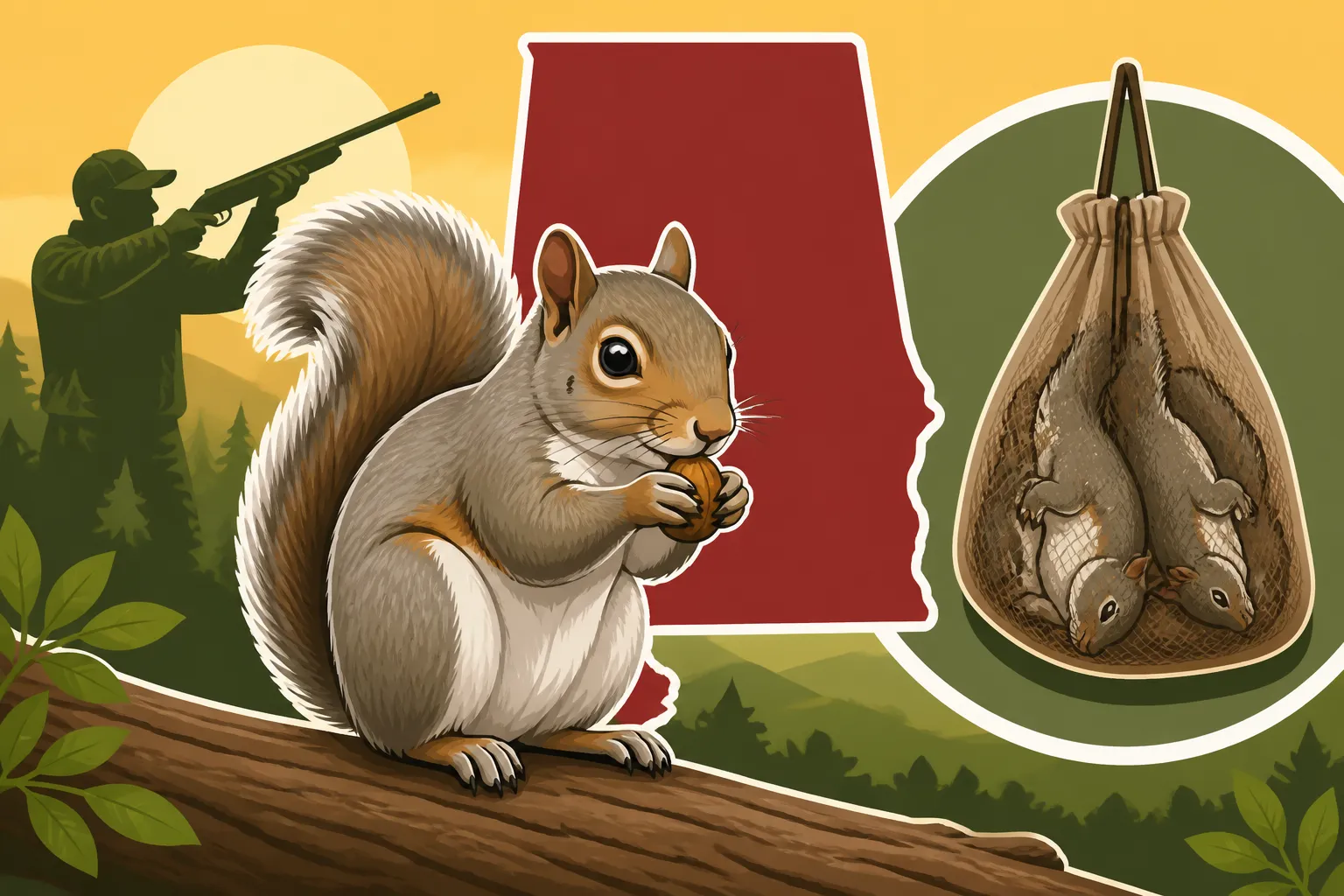
Let's cut right to it: the daily bag limit for squirrels in Alabama is a generous eight animals. This isn't just a random number; it's a carefully considered regulation designed to balance hunting opportunity with sustainable wildlife management. For many of us, hitting that limit means a truly fantastic day afield, a testament to good scouting and sharp shooting.
The Specific Number and What It Means
When we talk about eight squirrels, it's crucial to understand a few things. First, this limit is per hunter, per day. This means if you and a buddy are out hunting, each of you can legally harvest up to eight squirrels. You can't combine your limits if one of you isn't hunting or isn't successful. It's an individual effort and an individual limit. This daily count resets at midnight, so if you hunt Saturday and harvest eight, you're clear to try for another eight on Sunday, assuming you have the energy and the squirrels are cooperating!
Secondly, this limit applies to all legal squirrel species combined. In Alabama, we're primarily talking about gray squirrels and fox squirrels. You don't get eight grays and eight fox squirrels; you get a total of eight, whether that's eight grays, eight fox squirrels, or any mix in between. This comprehensive limit simplifies things for hunters, as you don't need to worry about distinguishing between species while you're in the heat of the moment, only to find you've over-harvested one type. It's all about that total count in your game vest.
Why Limits Exist
You might wonder why there are limits at all, especially for a prolific species like squirrels. The simple truth is, these regulations are the backbone of responsible wildlife conservation. The Alabama Department of Conservation and Natural Resources (ADCNR) uses these limits to ensure that squirrel populations remain healthy and robust for current and future generations of hunters. It's about sustainability. Biologists study population dynamics, reproductive rates, habitat availability, and harvest data to determine appropriate limits.
Think of it like managing a bank account. You can make withdrawals (harvest squirrels), but you want to make sure the principal (the breeding population) stays healthy and keeps generating more interest (new squirrels). Without limits, there's a risk of overharvesting, which could lead to declines in local populations, making future hunts less successful and potentially impacting the broader ecosystem. These limits also promote fair chase and prevent commercial exploitation of game, ensuring hunting remains a recreational pursuit enjoyed by many.
Navigating Squirrel Season Dates and Species Identification
Knowing the daily bag limit is just one piece of the puzzle. To be a truly successful and legal squirrel hunter in Alabama, you also need to understand when you can hunt them and have a basic grasp of the species you're pursuing, even if the limit is a combined one.
Key Season Dates for Squirrel Hunting
Alabama offers a remarkably long squirrel season, which is fantastic news for small game enthusiasts. Typically, the season kicks off in mid-October and runs all the way through early March. This extended window provides ample opportunity to get out there, whether you prefer crisp autumn mornings, the quiet of winter woods, or the very early hints of spring. However, it's absolutely vital to remember that these dates can shift slightly from year to year. Never rely on last season's memory! Always check the current year's Alabama Hunting & Fishing Digest or the official Outdoor Alabama website right before the season, or consult a reliable hunting app like GoHunt for the most up-to-date information.
For many, the opening day is almost a holiday. If you're planning your trip around Alabama Squirrel Season Opening Day, make sure your license is current and you've got all your gear ready. Public lands and Wildlife Management Areas (WMAs) often have their own specific rules or slightly different season dates, so if you're venturing onto public ground, double-checking those WMA regulations is paramount. This long season allows hunters to experience various phases of the squirrel's year, from active foraging in the fall to denning behavior in the colder months.
| Category | Detail | Notes |
|---|---|---|
| Daily Bag Limit | 8 squirrels (combined gray and fox) | Per licensed hunter, per day |
| Possession Limit | No statewide limit (after transport) | WMA regulations may differ; always verify specific WMA rules |
| General Season Dates | Mid-October to Early March (approx.) | Consult current ADCNR Hunting & Fishing Digest for exact dates |
| Legal Hunting Hours | 30 minutes before sunrise to sunset | Standard small game hours, check local sunrise/sunset times |
| Legal Methods | Shotgun, rifle, handgun, bow, air rifle, slingshot | Check specific WMA rules; suppressors are legal |
| Species Included | Gray squirrel (Sciurus carolinensis), Fox squirrel (Sciurus niger) | Limit applies to combined total of both species |
Gray vs. Fox Squirrels: The Combined Limit
Alabama is home to two primary species of tree squirrels that hunters pursue: the gray squirrel and the fox squirrel. Both are included in that 8-squirrel daily bag limit. While the limit doesn't differentiate, knowing a bit about each can add to your hunting experience and help you tailor your tactics.
Gray squirrels are by far the most common and widespread. They're smaller, typically a uniform gray with a whitish belly, and they are incredibly agile and fast. You'll often find them in large groups, particularly in mature hardwood forests. They tend to be more vocal, chattering and barking readily. Fox squirrels, on the other hand, are larger, often twice the size of a gray squirrel, and display a much wider variety of color phases, from reddish-brown to black, often with distinctive white patches on their nose or ears. They're generally less numerous, more solitary, and prefer open pine forests or mixed pine-hardwood stands. They also move a bit slower and are less prone to frantic dashing than their gray cousins. Understanding Gray Versus Fox Squirrels in Alabama can help you identify prime habitat and adjust your approach. For example, if you're Squirrel Hunting Alabama Bottomland Hardwoods, you're likely targeting grays, while a more open pine stand might yield a beautiful fox squirrel.
Practical Considerations Beyond the Limit
Beyond the raw numbers, there are several practical aspects of squirrel hunting in Alabama that every responsible hunter should be aware of. This isn't just about legality, but about ethical hunting and being a good steward of the land and its resources.
Possession Limit vs. Daily Bag Limit
This is a common point of confusion for new hunters. The daily bag limit is how many animals you can harvest in one calendar day. A possession limit refers to the total number of animals you can have in your possession at any given time, often applying to migratory birds or larger game species over multiple days. For squirrels in Alabama, there is no statewide possession limit after the animals have been transported from the field to your permanent residence or a meat processor. This means if you hunt for three days and harvest eight squirrels each day, you can legally have 24 squirrels in your freezer at home.
However, a crucial caveat exists: this "no possession limit" rule does not always apply to Wildlife Management Areas (WMAs). Many WMAs have their own specific regulations that might include a possession limit, especially if you're camping on the WMA for multiple days. Always, and I mean always, check the specific rules for the WMA you plan to hunt. You can usually find these in the WMA section of the Hunting & Fishing Digest or on the Outdoor Alabama website. It's much better to know before you go than to face a violation for something you thought was perfectly fine.
Ethical Hunting and Respecting the Resource
Legal limits are the bare minimum; ethical hunting goes much further. Part of respecting the resource is not just adhering to the Alabama Squirrel and Rabbit Season Rules, but also ensuring you only take what you will genuinely use. If you only need two squirrels for a stew, don't feel compelled to harvest eight just because it's the limit. Waste not, want not, as the old saying goes. This also extends to shot placement – strive for clean, humane kills. A well-placed shot not only dispatches the animal quickly but also preserves more meat.
Responsible hunters also understand the importance of asking for permission on private land, even if you’re just tracking a wounded animal. If you're hunting on private land, ensure you have explicit permission. If you're on public land, be mindful of other users – hikers, birdwatchers, or other hunters. Good sportsmanship and courtesy go a long way in preserving the positive image of hunting. Furthermore, ensure you've properly acquired your Alabama Hunting Licenses and What They Cost and understand your Alabama Resident Hunting License Options to be fully compliant.
Maximizing Your Squirrel Hunt Ethically and Legally
Becoming a proficient squirrel hunter isn't just about understanding the rules; it's about combining that knowledge with effective strategies and preparation.
Scouting and Strategy for Success
Squirrels, especially gray squirrels, are creatures of habit and food sources. To consistently fill your bag within the legal limit, you'll want to focus your efforts where they're most likely to be found. This often means scouting areas with abundant mast crops – oak trees for acorns, hickory for nuts, and even pecan or beech trees. Observing squirrel activity before the season opens can give you a significant advantage. Look for cuttings on the forest floor, active nests (dreys) in tree canopies, and actual squirrel sightings.
Consider key habitats like Squirrel Hunting Alabama Bottomland Hardwoods, which are often brimming with grays, or areas near Squirrel Hunting Alabama Hickory Groves where both species can be found. The early season can be particularly productive as squirrels are actively foraging, and you can often spot them by listening for their tell-tale chatter or the rustle of leaves as they move. Knowing How Early Season Squirrels Give Themselves Away can make a huge difference in your success rate. Using technology like the GoHunt app can also be a game-changer for scouting, allowing you to identify public land boundaries, topo maps for elevation changes, and even mark potential hot spots from home.
Staying Informed and Prepared
The world of hunting regulations, while generally stable, can have subtle changes from year to year. New rules might emerge, or existing ones might be tweaked. The best way to avoid unintentional violations and ensure a smooth hunting experience is to make an annual ritual of checking the current Alabama Hunting & Fishing Digest. It's available online via Outdoor Alabama and in print at most sporting goods stores and license vendors. This is particularly important for Alabama Small Game Season Rules, as these can sometimes be overlooked in favor of more prominent deer or turkey regulations.
Additionally, always carry a copy of your hunting license and any required permits. Many states, including Alabama, allow you to keep a digital copy on your phone, which is incredibly convenient. Having a reliable navigation app, whether it's the Outdoor Alabama app or a third-party option like GoHunt, can help you confirm your location, ensure you're on legal hunting ground, and navigate safely, especially if you're exploring new areas or tackling Hunting Pressure on Alabama Public Land. Being informed and prepared reduces stress and allows you to focus on the pure enjoyment of the hunt.
Disclaimer
Please remember that hunting regulations, including bag limits and season dates, are subject to change by the Alabama Department of Conservation and Natural Resources (ADCNR). While this guide strives for accuracy, it is your responsibility as a hunter to consult the most current official Alabama Hunting & Fishing Digest or the Outdoor Alabama website before each hunting season to ensure compliance with all applicable laws and regulations.