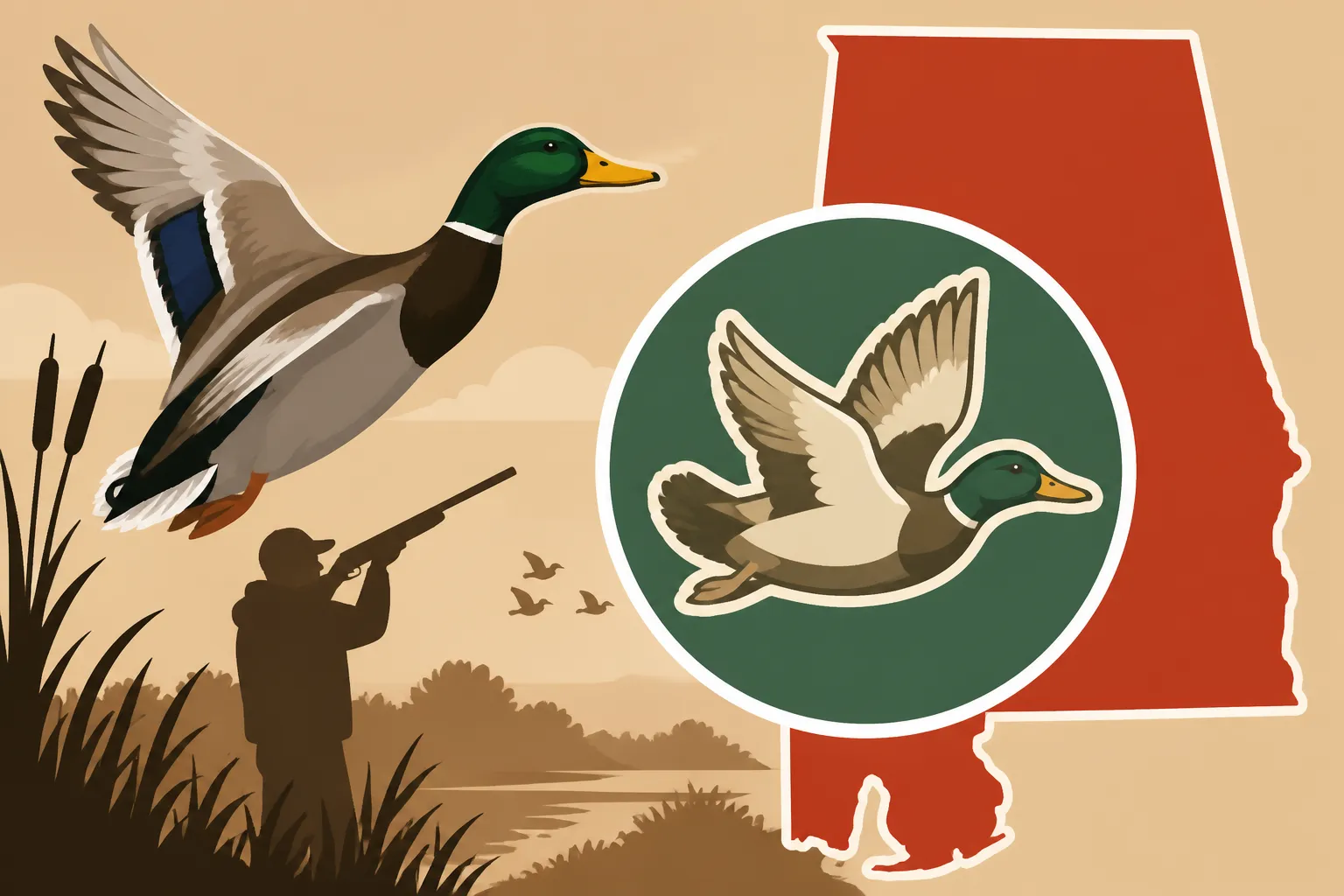
Alabama Duck Stamp Requirement
The world of migratory bird hunting can feel like a labyrinth of regulations, and few things are as confusing as sorting out all the required stamps and certifications before you even set foot in the marsh. It's enough to make even the most seasoned waterfowler scratch their head and wonder if they've forgotten something vital. This comprehensive guide is here to untangle the web of requirements, specifically focusing on the Alabama Duck Stamp, to ensure you're fully compliant and ready for a successful season.
Understanding the Alabama Duck Stamp Landscape
When you're gearing up for duck season in Alabama, it’s easy to get overwhelmed by all the checkboxes. You've got your shotgun, your decoys, your calls, and then comes the paperwork: licenses, federal stamps, state stamps, HIP certifications. It can feel like the state and federal governments are just trying to nickel and dime you, but each of these pieces actually serves a crucial purpose in funding the habitats that keep our waterfowl populations healthy and flying. The key thing to remember right off the bat is that you're dealing with a dual-layer system here: federal requirements and state-specific ones. Miss one, and you could find yourself facing a hefty fine instead of a limit of birds.
The Dual Stamp System: Federal vs. State
Think of it like this: the federal government sets a baseline for hunting migratory birds across the entire country, and then each state adds its own layer of requirements. This is exactly what happens with duck stamps. First, there's the Migratory Bird Hunting and Conservation Stamp, universally known as the Federal Duck Stamp. This one is non-negotiable for almost all waterfowl hunters over the age of 16, regardless of which state you’re hunting in. It's like your passport for duck hunting nationwide. Then, Alabama, like many other states, has its own specific stamp – the Alabama Migratory Waterfowl Stamp. This state stamp is your ticket to hunt waterfowl within Alabama's borders, and its funds stay right here in the state to benefit local habitats. You absolutely need both of them if you're planning to hunt ducks or geese in Alabama, unless a specific exemption applies to you.
Why These Stamps Are Essential for Conservation
It’s easy to view these stamps as just another cost, but the reality is they are the backbone of waterfowl conservation efforts. The Federal Duck Stamp, first issued in 1934, has been instrumental in conserving over six million acres of wetland habitat across the U.S. These funds go directly to the U.S. Fish and Wildlife Service, which uses them to acquire and protect wetlands, establishing National Wildlife Refuges and Waterfowl Production Areas that are critical breeding, migration, and wintering grounds for ducks, geese, and countless other species. Similarly, the Alabama Migratory Waterfowl Stamp directly supports local initiatives. Revenue from this state stamp is earmarked for projects here in Alabama, such as habitat restoration, public access improvements, and research specific to our state's waterfowl populations. Without these dedicated funding sources, the places where we hunt, and the birds we pursue, would simply not exist in their current numbers. It’s a direct investment in the future of the sport we love.
Who Needs to Buy Them? Age and Residency Rules
The requirement to purchase these stamps isn't universal for every person in a duck blind. Let's break down who exactly needs to fork over the cash. For the Federal Duck Stamp, anyone 16 years of age or older must possess a valid, signed Federal Duck Stamp to hunt migratory waterfowl. There's no residency distinction here; whether you’re an Alabama resident or a nonresident coming to hunt the Tennessee River Delta for Waterfowl, you need that federal stamp. Youth hunters under 16 years old are exempt from the federal stamp requirement, which is a great way to introduce younger generations to the sport without the full financial burden.
For the Alabama Migratory Waterfowl Stamp, the rules are similar but specifically apply to those hunting within Alabama. Again, hunters 16 years of age or older must purchase this state stamp. Nonresidents hunting in Alabama also need this state stamp in addition to their nonresident hunting license. There's no separate "nonresident duck stamp"; everyone aged 16 and up who hunts waterfowl in Alabama needs the same state stamp. Just like the federal stamp, youth hunters under 16 are exempt from the Alabama state duck stamp requirement. This makes it easier for families to get out together, especially during something like the Alabama Youth Gun Weekend. Always double-check the current regulations, as age exemptions or specific rules can occasionally change, but these age guidelines are generally consistent year after year.
Diving Deep into the Federal Duck Stamp
The Federal Duck Stamp is arguably the most recognizable and important conservation tool in North America. It’s more than just a piece of paper; it’s a direct conduit for funding the vast network of protected wetlands that sustain migratory bird populations. Understanding its purpose, how to obtain it, and what to do with it is crucial for any serious waterfowl hunter.
What the Federal Duck Stamp Funds
When you buy a Federal Duck Stamp, you're not just buying permission to hunt; you're making a tangible contribution to wildlife conservation. A remarkable 98 cents of every dollar spent on a Federal Duck Stamp goes directly to the Migratory Bird Conservation Fund. This fund is then used by the U.S. Fish and Wildlife Service to purchase or lease wetlands and waterfowl habitat for inclusion in the National Wildlife Refuge System. These areas provide critical breeding grounds, migration stopovers, and wintering habitat for ducks, geese, and a multitude of other bird species, as well as mammals, reptiles, and amphibians. Without this funding, many of the places we enjoy hunting, from the expansive marshes to the quiet beaver ponds where you might be Jump-Shooting Alabama Beaver Ponds for Wood Ducks, simply wouldn't exist or would be significantly degraded. It's a truly effective "user pays, conservation benefits" model that has sustained North American waterfowl for decades.
How to Purchase Your Federal Stamp
Purchasing a Federal Duck Stamp is straightforward, though you have a couple of options depending on your preference and timing. The most traditional way is to buy the physical stamp at a U.S. Post Office. These are usually available by late June or early July each year, well in advance of the early duck seasons. The physical stamp itself is quite a collector's item, featuring beautiful wildlife art, and many hunters enjoy signing and displaying it.
However, for convenience, many hunters opt for the E-Stamp option. You can purchase an E-Stamp online through various state licensing systems, including Alabama’s Outdoor Alabama website, or through partner retailers. When you purchase an E-Stamp, you receive a confirmation number or a printable temporary stamp that is valid for up to 45 days. During this period, the actual physical stamp is mailed to you. This means you can buy your stamp today and be legally hunting tomorrow, without waiting for the mail. Just make sure to carry that temporary proof of purchase with you! You can also find resources and licensing information through platforms like GoHunt, which often integrates with state systems to streamline the process.
Physical Stamp vs. E-Stamp Considerations
Both the physical stamp and the E-Stamp have their advantages and disadvantages. The physical stamp, when signed across its face, is proof positive of your purchase and doesn’t rely on technology. It’s a tangible item that many hunters appreciate as a tradition and a reminder of their contribution to conservation. The downside is that you have to wait for it to arrive if you order online, or make a trip to the post office. It can also get lost or damaged if not properly protected in your wallet or license holder.
The E-Stamp offers immediate gratification and convenience. You can buy it from your phone or computer, print a temporary one, and be out hunting almost instantly. This is a huge benefit for those last-minute hunting trips or if you realize you've forgotten to renew your stamp. The main consideration with the E-Stamp is that the temporary version is only good for 45 days. You must receive and sign your physical stamp within that timeframe and carry it with you thereafter. Don't let that 45-day window slip by without getting your physical stamp, or you could find yourself in violation. It’s a good idea to put a reminder on your calendar!
| Feature | Federal Duck Stamp (Physical) | Federal Duck Stamp (E-Stamp) |
|---|---|---|
| Purchase Location | U.S. Post Offices, select sporting goods stores, online | Online (Outdoor Alabama, GoHunt, other state licensing portals) |
| Proof of Purchase | Signed physical stamp | Temporary electronic permit (valid 45 days), then physical stamp |
| Validity | July 1 to June 30 of the following year | July 1 to June 30 of the following year (physical required after 45 days) |
| Funding Impact | 98% to National Wildlife Refuge System for wetland conservation | 98% to National Wildlife Refuge System for wetland conservation |
| Cost (Approx.) | $25 | $25 (plus potential processing fees) |
| Delivery | Immediate (in-person) or mailed | Immediate temporary, physical mailed within 45 days |
| Collector's Item | Yes, highly collectible with unique artwork each year | No, primarily a transactional proof of purchase |
Navigating Alabama's State Duck Stamp
While the Federal Duck Stamp covers the national conservation effort, Alabama has its own specific needs and projects that require funding. This is where the Alabama Migratory Waterfowl Stamp comes into play, ensuring that local wetlands and waterfowl resources are properly managed and maintained for generations of hunters and wildlife enthusiasts.
Purpose of the Alabama Migratory Waterfowl Stamp
Just like its federal counterpart, the Alabama Migratory Waterfowl Stamp is a dedicated revenue stream, but this one is focused purely on conservation efforts within the state of Alabama. The funds generated from the sale of this stamp are channeled directly into programs administered by the Alabama Department of Conservation and Natural Resources (ADCNR). These programs support vital initiatives such as acquiring and enhancing waterfowl habitat, improving public hunting access points – especially in crucial areas like the Mobile-Tensaw Delta, conducting important research on local duck and goose populations, and managing habitat on the state's Wildlife Management Areas. These localized efforts are essential for ensuring healthy numbers of species like Wood Ducks in Alabama River Swamps and Mallards on the Tennessee River, making sure Alabama remains a prime destination on the Mississippi Flyway. Without this state-specific funding, many of these crucial, local projects simply wouldn't be possible.
Purchasing Your State Stamp Through Outdoor Alabama
Acquiring your Alabama Migratory Waterfowl Stamp is designed to be convenient, primarily through the state's official licensing portal, Outdoor Alabama. You can easily purchase this stamp online from the comfort of your home, or often through authorized license vendors across the state, such as bait shops or sporting goods stores. When you buy your state hunting license, you’ll typically be prompted to add the Alabama Migratory Waterfowl Stamp if you indicate you plan to hunt ducks or geese. The cost is generally quite reasonable, adding a small but significant contribution to state conservation.
When purchasing online via Outdoor Alabama, you’ll receive an immediate digital proof of purchase, which is usually sufficient to carry with you in the field. This digital proof is typically integrated directly into your hunting license profile, meaning you can often show it on your smartphone via the Outdoor Alabama app, removing the need for physical paper if you prefer. This streamlined process makes it incredibly easy to ensure you’re compliant before your next outing. Just be sure that your digital proof is easily accessible and your device is charged!
Specific Exemptions and Special Cases
While the general rule is that anyone 16 years and older hunting migratory waterfowl in Alabama needs the state duck stamp, there are a few specific exemptions and special cases to be aware of. As mentioned, hunters under the age of 16 are exempt from needing the Alabama Migratory Waterfowl Stamp. This is a common practice across many states to encourage youth participation in hunting.
Additionally, certain types of land or specific hunting scenarios might have unique rules. For example, some managed waterfowl areas or special hunts might have their own permit requirements in addition to, or in place of, certain state stamps. It's always best practice to consult the current Alabama Hunting Seasons and Regulations digest published by ADCNR or check their website for the most up-to-date information, especially if you're planning to hunt in areas like Wheeler National Wildlife Refuge or on a particular WMA. These resources will clarify any specific local rules that might impact your stamp requirements. A quick check of the regulations can save you a lot of headache down the road.
Beyond the Stamps: Other Migratory Bird Requirements
While the Federal and State Duck Stamps are foundational, they're not the only pieces of the regulatory puzzle for migratory bird hunters. There are a couple of other crucial requirements that hunters often overlook, and ignoring them can be just as problematic as not having a stamp. Making sure you've covered all your bases means understanding things like HIP certification and hunter education.
HIP Certification: The Crucial Reporting Link
The Harvest Information Program, or HIP, is a mandatory federal program that every migratory bird hunter in the U.S. must participate in annually. It’s not a stamp you buy, but rather a brief survey you complete when you purchase your hunting license. The survey asks questions about your hunting activity from the previous season (e.g., did you hunt ducks last year? How many did you harvest?). This data is absolutely critical for wildlife managers. It helps the U.S. Fish and Wildlife Service and state agencies like ADCNR estimate harvest numbers for different migratory bird species. Without accurate harvest data, biologists can’t make informed decisions about bag limits, season lengths, and other management strategies that ensure sustainable populations.
Forgetting your HIP certification is a common mistake, but it's an easy fix. You typically complete it when you buy your state hunting license online through Outdoor Alabama, or a vendor can help you with it. Once certified, it usually appears as an endorsement on your license. Even if you don't plan on hunting migratory birds for a full season, if there's any chance you might go out for doves on opening weekend, or target Snipe Season Dates later in the year, you need to be HIP certified. It’s a small step that makes a huge difference in the grand scheme of conservation.
Hunter Education for Waterfowl Hunters
Alabama, like most states, has a mandatory hunter education requirement. Generally, if you were born on or after August 1, 1969, you must complete a hunter education course before purchasing an annual hunting license in Alabama. While there might be some specific exemptions, such as an apprentice license that allows you to hunt under the direct supervision of a licensed adult, this foundational course is a critical rite of passage for new hunters.
Hunter education covers far more than just firearm safety; it delves into wildlife conservation, ethical hunting practices, game identification, and, importantly for waterfowl hunters, specific regulations pertaining to migratory birds. Even if you're an experienced hunter from another state, if you're new to Alabama, you'll need to ensure your hunter education certification is recognized here. Most states have reciprocity agreements, meaning your course from another state will likely be accepted. However, it’s always wise to confirm with ADCNR to avoid any surprises. Being properly educated isn't just about legality; it's about being a responsible, safe, and ethical participant in the hunt.
Special Permits for Specific Refuges or WMAs
While your general state hunting license and duck stamps cover most public lands, some specific hunting areas in Alabama, particularly certain Wildlife Management Areas (WMAs) or National Wildlife Refuges (NWRs), might require additional permits. These special permits are often for quota hunts, specific waterfowl impoundments, or to manage hunting pressure in sensitive areas.
For example, areas like the Wheeler National Wildlife Refuge often have specific permit drawings or sign-in requirements for waterfowl hunting. Similarly, some of Alabama's WMAs might have unique regulations or special permit requirements for certain types of hunts or access. These permits are designed to manage hunter numbers, collect specific data, or ensure wildlife populations aren't overhunted in localized spots. Before you plan a trip to a WMA, especially one known for its waterfowl hunting, always check the specific regulations for that area on the Outdoor Alabama website or the refuge's official site. Platforms like GoHunt can sometimes offer insights or links to these specific regulations, helping you prepare. Overlooking a special permit requirement can not only lead to fines but also disrupt carefully planned management efforts.
Practical Considerations and Common Pitfalls
Understanding the regulations is one thing, but practically navigating them in the field is another. Hunters often run into common issues that can easily be avoided with a little foresight. From how you carry your proof of purchase to what happens if your stamp goes missing, being prepared for these scenarios can save you a lot of grief.
Keeping Proof of Purchase Afield
One of the most fundamental rules of hunting is always to have your licenses and permits on your person while in the field. For duck hunting in Alabama, this means your valid hunting license (resident or nonresident), your signed Federal Duck Stamp, and your Alabama Migratory Waterfowl Stamp (or valid digital proof). The game warden won't accept "I left it in the truck" as an excuse. Most hunters use a sturdy wallet, a waterproof license holder, or even the Outdoor Alabama app on their smartphone.
If you’re relying on the e-stamp or digital proof for your state license and stamps, ensure your phone is charged and protected from the elements. There's nothing worse than a dead battery when a game warden asks for your credentials. Some hunters still prefer to print out all their documents and laminate them as a backup, especially when hunting in remote areas with no cell service. It’s a small detail, but it’s the one that can make or break your hunt if you encounter a conservation officer.
Dealing with Lost or Damaged Stamps
It happens to the best of us: a stamp falls out of your wallet, gets soaked in the rain, or simply goes missing. If your physical Federal Duck Stamp is lost or destroyed before its expiration date, you can get a replacement. You'll typically need to contact the retailer where you purchased it (like the post office) or the U.S. Fish and Wildlife Service to inquire about the replacement process. There might be a small fee involved, and you'll usually need to provide proof of your original purchase.
For your Alabama Migratory Waterfowl Stamp and state hunting license, replacement is often simpler. You can usually log back into your Outdoor Alabama account and reprint your license and any associated endorsements. If you purchased it through a vendor, they might be able to reprint it for you. The key is to act quickly. Don't continue hunting without the proper documentation. As soon as you realize a stamp is lost or damaged, make a plan to replace it before your next hunt. Being proactive here prevents potential legal issues and ensures you remain compliant.
Planning for Non-Resident Waterfowl Hunts
If you're traveling to Alabama from out of state to enjoy our fantastic waterfowl hunting opportunities, there are a few extra layers of planning to consider beyond just your stamps. First, you'll need to purchase a valid Alabama Nonresident Annual License Cost or a shorter-term nonresident license, depending on the length of your trip. On top of that, you'll still need both the Federal Duck Stamp and the Alabama Migratory Waterfowl Stamp.
Beyond licenses, familiarize yourself with Alabama's specific duck zones and their season dates, as these can differ from your home state. Check the Alabama Duck Daily Bag Limit and possession limits, which might vary by species and zone. It's also wise to research public access points, especially if you're planning on hunting areas like the Tennessee River for Divers, where specific boat ramps or access rules may apply. A good resource for this is often the Outdoor Alabama app or website, which provides maps and detailed regulations. Planning ahead, including a thorough check of all requirements and regulations, will ensure your Alabama waterfowl adventure is memorable for all the right reasons.
Disclaimer
Please note that hunting regulations, license requirements, and fees are subject to change. While this guide provides comprehensive information, it is your responsibility to verify all current rules and regulations with the Alabama Department of Conservation and Natural Resources (ADCNR) before engaging in any hunting activities. Always refer to the official ADCNR website or the latest Alabama Hunting and Fishing Digest for the most up-to-date and accurate information.