Why Zone C’s Antlerless Limit Is Lower
It can be incredibly frustrating when you’re trying to understand Alabama’s deer hunting regulations and stumble upon differences like Zone C having a lower antlerless limit. It feels like the rules change depending on where you stand, making it hard to plan a successful season. This guide is here to unravel the mystery of Zone C's antlerless limits, explaining the biological and management reasons behind them so you can hunt smarter and more confidently in the future.
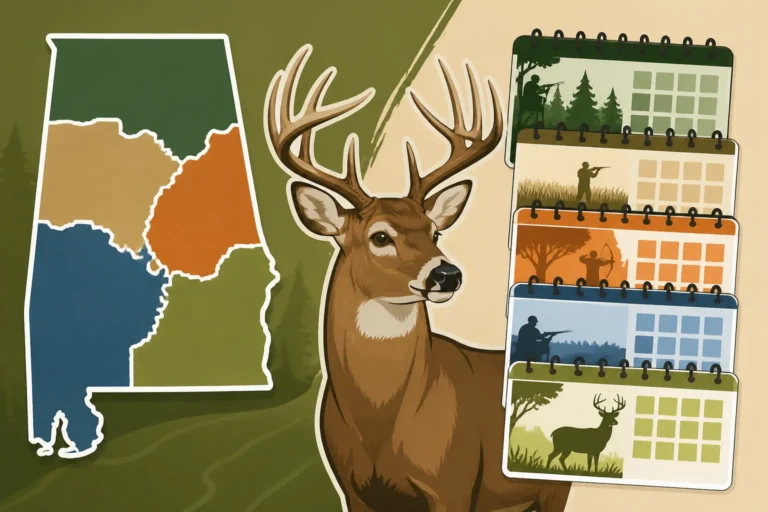
Understanding Alabama's Deer Management Zones
Alabama is a state blessed with a rich diversity of landscapes, from the Appalachian foothills in the north to the coastal plains in the south. This geographical variety, while beautiful, also means that deer populations and their habitats aren't uniform across the state. What works for deer management in one region might be detrimental in another. That's why the Alabama Department of Conservation and Natural Resources (ADCNR), through its Wildlife and Freshwater Fisheries Division, has implemented a system of deer management zones. These zones allow for tailored regulations that address the specific ecological conditions and deer herd health within each distinct area.
A Statewide Approach to Diverse Habitats
Think about it: the rolling hills and hardwood forests of North Alabama offer a completely different environment than the vast agricultural fields and river bottoms of the Black Belt, or the pine plantations and swampy lowlands of the southern Wiregrass region. Each of these areas has unique soil compositions, food sources, predator populations, and hunting pressures. If Alabama tried to apply a single, blanket set of deer regulations across the entire state, it would inevitably lead to issues. Some areas might become overpopulated, leading to habitat degradation and increased disease risk, while others might suffer from over-harvest, pushing populations down to unsustainable levels. The zone system is a pragmatic approach, acknowledging that nature's tapestry is woven with different threads, each requiring a slightly different touch. For a broader overview of how these divisions work, you can dive into Alabama Deer Season Structure Explained.
The Role of Antlerless Harvest in Herd Health
When we talk about managing deer populations, the antlerless harvest – meaning the taking of does and fawns – is arguably the most critical tool in a biologist's toolkit. Bucks get all the glory, but does are the engine of the herd. They're the ones having fawns each spring, directly influencing the population's growth rate. If you have too many does, the herd can outstrip its food supply, leading to smaller, less healthy deer, reduced fawn survival, and increased susceptibility to diseases like EHD. On the flip side, if you harvest too many does, especially mature does who are prime breeders, you can suppress the population to a point where it struggles to rebound.
The goal of antlerless harvest regulations is to strike a balance: reduce the population when it's too high for the habitat, stabilize it when it's just right, and allow for growth when it's too low. This isn't just about numbers; it's about the overall health and quality of the deer herd and the habitat it depends on. Each zone's antlerless limit is a carefully calculated decision, based on years of data, field observations, and scientific models designed to ensure a sustainable and robust deer population for future generations of hunters. This strategy plays a huge role in supporting the Alabama Deer Population Estimate.
Delving Into Zone C Specifics
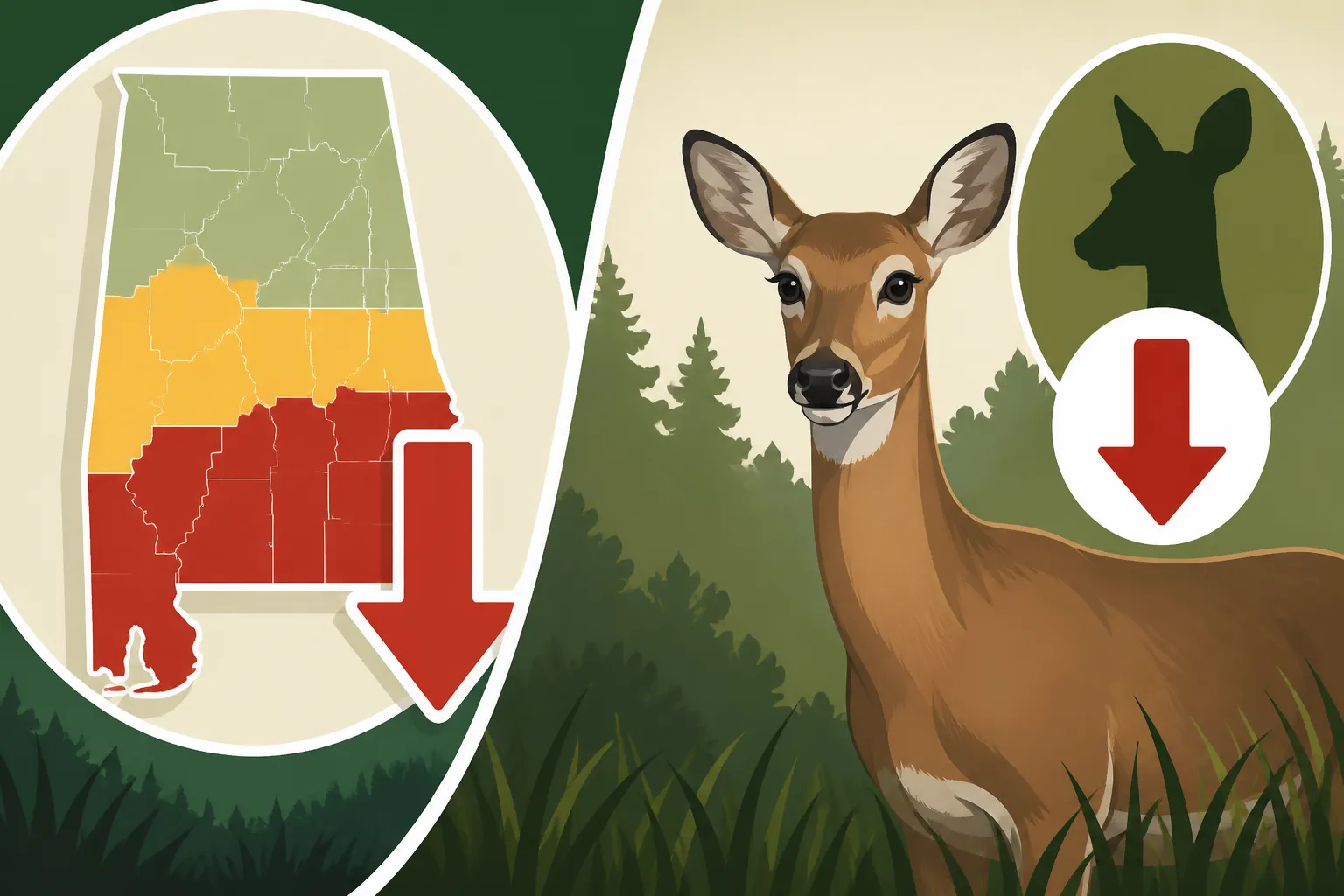
Now, let's zoom in on Zone C, the area that often sparks questions due to its unique antlerless limits. Located primarily in the east-central part of the state, Zone C has a distinct ecological profile that sets it apart from its neighbors. Understanding its geography and historical context is key to grasping why its regulations are designed the way they are.
Geographical Footprint and Habitat Characteristics
Zone C encompasses a specific set of counties in Alabama, generally characterized by a mix of Piedmont and upper Coastal Plain habitat types. These areas often feature rolling terrain, interspersed with mature pine and hardwood forests, managed timberlands, and smaller agricultural plots compared to the vast row crops found elsewhere. Counties like Tallapoosa, Clay, and Randolph often fall within or border this zone.
Unlike the expansive river bottoms of the Black Belt or the heavily farmed areas of the Tennessee River Valley, Zone C's habitat can be somewhat patchier in terms of prime deer forage. While it still offers good cover and food sources, the overall carrying capacity – meaning the number of deer the habitat can sustainably support – might be naturally lower in some sections due to soil quality, forest composition, and agricultural practices. This mosaic of habitat types influences everything from deer density to nutritional availability, which directly impacts fawn survival and antler growth potential. When you're scouting, using tools like GoHunt or the Outdoor Alabama app to look at aerial photos can really help you understand the specific land features in your hunting area within Zone C.
Historical Deer Population Dynamics in Zone C
Historically, deer populations across much of Alabama experienced significant declines in the early 20th century due to unregulated hunting and habitat loss. Through dedicated conservation efforts, including restocking programs and improved management practices, deer populations rebounded dramatically. However, this rebound wasn't uniform everywhere. Some regions, due to more restrictive early regulations, less intensive agriculture, or other factors, saw slower or less explosive population growth.
Zone C, in particular, has often been a zone where deer populations, while healthy, haven't always reached the densities seen in other parts of the state, like the Black Belt or certain river drainage areas. This isn't necessarily a bad thing; it simply means the management strategy needs to be more conservative. There may have been periods of localized habitat stress, or perhaps the reproductive rates in some areas of Zone C have historically been a bit lower. The ADCNR continuously monitors these trends, using harvest data, herd health assessments, and habitat evaluations to fine-tune regulations. Understanding Deer Density by Alabama Region can offer more context on how Zone C fits into the broader picture.
The Rationale Behind Zone C's Lower Antlerless Limit
This is where we get to the heart of the matter. The lower antlerless limit in Zone C isn't arbitrary; it's a strategic decision rooted in sound wildlife science. It reflects the ADCNR's commitment to maintaining a healthy and sustainable deer population specific to the environmental conditions found within that zone.
Balancing Recruitment and Carrying Capacity
Wildlife biologists are constantly striving to balance two critical factors: recruitment (the number of new deer, primarily fawns, that survive to join the adult population) and carrying capacity (the maximum number of animals the environment can support indefinitely without degradation). In some areas, deer recruitment might be lower due to factors like less abundant high-quality forage, higher predator pressure on fawns, or even localized disease outbreaks. If recruitment is lower, the herd's ability to replace harvested deer is naturally diminished.
Concurrently, the carrying capacity of Zone C's habitats might be more limited compared to, say, the fertile Black Belt. This means that even a moderate number of deer can begin to strain the available food resources, leading to browse lines, stunted growth, and reduced overall herd health. A lower antlerless limit in Zone C helps ensure that the harvest doesn't outpace recruitment and that the deer population stays well within the habitat's carrying capacity, preventing ecological damage and maintaining healthy deer for generations.
Preventing Over-Harvest and Localized Impacts
The risk of over-harvest is a very real concern for wildlife managers. If hunters take too many does, especially in areas with already sensitive populations or lower carrying capacities, it can be extremely difficult for the herd to recover quickly. A significant dip in the breeding female population can lead to several consecutive years of poor fawn crops, which in turn means fewer deer available for future hunting seasons.
In Zone C, the lower antlerless limit acts as a buffer against this potential over-harvest. It's a proactive measure to safeguard the breeding potential of the herd. While hunters in other zones might have more flexibility with antlerless tags, the stricter rules in Zone C are designed to prevent localized impacts that could take years to correct. This conservative approach helps ensure stable deer populations and consistent hunting opportunities, rather than boom-and-bust cycles that are hard on both the deer and the hunters. When considering your overall harvest for the season, remember that even outside Zone C, there are limits like Alabama's Three-Buck Season Limit, emphasizing that responsible harvesting is always paramount.
Practical Implications for Hunters in Zone C
So, what does this mean for you, the hunter, when you're out in the woods in Zone C? It means you need to be a bit more strategic and thoughtful in your approach to deer harvest, especially when it comes to does. It's not about making it harder to hunt, but about encouraging a more sustainable and responsible hunting ethic that benefits the entire ecosystem.
Planning Your Hunt and Tagging Strategy
When you're hunting in Zone C, your tagging strategy needs to be more conservative. You simply don't have the same leeway to fill multiple antlerless tags as you might in, say, Zone A or B. This means you need to prioritize your shots and perhaps pass on smaller does early in the season if you're holding out for a mature doe later on, or if you're trying to manage your tags for specific harvest goals.
Consider your personal goals for the season. Are you primarily focused on venison for the freezer? If so, you'll need to make your antlerless shots count. Are you looking for a mature buck? Then you might want to save your antlerless tag for a specific opportunity or for late-season venison once you've secured your buck. It also means paying extra attention to the specific dates for antlerless harvest within Zone C, as these can be more restricted than in other zones. Always double-check the current year's regulations on the ADCNR website, as they can sometimes shift slightly based on the latest population data. If you’re hunting in other zones, comparing How Many Antlerless Deer Zones A and B Allow can really highlight the difference.
Utilizing Data and Resources for Success
In a zone with specific regulations like C, being an informed hunter is more important than ever. Thankfully, we have a wealth of resources at our fingertips today. The Outdoor Alabama mobile app is indispensable for checking regulations on the fly, finding public land boundaries, and reporting your harvest. Reporting your deer through Game Check is not just a legal requirement, it's also how the ADCNR collects vital data to make these informed management decisions.
Platforms like GoHunt offer detailed mapping features that can help you scout and identify potential bedding areas, food sources, and travel corridors, even when you're not physically in the woods. By understanding the habitat in your specific hunting area, you can better predict deer movement and increase your chances of success, even with a more limited antlerless quota. Knowing what food sources are prevalent, especially Late-Season Food Sources for Alabama Whitetails, can be crucial. Combining digital tools with traditional scouting techniques will give you a significant edge.
Here's a quick comparison of general antlerless limits across zones, though always check current regulations:
| Deer Zone | Typical Antlerless Limit (Per Day) | General Season Length for Antlerless Harvest | Management Rationale |
|---|---|---|---|
| Zone A | 1 Per Day | Often full season or extended | Higher deer densities, robust habitat, goal of population reduction or stabilization. |
| Zone B | 1 Per Day | Often full season or extended | Healthy deer densities, good habitat, similar goals to Zone A. |
| Zone C | 1 Per Day (often more restricted) | Shorter, specific windows | Moderate to lower deer densities, potentially lower carrying capacity or slower recruitment, conservative management to promote population stability or growth. |
| Zone D | 1 Per Day | Often full season or extended | High deer densities, intensive agriculture, significant management needs. |
| Zone E | 1 Per Day | Often full season or extended | Specific ecological conditions, often associated with particular habitat types or agricultural pressures. |
Note: The "1 Per Day" is a common daily bag limit, but the number of total antlerless deer you can harvest for the season, or the days you can harvest them, is what truly differentiates the zones. Zone C often has fewer designated antlerless days or stricter county-level variations. Always consult the current year's official Alabama Hunting and Fishing Digest.
Remember, every deer you harvest contributes to the state's data. Proper reporting, as detailed in Alabama Deer Reporting Rules, is essential for wildlife managers to make future decisions. By following the regulations, using available resources, and adapting your hunting strategy, you can be a more effective and responsible hunter in Zone C, contributing to the health of Alabama's incredible deer herd.
Disclaimer
The information provided in this article is for general guidance only and is based on typical Alabama hunting regulations. Hunting laws and regulations are subject to change by the Alabama Department of Conservation and Natural Resources. It is the responsibility of every hunter to consult the most current official Alabama Hunting and Fishing Digest or the Outdoor Alabama website before engaging in any hunting activities to ensure compliance with all applicable laws and regulations.