Hunting the Antlered-Only Public Land Window
Hunting public land in Alabama can be both incredibly rewarding and intensely frustrating, especially when you're restricted to an antlered-only window. It can feel like the deer vanish into thin air, and the woods are full of other hunters. This guide is designed to cut through that noise and help you understand the nuances of targeting bucks on Alabama's public lands during those specific antlered-only periods, providing practical strategies to increase your odds of success.
Understanding Alabama's Antlered-Only Public Land Window
Before you even step foot in the woods, it's crucial to have a firm grasp of when and why certain periods are antlered-only on public lands. This isn't just about following rules; it's about understanding the biological and management reasons behind them, which in turn can inform your hunting strategy.
ADCNR Regulations and Specific Dates
Alabama's deer season structure explained is complex, with varying dates and rules across its five deer zones. On many Wildlife Management Areas (WMAs) and National Forests, there are specific windows where only antlered bucks can be harvested. These periods are often implemented to manage the herd, protect younger does, and allow a certain percentage of bucks to mature, especially early in the season or during specific times of year. You absolutely have to check the current year's regulations for the specific WMA or National Forest you plan to hunt. The rules can differ not just between zones, but even from one WMA to another within the same zone. Don't rely on last year's knowledge; always consult the latest Alabama Hunting and Fishing Digest or the Outdoor Alabama app for the precise Alabama public land antlered-only windows that apply to your hunting area. A quick check can save you a citation and heartbreak.
For example, many areas might open to archery for all deer, but then switch to antlered-only for firearms or even during a later archery segment. This distinction is vital. It means that while a doe might walk right by your stand, you'd have to let her pass, even if she's a mature, older deer. This can be tough, especially when deer sightings are few and far between. The focus shifts entirely to identifying legal bucks, which usually means they must have at least one antler visible above natural hairline or a certain number of points on one side.
Why Antlered-Only Exists
The primary reason for antlered-only regulations, particularly on public lands, is deer herd management. Biologists use these windows to balance the herd's sex ratio, allow young does to mature and reproduce, and help maintain healthy buck age structures. By limiting harvest to bucks, especially during the early parts of the season, it helps ensure that the doe population can contribute to future fawns, and that younger bucks have a chance to grow larger antlers in subsequent years.
Consider the biological perspective: a healthy deer herd needs a balanced buck-to-doe ratio and a good representation of bucks in older age classes. Over-harvesting does can significantly impact fawn recruitment, while constantly removing all young bucks prevents them from reaching their genetic potential. On public lands, where hunting pressure can be high and harder to control through individual quotas, antlered-only seasons are a practical tool to achieve these broader management goals. It's a way to ensure the long-term health and sustainability of the deer population for everyone. While it might feel restrictive as a hunter, understanding this broader purpose can help you appreciate the bigger picture of wildlife conservation in Alabama.
Scouting Strategies for Antlered-Only Public Land
Effective scouting is the bedrock of successful hunting, and it becomes even more critical when you're limited to antlered bucks on public land. You need to know where bucks are likely to be, not just where deer are in general. This means focusing on buck-specific sign and using modern tools to understand the terrain.
Pre-Season Scouting for Buck Sign
Long before the season opens, boots-on-the-ground scouting is invaluable for hunting Alabama's long archery season and the subsequent gun seasons. Look for rubs and scrapes, which are clear indicators of buck activity. Rubs, where bucks strip bark from trees with their antlers, tell you a buck has passed through, and the size of the rub can give you a clue about the buck's size. Fresher rubs indicate current activity. Scrape lines along a logging road or field edge, on the other hand, are communication hubs where bucks deposit scent. While scrapes are often associated with the rut, bucks will visit them throughout the fall to check for does and announce their presence. Pay attention to how fresh these signs are. Older, faded rubs and scrapes still tell a story, but fresh ones indicate current buck usage.
Beyond direct sign, observe travel corridors. Where do deer move between bedding areas and food sources? Look for distinct trails, especially those that parallel natural features like creek bottoms or ridges. Bucks often utilize thicker cover for their travel routes, so don't just focus on the easiest path. Identifying bedding areas is also key. These are typically in dense cover – thickets, pine regeneration, or steep, inaccessible areas. Combine fresh buck sign with these travel corridors and bedding areas to form a picture of buck movement patterns. This foundational knowledge is crucial because during the antlered-only period, you're not just looking for any deer; you're looking for the specific patterns of bucks.
E-Scouting and Topographic Mapping
In today's hunting world, e-scouting has become an indispensable tool, especially for public land hunters trying to find ground others walk past. Tools like GoHunt and others offer powerful mapping capabilities that allow you to analyze terrain, identify potential bedding and feeding areas, and pinpoint travel corridors all from your computer or phone. Start by studying aerial photos for Piedmont deer or the deep timber of the national forests. Look for changes in vegetation, terrain features like ridges, saddles, and funnels, and water sources.
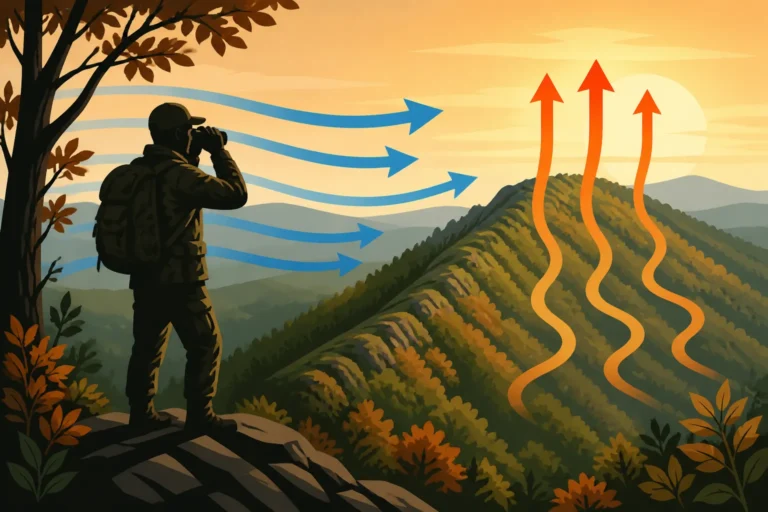
Topographic maps can reveal subtle elevation changes that might create natural funnels or hidden benches where deer like to travel. Imagine finding a ridge-top saddle for rutting bucks that might be overlooked by hunters sticking to creek bottoms. Use the contour lines to visualize how deer might move with the wind and thermals on a Piedmont ridge. Look for pinch points created by steep terrain or water features. Mark potential stand locations based on prevailing winds and expected deer movement. This pre-season e-scouting allows you to virtually cover vast amounts of public land quickly, narrowing down your search areas before you ever hit the dirt. It's a huge advantage, letting you arrive with a plan instead of just wandering around hoping to stumble upon a hot spot. The more information you can glean from maps, the more efficient your on-the-ground scouting, and ultimately, your hunting, will be.
Effective Hunting Tactics During the Antlered-Only Window
Once you've done your homework and scouted your areas, it's time to translate that knowledge into actual hunting success. The antlered-only restriction on public land means your tactics need to be precise and buck-focused.
Still Hunting and Spot-and-Stalk
Still-hunting is an art form, especially in environments like still-hunting Bankhead Forest ridges. It involves moving incredibly slowly and deliberately through the woods, pausing frequently to observe, listen, and scan your surroundings. This tactic is highly effective in dense timber or areas with varied terrain where you can use cover to your advantage. During an antlered-only window, you're not just moving to cover ground; you're moving to encounter a buck on its terms, often catching it off guard. Focus on areas where you’ve identified buck sign or likely travel corridors. Use binoculars to thoroughly pick apart distant cover.
Spot-and-stalk can be incredibly challenging in Alabama's typically thick vegetation but can be deadly in more open areas, like clear-cuts or along field edges if allowed. It involves locating a buck from a distance and then meticulously planning a stalk to get within range. Wind direction is paramount for both these methods; a shifting wind will blow your cover every time. Think about how to use terrain features to mask your movement and sound. If you're hunting in areas like the Wiregrass Region pine flats, where visibility might be a bit better, this could be a viable option. Success here hinges on patience, stealth, and an intimate understanding of the wind.
Stand Placement for Cruising Bucks
Proper stand placement is crucial for any deer hunter, but during an antlered-only window, it needs to be laser-focused on intercepting bucks. Whether you're hanging a stand on a Talladega ridge or setting up on a Black Belt field edge, your primary goal is to catch a buck moving during legal shooting hours. Bucks often "cruise" during this time, moving from bedding to feeding, or just generally scent-checking for does, even if the peak rut isn't fully on.
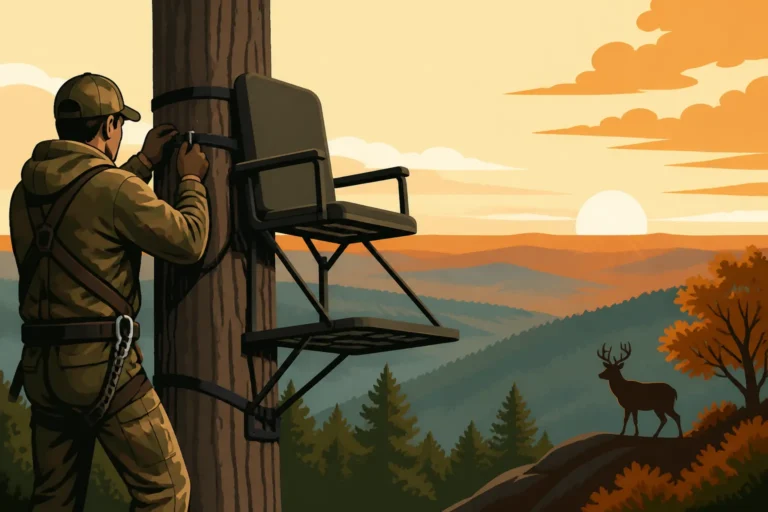
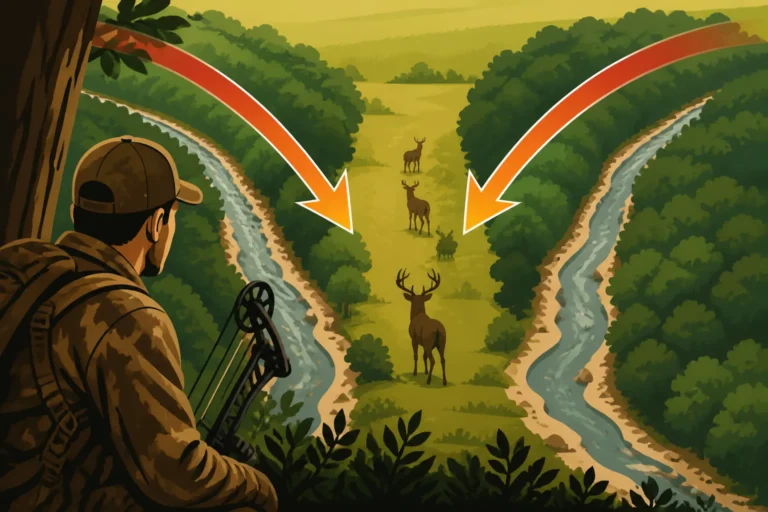
Look for natural funnels between two creek bottoms, pinch points, or saddle formations on ridges. These are areas where buck movement is naturally restricted or concentrated. Consider prevailing winds for your setup; you want your scent to blow away from the deer's approach path. Early morning and late afternoon are prime times, so position your stand to catch deer moving from night feeding areas back to bedding, or vice-versa. Don't be afraid to experiment with different types of stands. A climbing stand offers mobility on public land, allowing you to adapt quickly to fresh sign. A well-brushed in a blind on a field edge can offer comfort and concealment, especially when you anticipate longer sits. Remember that the goal is to be invisible and odorless, allowing you to get a shot at a buck that might just be passing through.
Calling and Decoys
Calling and decoying can be powerful tools during the antlered-only season, especially as the rut approaches or during its early phases. Rattling and grunting in Alabama can be highly effective, but the key is timing and volume. Early in the season, before bucks are thinking about breeding, aggressive rattling might scare them off. A soft grunt or tending grunt, however, can pique a buck's curiosity. As the rut heats up, more aggressive rattling can mimic a buck fight, drawing in curious or territorial bucks. Pay attention to rattling volume in thick pine cover versus more open hardwoods; you want to sound realistic for the environment.
Decoys can also be effective, particularly a single buck decoy or a doe decoy, depending on the phase of the season. During the antlered-only period, a buck decoy can challenge a dominant buck or attract a curious younger buck. Placement is important; ensure the decoy is visible and facing a direction that presents a good shot opportunity. Always be aware of hunting pressure; if other hunters are common in your area, using a decoy might be risky as it could attract unwanted attention or be mistaken for a live deer. Always wear blaze orange when using a decoy, especially on public land. Learning the nuances of deer vocalizations and body language is key to successfully integrating calling and decoying into your strategy.
Dealing with Pressure and Hunter Density
Public land hunting, particularly during popular periods like the antlered-only window, invariably means dealing with other hunters. Managing this pressure is as much a part of the hunt as finding deer sign.
Avoiding Other Hunters
One of the biggest frustrations on public land is the sheer number of other hunters, especially on opening weekend crowds in Zone A. To stand a chance at an antlered buck, you often need to put in the effort to get away from the crowds. This usually means walking further than most people are willing to go. While many hunters stick close to parking areas or easily accessible trails, truly remote areas often hold undisturbed deer.
Utilize your e-scouting tools, like GoHunt, to identify areas that are a mile or more from the nearest access point. Look for natural barriers like creeks, steep ravines, or dense thickets that discourage casual hunters. These areas, while requiring more physical exertion to reach, can offer a much more serene and productive hunting experience. Consider using unconventional entry routes through standing peanuts or along old, overgrown logging roads. The extra effort often translates into encountering less pressured, more natural buck movement. Remember, if it looks easy to get to, it probably sees a lot of traffic. The harder the hike, the better your chances of finding unpressured deer.
Utilizing Remote Areas
Deep dives into remote public land can dramatically increase your chances of finding a mature buck during the antlered-only season. These areas, often characterized by rugged terrain, dense cover, or significant walking distance from roads, act as sanctuaries for older, wiser deer. Bucks learn quickly where human pressure is highest and will retreat to these less-disturbed havens.
When scouting with your mapping apps, look for large blocks of public land that are away from major roads, particularly within the vastness of Talladega National Forest or William B. Bankhead National Forest. Identify fingers of timber, isolated thickets, or steep slopes that are difficult to access. These are the places where Bankhead Forest bucks bed and where they feel safe enough to move during daylight hours. You might need to carry more gear, pack enough water, and be prepared for a long haul to drag a deer out of a river bottom or steep terrain. But the reward of encountering an unpressured buck in its natural element often outweighs the physical demands. This approach requires physical fitness and a strong mental game, but for trophy-minded public land hunters, it's often the only way to consistently find success.
Adapting to Hunting Pressure
Sometimes, avoiding other hunters isn't entirely possible, especially on smaller WMAs or during peak times. In these situations, your best bet is to adapt your strategy to the existing pressure. Instead of trying to find areas with no hunters, focus on finding ground others walk past or leveraging how other hunters move deer. When deer are being pushed by other hunters, they often move along subtle escape routes, using thick cover or topography to their advantage.
Consider setting up on the downwind side of known hunting pressure. If you know a group of hunters typically still-hunts a certain ridge, position yourself in a funnel or thicket further down where deer might escape. Deer drives with three or four hunters can move deer, creating opportunities for stand hunters. Hunting after a cold front can sometimes reset deer movement patterns, as deer become more active after periods of bad weather. The key is observation: watch how other hunters move, listen for shots, and try to anticipate how deer will react. This adaptive strategy requires flexibility and the ability to think on your feet, but it can turn potential frustration into a successful hunt by turning other hunters' movements to your advantage.
Post-Hunt Considerations and Season Extension
Harvesting an antlered buck on public land during an antlered-only window is a significant accomplishment. But the hunt doesn't end when the shot is fired; there are important steps to follow and lessons to learn.
Tracking and Recovery
Once you've taken a shot, the most critical next step is a calm, methodical tracking and recovery process. Even a seemingly good shot can result in a longer track than expected. In Alabama's often thick terrain, tracking a deer through Alabama pine straw or dense undergrowth can be incredibly challenging. Give the deer time, especially if the shot wasn't perfect. A gut-shot deer, for instance, might need several hours, or even overnight, before you begin tracking. A good rule of thumb is to wait at least 30-60 minutes for a suspected good shot (heart/lungs) and 4-6 hours, or more, for a liver shot. For gut shots, waiting 8-12 hours or even until morning is often best.
Mark your last known spot of the deer and the point of impact meticulously. Look for blood, hair, bone, and any other sign. Move slowly, carefully scanning the ground. If you lose the trail, spread out and grid search, always looking ahead and to the sides. Blood trailing after dark in Alabama adds another layer of difficulty, so consider retrieving a deer from a river bottom or other challenging terrain with a good flashlight or headlamp. If you truly hit a wall, don't be afraid to call in help from friends or even a blood-trailing dog service, which are becoming more common in Alabama. A responsible hunter ensures every effort is made to recover an animal.
Learning from Each Hunt
Every hunt, whether successful or not, offers invaluable learning opportunities. Take the time to analyze what happened. If you harvested a buck, what was it doing? Where was it coming from and going to? What was the wind doing? What time of day was it? If you didn't see anything, consider why. Was your stand placement off? Did the wind betray you? Was there too much pressure? Using the Outdoor Alabama App and marking locations like rubs, scrapes, and deer sightings can help you build a detailed record of buck activity over time.
This ongoing analysis helps refine your strategy for future hunts, including preparing for later season opportunities. Understanding late-season food sources for Alabama whitetails, like unpicked crops or specific hard mast, can be just as crucial as understanding early season patterns. By keeping meticulous notes and reflecting on each outing, you'll develop a deeper understanding of deer behavior on your chosen public lands. This continuous learning process is what truly separates seasoned hunters from those who just go to the woods.
Extending Your Season and Opportunities
The antlered-only window is just one part of Alabama's diverse deer season. Once this period closes, or if you still have tags to fill, your opportunities often expand. Many WMAs and National Forests eventually transition to either-sex hunting, offering the chance to fill two unantlered tags in Zone A or take advantage of the late February either-sex window.
| Season Phase | Typical Harvest Opportunity | Primary Hunting Strategy Focus | Key Public Land Areas |
|---|---|---|---|
| Early Antlered-Only | Antlered Bucks (1-2 points) | Scouting fresh buck sign, low pressure movement, e-scouting | National Forests (Talladega, Bankhead), larger WMAs |
| Peak Rut (if Antlered-Only) | Antlered Bucks (All points) | Calling, rattling, intercepting cruising bucks, stand placement | Black Belt region WMAs, specific National Forest blocks |
| Late Antlered-Only | Antlered Bucks (Any legal) | Focus on persistent food sources, thick cover, unpressured areas | River bottoms, remote WMA tracts, standing cover after harvest |
| Either-Sex (later) | Antlered & Unantlered Deer | Food sources, bedding areas, high-traffic corridors, adapting to pressure | All public lands opening to either-sex regulations |
Consider the various hunting methods allowed throughout the state. Beyond gun seasons, crossbow rules during Alabama archery season or Muzzleloader deer hunting in Alabama offer unique opportunities. Don't forget about other game species; Alabama's year-round feral hogs can provide an exciting challenge once deer season winds down, and spring turkey hunting in Alabama offers an entirely different but equally thrilling pursuit. The more you learn about the different seasons and methods, the more you can extend your time afield and maximize your overall hunting experience in Alabama.
Disclaimer
Hunting is an inherently dangerous activity. Always prioritize safety, understand and follow all Alabama Department of Conservation and Natural Resources (ADCNR) regulations, and respect private property. This guide is for informational purposes only and does not replace official hunting regulations or hunter education.