Hunting a Green Field Planted for Deer
Hunting a green field planted for deer can feel like a game of chess against a truly wily opponent. You know the deer are in there, munching away on that lush forage you (or someone else) worked so hard to plant, but actually getting a shot often feels impossible. They seem to know the moment you step foot near the field, disappearing into the timber as if by magic. This guide is all about dissecting the art and science of hunting these vital food sources in Alabama, helping you understand deer behavior around them and giving you the concrete strategies you need to fill your tag.
Understanding Green Fields and Deer Behavior
Green fields, also known as food plots, are specifically planted areas designed to attract and hold deer. They're magnets, especially when natural food sources dwindle or during specific times of the year. But it’s not as simple as just sitting on the edge and waiting. Deer use these fields differently based on the time of year, what's planted, and how much pressure they're experiencing.
What Makes Green Fields So Attractive to Deer?
Think about it from a deer's perspective: a green field is essentially an all-you-can-eat buffet that’s easily accessible. In Alabama, especially after the acorn crop is gone or during the late season, those lush plots of clover, oats, wheat, rye, or brassicas become absolute hotspots. Deer are always looking for the most nutritious, easiest-to-find food, and a well-maintained green field ticks all those boxes. They provide essential protein and energy, which is crucial for antler growth in bucks and lactation for does.
Consider a crisp October morning when the acorns haven't really started dropping heavy yet. A small plot of young winter wheat can be the absolute draw for a bachelor group of bucks still holding together. As the season progresses and the woods turn brown and crunchy, that same plot, especially one planted with something like high-sugar radishes or turnips, becomes an even more invaluable source of sustenance. This makes them prime locations for hunters. It's not just about food, though. Green fields often provide a sense of security, being open enough for deer to scan for predators while they feed, particularly if they're close to thick cover. This makes understanding their travel patterns into and out of these fields critical for success.
Seasonal Movement Patterns Around Food Plots
Deer don't use green fields uniformly throughout the hunting season; their patterns shift dramatically. In the early archery season, especially if temperatures are still warm, you might see more nocturnal activity or deer only venturing out during low light. As the weather cools and the rut approaches, their daytime visits increase significantly.
For instance, during Alabama's early archery season, you might find deer hitting a freshly sprouted clover plot right at dusk, often a doe group. Bucks might follow later, after dark, or stay concealed in nearby cover. However, once the pre-rut kicks in, often around mid-November in much of Alabama, bucks will start checking those fields more often, looking for receptive does. They might cruise the edges, scent-checking for does, or even chase one right through the middle of the field in broad daylight. You might want to brush up on Hunting the Rut in the Southern Zones or Hunting the Rut in the Northern Zones depending on where you are.
Later in the season, particularly after the peak of the rut and through January, when natural forage is scarce, these green fields become even more critical. Deer might spend longer periods feeding in the fields, and they become more visible during daylight hours. This is especially true for does and young bucks trying to pack on calories to make it through winter. Sometimes, during a cold snap, they’ll abandon other food sources almost entirely for the high-energy boost a brassica plot offers. This seasonal shift in behavior dictates when, where, and how you should hunt these plots.
Scouting and Stand Placement Strategies
Effective hunting of green fields starts long before you ever step foot in your stand. It’s all about meticulous scouting and strategic placement. You need to understand not just if deer are using the field, but how they’re using it, when, and from where.
Identifying Key Entry and Exit Routes
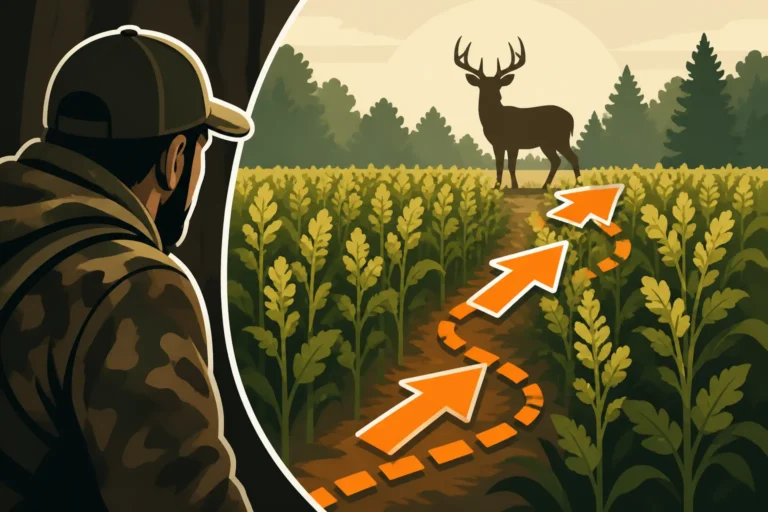
This is where the rubber meets the road. Deer rarely just pop out into a field from a random spot. They use established travel corridors, often hidden from casual view. Look for well-worn trails entering and exiting the green field, especially where thick cover meets the open plot. These trails might be along fencerows, through dense pine thickets, or following creek bottoms. A single, wide trail indicates heavy use, but don't overlook smaller, less obvious paths, especially if they lead to an unpressured bedding area.
Imagine you're scouting a large rectangular green field near Bankhead National Forest. You might find a major trail on one corner that connects to a thick clear-cut, but then you notice a subtle path on the opposite end, winding through some mature hardwoods towards a bedding ridge. The main trail might be used by a large doe group, while the smaller path could be a mature buck's preferred, more secretive approach. This is where tools like GoHunt’s mapping software become invaluable. You can zoom in, analyze terrain features, identify bottlenecks, and see how different cover types intersect with the field. This helps you visualize potential travel routes, even before you put boots on the ground.
Strategic Stand and Blind Placement
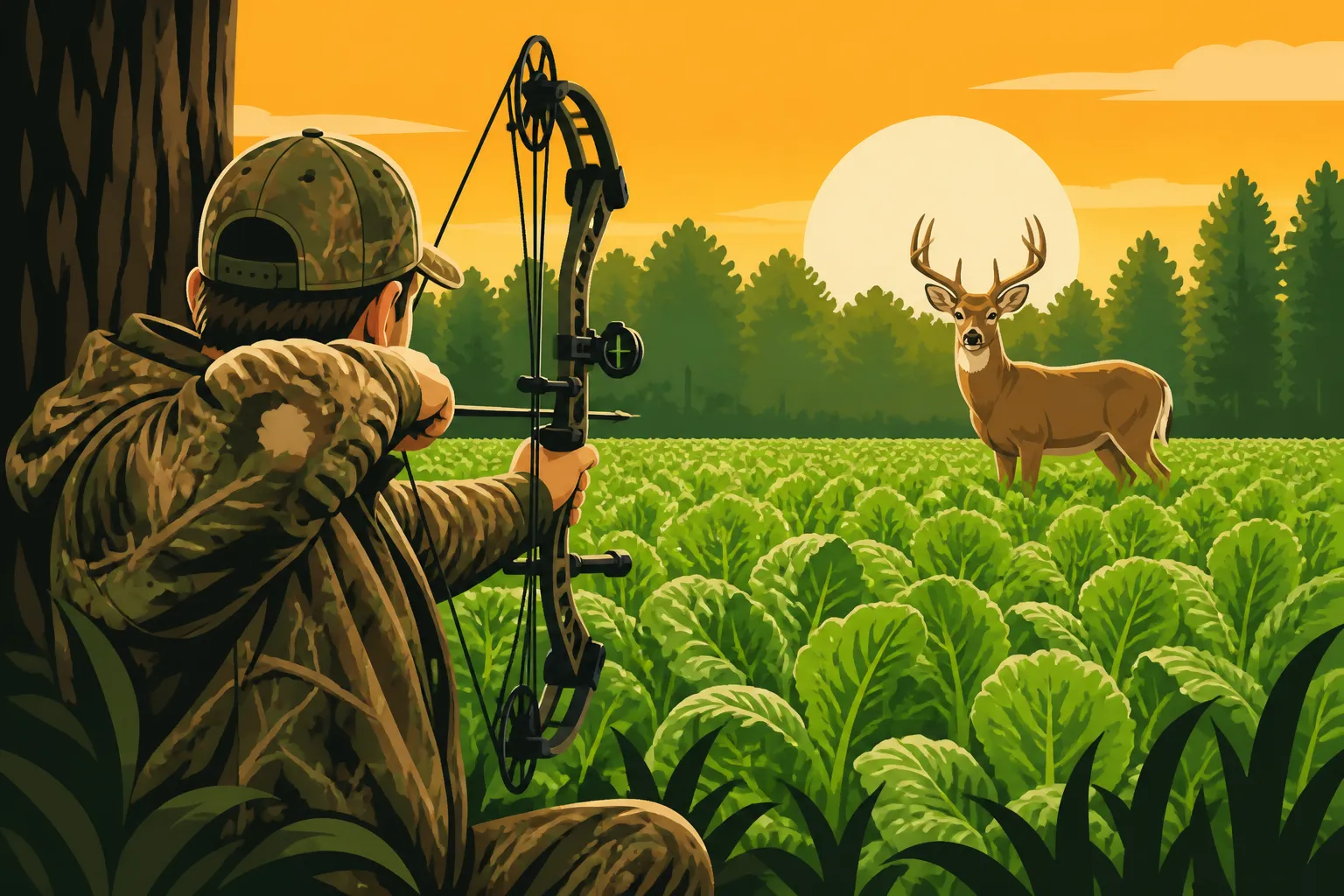
Once you've identified the key entry and exit routes, it's time to pick your stand location. This is perhaps the most critical decision you'll make. Your stand needs to give you a clear shot at a primary travel corridor or a key feeding area within the plot, all while minimizing your scent and sight profile.
- Wind is King: Always, always consider the prevailing wind. You want your scent to blow away from where you expect deer to approach or be in the field. This often means having multiple stand options for different wind directions. If the wind is blowing your scent across their entry trail, you're busted before you even get settled. It's truly a frustration when you've done everything right but the wind shifts at the last minute. For example, if you plan to hunt an afternoon bite and the wind is coming from the north, you'll want to be on the south side of the field, so your scent blows into the open field, not into the timber where deer will stage.
- Cover and Concealment: Your stand needs to blend in. Whether it's a treestand high in an oak on the field edge or a well-brushed-in ground blind, minimize your silhouette. If you're using a ground blind, ensure it's been out for a while so deer are accustomed to it, and brush it in thoroughly. I've seen too many hunters simply plop a blind down and wonder why deer give it a wide berth.
- Approach and Exit: How will you get to and from your stand without spooking deer already in or near the field? This might mean using a creek bed, a ditch, or a dense fencerow. Plan your entry and exit routes meticulously, especially in low light. Nothing ruins a hunt faster than bumping deer on your way in. For more general scouting tips, check out Scouting Alabama Public Land Before Season. And if you're thinking about a blind, there's a good guide on Using a Ground Blind on Alabama Public Land that might help.
Table: Pros and Cons of Common Green Field Stand Types
| Stand Type | Pros | Cons | Ideal Scenario |
|---|---|---|---|
| Treestand | Elevates scent, wider field of view, natural concealment with canopy. | Limited mobility, setup can be noisy/intrusive, requires climbable trees. | Tall timber on field edge, targeting deer entering a specific trail. |
| Ground Blind | Excellent concealment, weather protection, good for youth/mobility issues. | Scent is at ground level, deer may be wary of new objects, limited field of view in dense cover. | Open field edges, consistent wind, long pre-season setup time. |
| Natural Blind | Minimal impact on deer, no gear to carry in/out, flexible. | Requires significant natural cover, often less comfortable/weather-resistant, limited elevation. | Quick setup for scouting new areas, highly pressured deer. |
Tactics for Hunting Green Fields Effectively
It's not enough to just pick a spot and wait; you need to employ specific tactics to maximize your chances of success in a green field. These strategies hinge on understanding deer's natural caution and leveraging specific times and conditions.
Timing Your Hunt: Mornings, Evenings, and Weather
Knowing when to hunt a green field is almost as important as where to hunt it. Generally, green fields are hotspots during the last hour or two of daylight as deer leave their bedding areas to feed. However, morning hunts can also be incredibly productive, especially if you can get into your stand undetected before dawn.
- Evening Hunts: These are often the most popular and productive. Deer, feeling secure after a day of bedding, will slowly make their way to the fields to graze. Position yourself to intercept them as they approach the field, rather than waiting for them to be in the middle of it. This often means being deeper in the timber along their travel corridor. Pay close attention to the specific food source planted. Deer might prefer one field over another based on what's available and their nutritional needs.
- Morning Hunts: These require extreme stealth. You need to be in your stand well before first light, often an hour or more, to avoid spooking deer that might still be feeding or lingering from the night. Deer will typically move from the field back to bedding cover as daylight approaches. Setting up to catch them leaving the field, or feeding briefly before heading to bed, can be very effective. This requires an even more careful entry route, often walking in darkness with a good headlamp on a trail you've scouted thoroughly. Remember that Warm-Weather Sitting Strategy in Alabama often applies to those early morning or late evening sits.
- Weather Conditions: A sudden cold front can dramatically increase daytime deer activity in green fields, as deer seek to fuel up. Overcast days or light rain can also be excellent, as deer feel less exposed than on bright, sunny days. Conversely, strong winds can make deer skittish and unpredictable, often keeping them closer to dense cover. The best advice is to use an app like GoHunt to track changing weather patterns and adjust your strategy accordingly.
Using Decoys and Calls Near Plots
While a green field itself is a powerful attractant, you can sometimes sweeten the pot with decoys and calls, especially during the rut. It's not always necessary, but these tools can sometimes be the difference-maker.
- Deer Decoys: A single doe decoy, positioned in the field where it's visible but not directly in your shot line, can draw in curious bucks. During the rut, a buck decoy can challenge dominant bucks or attract younger ones looking for a fight. Placement is key: position it facing away from you, as a real deer would, and quartering slightly to appear inviting. Always be aware of other hunters in the area if using decoys, especially on public land.
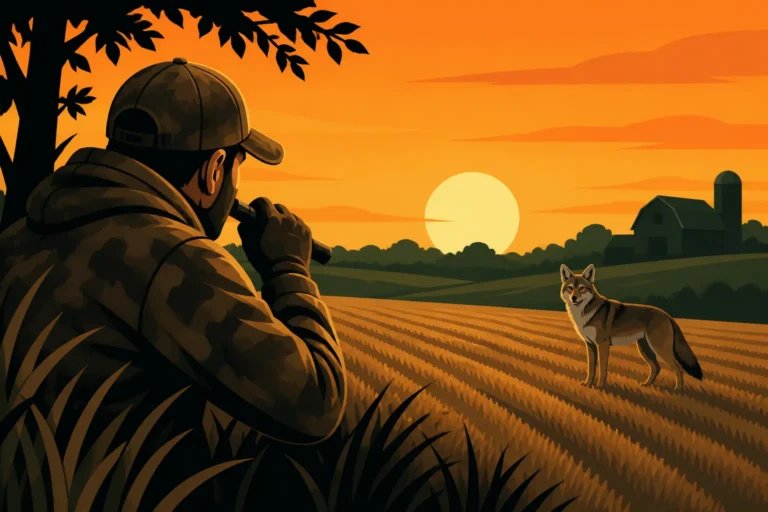
- Calling Strategies: Light grunts and bleats can work wonders, especially during the rut. A soft doe bleat might entice a buck cruising the field edge to investigate. During the peak of the rut, rattling antlers can draw in aggressive bucks looking for the source of a fight. Just be cautious not to overcall, particularly if deer are already visible or if the pressure is high. Subtle, infrequent calls are often more effective than aggressive, continuous sequences. For more on this, check out Rattling and Grunting in Alabama. The key is to make it sound natural and like a deer could actually be making that noise in the general area.
Minimizing Your Pressure and Scent
Deer are incredibly sensitive to human presence, and green fields, being open areas, amplify this sensitivity. Every step you take, every scent molecule you leave behind, contributes to educating the deer.
- Scent Control: This is paramount. Shower with scent-eliminating soap, wear clean hunting clothes, spray down with scent killer, and use an ozone generator if you have one. More importantly, minimize walking directly through the field or on their main travel paths. Keep wind direction in mind for every entry and exit. The deer’s nose is their primary defense mechanism, and in an open area like a green field, any foreign scent will immediately put them on high alert.
- Stealthy Entry and Exit: As mentioned before, plan your routes. Use natural terrain features like creek beds, drainage ditches, or fencerows to conceal your movement. Walk slowly, quietly, and avoid breaking branches or rustling leaves unnecessarily. If you spook deer coming in, they'll often avoid that field for days, if not longer. This applies just as much to private land as it does to Hunting Pressure on Alabama Public Land, where deer are often even warier. GoHunt also offers features that let you mark your entry and exit routes, helping you stick to them in the dark.
- Limiting Visits: Don't overhunt a single green field. If you hunt it too often, deer will pattern you and start avoiding it during daylight hours. Sometimes, one hunt every few days, or even once a week, depending on pressure, is more effective than daily visits. Let the deer feel comfortable using it again.
Common Mistakes and How to Avoid Them
Hunting green fields can be incredibly rewarding, but it's also ripe for common pitfalls that can quickly spoil your chances. Being aware of these mistakes and actively working to circumvent them will significantly improve your success rate.
Ignoring Wind Direction
This is probably the single biggest mistake hunters make when approaching or sitting a green field. It's easy to get fixated on the perfect tree or the widest shooting lane and completely forget that a deer's nose is its primary defense. When your scent blows into the field or, worse, across the trail deer use to enter, you've already lost the battle. The frustration of seeing a mature buck suddenly bolt for no apparent reason, only to realize later that the wind swirled for a second, is universal.
To avoid this, always check the wind before you even leave your truck. Don't just rely on a general weather forecast; use a wind checker or a mobile app to get real-time, hyper-local wind data. Have multiple stand options for different wind directions around the same field. If the wind isn't right for your primary spot, go to your secondary, or don't hunt that field at all. Sometimes, the best hunt is the one you don't take, saving that spot for optimal conditions. This also ties into being mindful of Wind and Thermals on a Piedmont Ridge if your field is in rolling terrain.
Impatient and Noisy Entries or Exits
The excitement of hunting can sometimes make us rush, leading to noisy entries and exits that spook deer. Imagine you've spent hours setting up a perfect stand on a field edge, but you crunch loudly through dry leaves on your way in, sending deer scattering. Or, after a fruitless evening hunt, you clamber out of your stand and stomp back to your truck, blowing out any deer that might have been waiting just out of sight.
Patience and stealth are your best allies. Plan your entry and exit routes meticulously, ideally using natural cover or low-lying areas. Walk slowly, deliberately, and quietly. Use a high-quality headlamp with a red or green light setting for minimal disturbance in the dark. If you're on public land, especially in a popular area like Skyline Wildlife Management Area, recognizing that other hunters will be doing the same means you need to be even more cautious. Take your time, focus on every step, and assume deer are always just around the next bend.
Overhunting a Productive Field
It's tempting. You find a green field that deer are absolutely hammering, and you want to be there every time. But consistent human pressure, no matter how careful, will eventually turn a daylight hotspot into a nocturnal buffet. Deer are smart; they learn quickly. They'll adjust their patterns to avoid your presence, often opting to feed only under the cover of darkness. This is a classic hunting frustration: ruining a good spot by loving it too much.
Instead of hitting the same field day after day, rotate your spots. If you have access to multiple green fields or other attractive food sources, use them. Hunt a particular green field perhaps once or twice a week, or after a significant weather change, and then let it rest. This allows deer to regain their confidence and return to their natural daytime feeding patterns. You might even consider scouting for Late-Season Food Sources for Alabama Whitetails other than green fields to take some pressure off your primary spots. Sometimes, a well-placed trail camera, like those supported by GoHunt's data management features, can tell you when deer are using the field without requiring your physical presence, helping you decide when to hunt and when to let it rest.
Disclaimer
Hunting is an activity with inherent risks. Always prioritize safety, adhere to all local and state hunting regulations, and ensure you have the proper licenses and permits before heading afield. The information provided here is for educational purposes and should not replace professional advice or official regulations.