Hunting a Managed Quail Plantation
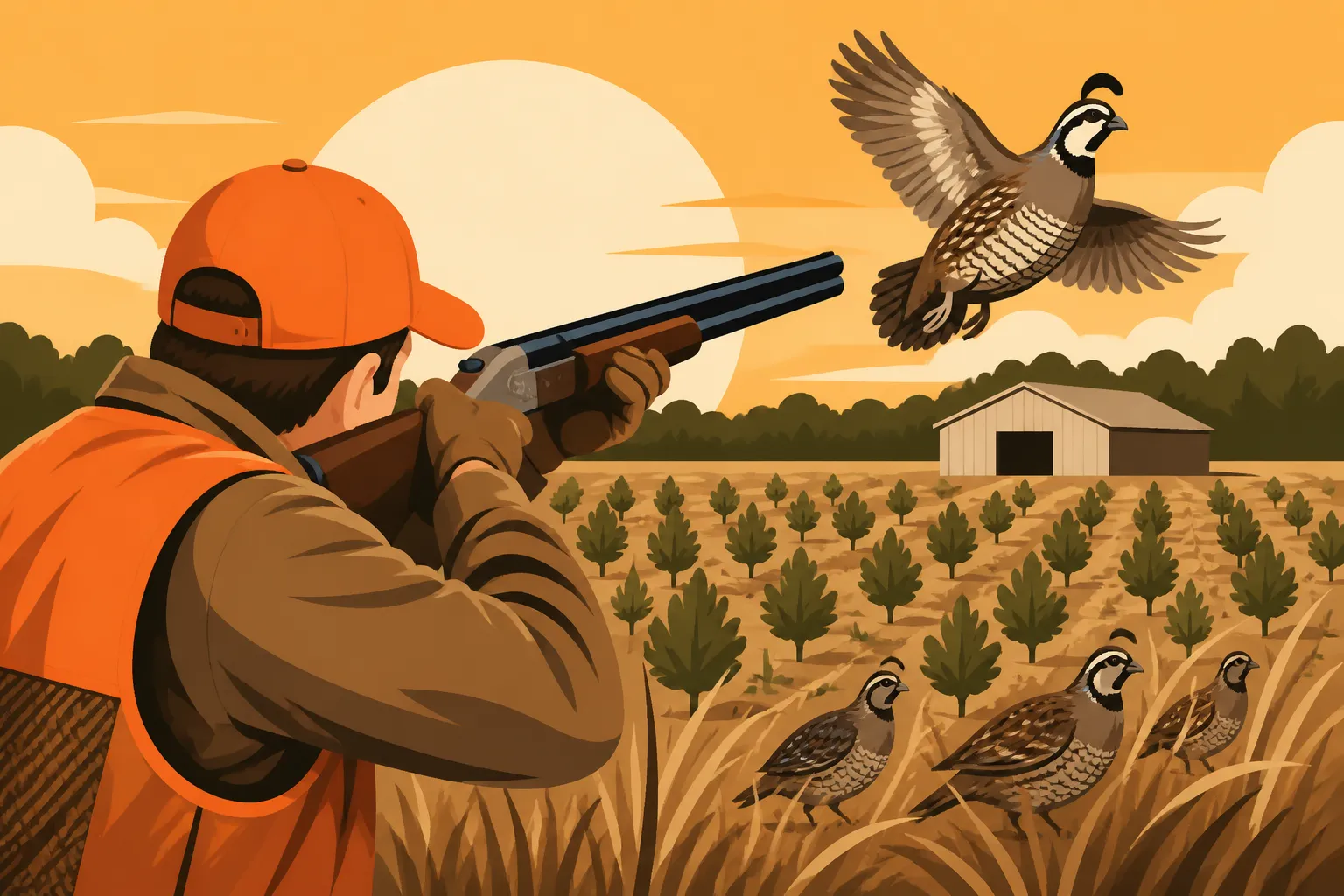
The yearning for a classic covey rise, the thrill of pointing dogs locked on scent, and the satisfying flush of bobwhite quail has become a dream for many hunters. While wild quail populations have faced significant challenges across the country, Alabama is home to incredible managed plantations that offer an unparalleled experience, bridging the gap between nostalgic tradition and accessible, high-quality hunting opportunities. This guide will walk you through everything you need to know about what makes these plantations special and how to make the most of your hunt.
The Lure of Managed Quail Plantations
There’s a certain romance to quail hunting, a feeling tied to rolling fields, longleaf pines, and the sharp whistle of a bobwhite. For many, that romance felt like it was fading with declining wild bird numbers. But here in Alabama, managed quail plantations have stepped up to keep that tradition alive and thriving, offering experiences that are both authentic and remarkably consistent.
Why Managed Plantations are Thriving in Alabama
Let's be honest, finding consistent wild quail numbers on public land or even small private tracts in Alabama can be tough these days. Habitat loss, changes in agricultural practices, and increased predation have all taken their toll. It's a frustration many of us share, lamenting the "good old days" when coveys seemed to pop up everywhere. This is where managed plantations shine. These operations are essentially habitat sanctuaries, often located in prime quail country like the famed Black Belt region. They invest heavily in creating and maintaining ideal conditions for bobwhite quail, sometimes even focusing on wild birds rather than just released birds.
They understand that quail need specific types of cover – open pine savannas, native grasses, and abundant food sources – not dense, monoculture timber. This intensive management, often rooted in historical land practices, has allowed them to buck the trend of decline, providing a glimpse into what quail hunting once was and, thankfully, still can be. If you're looking to understand the bigger picture of why these places are so vital, taking a deep dive into Alabama's Historic Quail Decline can shed a lot of light on the monumental efforts involved in their resurgence.
What Makes a Quail Plantation "Managed"?
When you hear "managed," it’s easy to imagine something artificial, but it's really about dedicated, science-backed habitat work. These plantations are ecosystems intentionally crafted to maximize quail health and numbers. Think prescribed burning, which mimics natural fire cycles to clear underbrush and promote native forb and grass growth. They'll also engage in strategic timber thinning, especially in longleaf pine stands, to create the open canopy and sparse mid-story that quail absolutely love. You might even want to check out How Managed Pine Restored Black Belt Quail for a deeper understanding of this crucial habitat work.
Food plots aren't just for deer; many plantations plant specific native seeds like partridge pea, ragweed, and lespedeza that provide essential nutrition for quail. Predator control, targeting species like raccoons, opossums, and even feral hogs, helps protect nests and young birds. And, yes, many plantations do supplement their wild populations with pen-raised birds to ensure a consistent hunting experience, especially during the peak season. These released birds are usually conditioned to act "wild" and provide challenging flying opportunities. It’s a holistic approach, far beyond just putting out some feed.
Understanding the Different Hunt Styles
One of the great things about managed quail plantations in Alabama is the variety of experiences they offer. Whether you're looking for a leisurely, social outing or a more physically demanding, immersive hunt, there's likely a style that fits your preference.
Traditional Wagon Hunts and Their Charm
For many, the image of a traditional quail hunt instantly conjures up scenes of mule-drawn wagons, comfortable seating, and a string of well-trained bird dogs working the fields. This isn't just a nostalgic throwback; it's a wonderfully relaxed and highly social way to experience the hunt. You'll typically ride in a custom-built wagon, often pulled by a team of mules or horses, moving slowly through the habitat.
The dog handlers, sometimes on horseback, direct their pointers and setters as they sweep through cover. When the dogs lock up on a covey, the wagon stops, and hunters dismount to walk in for the flush. It's an excellent option for groups, families, or anyone who appreciates a more leisurely pace without sacrificing the excitement of the hunt. The breaks between flushes often involve good conversation, enjoying the scenery, and perhaps a warm cup of coffee or a cold drink. It’s an immersive experience where the journey between coveys is as much a part of the fun as the flush itself. This style truly embodies the spirit of Quail Hunting Alabama's Black Belt.
Walking Hunts for the Active Hunter
If you prefer to be on your feet, covering ground alongside the dogs, then a walking hunt is probably more your speed. This style is more physically demanding, as you’ll be traversing varied terrain, from open pine stands to brushy edges and native grass fields. Groups are often smaller, typically two to four hunters, allowing for a more intimate interaction with the dogs and the environment.
While you'll still have a guide and dog handler, you’ll be an active participant in every step of the process, literally. Often, a UTV or truck will be used to transport hunters and dogs between different hunting blocks, saving some legwork but still requiring a good amount of walking during the actual hunt. This type of hunt appeals to those who enjoy the physical challenge and the deeper connection forged by observing the dogs up close as they meticulously search for birds. It’s a fantastic way to experience the nuances of Working a Black Belt Quail Covey Rise firsthand.
The Unsung Heroes: Quail Dogs and Handlers
No quail hunt, especially on a managed plantation, would be complete without the stars of the show: the dogs and their handlers. Their partnership is truly an art form, honed over countless hours in the field, and it’s a privilege to witness.
The Art of the Pointing Dog
Pointing dogs are more than just pets; they are highly specialized athletes trained to find, point, and retrieve quail. Breeds like English Pointers, English Setters, German Shorthaired Pointers, and Brittanys are common sights on Alabama plantations. Their training begins early, focusing on scent work, obedience, steadying to shot, and retrieving.
When you're out in the field, watching a well-trained dog work is mesmerizing. They'll run in wide, sweeping casts, noses to the wind, searching for the tell-tale scent of a covey. The moment they hit that scent, their body language changes, becoming tense, deliberate, and finally, they lock into an immovable "point," often with tail high and nose aimed directly at the hidden birds. The anticipation at that moment is palpable. Often, other dogs will "honor" the point, backing up their brace mate by pointing from a respectful distance. It's a testament to their training and instinct, and understanding how these dogs operate is key to appreciating Working Pointing Dogs on Black Belt Quail.
The Skill of the Professional Handler
While the dogs possess incredible instincts, it’s the professional handler who orchestrates the hunt. These individuals are true experts, often with decades of experience reading their dogs, understanding quail behavior, and intimately knowing the nuances of the habitat. They're the ones who decide which direction to send the dogs, anticipate where a covey might be hiding, and manage the rhythm of the hunt.
A good handler is also a safety maestro, ensuring that hunters are positioned correctly before the flush, always aware of gun muzzles and shot zones. They call the shots (literally, sometimes!), letting hunters know when to walk in, when to be ready, and when to retrieve. Their communication with the dogs, often a series of whistles and hand signals, is subtle but incredibly effective. They're not just guiding you to birds; they're curating an entire experience, ensuring it's both productive and safe.
What to Expect on a Typical Quail Plantation Hunt
Stepping onto an Alabama quail plantation for the first time can be a little daunting if you don't know the drill. But rest assured, these operations are designed to make the experience enjoyable and seamless, whether you're a seasoned wingshooter or relatively new to the sport.
Pre-Hunt Briefing and Preparation
Your day will usually start with a warm welcome at the lodge. Before you head out, there’ll be a crucial pre-hunt briefing. This isn't just pleasantries; it's a vital safety talk. Your guide will cover the day's schedule, clarify any specific plantation rules, and emphasize safe gun handling practices. This might include instructions on how far to stay behind the dogs, where to stand during the flush, and what types of shots are safe to take. Most plantations require blaze orange, usually a hat or vest, for visibility.
You'll also confirm your ammunition. Typically, #7.5 or #8 shot is recommended for quail. Many plantations provide shells, or you can bring your own. It’s also a good time to ask any last-minute questions about the terrain or what to expect from the birds. Plan to arrive a bit before the scheduled start time to check in, get your gear sorted, and enjoy a cup of coffee or light breakfast often provided by the lodge.
The Flow of the Hunt: Finding and Flushing Birds
Once the briefing is done, you'll head out to the fields. The guide will release the dogs, and the hunt officially begins. You'll typically walk a line behind the dogs and handler, or if on a wagon hunt, dismount when the dogs go on point. The dogs will work the cover, methodically quartering the field.
The magic truly happens when a dog hits scent and locks up on a point. Your guide will direct you on where to stand, ensuring a safe shooting lane. Then, on command, you'll walk in towards the point. Quail are masters of camouflage, holding tight until the last moment. Suddenly, with a burst of wings and a flurry of chirps, the covey explodes into the air! This is where quick, instinctive shooting comes into play. You’ll pick a bird, swing through it, and fire. After the shot, the dogs (often specially trained retrievers) will typically find and bring back any downed birds. The process repeats, moving from covey to covey, creating a rhythm of anticipation, explosion, and retrieval.
Here’s a quick overview of the typical hunt styles:
| Hunt Style | Physical Demands | Group Size | Pace | Focus | Ideal For |
|---|---|---|---|---|---|
| Traditional Wagon | Low to Moderate | 4-8 hunters | Relaxed | Social, Classic Ambiance | Families, corporate outings, less mobile hunters |
| Walking Hunt | Moderate to High | 2-4 hunters | Active | Immersive, Dog Interaction | Active hunters, smaller groups, those seeking a challenge |
Essential Gear and Etiquette for Quail Hunting
Going on a guided quail hunt is a fantastic experience, but a little preparation can make it even better. Knowing what gear to bring and how to act respectfully will ensure a smooth and enjoyable day for everyone involved.
Shotguns, Ammunition, and Clothing
When it comes to shotguns, lighter is generally better for quail, as you'll be mounting it quickly and often. A 20-gauge or even a 28-gauge is a popular choice, though a 12-gauge with light loads works perfectly well too. Over/under or side-by-side shotguns are traditional and often preferred for their balance and quick handling. Chokes should be fairly open – improved cylinder or skeet chokes are excellent for the close-range shots typical of flushing quail. For ammunition, stick to #7.5 or #8 lead shot. Most plantations will specify or provide recommended shells.
Clothing is key for comfort and safety. Briar-proof pants or chaps are an absolute must, as you’ll often be walking through dense cover. Sturdy, waterproof upland boots are essential for navigating uneven terrain and wet grass. Layers are always a good idea, as mornings can be chilly and afternoons warm up, especially during Alabama's longer hunting seasons. A blaze orange vest or hat is usually required for safety, even if it's not explicitly stated in Alabama's Alabama Small Game Season Rules, it’s standard practice on plantations. Don't forget shooting glasses for eye protection and ear plugs or electronic hearing protection to safeguard your ears from repetitive gunshots. Gloves can also be helpful for warmth and hand protection from briars.
Plantation Etiquette and Safety
Etiquette on a guided hunt boils down to respect and safety. First and foremost, always listen to your guide. They are the expert on the ground, and their instructions are for your safety and success. Keep your gun's muzzle pointed in a safe direction at all times, especially when walking, mounting, or dismounting. Never swing on a low bird, or a bird on the ground, and be absolutely sure of your target and what's beyond it – including dogs and other hunters.
Respect the dogs. They are highly trained athletes, and their job is paramount. Do not attempt to call or command the dogs unless explicitly told to do so by the handler. Give them space to work, and if a dog is retrieving a bird, let it do its job. Finally, tipping your guide and dog handler is customary and greatly appreciated, reflecting their hard work and dedication. A general rule of thumb is 15-20% of the hunt cost, or a set amount per hunter, but ask the booking agent if you're unsure.
Choosing the Right Alabama Quail Plantation
Alabama has a rich tradition of quail hunting, and you’ll find a number of fantastic managed plantations, particularly in the Black Belt and southern regions. But how do you choose the one that's right for you? It pays to do your homework.
Vetting a Plantation: Questions to Ask
Before you book, ask plenty of questions. Don't be shy; reputable plantations will be happy to provide detailed answers.
- Bird Quality and Numbers: Are you hunting primarily wild birds, released birds, or a mix? What kind of bird numbers can you expect to encounter per day?
- Dog Quality and Experience: How many dogs will be run? Are they experienced, well-trained pointers and retrievers?
- Guide Experience: How long have the guides been working with quail? Are they knowledgeable about the habitat and bird behavior?
- Group Size: How many hunters are in a typical group? This affects the intimacy and pace of the hunt.
- Inclusions: What exactly is included in the price? This is crucial for understanding the true cost. Does it include shells, lunch, beverages, bird cleaning, or even an overnight stay?
- Location and Amenities: Where is the plantation located? Does it have a lodge, and what are the accommodations like?
- References and Reviews: Ask for references from past clients. Online reviews can also be helpful, but always take them with a grain of salt. Using resources like GoHunt, you can often find reviews and testimonials, along with direct contact information for reputable outfitters. It’s a great starting point for your research.
It’s also wise to inquire about license requirements. While most plantations don't require a special permit beyond a standard Alabama Hunting Licenses and What They Cost, it's always good to confirm. For younger hunters, remember to check Alabama Hunter Education Requirements as well.
Booking and What to Expect from the Investment
Quail plantation hunts are an investment, and the cost reflects the extensive land management, breeding programs (if applicable), dog training, guide salaries, and overall infrastructure. Expect pricing to vary based on the duration of the hunt (half-day, full-day, multi-day packages), the number of birds guaranteed or released, and the level of luxury at the lodge. You can get a good idea of what to budget by looking at What a Black Belt Quail Day Hunt Costs.
Booking in advance is usually a good idea, especially for prime dates during the season (which generally runs from November through February in Alabama). Deposits are standard to secure your reservation. While it might seem like a significant outlay, the value lies in the consistent opportunity to enjoy a truly classic hunting experience, complete with well-managed habitat, top-notch dogs, and professional guides. It’s about creating lasting memories and experiencing a piece of Alabama's rich hunting heritage that, thanks to these dedicated plantations, continues to thrive.
Disclaimer
Please note that hunting regulations, seasons, and licensing requirements can change. Always consult the latest official regulations from the Alabama Department of Conservation and Natural Resources (ADCNR) before planning any hunting trip. This guide provides general information and should not be considered legal advice.