William B. Bankhead National Forest Hunting
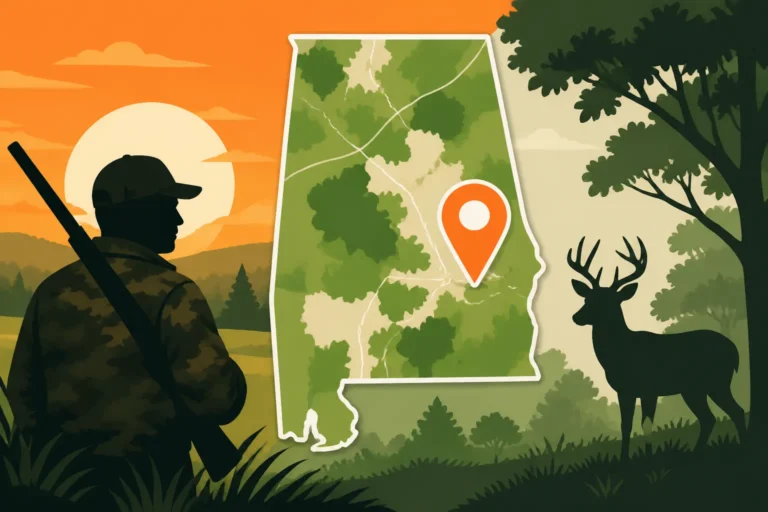
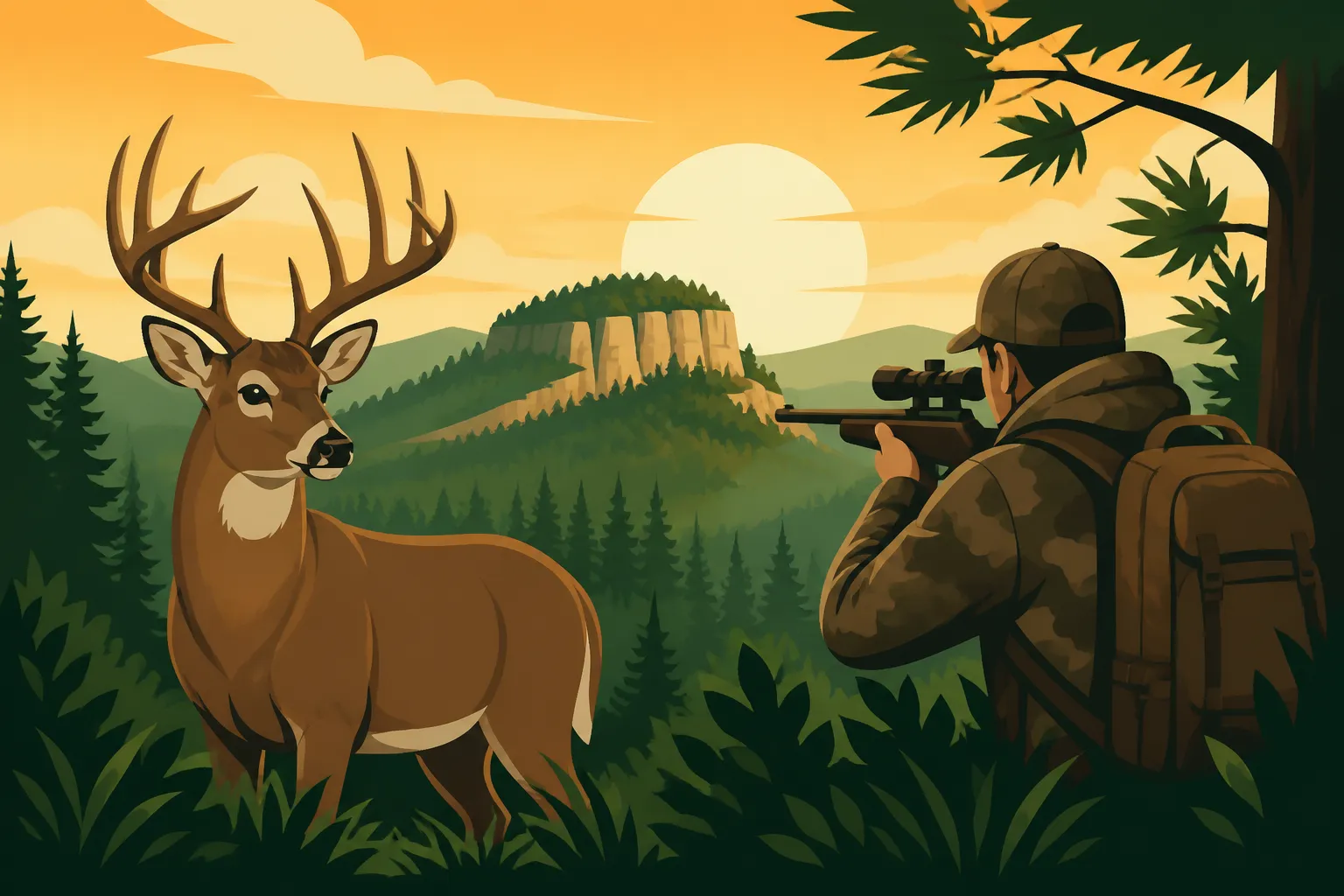
The sheer size and rugged beauty of William B. Bankhead National Forest can feel overwhelming to a hunter trying to figure out where to start. With its deep hollows, towering bluffs, and vast expanses of timber, it's easy to feel lost before you even step out of the truck. This comprehensive guide is designed to cut through that confusion, offering practical advice and in-depth insights to help you successfully plan and execute your next hunting adventure in this incredible Alabama wilderness.
A Deep Dive into William B. Bankhead National Forest's Wild Heart
William B. Bankhead National Forest, often affectionately called "Bankhead" by locals, is one of Alabama's four national forests and a true jewel for those who seek solitude and wild places. It's a place where time seems to slow down, and the rhythm of nature takes over. But its wildness also presents unique challenges and rewards for hunters willing to put in the effort. Understanding the lay of this land is the first step toward unlocking its hunting potential.
The Scope and Unique Character of Bankhead
Nestled primarily in Winston and Lawrence counties, with smaller portions reaching into Franklin and Marion counties, Bankhead National Forest spans over 180,000 acres of diverse terrain. It's a region characterized by its deeply dissected plateaus, carved out by countless streams and rivers that feed into the Black Warrior River system. This isn't flat, easy walking timber; it's a labyrinth of ridges, steep hollows, and dense creek bottoms that demand respect and preparation. The forest is renowned for its rich biodiversity, including old-growth timber stands, towering hardwood canopies, and vibrant undergrowth, all contributing to a complex ecosystem.
Many hunters are drawn to Bankhead not just for the game, but for the profound sense of wilderness it offers. Unlike many private parcels or smaller public lands, Bankhead allows you to truly immerse yourself in a vast, unbroken natural environment. There's a tangible feeling of being a small part of something ancient and grand, which adds an immeasurable quality to the hunting experience. The remoteness in some areas means fewer human encounters, offering a genuine escape from the hustle and bustle of everyday life.
The Pristine Sipsey Wilderness Area
Within the heart of Bankhead National Forest lies the Sipsey Wilderness Area, a 25,000-acre tract that holds the distinction of being Alabama's only National Wilderness Area. This designation means it's managed to preserve its primeval character, with minimal human intervention. For hunters, this translates to incredibly rugged terrain, no motorized vehicles, and a true test of woodcraft and endurance. While hunting is permitted in the Sipsey Wilderness, access is strictly foot-traffic only, often requiring long hikes through dense thickets and across boulder-strewn creek beds.
The Sipsey Wilderness is famous for its towering hemlocks, massive hardwoods, and breathtaking waterfalls, some of which plunge into deep, shaded canyons. It's a place where the signs of deer, turkey, and even black bear can be found, but harvesting them demands exceptional skill and perseverance. The hunting pressure tends to be lower here simply due to the physical demands of access, making it an ideal spot for those seeking a truly solitary and challenging hunt. Be prepared for steep climbs and descents, and ensure you have reliable navigation tools, as cell service is often nonexistent in the deeper canyons. It’s also important to remember specific rules regarding camping and fire use within the wilderness area, which are often stricter than the general forest.
Navigating Bankhead's Hunting Regulations
Hunting in a National Forest, especially one as large and diverse as Bankhead, comes with its own set of rules and nuances that every hunter must understand. It's not just about what you can hunt, but how, when, and where. Overlooking a regulation can quickly turn a memorable hunt into a frustrating, or even legally problematic, experience.
General Forest-Wide Hunting Rules
While Bankhead National Forest is federal land, the Alabama Department of Conservation and Natural Resources (ADCNR) governs the state's hunting seasons and bag limits. This means you'll need an Alabama Hunting Licenses and What They Cost that is valid for the species you intend to pursue, along with any necessary federal stamps (like a duck stamp for waterfowl). Seasons for deer, turkey, and small game generally align with the statewide regulations, but specific nuances can apply to national forests or included Wildlife Management Areas. Always check the current hunting digest for the precise dates for Alabama Deer Season Structure Explained and Alabama Spring Turkey Zones and Dates, paying close attention to any exceptions for the specific zone Bankhead falls into.
One critical aspect of hunting national forest land is understanding public access rules. While many forest roads are open for vehicle traffic, others may be gated or closed seasonally. Always be on the lookout for signage indicating vehicle restrictions, designated parking areas, and foot-traffic-only zones. Discharging firearms near developed recreation areas, residences, or other specific locations is strictly prohibited, so awareness of your surroundings is paramount. Respect for other forest users – hikers, campers, equestrians – is also crucial for maintaining a positive reputation for hunters.
Black Warrior Wildlife Management Area Specifics
A significant portion of Bankhead National Forest falls within the boundaries of the Black Warrior Wildlife Management Area (WMA). This WMA is a prime hunting destination and operates under slightly different, often more restrictive, rules than the general national forest land. For instance, Alabama WMA Permit Requirement means you'll need an additional permit beyond your standard hunting license to hunt within the WMA. These permits are typically available for purchase online or from license retailers.
WMAs often have specific sign-in/sign-out procedures, designated hunting days, and antler restrictions or bag limits that differ from the statewide rules. For example, the antlered deer harvest within the Black Warrior WMA might be limited to bucks with specific antler configurations or minimum points, designed to promote a healthier age structure in the deer herd. Mandatory checking of harvested game might also be required at specific WMA check stations, or through the Game Check system, within a certain timeframe. Before heading out, it's absolutely essential to consult the latest ADCNR WMA regulations specifically for Black Warrior WMA, as these rules are subject to change annually and are strictly enforced.
Key Game Species and What to Expect
Bankhead National Forest is a diverse habitat supporting a wide array of game species, offering opportunities for hunters interested in everything from trophy deer to elusive turkeys and abundant small game. However, success in this rugged terrain often hinges on understanding the habits of these animals within this particular environment.
Deer Hunting in Bankhead
Deer hunting is arguably the most popular pursuit in Bankhead National Forest. The forest holds a healthy population of white-tailed deer, though the sheer size and ruggedness mean densities can vary significantly. You won't find the wide-open agriculture fields of the Black Belt here, but rather a more challenging, thick-timber hunting experience. Bucks in Bankhead tend to be smart, wary, and often smaller in body size than their farm-country cousins due to the more browse-dependent diet and constant movement required by the terrain. However, mature bucks with impressive racks are certainly present for those willing to work hard. Where Bankhead Forest Bucks Bed often involves thick cover on south-facing slopes in deep hollows, or in dense thickets bordering creeks.
Success in deer hunting here often comes down to scouting, understanding the deer's response to pressure, and adapting to the varied topography. Focusing on saddles, benches, and creek crossings can be highly effective, as these natural funnels guide deer movement through the dense woods. Food sources are predominantly natural browse, acorns (when available), and other mast crops, so locating these can be key. For those who embrace the challenge of still-hunting or methodical stand placement in big woods, Bankhead offers a rewarding experience. Still-Hunting Bankhead Forest Ridges is a classic tactic, moving slowly and deliberately along high ground, glassing into hollows and listening for subtle sounds.
Turkey Opportunities in Bankhead's Woods
Wild turkeys thrive in the expansive, unbroken timber of Bankhead, particularly in areas with a mix of mature hardwoods and open understory. Hunters can find good populations of Eastern wild turkeys throughout the forest, with gobbling echoing through the deep hollows in springtime. However, just like deer, these turkeys are often less accustomed to human presence and can be incredibly challenging to call in. They are true "mountain birds" that will often travel great distances up and down steep terrain, making traditional flatland calling setups a bit less predictable.
Calling strategies often involve patience and persistence. Locating roosts along ridgelines or near major creek systems can be a great starting point, followed by subtle calling to draw a bird off the limb. Knowing Where Alabama Gobblers Roost can be a huge advantage. Remember that public land turkeys see a good deal of pressure, so creative and patient tactics are often more effective than aggressive, high-volume calling. Consider run-and-gun tactics in certain situations, covering a lot of ground until you locate a responsive bird. For a genuine big-woods turkey hunt, Bankhead delivers an authentic experience that tests a hunter's skill and commitment.
Small Game, Feral Hogs, and Predators
Beyond deer and turkey, Bankhead National Forest offers excellent opportunities for small game hunters. Squirrels, particularly gray squirrels and fox squirrels, are abundant in the hardwood bottoms and oak ridges. A quiet morning spent walking through the timber with a .22 rifle or shotgun can yield a fantastic bushytail harvest. Rabbit hunting is also possible, especially around brushy edges, fallen timber, and creek bottoms, though the dense undergrowth can make it a challenge without a good dog. Squirrel Hunting Alabama Bottomland Hardwoods is a popular fall activity.
Feral hogs are also present throughout Bankhead National Forest, particularly along creek drainages and in areas with consistent food sources. While not as concentrated as in some agricultural areas, these destructive animals can be hunted year-round without bag limits or closed seasons on public lands, making them a target of opportunity. Hunting Alabama's Year-Round Feral Hogs is a fantastic way to extend your time in the woods and contribute to forest health. Coyotes and bobcats are the primary predators found in Bankhead. Coyote calling can be effective, especially in the early morning or late evening, offering an exciting challenge for dedicated predator hunters. Remember to check specific regulations regarding night hunting or other specialized tactics for hogs and predators, as rules can vary even on national forest lands.
Here's a quick overview of primary game species and common hunting methods in Bankhead:
| Game Species | Common Season | Typical Habitat | Hunting Methods |
|---|---|---|---|
| White-tailed Deer | Archery, Gun, Muzzleloader | Hardwood ridges, creek bottoms, thickets | Stand hunting, still-hunting, rattling/grunting |
| Wild Turkey | Spring | Mature hardwoods, mixed timber | Calling, roost hunting, run-and-gun |
| Feral Hog | Year-round | Creek bottoms, dense cover | Spot & stalk, stand hunting over bait (private land), opportunistic |
| Squirrel | Fall/Winter | Oak/Hickory ridges, bottomlands | Still-hunting, walking with a dog |
| Rabbit | Fall/Winter | Brushy areas, thickets, fencerows | Beagles, walking and flushing |
| Coyote | Year-round | Throughout forest | Calling, incidental encounters |
Topographical Challenges and Scouting Strategies
Hunting in Bankhead National Forest isn't like hunting a neatly managed farm or a small, private woodlot. It's a vast, rugged, and sometimes unforgiving landscape that can quickly disorient the unprepared. Understanding its unique topography and developing effective scouting strategies are paramount to success.
Reading the Ridges, Hollows, and Bluffs
Bankhead is characterized by its dramatic changes in elevation, featuring numerous steep ridges, deep hollows (or "gulfs" as some call them), and impressive sandstone bluffs. These features dictate how both game and hunters move through the landscape. Deer, in particular, will often use ridgelines for travel, especially during the rut, and will bed in the thick cover found on south-facing slopes or in dense creek bottoms for thermal advantages. Hollows act as natural funnels, directing game movement and providing sheltered travel corridors. Water sources, abundant throughout the forest, are also crucial, drawing animals in, especially during dry spells.
Learning to "read" these topographical features on a map before you even step foot in the woods is a game-changer. Look for saddles or low points on ridges where deer might cross, pinch points between bluffs, or convergent creek drainages that create natural travel routes. Understanding the wind and thermals is also critical here. In the morning, cold air sinks into the hollows, creating a downhill thermal draft, while in the afternoon, it reverses, pulling air uphill. Positioning yourself to take advantage of these natural air currents can make or break a hunt, especially in steep terrain. Paying attention to Wind and Thermals on a Piedmont Ridge can provide critical insights, even though Bankhead is technically Cumberland Plateau.
Harnessing Technology for Effective Scouting
In a forest the size of Bankhead, technology can be your best friend. Gone are the days of relying solely on paper maps (though a physical map and compass are still essential backups). Modern hunting apps like onX Hunt have revolutionized scouting by providing detailed satellite imagery, topographical maps, and public/private land boundaries right in your pocket. Using onX Hunt, you can mark potential stand locations, identify bedding areas, pinpoint food sources, and even track your movements to avoid getting lost. It allows you to analyze elevation changes and identify those critical saddles and funnels without physically putting boots on the ground first.
Another excellent resource is GoHunt, which often provides valuable data layers and planning tools for specific regions. While it might be more tailored to Western hunting, its core map and data analysis features are still incredibly useful for identifying habitat types, potential water sources, and even historical satellite imagery that can reveal past timber cuts or disturbances that might influence game movement. Utilize these tools to virtually "walk" the terrain, identifying potential access points, remote pockets of cover, and likely game trails before you invest the time and energy in a physical scouting trip. The ability to drop pins and create waypoints for later reference can save countless hours and help you stay oriented in the dense woods.
Boots-on-the-Ground Reconnaissance
While technology gets you far, there's no substitute for actual boots-on-the-ground scouting. Once you've identified promising areas on your digital maps, it's time to physically explore them. Look for fresh deer tracks, rub lines, scrape lines, and bedding areas. Pay attention to the types of mast trees present (oaks, hickory, beech) and whether they are producing. Finding areas with significant browse sign can indicate a preferred feeding zone. Identifying well-used trails leading to water sources or between bedding and feeding areas is paramount.
Often, the most productive hunting spots are those that are difficult to access, requiring a long hike or navigating particularly rugged terrain. Don't be afraid to venture beyond the easily accessible areas near roads. Look for subtle signs that other hunters might overlook, such as faint trails or less obvious crossings. During the off-season, concentrate on areas where deer might seek refuge from hunting pressure. Remember, a thorough scouting trip can often be more revealing than days spent hunting blindly, giving you the confidence and understanding to make informed decisions when the season opens.
Access Points and Navigating William B. Bankhead
Getting into and around William B. Bankhead National Forest can be half the challenge and half the adventure. Its vastness means numerous entry points, but not all are created equal in terms of accessibility or the type of hunting experience they offer. Understanding the network of roads and trails is essential for effective and safe hunting.
Main Entrances and Forest Road Networks
Bankhead National Forest is crisscrossed by a network of forest service roads, ranging from well-maintained gravel roads to rugged, unpaved tracks that might require a high-clearance vehicle. The main arteries, such as County Road 60 (Houston Road) and State Route 33, provide significant access points into the heart of the forest. From these, numerous smaller forest roads branch off, leading to various campgrounds, trailheads, and hunting sections. It's crucial to consult a detailed map, whether paper or digital like onX Hunt, to understand this intricate road system.
Many of these forest roads are multi-use, shared by hunters, hikers, campers, and equestrians. Always drive defensively, especially during hunting season when vehicles might be parked along shoulders or hunters walking along roads. Some roads may be seasonally gated to protect wildlife, prevent erosion, or manage access. Always respect these closures. Parking is generally permitted along road shoulders as long as you are not blocking gates, roads, or traffic. Be mindful of leaving enough room for other vehicles to pass, and consider pulling your vehicle completely off the main travel way if possible. Remember that ATV Rules on Alabama Forest Roads are very specific, generally restricting ATVs to designated trails or roads, and not allowing them off-road.
Foot Access and Egress Strategies
For many hunters, the best spots in Bankhead National Forest are those deepest in the woods, far from road noise and easily accessible trails. This means relying heavily on foot access. Planning your entry and egress routes is vital, not just for reaching your hunting spot, but for safely returning, especially if you're fortunate enough to harvest game. Using topographical maps to identify the path of least resistance – avoiding excessively steep bluffs or impassable creek crossings – is key. Consider using natural features as landmarks, like prominent rock formations, specific tree species, or distinct changes in vegetation, in conjunction with your GPS or mapping app.
When planning a foot-intensive hunt, always consider the effort of dragging or packing out a deer. This can be an arduous task in Bankhead's rugged terrain. Some hunters opt for game carts on wider trails or plan to quarter their animal in the field if facing a long pack out. Having a buddy can also significantly ease the burden of game recovery. Always inform someone of your planned route and expected return time, especially if you're venturing into more remote areas like the Sipsey Wilderness. A small backpack with water, snacks, a headlamp, and a first-aid kit is non-negotiable for any deep woods excursion. Finding Ground Others Walk Past often means going where the elevation changes are steepest, or the undergrowth is thickest, but the rewards can be substantial.
Accommodations and Amenities for Hunters
Hunting in Bankhead National Forest often means embracing the outdoors, and that includes where you rest your head at night. Whether you prefer a developed campground with amenities or a more primitive, backcountry experience, Bankhead offers options for every hunter's comfort level.
Developed Campgrounds in the Forest
For those who appreciate some creature comforts after a long day in the woods, Bankhead National Forest offers several developed campgrounds. These sites typically provide amenities such as picnic tables, fire rings, vault toilets, and sometimes potable water. Clear Creek Recreation Area and Corinth Recreation Area are popular choices, offering a base camp experience with easier access to some hunting areas. While these campgrounds provide a sense of security and convenience, they can also be popular with non-hunters, especially on weekends, so expect some company.
Staying at a developed campground means you can leave your camper or tent set up and venture out each day to different hunting spots. This can be especially convenient for multi-day hunts where you don't want to break down and set up camp repeatedly. While you might not be right at your hunting spot, the proximity to main roads and the ability to cook hot meals and clean up can make for a more comfortable trip. Be sure to check availability, especially during peak hunting seasons, and understand any reservation policies or fees.
Dispersed Camping and Backcountry Options
For the more adventurous hunter seeking solitude, dispersed camping is widely allowed throughout Bankhead National Forest, outside of developed recreation areas and the immediate vicinity of trailheads. This is where you truly immerse yourself in the wilderness, setting up camp wherever you find a suitable, undisturbed spot. The rules for dispersed camping are generally "Leave No Trace" principles: camp at least 200 feet from water sources, trails, and roads; pack out everything you pack in; and minimize your impact on the environment. Building a fire for warmth or cooking is generally permitted in safe, designated fire rings (if available), but always be aware of current fire danger ratings and any restrictions.
Dispersed camping in Bankhead allows you to set up your tent or hammock much closer to your actual hunting grounds, reducing travel time in the mornings and evenings. This can be a huge advantage for hunting those hard-to-reach areas or being on stand before first light. However, it requires more self-sufficiency – no running water, no restrooms, and you're responsible for your own safety and waste management. It's the perfect option for those who want a truly primitive and immersive hunting experience, offering quiet nights under a canopy of stars, far from any artificial light or sound. Remember that Camping Rules on Alabama National Forest Land should be reviewed before you head out.
Wildlife Management Areas Within Bankhead National Forest
While Bankhead National Forest offers extensive public hunting opportunities, a significant portion of its land is specifically designated as the Black Warrior Wildlife Management Area (WMA). Understanding the nuances of this WMA is critical for any hunter planning a trip to Bankhead, as it comes with its own set of rules and advantages.
The Significance of Black Warrior WMA
The Black Warrior WMA encompasses a vast and diverse landscape within Bankhead National Forest, making it one of Alabama's premier public hunting destinations. Its inclusion within the national forest means it benefits from the same rugged, undeveloped character, providing ample space for deer, turkey, and other game species to thrive. However, as discussed earlier, WMAs are actively managed by the ADCNR with specific goals in mind, often focusing on habitat improvement, wildlife population health, and regulated hunting pressure.
These management efforts can include prescribed burns to enhance understory growth, food plots in strategic locations (though less common in such a large, wild WMA), and timber thinning to create diverse age classes of trees. For hunters, this translates to specific regulations designed to achieve these management objectives. The deer herd within Black Warrior WMA, for example, is often managed for quality, meaning antler restrictions or specific bag limits might be in place to allow younger bucks to mature. These efforts aim to provide a more robust and sustainable hunting experience for everyone.
Navigating WMA-Specific Regulations and Quota Hunts
Hunting within Black Warrior WMA requires a specific WMA permit in addition to your regular Alabama hunting license. This permit helps fund the management activities that keep the WMA healthy and productive. It's important to remember that these WMA rules often supersede general statewide or national forest regulations. This includes specific hunting dates, legal game, bag limits, and often stricter weapon restrictions or shooting hours. For instance, Alabama Public Land Antlered-Only Windows might be more specific here. Always download and carry a copy of the current Black Warrior WMA regulations, available on the Outdoor Alabama website, as rules can change annually.
While many WMAs offer open-access hunting, some may occasionally implement quota hunts for certain species or areas to manage pressure and populations more precisely. While this is less common for general deer and turkey hunting in Black Warrior due to its size, it's always wise to check if any specific sections or dates require a draw. Knowing the Alabama WMA Quota Hunt Sign-In Process is important if you happen to encounter one. The sign-in/sign-out process, either physical or electronic via the Outdoor Alabama app, is often mandatory to help the ADCNR monitor hunter numbers and harvest data. Failing to sign in or out can result in penalties, so always adhere to these procedures. Black Warrior WMA is a gem, but enjoying it requires careful attention to its unique regulatory framework.
Safety and Ethical Considerations for Bankhead Hunters
Hunting in a vast, wild place like William B. Bankhead National Forest brings immense rewards, but it also carries significant responsibilities. Prioritizing safety and adhering to ethical hunting practices are not just good ideas—they are essential for ensuring a positive experience for yourself, fellow outdoors enthusiasts, and the future of hunting.
Essential Hunter Safety Practices
Given the rugged terrain and dense cover of Bankhead, hunter safety is paramount. Always, and I mean always, wear appropriate blaze orange during gun seasons, as mandated by Alabama law. How Much Blaze Orange Alabama Requires is specific, and it's there for a reason: to make you visible to other hunters. Even if you're bowhunting during a gun season, wearing blaze orange is a smart choice. Beyond visibility, always treat every firearm as if it's loaded, keep the muzzle pointed in a safe direction, keep your finger off the trigger until ready to shoot, and be absolutely sure of your target and what is beyond it. In thick woods, identifying your target clearly can be challenging, so patience is key.
Another critical safety aspect is emergency preparedness. Cell service can be spotty to non-existent in many parts of Bankhead, especially in deep hollows. Carry a reliable GPS device or use a mapping app like onX Hunt on your phone with downloaded offline maps. A compass and a physical map are also non-negotiable backups. Pack a small first-aid kit, a whistle, a headlamp, and sufficient water and snacks. Inform someone of your hunting plans—where you're going, your expected return time, and who to contact if you don't check in. The remoteness of the forest means that help, if needed, can be hours away.
Respecting Other Forest Users and Wildlife
Bankhead National Forest is a multi-use area. While you might be there to hunt, others are hiking, camping, birdwatching, or simply enjoying the tranquility of nature. It's crucial to respect these other users and minimize conflicts. This means being courteous on shared trails, avoiding shooting near established campgrounds or trails, and being mindful of noise levels. A positive image of hunters contributes to the continued access we enjoy on public lands.
Ethical hunting extends beyond following the law. It means making clean, humane shots, actively tracking and recovering every animal, and properly handling game after the harvest. It also means leaving no trace of your presence—pack out all trash, including spent shell casings, food wrappers, and anything else you brought in. Avoid damaging trees when setting stands (use non-damaging straps), and respect private land boundaries, even if you're on public land. Alabama Trespass and Permission Law is clear: know where you are at all times. By adhering to these principles, we ensure that Bankhead National Forest remains a wild and productive place for both wildlife and future generations of hunters.
Conclusion
Hunting in William B. Bankhead National Forest is an experience unlike any other in Alabama. It's a place that demands respect, preparation, and a willingness to embrace its wild, rugged character. From the towering hardwoods of the Black Warrior WMA to the pristine solitude of the Sipsey Wilderness, Bankhead offers challenges and rewards that etch themselves into a hunter's memory. By understanding its unique topography, diligently studying the regulations, mastering essential scouting techniques, and always prioritizing safety and ethics, you can unlock the immense potential of this incredible Alabama treasure. May your boots find favorable ground and your efforts be rewarded in the whispering pines and echoing hollows of Bankhead.
Disclaimer
This article is for general informational purposes only and does not constitute professional advice. Laws, prices and regulations vary by location and change over time. Consult a qualified professional for guidance on your specific situation.