Conecuh National Forest Hunting
Hunting in a vast public land tract like Conecuh National Forest can feel like an overwhelming challenge. The sheer size, the dense wiregrass habitat, and the uncertainty of finding game among so many acres often deter hunters. This guide will cut through that confusion, offering a comprehensive look at how to effectively plan, navigate, and hunt Conecuh National Forest, equipping you with the knowledge to pursue deer, turkey, hogs, and small game in this unique South Alabama landscape.
Overview of Conecuh National Forest
Conecuh National Forest, nestled in the southern reaches of Alabama, is a truly special place. It’s not your typical North Alabama hardwood ridge country, nor is it the vast pine plantations you might find elsewhere. This forest offers a distinct hunting experience, characterized by its unique ecosystem and sprawling, wild terrain.
Where is Conecuh National Forest?
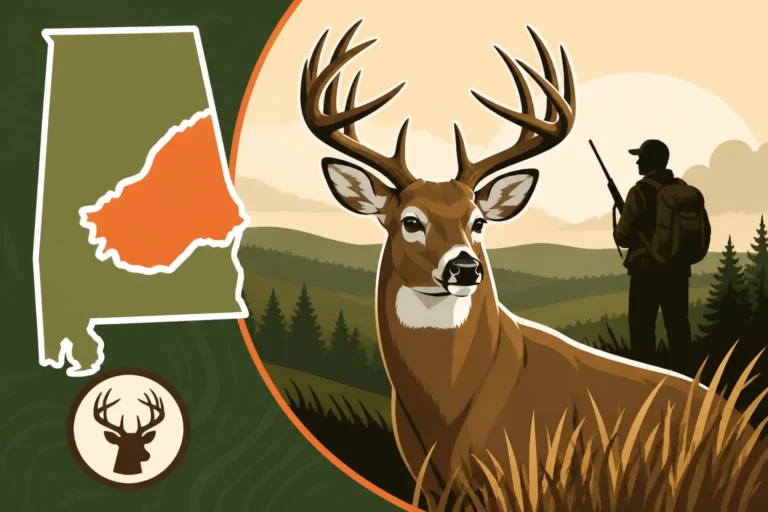
Conecuh National Forest is located primarily in Covington and Escambia counties, right on the border with Florida. It's truly in the heart of what many Alabamians consider "South Alabama," close to towns like Andalusia and Brewton. This vast expanse of public land encompasses over 84,000 acres, offering a significant opportunity for hunters seeking a more remote and challenging experience. When you drive down Highway 29 or 31 through this region, you'll start to see the characteristic longleaf pine stands and open understory that signal you're in Conecuh country. Unlike some of Alabama's other national forests, Conecuh feels distinctly southern, a wild expanse that transitions from rolling pine uplands to cypress swamps and boggy areas.
Unique Habitat and Ecosystem
What really sets Conecuh apart is its habitat. It's dominated by the majestic longleaf pine ecosystem, which is one of the most biodiverse forest types in North America. Imagine vast stands of towering longleaf pines, with an understory of wiregrass and various native forbs. This isn't just pretty scenery; it's a critical habitat that supports a wide array of wildlife. Interspersed with these pine uplands, you’ll find cypress ponds, blackwater creeks, and dense thickets of gallberry and palmetto. These diverse habitats create a patchwork of cover, forage, and water sources that are vital for white-tailed deer, wild turkeys, feral hogs, and numerous small game species. The careful management practices, including prescribed burns, help maintain this open, park-like feel in many areas, which is crucial for the longleaf and wiregrass to thrive and provide excellent habitat.
What Makes Conecuh Different from Other Forests?
Compared to, say, the mountainous terrain of Talladega National Forest or the rugged canyons of Bankhead National Forest, Conecuh offers a much flatter, often wetter, landscape. The predominant longleaf pine and wiregrass ecosystem defines the hunting experience here. You won't be climbing steep ridges or navigating deep ravines in the same way you might further north. Instead, you'll be dealing with vast stretches of dense palmetto and gallberry thickets, interspersed with more open pine woods. This distinct topography and vegetation mean different strategies are required. Game often holds tighter in the thick cover, and tracking can be more challenging through the boggy bottoms. It also means you'll be hunting deer that are more adapted to this specific environment, often smaller-bodied but incredibly wily. The sheer feeling of being immersed in a unique, ancient forest ecosystem is also a distinguishing factor.
Deer Hunting in Conecuh
Deer hunting is arguably the most popular pursuit in Conecuh National Forest, drawing hunters from across Alabama. While it can be a challenging environment, understanding the deer, the season structure, and effective strategies can significantly increase your odds of success in this wiregrass wonderland.
Understanding Deer Season and Bag Limits
Conecuh National Forest falls under specific regulations as a Wildlife Management Area (WMA), and it's also part of Alabama's broader deer management zones. It's crucial to check the current regulations with the Alabama Department of Conservation and Natural Resources (ADCNR) each season, as dates and bag limits can change. Generally, Conecuh adheres to Zone 2 or Zone 3 dates, often with a slightly different season length or antlerless day allocation than surrounding private lands. You’ll typically have opportunities for both antlered and unantlered deer, but always pay close attention to the specific weapon types allowed during various portions of the season, and any antler restrictions that may apply. For instance, there might be a "one antlered deer per day" limit, or a specific antler point requirement for a portion of the season. Remember, every deer harvested in Alabama, including those from Conecuh, must be reported through the Game Check system. This process is simple and can usually be done online or via a phone app, but it's non-negotiable. Familiarize yourself with Alabama Deer Season Structure Explained and specific WMA rules.
Effective Deer Hunting Strategies
Hunting deer in Conecuh requires patience and an understanding of the habitat. Still-hunting, or slowly stalking through the woods, can be very effective, especially in the more open longleaf stands where visibility is decent. However, in the denser palmetto thickets and gallberry patches, it's often more productive to set up a stand or ground blind near known travel corridors, bedding areas, or subtle changes in vegetation. Look for signs of deer activity like tracks, rubs, and scrapes along creek bottoms, logging roads, and the edges of thick cover. Acorn crops, particularly from water oaks or white oaks, can be golden magnets for deer when available. When scouting, pay attention to subtle elevation changes, even a slight ridge can be a preferred travel route in flat country. Thermals will still play a role, especially around creek drainages, so consider wind direction carefully before choosing a stand location. Rattling and grunting can sometimes draw a curious buck during the rut, but don't expect the same results you might find in heavily timbered areas further north. Consider carrying a compact, comfortable ground blind for flexibility, as finding suitable trees for treestands can sometimes be a challenge in certain parts of the forest. Treestand Setups in Talladega National Forest offers some general principles, but adapt them to Conecuh's unique terrain.
Navigating the Wiregrass Region's Deer
The deer in Conecuh, particularly the bucks, are masters of concealment. The wiregrass and palmetto provide incredibly dense cover, allowing deer to disappear with ease. This means you need to slow down, pay meticulous attention to detail, and use your eyes and ears constantly. Deer movement might be more subtle than in other regions; rather than wide-open fields, they'll often stick to the edges of thickets, using any available cover. During the warmer parts of the season, water sources become paramount, so key in on ponds, sloughs, and creek bottoms. The rut in Conecuh can vary, but generally peaks in late December through January, offering a prime window to catch bucks moving more during daylight hours. However, the exact timing can fluctuate, so paying attention to local sign like fresh scrapes and rubs is important. This area can feel vast, so using an app like onX Hunt to mark areas of interest, track your path, and stay oriented is almost essential. The unique challenges of the wiregrass region are what make harvesting a deer in Conecuh such a rewarding experience. It truly feels like you've outsmarted a wild animal on its terms.
Turkey Hunting in Conecuh
Turkey hunting in Conecuh National Forest offers a classic Alabama public land experience, albeit with its own set of characteristics. The longleaf pine ecosystem provides excellent habitat for these wary birds, but hunters need to be prepared for the challenges that come with public land gobblers.
Conecuh's Spring Turkey Season
Conecuh typically falls under Alabama's Zone 2 for spring turkey season, meaning its opening day often comes a week or so after Zone 1 opens. This slightly later start can be an advantage or a disadvantage, depending on the year and the birds' breeding cycles. Always confirm the exact dates for the spring turkey season in Conecuh National Forest with the ADCNR each year. The daily bag limit is generally one gobbler, with a season limit of five, but check specific WMA rules as they can sometimes be more restrictive. Remember, just like deer, all harvested turkeys must be reported through Game Check. The longleaf pine habitat with its open understory can make turkeys feel secure, but it also provides them with excellent visibility, making them incredibly difficult to sneak up on. Alabama Spring Turkey Zones and Dates is a critical resource to consult before planning your trip.
Scouting and Calling Tactics
Successful turkey hunting in Conecuh starts with thorough scouting. Before the season, spend time listening for gobbles at dawn from various access points. Use mapping tools like onX Hunt to identify potential roosting areas, often large pines near water sources or along creek bottoms. Look for turkey sign such as tracks, droppings, and scratch marks in the pine straw. During the hunt, a "run-and-gun" approach can be effective, especially if you're covering a lot of ground. Call frequently but sparingly, trying to locate a bird before committing to a setup. Soft hen calls, clucks, and purrs can entice a wary gobbler that might be henned up. Since the woods can be quite open in places, setting up with a decoy can be highly effective, but be mindful of Alabama's specific rules regarding decoy use, especially during the first ten days of the season. Always try to set up with your back against a wide tree to break up your silhouette and provide protection. Knowing Roost Hunting Alabama Gobblers can give you a significant advantage in locating birds.
Public Land Turkey Pressure
Just like deer season, public land turkey hunting in Conecuh can see its fair share of pressure, especially on opening weekend and during peak gobbling activity. This pressure can make gobblers call-shy and more difficult to work. To combat this, be willing to walk further than most. Use maps and aerial imagery to find remote pockets of the forest that are less accessible to others. Consider hunting during weekdays if possible, or later in the season when many hunters have given up. If you hear a distant gobble, try to get closer quietly and set up before making a loud series of calls. Sometimes, waiting out a pressured bird that has gone silent can pay off. Another tactic is to focus on areas that require crossing water or navigating dense thickets, as these natural barriers tend to filter out many hunters. Patience and persistence are key when pursuing public land gobblers in Conecuh, but the reward of hearing that thunderous gobble break the morning silence in the wiregrass is unparalleled.
Small Game and Furbearers
While deer and turkey often grab the headlines, Conecuh National Forest offers fantastic opportunities for small game hunters and those interested in pursuing furbearers and feral hogs. These species provide year-round or extended season options and can be a great way to introduce new hunters to the woods.
Squirrel and Rabbit Opportunities
Squirrel hunting in Conecuh is a rich tradition. The abundant hardwoods scattered throughout the pine forest, especially along creek bottoms and in mixed stands, provide excellent habitat. Look for groves of hickory, oak, and pecan trees, particularly during the early season when squirrels are actively feeding on mast. Bushy-tailed fox squirrels and agile gray squirrels are both common. Still-hunting quietly through these areas, stopping often to listen for cutting sounds or rustling leaves, is a classic and effective method. A good pair of binoculars can help spot camouflaged squirrels high in the canopy. Rabbit hunting is also popular, especially in areas with dense brush, briar patches, and fencerows (though fencerows are less common in the deep forest, focus on thickets). Running a few beagles can provide an exciting and fast-paced hunt, but still-hunting or walking through likely cover can also yield results. The longleaf pine's open understory in some areas means rabbits might rely on specific, dense cover patches. For more general advice, check out Squirrel and Small Game Hunting in Alabama.
Hunting Feral Hogs Year-Round
One of the most persistent and destructive game animals in Conecuh National Forest, and indeed across Alabama, is the feral hog. The good news for hunters is that feral hogs can be hunted year-round with no bag limit on private land, and typically with very liberal seasons and no bag limit on public land like Conecuh, though WMA-specific rules always apply. This makes them a fantastic target for off-season hunting or for adding excitement to a deer or turkey hunt. Hogs thrive in the dense cover and access to water that Conecuh provides. Look for rooting damage, wallows, and fresh tracks along creek bottoms, cypress swamps, and in areas of disturbed soil. Still-hunting or stand hunting over bait (where legal and permissible on the WMA, always check first) are common methods. Night hunting with lights is often allowed for hogs on private land and sometimes on public land with specific permits or circumstances, but always verify current regulations. Pursuing Hunting Alabama's Year-Round Feral Hogs is not only a thrilling experience but also a valuable service to the forest ecosystem, as these destructive animals cause significant damage.
Predator Hunting for Coyotes and Bobcats
Conecuh National Forest is also home to a healthy population of predators, including coyotes and bobcats, which can provide additional hunting opportunities. Coyote hunting is a year-round pursuit in Alabama, with no bag limit, and can be an exciting challenge. Calling them in with distress calls or territorial howls can be incredibly effective, especially in the more open pine stands. Early morning or late evening are often the best times. Bobcats are more elusive but can also be called in, though success rates are generally lower. Their season typically runs concurrent with other small game seasons, and bag limits are usually conservative. Setting up near known travel corridors or areas with good visibility can increase your chances. Predator hunting is a great way to practice your calling skills and stay sharp during the off-season. Be sure to check the specific WMA regulations for predator hunting within Conecuh, as rules can sometimes differ from general statewide regulations, particularly regarding night hunting or specific weapons.
Navigating and Accessing Conecuh
Successfully hunting in a large public land area like Conecuh hinges on effective navigation and understanding access points. Getting lost or running into restricted areas can quickly ruin a hunt, so proper planning is paramount.
Mapping Your Hunt
Modern technology has revolutionized how we navigate public lands. Apps like onX Hunt are invaluable tools for Conecuh. With onX Hunt, you can see property boundaries, WMA lines, logging roads, trails, water sources, and even subtle topographical changes. I always recommend downloading offline maps before heading out, as cell service can be spotty to non-existent in many parts of the forest. This allows you to pinpoint your location, mark stand sites, identify potential bedding areas, and track your movements even without a signal. Additionally, traditional paper maps, like the USDA Forest Service maps for Conecuh, are still excellent backups and provide a broader overview. These maps can help you understand the larger road network and different compartments of the forest. Cross-referencing between a digital map and a paper map can give you a comprehensive understanding of the landscape. Using these tools to identify remote areas or access points that others might overlook is a key strategy for finding less pressured game. Don't forget the helpful resources from the state like the Using the Outdoor Alabama Map Tool.
Vehicle and Camping Regulations
Accessing Conecuh National Forest often involves driving on unpaved forest roads. While many main roads are well-maintained, some side roads and older logging paths can be rough, especially after rain. A 4×4 vehicle can be a huge asset. Pay close attention to signs indicating vehicle restrictions or road closures. During wet periods, some roads may be gated or impassable to prevent damage. When it comes to camping, Conecuh offers opportunities for both developed campgrounds and dispersed camping. Developed campgrounds, like the Open Pond Recreation Area, provide amenities like water and restrooms. However, many hunters prefer dispersed camping, which allows you to set up camp almost anywhere within the forest (outside of designated day-use or restricted areas), as long as you follow Leave No Trace principles. Always check specific WMA rules regarding camping near roads or designated hunting areas. ATV use is generally restricted to designated trails or roads, so don't assume you can drive one anywhere. Be aware of Vehicle Rules on Alabama Public Land and Camping Rules on Alabama National Forest Land.
Access Points and Entry Strategies
Identifying good access points is crucial for hunting Conecuh. Many hunters will simply pull off main roads, but to find less pressured game, you'll need to think creatively. Look for older logging roads that have grown over, fire breaks, or even subtle paths leading into the deeper woods. Parking in a way that doesn't block gates or roads is essential. Once you've chosen an access point, consider your entry strategy. Early morning starts are vital, particularly for deer and turkey, allowing you to get to your stand or setup before daylight. Using the onX Hunt app to mark your truck's location can be a lifesaver in the dark. For finding secluded birds or bucks, you might need to commit to a longer walk, sometimes a mile or more, away from commonly used access points. The more effort you put into getting away from the crowds, the higher your chances of encountering undisturbed game. Pay attention to wind direction for your entry and exit routes, minimizing your scent dispersal.
Planning Your Hunt in Conecuh
A successful hunt in Conecuh National Forest, like any public land, relies heavily on meticulous planning. From understanding licensing requirements to prioritizing safety, taking the time to prepare will make your experience more enjoyable and productive.
Required Licenses and Permits
Before you even step foot in Conecuh National Forest with a weapon, you need to make sure your paperwork is in order. All hunters in Alabama are required to possess a valid hunting license. Residents and nonresidents have different options, ranging from annual licenses to shorter-term permits. Since Conecuh is managed as a Wildlife Management Area (WMA), you will also need a WMA Hunting License in addition to your state hunting license. This additional permit helps fund the management and conservation efforts on these public lands. Minors and seniors may have specific exemptions or discounted rates, but it's crucial to verify these details. You can purchase licenses online through the Outdoor Alabama website, via their mobile app, or at licensed retailers. Always carry proof of your licenses, either physically or digitally on your phone. For a comprehensive breakdown of costs and options, refer to Alabama Hunting Licenses and What They Cost.
Conecuh-Specific Regulations
Beyond the general state hunting laws, WMAs like Conecuh have their own set of specific regulations that you must abide by. These rules cover everything from season dates and bag limits to allowed weapon types, shooting hours, and even camping restrictions. For instance, there might be specific zones within the WMA where certain hunting methods are prohibited, or where antler point restrictions differ from the statewide rule. During archery season, remember to verify Crossbow Rules During Alabama Archery Season if you plan to use one. Pay close attention to blaze orange requirements, which are mandatory during certain gun seasons. The ADCNR publishes an annual Hunting & Fishing Digest, and there's often a specific section dedicated to WMA regulations. It's not enough to skim; read these rules thoroughly, as ignorance is not an excuse for a violation. Staying informed means you avoid fines and potential loss of hunting privileges.
Safety First in the Forest
Hunting in any wild environment carries inherent risks, and Conecuh National Forest is no exception. Prioritizing safety is paramount. Always let someone know where you are going and when you expect to return. Carry a fully charged cell phone (with offline maps downloaded, as mentioned earlier) and a portable charger. A good first-aid kit, a whistle, a compass, and a headlamp or flashlight are essential items in your pack. The Alabama heat, even outside of summer, can be intense, so carry plenty of water and stay hydrated. Bug spray is your friend, especially for ticks, mosquitoes, and chiggers. Be aware of venomous snakes like rattlesnakes and cottonmouths, which are common in this region, particularly around water sources. Wear sturdy boots and appropriate clothing. When hunting during gun season, make sure you and anyone you're with are wearing the legally required amount of blaze orange to be visible to other hunters. For anyone new to hunting or under a certain age, remember Alabama Hunter Education Requirements are in place for a reason – they teach crucial safety lessons.
Challenges and Rewards of Hunting Conecuh
Hunting Conecuh National Forest is not always easy. It presents unique challenges that can test a hunter's patience and skill. However, overcoming these obstacles also leads to some of the most profound and satisfying hunting experiences Alabama has to offer.
Overcoming Public Land Pressure
Let's be realistic: public land, especially easily accessible public land, often sees significant hunting pressure. Conecuh is no different. On opening days or during peak rut, you will likely encounter other hunters. This pressure can make game wary and change their movement patterns. Deer might go completely nocturnal, and turkeys might gobble less or become incredibly difficult to call in. The key to overcoming this is preparation and effort. As mentioned, willing to walk further than most is a huge advantage. Identify areas on your map that are difficult to access, whether due to dense vegetation, water crossings, or simply being a long distance from a parking spot. These are often the places where less pressured animals reside. Hunting weekdays or later in the season, when many fair-weather hunters have packed it in, can also make a significant difference. Be patient, be persistent, and adapt your tactics to what the animals are telling you in response to the pressure. Finding Ground Others Walk Past is often about putting in the extra effort.
Adapting to the Wiregrass Terrain
The wiregrass region's terrain, while not mountainous, presents its own set of physical and navigational challenges. The dense palmetto and gallberry thickets can be incredibly difficult to push through, making silent movement almost impossible. Swampy areas and creek bottoms can mean wet feet or even waist-deep water in places, especially after heavy rains. Navigating these areas requires good boots, gaiters, and a willingness to get a little dirty. Understanding Hunting South Alabama's Wiregrass Region is key. During warmer weather, the heat and humidity can be stifling, and you'll need to carry ample water to avoid dehydration. Conversely, a cold front can make conditions crisp and pleasant, often spurring deer movement. The flatness of much of the forest means that subtle terrain features, like a slight rise or a dry creek bank, become critical travel corridors for game. You'll need to adjust your scouting and stand placement strategies accordingly, thinking about how game uses these small variations to their advantage.
The Unique Satisfaction of a Conecuh Harvest
Despite the challenges, harvesting an animal from Conecuh National Forest is an incredibly rewarding experience. There's a deep satisfaction in knowing you've successfully navigated a vast public land, outsmarted a truly wild animal, and brought home organic meat from a self-sufficient hunt. The beauty of the longleaf pine and wiregrass ecosystem is breathtaking, offering a sense of solitude and connection to nature that is increasingly rare. Every rustle of leaves, every distant gobble, and every fresh track tells a story of the wild. Whether it's a hard-earned public land buck, a wily spring gobbler, or a destructive feral hog, the meat from Conecuh represents a true accomplishment. It's a testament to your patience, your skill, and your dedication to the hunting tradition. It's about earning your wild game on a challenging but magnificent landscape that has been preserved for all to enjoy.
Disclaimer
This article is for general informational purposes only and does not constitute professional advice. Laws, prices and regulations vary by location and change over time. Consult a qualified professional for guidance on your specific situation.