Hunting South Alabama’s Wiregrass Region
Alright, y'all, let's talk about heading down south, way down south, into the heart of Alabama's Wiregrass Region. If you're used to the big timber of the national forests up north or the rich farmlands of the Black Belt, the Wiregrass can feel like a whole different state when it comes to hunting. It presents its own unique challenges, from endless pine flats to sandy soils and sprawling agricultural fields. But don't you worry, this comprehensive guide is going to walk you through everything you need to know to unlock the incredible hunting potential of this often-misunderstood part of our great state.
Understanding the Wiregrass Region's Unique Habitat
The Wiregrass Region of Alabama isn't just a geographical area; it's a distinct ecosystem with its own character that profoundly influences hunting strategies. Forget what you know about rolling hills and deep hardwood bottoms in other parts of the state. Here, you're looking at something different, and understanding these nuances is your first step to success.
Geographical Boundaries and Characteristics
Picture the southeastern corner of Alabama – that's your Wiregrass. It generally encompasses counties like Dale, Coffee, Geneva, Houston, Henry, and parts of Covington and Barbour. This region is part of the larger Gulf Coastal Plain, characterized by relatively flat to gently rolling topography. The soils here are predominantly sandy, which might not sound like a big deal, but it affects everything from the type of vegetation that thrives to how easily deer can move through the landscape after a rain. Unlike the clay-rich soils further north that can hold moisture and create mud bogs, these sandy soils often drain quickly. This means less standing water in low areas after a heavy rain, which can impact where deer congregate for water sources, especially during drier periods. The subtle elevation changes, often just a few feet over a quarter-mile, can create critical drainages and natural funnels that become highways for game, even if they don't look dramatic on a map.
Longleaf Pine Ecosystems and Their Impact
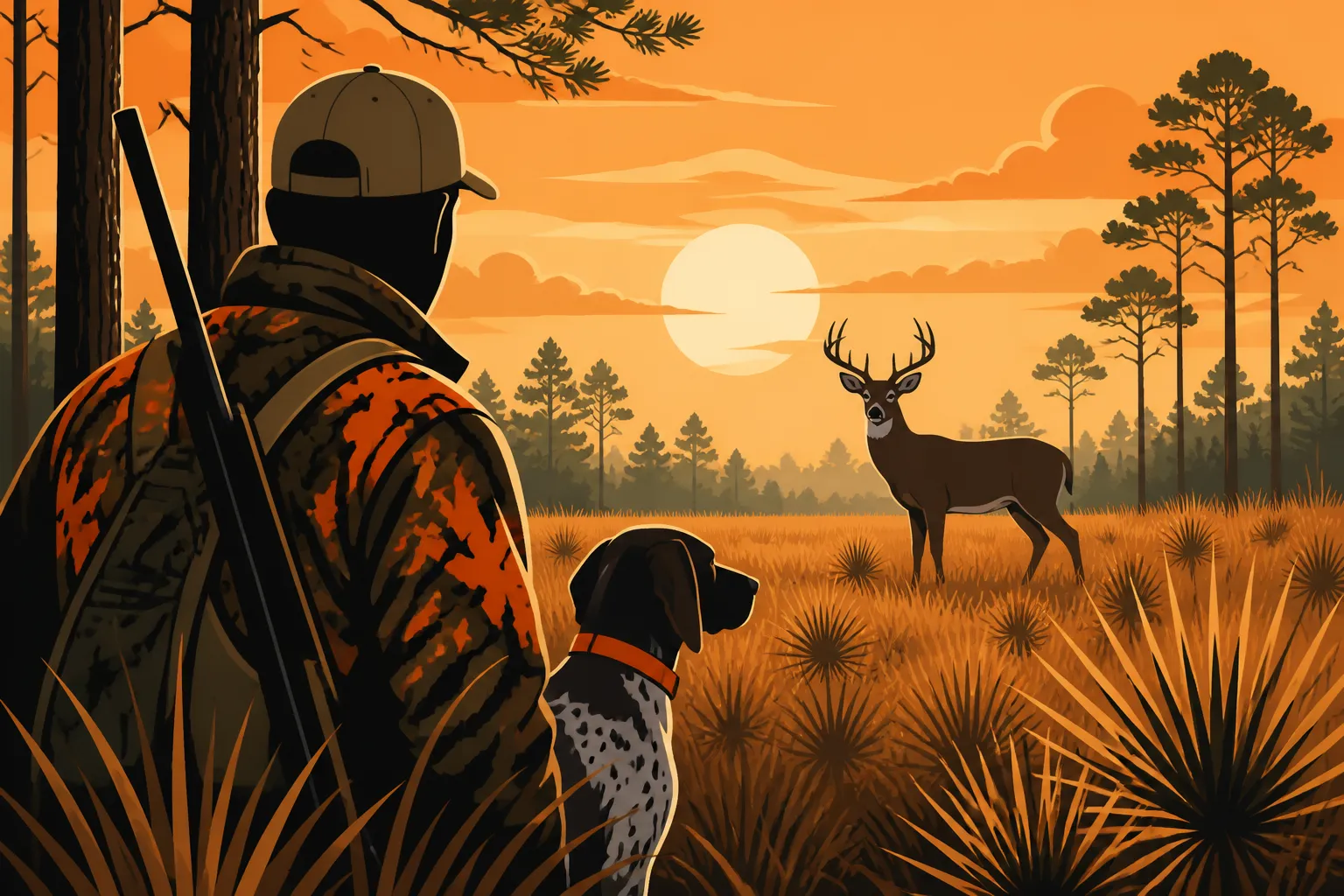
When you think Wiregrass, you absolutely have to think longleaf pine. This region was historically dominated by vast longleaf pine savannas, maintained by frequent natural fires. While much of that original forest has been cut over time, managed pine plantations are still a huge part of the landscape. These aren't just rows of trees; they're dynamic environments. Mature longleaf stands, especially those managed with prescribed fire, offer open understories of wiregrass (hence the name!) and scattered oaks. This habitat provides excellent visibility for hunters and relatively easy travel for deer. Young pine plantations, on the other hand, can be incredibly thick, offering dense bedding cover that can be nearly impenetrable for a hunter but a perfect sanctuary for a big buck. Understanding the age and management of these pine stands is crucial. A recent clear-cut regenerating with young pines and hardwoods, for example, will hold deer and turkeys differently than a mature, open pine forest. The mast production from scattered oaks within or adjacent to these pine lands, especially water oaks and laurel oaks, becomes a major draw for deer and hogs, particularly in the late season.
Agricultural Influence on Wildlife
Beyond the pines, agriculture plays a colossal role in the Wiregrass. This region is a major producer of peanuts, cotton, and various row crops. These agricultural fields act as massive food sources, concentrating deer, turkeys, and especially feral hogs. When the peanuts are still in the ground, they're like an open buffet for hogs and deer. After harvest, the scattered leftovers can still provide sustenance for weeks, sometimes months. Standing corn and soybean fields offer both food and incredible bedding cover, making them magnets for game. You'll often find deer "staging" in the timbered edges adjacent to these fields before heading out to feed under the cover of darkness. The transition lines between these agricultural fields and the pine forests, or even small hardwood drains cutting through them, are prime hunting locations. Hunters need to pay close attention to crop rotation and harvest schedules, as these will directly influence where game will be feeding. Entry Routes Through Standing Peanuts can be tricky to navigate, but understanding how deer use them is key.
Key Game Species and What to Expect
Hunting the Wiregrass means adapting your expectations and strategies to the local wildlife. While you'll find the same core species as elsewhere in Alabama, their behavior and preferred habitats are often dictated by the unique Wiregrass landscape.
Wiregrass Whitetail Deer Hunting Strategies
Wiregrass deer are often described as wily and elusive. They don't typically grow to the massive body sizes you might see in the rich Black Belt, but don't let that fool you – there are some truly impressive bucks here. Their smaller average size is largely due to the historically less fertile soils, though modern agriculture certainly helps. Your strategy for whitetails here needs to revolve around understanding their movements between bedding cover in dense pines or clear-cuts, and feeding areas in agricultural fields or hardwood drains.
- Patience is a Virtue: Deer in the Wiregrass are often pressured, especially on smaller private tracts. They become nocturnal very quickly once the season starts. Early morning and late evening hunts on field edges or travel corridors are often your best bet.
- Focus on Funnels: Even in flat terrain, natural funnels exist. Look for pinch points where two blocks of timber meet, where a creek bottom crosses a pine ridge, or where a dense thicket necks down between two open areas. These are high-traffic areas.
- Food Sources are King: Deer will travel significant distances for preferred food. If you can locate a hot food source, whether it's a peanut field, a standing soybean plot, or a small pocket of white oaks dropping acorns, you're in the game. Late-Season Food Sources for Alabama Whitetails are particularly important once the initial flush of acorns and crops diminishes.
Pursuing Wild Turkeys in Pine Forests
Turkey hunting in the Wiregrass is a truly rewarding experience, but it requires a different mindset than hunting big hardwood ridges. Here, you'll primarily be dealing with Eastern wild turkeys, and they've adapted well to the pine-dominated landscape.
- Roosting in Pines: Turkeys often roost in the tallest pines, especially those along creek drains or field edges where they have good visibility. Scouting for roost trees before the season is paramount. Listen for gobblers at dawn or dusk.
- Open Understories for Calling: The relatively open understory of managed longleaf pine stands can be a huge advantage. Your calls will carry further, and you'll have better visibility to spot approaching birds. Set up where you can see a long way and intercept a gobbler coming to your calls.
- Run-and-Gun Tactics: Because turkeys can cover a lot of ground in these open woods, a run-and-gun approach can be effective. Move, call, listen, and if you don't hear anything, move again. Don't be afraid to cover some serious mileage. Run-and-Gun Turkey Tactics on Public Land can really pay off in this habitat.
Managing and Hunting Feral Hogs
Feral hogs are a ubiquitous and often destructive presence across the Wiregrass. For hunters, they offer a year-round opportunity, but they can also make deer hunting more challenging by competing for food and disrupting patterns.
- Opportunistic Hunting: Hogs are present year-round, and landowners are usually thrilled for you to take as many as you can. They'll frequent agricultural fields, especially peanuts and corn, but also any area with soft ground for rooting.
- Night Hunting: Many Wiregrass hunters find success hog hunting at night, especially on private land. Alabama's rules allow night hunting for hogs with lights on private property, which can be an incredibly effective method. You can learn more about Night Hog Hunting Light Rules in Alabama.
- Trapping: For serious hog management, trapping is often the most efficient method to reduce populations. Large corral traps baited with sour corn can catch multiple hogs at once. Consider What Hog Trappers Use in Alabama for effective results.
Public Land Opportunities in the Wiregrass
While much of the Wiregrass is private land, don't despair! Alabama offers some fantastic public hunting opportunities in this region, provided you know where to look and how to hunt them. These tracts can be less pressured than some of the more famous national forests up north, especially if you're willing to walk a bit.
Geneva State Forest Wildlife Management Area
Geneva State Forest WMA is a gem in the Wiregrass. Located primarily in Geneva County, this WMA is a prime example of a working pine forest. It's heavily managed for timber, which means you'll find a mosaic of habitat types: mature pine stands, younger clear-cuts regenerating with thick cover, and some scattered hardwood drains.
- Habitat Diversity: The varied timber management creates diverse habitats that attract deer, turkeys, and hogs. Older pines offer open stalking opportunities, while younger, thick areas are perfect for bedding.
- Scouting is Key: Just like any WMA, successful hunting here relies heavily on scouting. Look for recent timber cuts, edge habitat where different timber types meet, and any signs of mast production. Use mapping tools like onX Hunt to identify different stand ages and find access points.
- WMA Regulations: Always check the specific regulations for Geneva State Forest WMA on the Outdoor Alabama website or app. WMAs often have specific sign-in procedures, hunt dates, bag limits, and equipment restrictions that differ from statewide rules. Alabama WMA Permit Requirement is essential to understand before you head out.
Conecuh National Forest Access and Tactics
Stretching across Covington and Escambia counties, Conecuh National Forest is a significant public land resource in the Wiregrass. This forest is characterized by extensive longleaf pine ecosystems, often managed with prescribed fire to maintain open understories.
- Piney Woods Deer: Deer in Conecuh are well-adapted to the longleaf pine environment. They often utilize the open understory for foraging and move into thicker areas for bedding. Look for areas where the pine stands transition into small hardwood bottoms or creek drainages, as these provide diverse food and cover.
- Turkey Paradise: Conecuh can be fantastic for turkey hunting. The open pine woods allow gobblers to see and hear well, making calling a bit more effective. Early morning hunts along creek bottoms where turkeys might be roosting are often productive.
- Creek and River Systems: The Conecuh River and its tributaries wind through the forest, creating critical corridors for wildlife. These river bottoms often hold the most mature hardwoods and offer excellent food sources and cover, acting as magnets for deer and hogs. Scouting these riparian zones can reveal overlooked hunting opportunities.
Other Smaller Public Tracts and State Lands
Beyond the major national forests and WMAs, the Wiregrass region may have smaller public access points, such as state-owned school trust lands or utility easements. These are typically smaller, less managed, and can be hit or miss, but sometimes a small, overlooked parcel can hold a gem.
- Detailed Mapping: This is where a robust mapping app like onX Hunt or GoHunt becomes indispensable. You can overlay property lines and identify these smaller public tracts that might not be prominently advertised. Always verify access rules and boundaries before hunting any small, isolated parcel.
- Hunting Pressure: Be prepared for varying levels of pressure. Some small tracts might be heavily hunted due to easy access, while others, requiring a bit more effort to reach, might see very little pressure.
- Scout Diligently: Given their size, these smaller parcels require thorough scouting. Look for fresh sign, identify bedding and feeding areas, and pinpoint travel corridors. Don't assume a small piece of woods won't hold game; deer are masters of utilizing fragmented habitat.
| Public Land Area | Primary Habitat Type | Key Game Species | Hunting Challenge | Best Approach |
|---|---|---|---|---|
| Geneva State Forest WMA | Mixed pine plantation, some hardwoods | Deer, Turkey, Hogs | Varied timber cuts, WMA regulations | Intense scouting, flexible tactics |
| Conecuh National Forest | Longleaf pine savanna, river bottoms | Deer, Turkey, Hogs | Vastness, consistent habitat | Focus on transitions, creek systems, fire lanes |
| Small State Tracts | Fragmented woods, varied | Deer, Small Game, Hogs | Limited size, often unmanaged, access | Hyper-detailed mapping, foot scouting, low pressure |
Securing Private Land Access: A Wiregrass Necessity
Let's be real: much of the prime hunting ground in the Wiregrass, especially those highly productive agricultural areas, is on private land. While public lands offer great opportunities, gaining access to private property can dramatically increase your chances of success and provide a more consistent hunting experience. This isn't just about knocking on doors; it's about building relationships.
Networking with Local Landowners and Farmers
The Wiregrass is a tight-knit community, and a good reputation goes a long way. The best way to gain access is often through networking and showing respect.
- Be Polite and Prepared: When approaching a landowner, always be courteous. Have a clear, concise request. "I'm looking for a place to bow hunt deer, and I was wondering if you ever allow hunting on your property?" is better than a vague inquiry. Offer to help with chores or minor farm work. Farmers often need an extra hand, and showing you're willing to put in work builds trust.
- Offer Value: Hogs are a huge problem for Wiregrass farmers. Offering to hunt and remove hogs can be your golden ticket to private land access. Frame your request around helping them mitigate crop damage. Alabama Feral Hog Regulations allow year-round hunting on private land, making this a win-win.
- Start Small: Don't ask for exclusive rights to their entire farm right away. Ask for permission to hunt a specific woodlot or a field edge. Prove yourself responsible, respectful, and successful, and more opportunities may open up over time. Remember, trust is earned.
Hunting Lease Opportunities and Considerations
Many larger private tracts in the Wiregrass are leased out to hunting clubs or individuals. This can be a more formal way to secure consistent access, though it comes with a financial commitment.
- Types of Leases: Leases can range from a single season for a few hundred dollars to multi-year agreements covering thousands of acres for thousands of dollars. They often specify species, weapon types, and who can hunt the property.
- Hunting Clubs: Joining an existing hunting club is a common way to gain lease access. Dues typically cover the lease cost, maintenance of food plots, and sometimes shared lodging or equipment. Investigate thoroughly before joining: understand the rules, meet existing members, and verify the club's financial stability. Finding an Alabama Hunting Lease can sometimes be done through word-of-mouth or online forums.
- Due Diligence: Before signing any lease, walk the property. Understand the boundaries (onX Hunt is invaluable for this!), check for existing hunting pressure, and assess the habitat. Read the lease agreement carefully to understand all terms, conditions, and responsibilities.
Building Relationships for Long-Term Access
Treating every interaction with a landowner as an investment in a long-term relationship is crucial. This isn't just about getting permission for one season; it's about creating a bond that could provide hunting opportunities for years to come.
- Communication is Key: Keep landowners informed. Tell them when you'll be hunting, what you saw, and if you harvested anything. Share your successes and offer some of the meat. A cooler full of venison or hog meat can be a powerful thank-you.
- Respect the Land and Their Wishes: This sounds obvious, but it's often overlooked. Close gates, don't block access roads, pick up your trash, and leave no trace. If they ask you not to drive in a certain field, respect it. Their property is their livelihood and their home.
- Go Above and Beyond: Offer to help with tasks beyond hunting. Fixing a fence, cutting some firewood, or helping with a broken tractor builds incredible goodwill. A small gesture can make a huge difference in securing and maintaining your hunting privileges. Remember, in Alabama, Do You Need Written Permission in Alabama? is generally a good idea, even if it's not always legally required for every situation. It just solidifies the agreement.
Effective Hunting Tactics Tailored for the Wiregrass
Hunting in the Wiregrass isn't just about where you hunt, but how you hunt. The unique landscape dictates specific tactics that can make or break your success. Forget your mountain hunting playbook; here, we're talking about subtle nuances that leverage the terrain and animal behavior.
Scouting and Interpreting Wiregrass Sign
Scouting is fundamental everywhere, but in the Wiregrass, it's about reading a specific kind of book. The sandy soil, dense pines, and agricultural patterns create distinct clues.
- Sandy Soil Tracks: Tracks are often clearer in sandy soil than in hard-packed dirt or rocky areas. Look for clear deer and hog tracks, noting direction of travel and freshness. Pay attention to how many distinct tracks you see, as this can indicate traffic volume.
- Pine Rubs and Scrapes: While deer rubs on pine trees exist, they might not be as prevalent or obvious as on hardwoods. Look for fresh rubs on smaller saplings within pine thickets, and scrapes along logging roads or field edges. Scrape Lines Along a Logging Road can be a highway for bucks.
- Crop Damage and Trails: On properties with agriculture, focus your scouting on the edges of fields. Look for trails leading into standing crops or recently harvested fields. Hog rooting is unmistakable and can indicate prime feeding areas. A mapping tool like GoHunt can help you mark these signs and visualize patterns.
Stand Placement in Pine Plantations and Field Edges
Where you place your stand is paramount, especially when dealing with the limited visibility of dense pine plantations or the open expanse of field edges.
- Pine Plantation Edges: For mature pines, place stands along edges where different habitat types meet – say, where a mature stand meets a younger clear-cut, or a pine plantation borders a hardwood drain. These edges are natural travel corridors.
- Thick Cover Ambushes: In younger, thicker pine plantations, focus on finding internal travel routes or "tunnels" that deer use to navigate the dense cover. These spots often require closer shots, so adjust your weapon choice accordingly. Ground blinds brushed into the edge of a thicket can be incredibly effective here.
- Field Edge Strategies: On agricultural fields, set up your stand downwind of common entry points. Look for corners, points of timber that jut out into the field, or small draws that offer deer a covered approach. Consider how Brushing In a Blind on a Field Edge can make you nearly invisible. Being able to see a long way isn't always an advantage if the deer can see you first.
Understanding Thermals and Wind in Flat Terrain
Even in relatively flat Wiregrass terrain, thermals and wind currents play a critical role, especially at dawn and dusk. Don't assume flat means no air movement nuances.
- Morning Thermals: As the sun rises and warms the earth, air will start to rise. If you're set up in a low-lying area, your scent will likely rise and spread. Conversely, if you're on a slight rise overlooking a bottom, your scent may carry down into the low area before rising.
- Evening Thermals: As the ground cools in the evening, air flows downhill. If you're hunting a field edge with a slight elevation drop towards a creek, your scent will typically drift down into that low area. Plan your entry and exit routes to avoid blowing your scent into bedding areas.
- Prevailing Winds: The overall wind direction is always important. Always hunt with the wind in your favor, especially when hunting field edges where deer often circle downwind before entering. Use a milkweed pod or a good quality scent checker to constantly monitor wind currents. Even subtle changes can be enough to bust a wise old buck.
Navigating Seasons, Regulations, and Licensing
Before you even think about setting foot in the Wiregrass with your hunting gear, it's critical to understand Alabama's specific seasons, bag limits, and licensing requirements. What applies statewide might have specific nuances in certain zones or on WMAs, and staying compliant keeps you out of trouble and supports wildlife conservation.
Deer and Turkey Season Dates for Wiregrass Counties
Alabama uses a zone system for deer season, and the Wiregrass counties generally fall into Zone A, which typically has one of the longest gun seasons in the state. However, it's absolutely vital to double-check the current year's regulations because dates can shift slightly.
- Deer Zones: Most Wiregrass counties are in Zone A, which often means an earlier opening for archery and a lengthy gun season. However, always confirm your specific county's designation as boundary lines can be tricky. Alabama Deer Season Structure Explained is a good starting point, but always check the current year's digest.
- Antlerless Limits: Pay close attention to the antlerless deer limits for your specific county and zone. While Zone A generally allows a generous number of unantlered deer, local regulations or WMA rules can impose tighter restrictions, especially on public land. Remember, How Many Antlerless Deer Zones A and B Allow can vary.
- Turkey Zones: Alabama also has turkey zones. Most of the Wiregrass is in Zone 1 for spring turkey, which usually means an earlier opener than Zone 2. Be sure to know which zone your specific hunting grounds fall into to avoid any missteps. Alabama Zone 1 Spring Turkey Opening Day is a date you'll want to circle on your calendar.
Special Regulations and Permitting
Beyond the standard season dates, some specific rules apply to certain game or hunting methods that are particularly relevant to the Wiregrass.
- Feral Hogs: As mentioned, hogs can be hunted year-round on private land with landowner permission. There's no closed season or bag limit. On public lands like WMAs or National Forests, hog hunting typically aligns with existing deer and turkey seasons. Always verify WMA-specific rules. Alabama Feral Hog Regulations provide the full details.
- CWD Management Zone: While the primary CWD Management Zone is currently concentrated in northwest Alabama, it's imperative for all hunters to stay informed. Should CWD be detected in a Wiregrass county, new regulations on carcass movement and mandatory testing could be implemented. Always check for updates, especially if you plan to travel with harvested game. Alabama's Chronic Wasting Disease Management Zone is a critical piece of information for any Alabama hunter.
- WMA Specific Rules: If you're hunting a Wildlife Management Area (WMA) like Geneva State Forest, remember that WMAs have their own set of rules, often stricter than statewide regulations. This can include mandatory check-in/check-out, specific hunt days, weapon restrictions, or bonus tags. Always obtain a WMA permit and check the WMA's specific rules before hunting.
Essential Licensing for Wiregrass Hunters
Every hunter in Alabama, with very few exceptions, needs a valid hunting license. Don't leave home without it, and make sure you have the correct type for your age, residency, and planned hunting activities.
- Resident vs. Non-Resident: Your residency status determines the type and cost of your license. Alabama offers various options, from annual licenses to shorter-term permits for non-residents. Alabama Resident Hunting License Options cover the basics for locals.
- All-Game vs. Small Game: Most deer and turkey hunters will need an "All-Game" license. If you're only targeting squirrels or rabbits, a small game license might suffice, but always ensure it covers your intended quarry.
- Federal and State Duck Stamps/HIP Certification: If you plan on doing any waterfowl hunting in the Wiregrass (which can be good in certain agricultural areas with ponds), you'll need both a federal duck stamp, an Alabama state duck stamp, and be HIP (Harvest Information Program) certified.
- Hunter Education: Alabama requires anyone born on or after August 1, 1969, to complete an approved hunter education course before purchasing a hunting license. There are exceptions for apprentice licenses, but for full freedom, get your hunter ed done. Alabama Hunter Education Requirements lay out all the details.
- Game Check: Don't forget the mandatory Game Check system for deer and turkey harvests. You must report your harvest within 48 hours. It's a quick process online or via the Outdoor Alabama app, but it's crucial for wildlife management. The Alabama Deer Reporting Deadline is firm!
Essential Gear and Resources for Wiregrass Hunting
Hunting in the Wiregrass demands gear that's up to the task of pine flats, sandy soils, and often warm, humid conditions. Beyond your primary weapon, a few key items and resources can significantly improve your comfort, success, and safety.
Footwear, Clothing, and Bug Protection
The Wiregrass isn't known for towering mountain climbs, but comfortable and appropriate attire is still paramount.
- Footwear: Sturdy, waterproof boots are always a good idea, even with sandy soils. You'll encounter creek crossings, damp areas, and morning dew. Snake boots or gaiters are highly recommended, especially during warmer months, given the prevalence of venomous snakes like rattlesnakes and cottonmouths.
- Clothing: Dress in layers, as Wiregrass mornings can be chilly but afternoons can warm up quickly, even in late fall. Lightweight, breathable, moisture-wicking materials are ideal. Blaze orange requirements apply during gun season, so ensure you have enough visible coverage. How Much Blaze Orange Alabama Requires is a specific amount you'll need to know.
- Bug Protection: This is non-negotiable, especially in early season or during mild weather. Ticks, mosquitoes, and chiggers are abundant. Permethrin-treated clothing and a good skin repellent with DEET are your best friends. Consider a ThermaCell for stand hunting.
Mapping and Navigation Tools
In a region of seemingly endless pine rows and similar-looking clear-cuts, reliable navigation is key to finding your spot and, more importantly, finding your way back.
- GPS and Mapping Apps: A GPS unit or, more commonly today, a robust hunting app on your smartphone, is essential. onX Hunt and GoHunt are excellent examples that allow you to view property lines, satellite imagery, topographic maps, and mark waypoints for stands, game sign, and access points. These apps can literally be the difference between a successful hunt and a frustrating, lost experience. Using Outdoor Alabama Without Cell Service is a real concern in some remote areas, so make sure your app allows for offline map downloads.
- Compass and Physical Map: While digital tools are fantastic, always have a backup. A traditional compass and a paper map of the area (if available) can save you if your phone dies or loses signal.
- Trail Cameras: Trail cameras are invaluable for scouting in the Wiregrass. Place them on logging roads, field edges, at pinch points, or near potential food sources to monitor game movement without constant intrusion. This is especially useful for understanding when deer are moving from bedding to feeding in the vast pine landscape. Where to Hang a Camera on a Logging Road can provide you with critical intelligence.
Calls, Decoys, and Scent Control
Tailoring your calls, decoys, and scent control to the Wiregrass environment can give you an edge.
- Deer Calls: Rattling and grunting can be effective, especially during the rut, but consider the cover. In thick pines, Rattling Volume in Thick Pine Cover needs to be loud enough to cut through the vegetation. In more open areas, you might need less.
- Turkey Calls and Decoys: A variety of turkey calls, from pot calls to box calls and mouth calls, are useful for imitating the different sounds. Decoys can be very effective in the open pine woods or along field edges, drawing a gobbler into range. Just remember Alabama's Ten-Day Decoy Restriction during the early part of the season.
- Scent Control: Always practice good scent control, especially when hunting pressured deer or in relatively open areas. Scent-eliminating sprays, ozone treatments, and clean hunting clothes are vital. Even with the best scent control, always hunt with the wind in your favor.
Disclaimer
This article is for general informational purposes only and does not constitute professional advice. Laws, prices and regulations vary by location and change over time. Consult a qualified professional for guidance on your specific situation.