Vetting an Alabama Outfitter Before You Book
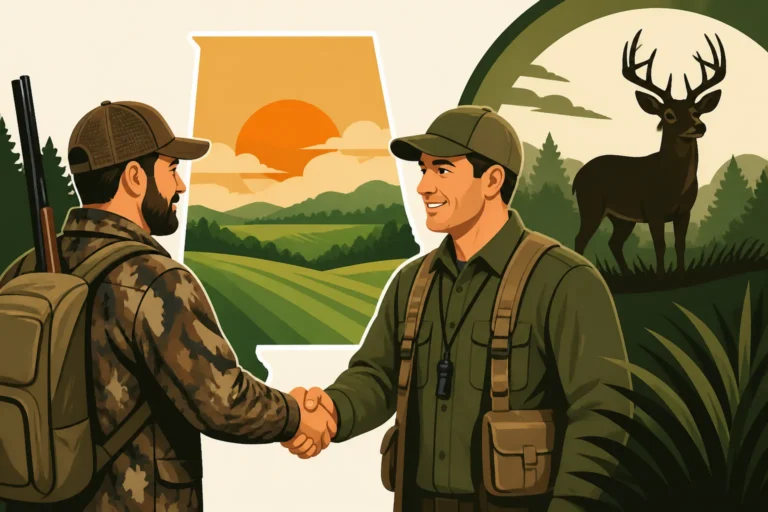
Booking a guided hunt in Alabama can feel like a big leap of faith. You're entrusting your precious time, hard-earned money, and often a lifelong dream to someone you might have only spoken to over the phone or seen on a website. The fear of showing up to a disorganized camp, a disappointing hunt, or worse, a scam, is a very real and valid concern. This guide is designed to walk you through the essential steps to thoroughly vet any Alabama outfitter, helping you book with confidence and set yourself up for the best possible hunting experience.
Why Vetting is Crucial for Your Alabama Hunt
Let's be honest, hunting is more than just a hobby for many of us; it's a passion, a tradition, and often, a significant investment. When you decide to book a guided hunt, especially if you're traveling from out of state or looking for a specific kind of experience, you're investing not just money, but also your hopes and expectations. Skipping the due diligence phase can lead to a lot of frustration, regret, and a potentially ruined trip.
Avoiding Disappointment and Financial Loss
Imagine arriving in Alabama, gear in tow, only to find the lodge isn't what was promised, the hunting area is overpressured, or the guide seems less than prepared. This isn't just a bad day; it can be a costly mistake. Outfitters often require substantial deposits upfront, sometimes the full payment, well in advance of your hunt. If things go south, getting that money back can be an uphill battle, if it's even possible. You might find yourself out of a significant sum, with no game to show for it, and a sour taste in your mouth about what should have been an exciting adventure. That disappointment can linger for years.
Beyond the monetary aspect, there's the lost opportunity. Maybe you saved up vacation days, bypassed other hunting chances, or spent months anticipating this specific trip. To have it fall short due to an unvetted outfitter is a profound letdown. It's about protecting that investment, both financial and emotional, to ensure you get the experience you're truly hoping for. Taking the time to properly vet an outfitter is the first line of defense against these kinds of disheartening scenarios.
Matching Expectations with Reality
One of the biggest sources of dissatisfaction in any guided hunt isn't necessarily a bad outfitter, but rather a mismatch between what the hunter expected and what the outfitter actually provides. An outfitter might genuinely offer a fantastic hunting experience, but if their definition of "fantastic" doesn't align with yours, you're still going to leave feeling disappointed. For example, if you're dreaming of a Trophy Black Belt Buck Hunt but book with an outfitter focused solely on filling tags, your expectations might not be met.
Vetting helps bridge this gap. It's about asking specific questions that clarify the details: what kind of deer herd are they managing? What are the typical shot opportunities? What's the guide-to-hunter ratio? Are you expected to do spot-and-stalk, or will you be primarily sitting in stands? Understanding these nuances upfront ensures that when you arrive, you have a realistic picture of what the hunt will entail, making it far more likely you'll be satisfied with the outcome, even if it's not a record book animal.
Ensuring Safety and Ethical Practices
Hunting, by its very nature, carries certain risks. When you put your safety in the hands of a guide, you need to be confident in their judgment and adherence to safety protocols. This includes everything from proper firearm handling and tree stand safety to navigating unfamiliar terrain and understanding emergency procedures. A reputable outfitter will prioritize safety above all else, ensuring their equipment is well-maintained and their guides are properly trained.
Beyond safety, there's the ethical aspect. As hunters, we have a responsibility to uphold ethical hunting practices and adhere to all state regulations. A good outfitter not only knows these rules inside and out but also enforces them strictly. You want to ensure the outfitter operates legally and ethically, respecting the game, the land, and the laws of Alabama. Questions about their Alabama Firearms Discharge Setback Rules or Alabama Minimum Rifle Caliber Rules are perfectly valid. Vetting helps ensure you're not inadvertently involved with someone cutting corners or operating outside the bounds of responsible hunting.
Starting Your Search: Where to Find Reputable Alabama Outfitters
So, where do you even begin looking for an Alabama outfitter that's worth your trust? It can feel overwhelming with so many options out there, from glossy websites to forum recommendations. The key is to start broad and then narrow down your choices using a multi-pronged approach.
Online Directories and Booking Platforms
The internet is often the first stop for hunters planning a trip. There are several dedicated online platforms and directories that list outfitters, often with photos, pricing structures, and even direct booking options. Sites like BookYourHunt can be a useful starting point, as they aggregate listings from various outfitters. Similarly, GoHunt often features outfitter reviews and information, helping you get a feel for what's available. These platforms can provide a good overview of the types of hunts offered, general Average Cost of a Guided Alabama Deer Hunt, and what different regions of Alabama specialize in.
When using these platforms, pay close attention to the details provided. Do the listings include clear descriptions of the hunting areas, species targeted, and what's included in the price? Are there reviews from previous clients, and how recent are they? While these sites offer convenience, remember they are primarily marketing tools for the outfitters. Your vetting process shouldn't end with what's presented on a booking platform; it should only just begin there. Use them to identify potential candidates, but be prepared to dig deeper.
Recommendations and Word-of-Mouth
There's nothing quite as powerful as a personal recommendation when it comes to choosing an outfitter. Talk to fellow hunters, friends, or even local sporting goods store owners who might have firsthand experience or know someone who does. A glowing review from a trusted source carries a lot more weight than an anonymous online testimonial. These personal connections can offer insights you won't find anywhere else, like how a guide handles challenging weather, what the camp atmosphere is truly like, or specific details about the local deer rut.
Don't be afraid to ask for specifics. What made their hunt successful? What were the challenges? Would they go back? Sometimes, even a negative experience can be valuable, as it highlights what you want to avoid. If a friend mentions a great experience hunting in the Black Belt Versus Piedmont Deer regions with a certain outfitter, that's a strong lead to follow. Remember to consider if their hunting style and goals align with yours; a great fit for one hunter might not be ideal for another.
State Wildlife Agency Resources
The Alabama Department of Conservation and Natural Resources (ADCNR) is your go-to source for official information. While they don't typically endorse specific outfitters, they can provide crucial details about hunting regulations, season dates, and licensing requirements that any legitimate outfitter must adhere to. They might also be able to confirm if an outfitter operates legally, especially if they are guiding on public lands or specific WMAs.
Checking the ADCNR website for general hunting information, such as Alabama Deer Season Structure Explained or Alabama turkey zones and dates, will give you a baseline of knowledge. A reputable outfitter will be well-versed in these regulations, so if you ask a question and get a vague or incorrect answer, that's a significant red flag. Some states also have licensing requirements for guides and outfitters; while Alabama might not have an extensive system for all types of guides, it's worth checking if any such certifications exist or are voluntary through professional associations.
Key Questions to Ask Prospective Outfitters
Once you've got a shortlist of potential outfitters, it's time to start asking the tough questions. Don't be shy; this is your hunt, and you deserve clear, comprehensive answers. A good outfitter will appreciate your thoroughness and be happy to provide all the information you need.
Understanding the Hunt Details and Inclusions
This is where you get down to the nitty-gritty of what your money will buy. Don't assume anything. Ask for a detailed breakdown of what's included in your Alabama Lodge and Package Hunts. Does the price cover food and lodging? Is transportation during the hunt provided? Are licenses and tags included, or are those your responsibility? Many outfitters offer different tiers of packages, from basic day rates to all-inclusive experiences, so clarity is paramount.
You should also inquire about the specific hunting methods. Will you be hunting from ground blinds, elevated stands, or stalking? How many hours per day are typically spent hunting? What is the guide-to-hunter ratio? If it's a one-on-one guided hunt, that's a very different experience than being part of a larger group with a single guide. Ask about the type of terrain you'll be hunting and what kind of physical fitness level is expected. For example, if you're eyeing a spot in the Talladega National Forest Hunting, be prepared for some steep climbs. A table like this can help organize your thoughts:
| Category | Key Questions to Ask | What to Look For |
|---|---|---|
| Hunt Type | What species? What weapon? What methods (stands, stalk, drive)? | Clear, specific answers; alignment with your preferences. |
| Inclusions | What's covered (lodging, food, guide, transportation, caping)? | Itemized list; no hidden fees. |
| Exclusions | What's not covered (license, tags, processing, taxidermy)? | Transparent list; no surprises. |
| Hunting Area | Public or private? Size? Game density? | Specifics on land access and management. |
| Guide Ratio | How many hunters per guide? | Matches your preferred level of attention. |
| Physicality | What's the terrain like? Required fitness level? | Realistic expectations for your abilities. |
Clarifying Pricing, Deposits, and Cancellation Policies
Money matters are often the most uncomfortable to discuss, but they are absolutely essential. Get a firm quote for the entire hunt, including any taxes or fees that might not be immediately obvious. Ask about the deposit amount, when it's due, and if it's refundable under any circumstances. What are their payment terms for the remainder of the balance? Is there a discount for cash, or do they accept credit cards?
Perhaps even more important is understanding their Cancellation Terms in Alabama. Life happens: emergencies, illness, unexpected travel restrictions. What is their policy if you need to cancel, or if they need to cancel due to unforeseen circumstances like severe weather or a lack of game? Do they offer rebooking, a partial refund, or do you lose your deposit entirely? A transparent outfitter will have clear policies in place, preferably in writing. If you're comparing two outfits, be sure to understand what each Alabama Outfitter Cancellation Policies Compared entails.
Inquiring About Experience and Licensing
It’s perfectly acceptable to ask an outfitter about their experience. How long have they been in business? What specific experience do their guides have? Are they full-time guides, or part-timers? What kind of training or certifications do their guides hold, particularly for first aid or firearms safety? This information helps you gauge their professionalism and expertise.
While Alabama doesn't have a universal guide licensing requirement for all hunting, it's worth asking if they hold any specific permits or if their guides are members of any professional associations. For instance, guiding on certain federal lands might require specific permits, and an outfitter operating on Alabama Wildlife Management Areas will need to adhere to specific WMA rules. Also, don't hesitate to ask if they carry liability insurance. Insurance an Alabama Outfitter Should Carry is a sign of a professional operation looking to protect both themselves and their clients.
Checking References and Past Client Experiences
An outfitter's word is one thing, but the experiences of their past clients speak volumes. This is where you move beyond the marketing spiel and get to the real truth of what a hunt with them is like.
Requesting and Contacting Previous Hunters
Any reputable outfitter should be willing to provide you with a list of recent references – ideally clients from the last season or two. Ask for at least three references, and make sure they are from hunters who participated in the type of hunt you're interested in (e.g., deer hunt, turkey hunt, hog hunt). When you contact these references, be prepared with a list of questions:
- Were the accommodations as described?
- Was the food good, and was there enough of it?
- How organized was the hunt? Did things run on time?
- Did the guide work hard for you? Were they knowledgeable about the area and game?
- Did you feel safe at all times?
- Were the game numbers and quality reflective of what was promised?
- Would you hunt with this outfitter again? Why or why not?
- Was there anything you wished you had known before you booked?
Listen carefully not just to what they say, but how they say it. Enthusiasm is a good sign. Hesitation or vague answers might warrant further probing. If an outfitter refuses to provide references, consider that a major red flag.
Scrutinizing Online Reviews and Testimonials
Online reviews, like those on hunting forums, Google, or platforms like BookYourHunt and GoHunt, can offer a broad perspective, but they need to be read with a critical eye. Look for patterns in the reviews. Are there consistent complaints about certain aspects, like food, guide effort, or transparency? Or are there recurring praises for specific guides, the quality of game, or the lodge experience?
Be wary of reviews that are overly vague or seem too good to be true, especially if they lack specific details. A single bad review isn't necessarily a deal-breaker – sometimes a client just had a bad day or unrealistic expectations – but a consistent stream of negative feedback over time is definitely a warning sign. Also, see how the outfitter responds to negative reviews, if at all. A professional response that addresses concerns rather than dismisses them can actually be a positive indicator. This can also give you insight into Reading Outfitter Success Claims.
Looking for Consistency and Red Flags
As you gather information from the outfitter directly, their website, online reviews, and references, look for consistency. Does the outfitter's story align with what their past clients are saying? Do the photos on their website accurately represent the lodge and hunting grounds, or do they seem generic? Any discrepancies, evasive answers, or inconsistencies should prompt you to dig deeper.
A major red flag is if an outfitter badmouths competitors or pressures you to book immediately. High-pressure sales tactics are rarely a sign of a confident, reputable business. Also, be suspicious of any outfitter that requests payment methods that are difficult to trace or recover, like wire transfers to personal accounts. Always ensure they can verify Verifying Land Access Before You Book. Your goal here is to build a complete picture, cross-referencing information to ensure you're getting the whole truth.
Verifying Land Access and Management Practices
A successful hunt is deeply tied to the quality of the land and how it's managed. Understanding an outfitter's land situation and management philosophy is crucial for assessing your potential success.
Confirming Lease Agreements and Public Land Permits
First and foremost, you need to understand where you'll be hunting. Is it private land, public land, or a combination? If it's private land, inquire about the size of their lease and how long they've held it. A long-standing lease often indicates a stable operation and good relationships with landowners. Ask if they can provide proof of current lease agreements or landowner permission. This is especially important for Getting Private Land Permission in Alabama.
If the outfitter primarily hunts public land, such as a National Forest like William B. Bankhead National Forest Hunting or a specific WMA, confirm that they possess all necessary permits to guide on those lands. Public lands have specific rules regarding commercial operations, and you want to ensure your outfitter is fully compliant. Ask about their strategies for Hunting Pressure on Alabama Public Land and how they manage it to ensure quality hunts for their clients.
Discussing Habitat Management and Herd Quality
A truly dedicated outfitter isn't just taking clients to an area; they're actively managing the habitat and game herd. Ask about their land management practices. Do they plant food plots? If so, what kind and how often? Do they implement timber stand improvements or prescribed burns to enhance habitat? Food Plots on Alabama Private Land or Habitat Work on Alabama WMAs are strong indicators of a proactive approach.
For deer hunting, inquire about their herd management philosophy. Do they have antler restrictions or specific goals for buck age structure? What are the typical age classes and sizes of deer harvested on their property? Understanding Alabama Buck Age Structure and how they aim to improve it can tell you a lot about their long-term commitment. For turkey hunts, ask about brood surveys and predator control efforts, as these contribute to a healthy Alabama Turkey Population Trends. These questions not only inform you about the hunt quality but also ensure you're supporting ethical, conservation-minded operations.
Understanding Hunting Pressure and Guest Rotation
Hunting pressure is a huge factor in game movement and success rates. Ask the outfitter how many hunters they take at one time, and how many hunting days they book on a particular tract of land per season. Overcrowding can quickly lead to educated, wary animals and a frustrating experience. A good outfitter will have a sensible rotation system or enough acreage to spread out hunters effectively.
Inquire about the maximum number of hunters allowed in camp or on a specific hunting block. Do they stagger hunts to minimize pressure, or do multiple groups hunt the same areas concurrently? This is particularly relevant if you're looking for a low-pressure, high-quality experience. Some outfitters prioritize quantity over quality, running back-to-back groups with little downtime for the land to "rest." You want to find an outfitter who understands that quality hunting requires managing pressure, not just putting hunters in stands.
Understanding the Logistics: From Arrival to Harvest
Beyond the hunting itself, the overall experience of a guided trip hinges on smooth logistics. A well-organized outfitter will have clear processes for every step of your journey.
Travel, Accommodation, and Meal Arrangements
Confirm the nearest airport if you're flying, and whether the outfitter provides Airport Pickup and Lodging Logistics or if you're responsible for your own transportation to camp. Ask about the type of accommodations – is it a rustic cabin, a comfortable lodge, or a motel? Get details on sleeping arrangements, amenities, and showering facilities. Pictures are great, but ask specific questions about heating, air conditioning, and what you need to bring (e.g., towels, toiletries).
Food is another big one. Inquire about What Lodge Meals Typically Include – is it home-cooked, restaurant-style, or does the outfitter expect you to contribute? Are dietary restrictions accommodated? How are meals scheduled around hunt times? Knowing these details prevents unpleasant surprises and helps you pack appropriately. A comfortable camp and good food can make a huge difference in your enjoyment of the overall trip, even if the hunting is tough.
Game Recovery, Processing, and Taxidermy Services
The hunt doesn't end when you pull the trigger. What happens after the animal is down? Ask about the outfitter's game recovery procedures. Do they use tracking dogs? What is their policy for a wounded animal that isn't immediately recovered? Understanding their commitment to ethical recovery is vital.
Then, discuss game processing. Does the outfitter or guide field dress the animal? Is basic caping included in the price? Do they have facilities for Butchering a Deer at Camp or relationships with local processors? Ask about freezer space for your meat and capes, and if they assist with packaging or shipping. If you're hoping for a trophy, inquire about Taxidermy Arrangements Through an Alabama Guide or if they can recommend local taxidermists. Make sure you understand how to handle venison from the Alabama's Chronic Wasting Disease Management Zone if your hunt is in that area.
Rules, Regulations, and Safety Protocols on the Hunt
A good outfitter will have a comprehensive safety briefing. Ask about their specific safety rules for tree stands, firearms, and navigating the hunting property. What are their communication procedures in the field, especially if hunting solo or in remote areas? What emergency protocols are in place for accidents or medical issues? They should clearly explain Firearm Safety Rules on a Guided Group Hunt.
Furthermore, ensure they are fully compliant with all Alabama hunting regulations. This includes bag limits, legal shooting hours, antler restrictions (if any for their specific property or zone), and tagging/reporting requirements. They should be able to explain the Alabama Deer Reporting Rules and Alabama Turkey Checking Requirements. Any vagueness here is a serious warning sign. You want to hunt with an outfitter who prioritizes legal and safe hunting practices above all else.
What to Watch Out For: Red Flags and Warning Signs
While many Alabama outfitters are honest and professional, there are always a few bad apples. Knowing what to look for can save you a lot of heartache and money.
Vague Answers and Lack of Transparency
When an outfitter is evasive, deflects questions, or gives vague, non-committal answers, that's a major red flag. For instance, if you ask "How many deer did you harvest last season?" and they say, "Oh, we had a really good year," without providing any actual numbers or percentages, be cautious. A legitimate outfitter should be transparent about their operations, success rates, and what clients can reasonably expect. If they refuse to provide references, or only offer a single, carefully curated one, that's also concerning. Remember, Red Flags When Booking in Alabama often start with a lack of openness.
Another area where vagueness crops up is in pricing. If the advertised price doesn't seem to include everything, or they're hesitant to give you a full breakdown of costs, be suspicious. Hidden fees can quickly inflate the "deal" you thought you were getting. You need a clear, itemized quote to avoid surprises. If they can't articulate their Alabama Deer Season Structure Explained for the area you'll be hunting, they might not be as knowledgeable as they claim.
Unrealistic Guarantees and "Too Good to Be True" Offers
This is perhaps the biggest warning sign in the outfitting world. No ethical outfitter can guarantee a harvest. Hunting involves wild animals, weather, and a myriad of unpredictable factors. If an outfitter promises a "100% kill rate" or guarantees you'll shoot a Boone & Crockett buck, they are being dishonest. While they can promise effort, good habitat, and opportunities, a harvest is never a certainty.
Similarly, be wary of deals that seem exceptionally cheap compared to other outfitters offering similar hunts. While a good value exists, drastically lower prices can often signal cut corners in guide quality, property management, safety standards, or even legality. Remember the old adage: if it sounds too good to be true, it probably is. Investigate thoroughly. Reading Outfitter Success Claims with a healthy dose of skepticism is always a good idea.
Pressure Tactics and Discount Scams
Watch out for high-pressure sales tactics. If an outfitter tries to rush you into booking with lines like, "This deal is only good today!" or "We're almost fully booked, you have to decide now!", take a step back. Reputable outfitters understand that booking a hunt is a significant decision and will give you the time you need to do your research. Scammers often use urgency to prevent you from properly vetting them.
Be extremely careful with offers for deeply discounted hunts that require immediate payment via unconventional methods (e.g., specific money transfer apps, gift cards, or wire transfers to personal accounts). These are classic signs of a scam where your money will vanish with no recourse. Always ensure you're paying a legitimate business entity through traceable methods. If they insist on a direct wire transfer to an individual, especially if they are vague about their business name or address, it's probably best to walk away.
Finalizing Your Booking with Confidence
After all your diligent research, you've found an outfitter that checks all the boxes. Now it's time to seal the deal and prepare for your Alabama adventure!
Getting Everything in Writing
This is absolutely non-negotiable. Before you send any money, ensure you have a written contract or agreement that clearly outlines everything discussed. This document should detail the hunt dates, species, what's included and excluded, the total cost, payment schedule, deposit amount, and, critically, the cancellation and refund policy. It should also specify the exact land you will be hunting on and any specific rules or guarantees (within reason, as discussed). This protects both you and the outfitter and prevents misunderstandings down the road.
If an outfitter is unwilling or unable to provide a written agreement, or if the written agreement deviates significantly from what was verbally promised, consider it a deal-breaker. A professional operation will have standard contracts in place for their clients. Don't be afraid to ask for clarification on any clauses you don't understand before you sign.
Preparing for Your Hunt
Once you've booked, the outfitter should provide you with a detailed packing list, travel instructions, and any necessary pre-hunt information (e.g., license purchase instructions, physical conditioning recommendations). Take this information seriously! Adhering to their advice will help ensure you're well-prepared for the specific conditions of your hunt, whether it's cold weather gear for a late-season deer hunt or lightweight clothing for Spring Turkey Hunting in Alabama.
Make sure you've purchased all required licenses and tags well in advance. Check the ADCNR website for Alabama Hunting Licenses and What They Cost and ensure you have them in your possession (or on your phone via the Outdoor Alabama app) before you arrive. Physical fitness is also often overlooked; even if the hunt isn't extremely strenuous, being in good shape will make the experience more enjoyable and increase your chances of success.
Trusting Your Gut
Ultimately, after all the research, questions, and reference checks, you need to trust your gut feeling. If something still feels off, even if you can't put your finger on exactly why, it's okay to walk away. There are many fantastic, ethical outfitters in Alabama who would be thrilled to earn your business. Your peace of mind and the quality of your hunting experience are worth the extra effort in finding the right fit. A guided hunt should be an exciting and memorable adventure, not a source of stress or regret.
Disclaimer
This article is for general informational purposes only and does not constitute professional advice. Laws, prices and regulations vary by location and change over time. Consult a qualified professional for guidance on your specific situation.