Taxidermy Arrangements Through an Alabama Guide
You've just wrapped up an incredible hunting trip in Alabama, perhaps even bagging that buck of a lifetime or a gobbler you'll never forget. The adrenaline is still pumping, the memories are fresh, and then reality sets in: what do you do with that magnificent animal now that it's down? For many hunters, especially those traveling or new to using guides, arranging taxidermy can feel like an overwhelming logistical puzzle after the thrill of the hunt. This guide will walk you through the various options and considerations for making taxidermy arrangements when hunting with an Alabama guide, ensuring your prized trophy makes it home safely and professionally preserved.
The Guide's Role in Post-Harvest Trophy Care
When you book a guided hunt in Alabama, your guide is an invaluable resource, often assisting with far more than just finding the game. However, their involvement in post-harvest care, especially regarding taxidermy, can vary widely from one outfitter to the next. It’s crucial to understand these nuances beforehand to avoid any surprises after a successful hunt.
Basic Field Dressing and Initial Preservation
Almost universally, your Alabama hunting guide will assist with basic field dressing your animal. This is standard practice, whether it’s a deer, turkey, or hog. They'll ensure the animal is properly gutted to begin the cooling process and prevent spoilage. For deer, this often means getting the animal quartered or at least into a cooler with ice, especially if you're hunting during Alabama's famously warm early and late seasons. They might even help with caping the animal for a shoulder mount right there in the field, or at a designated cleaning station back at camp. This initial care is absolutely critical for the quality of your finished taxidermy piece. A poor field dressing job can ruin a cape before it even gets to a professional.
However, "assistance" doesn't always mean "full service." Many guides are adept at the rough-and-ready steps needed to get your trophy ready for transport or further processing. They might have a walk-in cooler at the lodge for hanging deer, which is a huge benefit for proper meat aging and cape preservation. But don't assume they are taxidermists themselves or have elaborate facilities. Their primary goal is often to get the animal ready for you to take to the next step, whether that's a local processor or a dedicated taxidermist. It’s always best to clarify what exactly "trophy care" means to them when you're vetting an Alabama outfitter.
Connections with Local Taxidermists and Processors
One of the biggest advantages of hunting with an experienced Alabama guide is their network of local contacts. Most reputable guides have long-standing relationships with nearby taxidermists and meat processors. They know who does quality work, who is reliable, and who can handle the specific needs of hunters, especially during busy seasons. This local knowledge can be invaluable, saving you time and stress trying to find someone on your own in an unfamiliar area.
Your guide might offer to drop your trophy off at a specific taxidermy shop for you, or at least provide you with direct contact information and directions. They might even have a preferred taxidermist who gives their clients a slight discount or prioritizes their work. However, remember that the final contract and payment for taxidermy services will almost certainly be between you and the taxidermist, not the guide. Think of your guide as a facilitator and trusted referral, not the service provider themselves. Always confirm the process, who pays what, and the anticipated timeline. It’s wise to ask about these connections when you're booking, perhaps while discussing Vetting an Alabama Outfitter Before You Book.
Understanding Your Taxidermy Options and Costs
Before you even step foot in the Alabama woods, it's a good idea to have a rough plan for what you want to do with your trophy. The choices you make will impact initial field prep, cost, and logistics down the road.
Common Mount Types and Their Preparation Needs
There are several popular ways to preserve a trophy, each with specific requirements from the moment the animal is harvested.
| Mount Type | Description | Field Prep Focus | Shipping Considerations |
|---|---|---|---|
| Shoulder Mount | Head, neck, and shoulders of the animal, typically mounted on a wall plaque. | Careful caping, ensuring enough hide (cape) is taken, no cuts through the brisket. | Cape must be properly salted/frozen. Antlers can be removed for shipping. |
| European Mount | Skull is cleaned (boiled or dermestid beetles) and whitened, often on a plaque. | Head must be removed cleanly from the neck, leaving skull intact. Meat stripped as much as possible. | Less critical than a cape, but still needs to be cleaned and dried for shipment. |
| Life-Size Mount | Entire animal mounted in a realistic pose. | Full body skinning, ensuring no holes or cuts, special cuts for legs/tail. | Requires significant freezer space and specialized shipping for large animals. |
| Half-Life-Size Mount | Front half of the animal, often standing on hind legs or elevated. | Similar to life-size, but only for the front half, requiring careful hide removal. | Still requires large freezer space and careful packing. |
| Rug Mount | Hide is tanned and backed with felt, designed to lay flat. | Full body skinning, making sure hide is not cut or damaged. | Hide needs to be properly salted and dried, or frozen solid. |
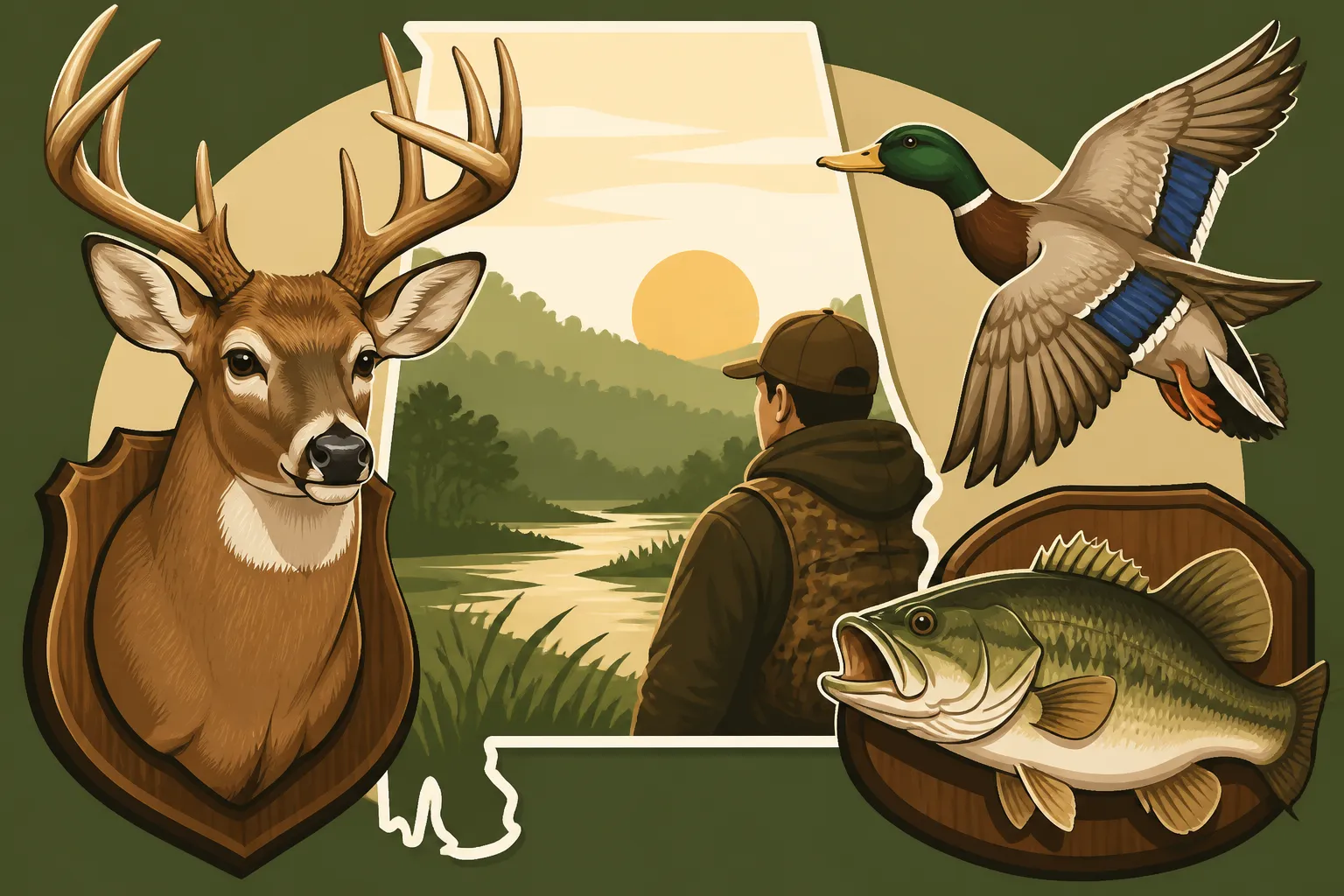
For a deer, a shoulder mount is probably the most common choice, showcasing the antlers and the animal's impressive neck. This requires careful caping, ensuring the hide is cut properly and no damage is done to the brisket. A good guide will know exactly where to make these cuts. For turkeys, you might consider a full strut mount or a fan and beard plaque. Hogs are often done as shoulder mounts, or as rug mounts if they have a particularly impressive hide.
A European mount, which involves cleaning the skull and mounting it, is a more affordable and space-saving option. For this, the guide simply needs to remove the head with sufficient neck bone. Field Dressing a Deer in Warm Weather is something to consider for all these options, as quick and clean work directly impacts the final product.
The Financial Side: Who Pays for What
Let's be realistic: taxidermy is an investment, not a small expense. While your guide's services cover the hunt itself, the cost of taxidermy is almost always separate and falls entirely on the hunter. There’s no standard pricing, as it varies wildly based on the type of mount, the size of the animal, and the individual taxidermist's rates and reputation.
When you budget for your Alabama hunting trip, make sure to factor in potential taxidermy costs. Don't be shy about asking your guide for ballpark figures for the mount types you're considering from their recommended local taxidermists. They can often give you a good idea of what a typical shoulder mount for an Alabama whitetail or a full strut turkey mount might run. While a guide might offer to deliver your trophy to their preferred taxidermist as a courtesy, the payment arrangements—usually a deposit upfront and the remainder upon completion—are between you and the taxidermist. Always get a written estimate or agreement from the taxidermist before committing.
Logistics of Getting Your Trophy Home
This is where things can get tricky, especially if you’re an out-of-state hunter or harvested a large animal. Planning for transport is just as important as the hunt itself.
Shipping Capes and Skulls: Rules and Best Practices
If you’re traveling a long distance, shipping your cape and skull (or antlers) is often the most practical solution. Most taxidermists are well-versed in preparing trophies for shipment. This usually involves:
- Salting and Drying: For capes, this is the most common method if freezing isn't an option for an extended period. The cape is thoroughly fleshed (removing all meat and fat), liberally salted, and allowed to dry. This process effectively cures the hide.
- Freezing: If the cape can be kept frozen solid until it reaches the taxidermist, that’s ideal. It will need to be well-wrapped in heavy-duty plastic and packed in a cooler with dry ice or gel packs for transit.
- Boiling/Cleaning Skulls: For European mounts, the skull needs to be cleaned of all flesh. Some taxidermists prefer to receive the raw skull and do this themselves, while others might ask you to do a preliminary cleaning. The skull then needs to be dried thoroughly before shipping.
When shipping, always use a reputable carrier and ensure proper labeling and documentation. Be aware of CWD regulations, which can impact what parts of a deer can be transported. Alabama Carcass Movement Restrictions are particularly important if you hunt in certain parts of the state. Make sure to communicate with your chosen taxidermist about their preferred shipping method and any specific instructions they might have. It's often best to ship through the taxidermist themselves, as they may have special accounts or knowledge of packaging to ensure safe delivery.
Meat Processing and Transportation
While the cape and antlers are destined for the taxidermist, the meat is for your table! Most guides will help with the initial Butchering a Deer at Camp if you intend to take the meat home. Again, their network of local processors will be key. You can often drop your deer off at a local processor, have it cut and wrapped, and then either pick it up later or have it shipped.
Shipping venison requires careful planning. It needs to be frozen solid and packed in insulated coolers, often with dry ice. The cost can be significant, especially for larger quantities, but many hunters feel it's worth it to enjoy their harvest year-round. Always check the regulations of your home state regarding importing game meat, as well as the rules of the shipping carrier. Sometimes, due to regulations like those surrounding Alabama's Chronic Wasting Disease Management Zone, certain parts of the animal might not be allowed to cross state lines, even if processed. Be informed and plan ahead to avoid disappointment.
Planning Ahead for Taxidermy Success
The best way to ensure a smooth taxidermy process is to plan and communicate before your hunt begins. Surprises after the shot are rarely good ones when it comes to trophy preservation.
Questions to Ask Your Guide Before Booking
When you're discussing potential guides, whether through direct contact or platforms like BookYourHunt or GoHunt, make sure to ask specific questions about their post-harvest services. Don't assume anything. Here’s a checklist of vital inquiries:
- What exactly is included in your "trophy care" service? Does it cover field dressing, caping, freezing, or salting?
- Do you have a walk-in cooler at camp? How long can an animal be stored there if needed?
- Can you recommend a local taxidermist? Will you facilitate dropping off the cape/antlers for me?
- What are your arrangements for meat processing? Do you have a preferred processor, and what's the typical turnaround time?
- Do you offer assistance with shipping meat or capes? If so, what is the cost for these services?
- Are there any CWD-related restrictions I need to be aware of, both for transport within Alabama and to my home state?
- What about additional costs? Are there fees for caping, quartering, or delivery to a local service?
Getting these answers upfront will help you choose the right guide and allow you to budget and plan effectively. The more details you have, the less stress you'll experience when you're actually holding that trophy in your hands.
Pre-Arrangements and Communication
Once you’ve booked your guide and have a better understanding of their offerings, consider making some pre-arrangements directly. If you have a specific taxidermist you use at home, call them before your trip. Discuss the type of animal you’re hunting, your desired mount, and their preferred method for receiving a cape from out of state. They might even provide a specific tag or detailed instructions for your guide to follow.
Similarly, if you plan to use one of the guide's recommended local taxidermists, call that shop directly before your hunt. Introduce yourself, explain you'll be hunting with [Guide's Name], and discuss your intentions. This proactive communication can streamline the process immensely. You can settle on pricing, discuss a deposit, and establish a clear plan for when your trophy arrives at their shop. This also allows you to be informed about any specific payment plans offered by Alabama Outfitters for taxidermy, though this is rare as it's a separate business transaction. This level of preparation ensures that after a successful hunt, your focus can remain on the celebration and not be bogged down by frantic logistics.
Legal and Ethical Considerations
Beyond the practicalities, always remember to adhere to all Alabama hunting regulations regarding game check and tag validity. You must report your deer harvest through Game Check, often within 48 hours. Ensure your tags are correctly filled out and attached to the animal as required, even if it's being transported by your guide or a processor. Any taxidermist or processor will require proof of legal harvest, usually your tag information.
Being mindful of ethical practices also extends to caring for the animal after the shot. A quick, clean kill is paramount, and ensuring the animal is properly handled and processed respects the life taken. This includes efficient field dressing and keeping the meat and cape cool to prevent spoilage. Your guide will be instrumental in these steps, embodying the responsible hunting ethic that Alabama hunters pride themselves on.
Disclaimer
This article is for general informational purposes only and does not constitute professional advice. Laws, prices and regulations vary by location and change over time. Consult a qualified professional for guidance on your specific situation.