What’s Included in an All-Inclusive Deer Package
Embarking on an "all-inclusive" deer hunt in Alabama sounds like a dream, doesn't it? Visions of showing up, hunting hard, and having every detail handled can be incredibly appealing. But the reality is that the term "all-inclusive" can mean vastly different things to different outfitters, leading to confusion, unexpected costs, and even disappointment if you don't know exactly what to ask. This guide will meticulously break down what you can genuinely expect from an all-inclusive deer hunting package in the Heart of Dixie, helping you prepare for a truly seamless and enjoyable experience.
Deconstructing "All-Inclusive" in Alabama Deer Hunting
When you see "all-inclusive" advertised for a deer hunt in Alabama, it conjures images of worry-free days in the woods, hot meals, and comfortable beds. While many reputable outfitters strive to deliver on that promise, it's crucial to understand the foundational elements typically covered and where the definition can start to flex. Think of it as a baseline expectation, which can then be enhanced or, sometimes, subtly diminished.
The Core Offerings: What You Can Generally Count On
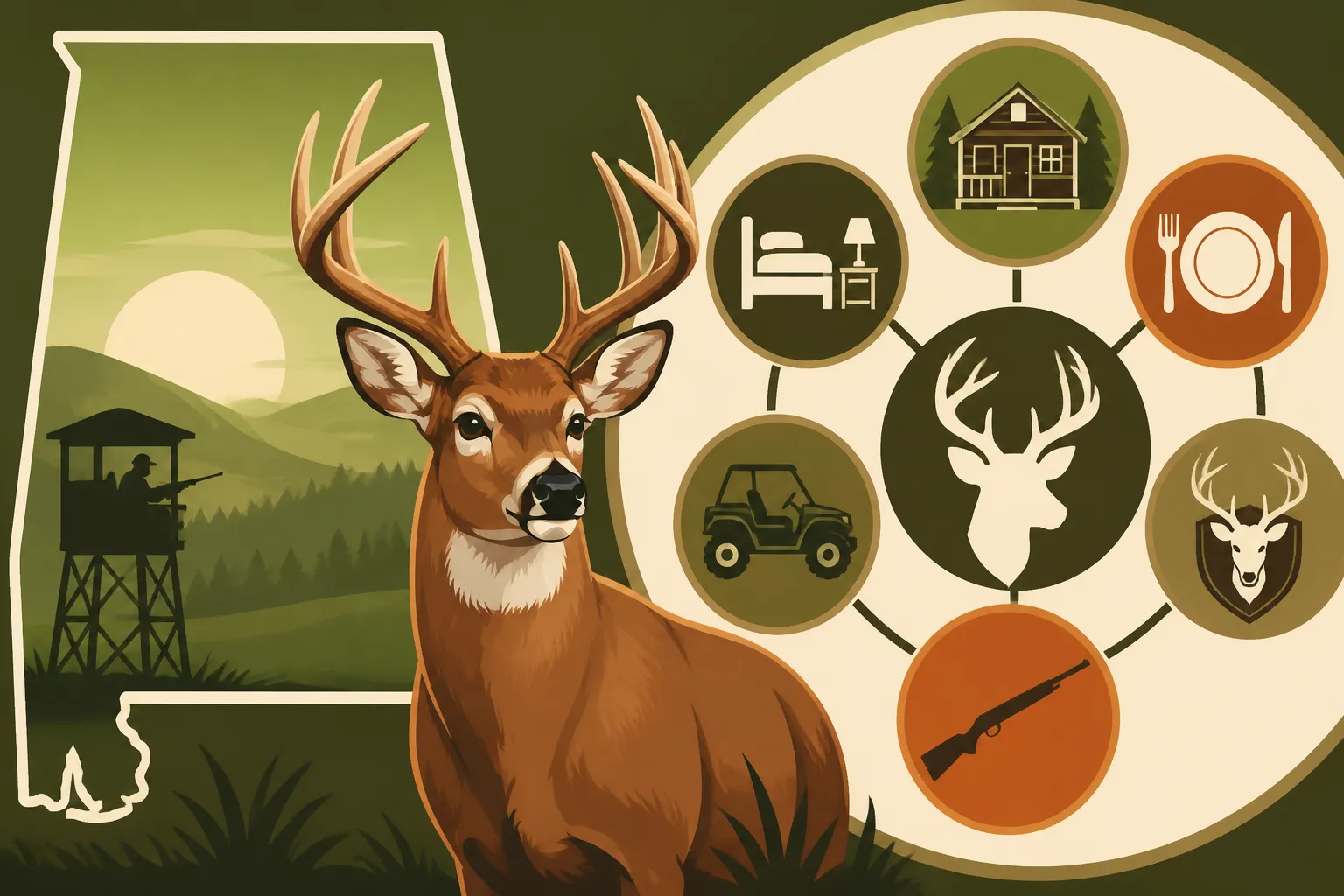
At its heart, an all-inclusive package aims to cover your primary needs from the moment you arrive until you depart. This usually means a roof over your head, food in your belly, and the logistical support to get you to and from the hunting grounds.
Lodging
Most all-inclusive packages in Alabama will provide comfortable lodging. This could range from a cozy cabin tucked away on a sprawling private lease, a spacious lodge complete with common areas and multiple bedrooms, or even a converted farmhouse on prime Black Belt acreage. You can generally expect a clean bed, linens, and basic bathroom facilities. Some higher-end lodges might offer private rooms with en-suite bathrooms, while others operate more like a hunting camp with shared bunk rooms and communal showers. It's not uncommon for these lodges to feature a welcoming atmosphere where stories are swapped, and friendships are forged over a crackling fire or a game of cards after a long day in the woods.
Meals
Ah, the food! This is often a highlight of any good hunting camp experience. All-inclusive typically means three squares a day, often home-cooked and hearty. Think big breakfasts to fuel your morning hunt, packed lunches or a quick return to the lodge for a midday meal, and generous dinners featuring southern staples, often including some of the game harvested on the property. Coffee, water, and perhaps some soft drinks are usually provided. Some operations might even have a dedicated cook or caterer to ensure you're well-fed and energized throughout your stay. It's always a good idea to mention any dietary restrictions or allergies when booking, as most outfitters are happy to accommodate with advance notice.
Guided Service
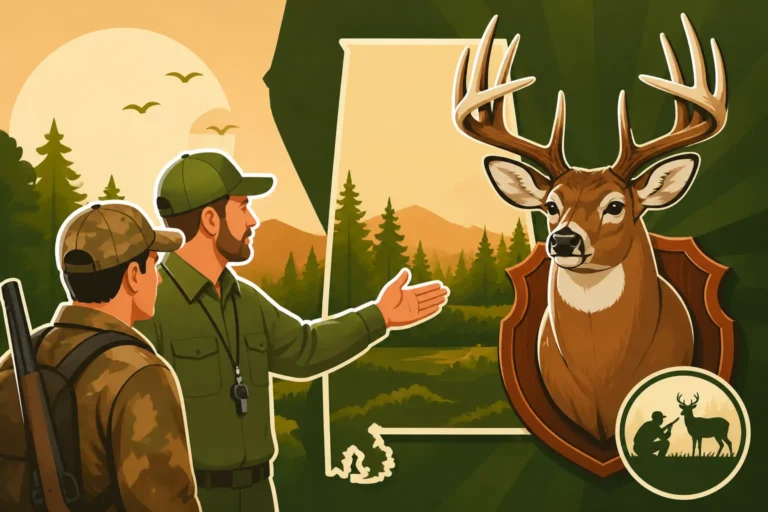
The "guided" aspect is fundamental to an all-inclusive package. This means you'll have experienced professionals leading your hunt. Your guide will typically be intimately familiar with the property, the local deer movement patterns, and the best stand locations. They'll drop you off at your stand before daylight, pick you up at the end of the morning hunt, and repeat the process for the evening. Their expertise is invaluable, especially if you're hunting a new area like the varied terrain of the Talladega National Forest or the rich farmlands of the Black Belt. They might help with scouting, interpreting sign, and making real-time decisions based on weather and deer activity.
Transportation on Site
Once you arrive at the outfitter's main lodge or property, transportation to and from your hunting stand or area is almost universally included. This could be by ATV, UTV, truck, or even a short walk to a strategically placed blind. The guide will ensure you get to your assigned spot safely and discreetly, minimizing disturbance to the hunting grounds. This eliminates the headache of navigating unfamiliar terrain in the dark, allowing you to focus purely on the hunt.
Beyond the Basics: What Might Be Included (or Extra)
While the core offerings are fairly standard, some "all-inclusive" packages go a step further, providing additional services that enhance the overall experience. However, these are often the areas where you need to clarify whether they are truly included or come with an extra charge.
Field Dressing & Basic Meat Care
Most reputable Alabama outfitters will include field dressing your harvested deer as part of the package. This usually means gutting the animal where it falls or at a designated cleaning station at the lodge. From there, they'll typically transport the deer back to the lodge and might even hang it in a cool room or walk-in cooler to begin the aging process. Basic quartering for easier transport might also be offered, but extensive butchering or full processing into steaks and ground meat is usually an add-on. Make sure to ask about the specifics of their meat handling, especially if you plan to Aging Venison in Warm Weather.
Trophy Care
If you're lucky enough to harvest a trophy buck, initial caping (preparing the hide for a shoulder mount) and freezing the cape and antlers are often included services. This ensures your trophy is properly cared for until you can take it to your chosen taxidermist or one recommended by the outfitter. Again, full taxidermy services are almost always separate, but a good outfitter will make it easy to coordinate with local professionals. You can often discuss these arrangements in advance to ensure your trophy is handled exactly how you want it.
Blinds/Stands
One of the biggest advantages of an outfitted hunt is not having to worry about stand setup. Outfitters typically have numerous pre-set, well-maintained stands or ground blinds scattered across their property. These might include comfortable box blinds, ladder stands, or strategically placed hang-on stands. Your guide will choose the best location for the conditions and recent deer movement. This saves you the time, effort, and expense of bringing and setting up your own equipment, allowing you to focus on the hunt itself. For those interested in public land hunting, learning about Treestand Setups in Talladega National Forest can be a great resource.
Game Recovery
The moment of truth can sometimes lead to a challenging recovery. A true all-inclusive experience often includes robust game recovery efforts. This means if your deer doesn't drop in its tracks, the guides will assist in tracking it, often utilizing experienced tracking dogs if necessary and permitted by local regulations. They'll also handle the retrieval of the animal from dense cover, creek bottoms, or steep terrain using ATVs, UTVs, or even horses in some remote areas. This can be a huge relief, especially when you consider the physical demands of dragging a deer out of a thick Alabama river bottom.
Common Exclusions and Hidden Costs to Anticipate
Even with the most generous definition of "all-inclusive," there are almost always items that aren't covered. Being aware of these potential exclusions upfront is key to avoiding sticker shock and ensuring a smooth, enjoyable hunt. Don't be shy about asking direct questions before you commit; it's part of Vetting an Alabama Outfitter Before You Book.
Licenses, Tags, and Permits
This is perhaps the most universal exclusion from "all-inclusive" packages. Hunters are always responsible for purchasing their own valid Alabama hunting licenses and any required tags or permits.
Alabama Hunting Licenses
Whether you're an Alabama resident or a non-resident, you'll need the appropriate hunting license. These are mandatory and vary in cost and type. You might need a basic hunting license, a specific deer privilege license, and potentially a WMA (Wildlife Management Area) license if the outfitter operates on or accesses WMA land, though this is less common for private land operations. It's imperative to check current regulations and purchase your license well in advance. Our guide on Alabama Hunting Licenses and What They Cost provides a full breakdown.
Federal and State Stamps (if applicable)
While less common for pure deer hunting, if your package somehow includes a mixed bag hunt or if you decide to pursue migratory birds like doves or ducks during your trip, you'll need additional stamps. This includes a federal duck stamp and state migratory bird privilege. Again, these are your responsibility and are never typically rolled into an "all-inclusive" deer package.
Meat Processing and Taxidermy Services
As mentioned earlier, while basic field dressing and initial trophy care might be included, the more extensive services related to getting your harvest ready for the table or the wall are almost always separate.
Full Processing
Once your deer is field dressed and potentially quartered, you'll need to decide what to do with the meat. Many hunters choose to take their deer to a local processor who will skin, butcher, package, and often freeze the meat for you. This service typically comes at an additional cost, which can vary based on the size of the animal and the specific cuts you request. Your outfitter can usually recommend a reputable local processor, and some might even facilitate the drop-off and pickup for you, though the processing fee itself will be yours to bear.
Taxidermy
For that trophy buck, taking it to a professional taxidermist is essential. This is a specialized service that requires significant skill and time, and it's always an additional expense. Outfitters often have relationships with local taxidermists and can arrange for your cape and antlers to be transported there. However, you will be responsible for the taxidermy fees and any shipping costs if you choose to have the finished mount sent to your home state. Always discuss these arrangements explicitly if you are planning for a mount.
Shipping Meat or Trophies Home
If you're traveling a long distance, especially by air, shipping your venison or a trophy mount can add a considerable cost. You'll need to research options for cooler shipping (often dry ice packed) for meat or crating services for mounts. Outfitters typically don't cover these costs, but they might be able to offer advice or connect you with local services that can help. Planning for this logistics aspect is crucial for non-resident hunters.
Gratuities and Personal Expenses
These are often overlooked but can add up significantly, impacting the true cost of your "all-inclusive" experience.
Guide Tips and Lodge Staff
Tipping is a customary practice in the hunting industry, and it's a way to acknowledge the hard work and dedication of your guides and any lodge staff (cooks, housekeepers). These gratuities are never included in the package price. While the exact amount is at your discretion, it's generally recommended to budget a certain percentage of your hunt cost for tips, or a daily rate per guide. Our guide on How Much to Tip an Alabama Deer Guide offers specific advice on this etiquette. They work tirelessly, often waking before you and staying up long after you've gone to bed, ensuring everything runs smoothly.
Alcohol and Personal Items
While water, coffee, and sometimes soft drinks are usually provided, any alcoholic beverages or specialty drinks are typically not included. You'll either need to bring your own or purchase them separately. Similarly, personal snacks, toiletries, medications, and any souvenirs you might wish to buy are all your responsibility. Remember that these are often remote locations, so a quick run to the store for forgotten items might not be feasible. Be sure to check What to Pack for a Guided Alabama Hunt well in advance.
Travel to/from the Lodge
The "all-inclusive" aspect almost exclusively begins once you arrive at the outfitter's property. Your travel costs to get to Alabama and then to the specific lodge location (flights, rental car, fuel, tolls) are your responsibility. Some outfitters might offer airport pick-up and drop-off services for an additional fee, but this should be clarified during the booking process.
Here's a quick comparison of what you might expect to be included versus what is usually extra:
| Category | Typically Included | Often Extra |
|---|---|---|
| Accommodation | Lodge room/cabin, bedding | Private room upgrade |
| Meals | Breakfast, lunch, dinner, basic beverages | Alcoholic drinks, specialty snacks |
| Guide Services | Professional guide, transportation to/from stands | |
| Hunting Equipment | Pre-set stands/blinds, property access | Weapon/ammo (unless specified), personal gear |
| Game Handling (Initial) | Field dressing, initial cooling, basic caping | Full meat processing, taxidermy, shipping |
| Licenses/Permits | All hunting licenses, tags, and stamps | |
| Gratuities | Tips for guides and lodge staff | |
| Personal | Travel to/from lodge, souvenirs, personal items | |
| Other Services | Game recovery | Special requests, extra activities, guest fees |
Questions to Ask Before Booking Your Alabama Deer Hunt
To truly understand what your "all-inclusive" package entails and avoid any surprises, asking specific, detailed questions before you put down a deposit is absolutely critical. Think of yourself as an investigative reporter, gathering all the facts. This proactive approach will empower you and ensure your expectations align with the outfitter's offerings. It's a key part of your due diligence, right alongside reviewing what other hunters say about their experiences. You can even use resources like BookYourHunt or GoHunt to browse multiple outfitters and generate a list of comparison questions.
Clarifying the "All-Inclusive" Details
Don't assume anything. Get every detail in writing or clearly confirmed.
Specifics on Lodging, Meals, and Guide Hours
Beyond the general "lodging and meals," press for specifics. What kind of lodging exactly? Shared rooms or private? Is daily housekeeping included? What's the typical menu, and can they accommodate dietary needs? How many hours per day can you expect a guide's direct attention? Does the guide stay with you, or do they drop you off? Knowing these granular details helps set appropriate expectations. For example, some outfitters might offer packed lunches for the stand, while others prefer hunters return to the lodge for a hot meal midday, impacting your hunting time.
Guest-to-Guide Ratio
This is a huge factor in the quality of your guided experience. A 1:1 guest-to-guide ratio is ideal but often comes at a higher price. More commonly, you'll find ratios of 2:1 or even 3:1. Understanding this ratio helps you gauge how much personalized attention you'll receive. A lower ratio generally means more flexibility, more tailored advice, and potentially quicker game recovery. Don't hesitate to ask if the guide will be hunting themselves during your trip; while some guides do, others are exclusively focused on their clients.
Weapon Restrictions and Stand Types
If you plan to hunt with a specific weapon – perhaps a crossbow during the Crossbow Rules During Alabama Archery Season – confirm it's allowed and suitable for the outfitter's setups. Are there minimum caliber requirements? What types of stands are used (ladder, box, ground blind, hang-on)? If you have physical limitations, this is crucial. Ask about access to stands, whether it involves climbing ladders or simply walking into a ground blind. If you're planning a trip to the Oakmulgee District Deer Hunting, understanding the terrain and stand types will be invaluable.
Bag Limits and Trophy Fees
Alabama has specific deer bag limits, including a Alabama's Three-Buck Season Limit per hunter. Confirm what the outfitter's policy is within those limits. Some outfitters have their own stricter rules, especially on antlered deer, to manage their herd. Critically, ask about trophy fees. Many "all-inclusive" packages are structured around harvesting a mature buck within a certain score range or antler point count, and exceeding that (or harvesting additional bucks) might incur an extra "trophy fee." This is a common practice to encourage selective harvesting and can be a significant unexpected cost if not discussed upfront. Also, clarify the rules for harvesting does; some packages include a certain number of antlerless tags, while others charge for them.
Logistics, Expectations, and Contingencies
A well-organized hunt isn't just about the time in the stand; it's about anticipating and planning for everything else that can happen.
What Happens If Weather Interferes?
Weather in Alabama can be unpredictable, from torrential downpours to unseasonably warm spells. Ask about the outfitter's policy on severe weather. Will hunting days be rescheduled? Are there alternative activities available if hunting is unsafe or unproductive? Understanding their contingency plan can save you a lot of frustration. Sometimes, bad weather can lead to some incredible hunting opportunities after a cold front passes.
Cancellation Policy
Life happens. Before you book, thoroughly review the outfitter's cancellation and refund policy. What happens if you need to cancel due to an emergency? Is your deposit refundable or transferable? Are there options for rebooking? Some outfitters offer travel insurance recommendations, which might be a wise investment for a significant trip. This is a topic thoroughly covered in Questions to Ask Before Booking an Alabama Hunt.
Travel Details to the Lodge
Get precise directions, recommended airports, and an estimate of travel time from major hubs. Confirm if they offer airport shuttle services and the associated cost. Knowing these logistics will help you plan your travel budget and schedule. A place like Finding Access Near Huntsville might be a good starting point for mapping out your journey.
Emergency Procedures
While no one wants to think about it, accidents can happen. Ask about their emergency plan. What happens in a medical emergency? Do guides have first aid training? Is there cell service on the property, or do they have satellite communication? What's the nearest hospital? Knowing they have a solid plan provides peace of mind.
Tailoring Your All-Inclusive Experience
Once you have a solid understanding of the baseline for an all-inclusive package, you can start to think about how to best tailor the experience to your specific hunting goals and preferences. It's about finding the right fit and then making the most of every moment afield.
Understanding Different Package Tiers
Not all "all-inclusive" packages are created equal, and many outfitters offer tiered options to cater to different budgets and objectives.
Standard vs. Trophy Packages
Some outfitters clearly distinguish between "standard" deer hunts and "trophy" deer hunts. A standard package might focus more on providing a general hunting experience with opportunities for harvesting a meat deer or any legal buck. Trophy packages, on the other hand, often come with a higher price tag and might include access to more exclusive, intensely managed acreage, longer hunting days, or a dedicated guide focused solely on helping you pursue a specific class of animal. These often involve strict antler restrictions to ensure mature deer are available. When you search on platforms like BookYourHunt, you'll often see these tiers clearly laid out.
Length of Stay Options
Most outfitters offer packages for various durations, typically 3-day, 4-day, or 5-day hunts. Longer hunts naturally cost more but provide more opportunities and flexibility, especially if weather or deer movement is challenging for a day or two. Consider your travel time and personal schedule when deciding on the optimal length. A longer trip might also give you more time to explore and enjoy the lodge amenities or the surrounding Alabama landscape.
Guest Amenities Like Wi-Fi, Laundry
For many, being disconnected is part of the appeal of a hunting trip. For others, staying connected is essential. Clarify if Wi-Fi is available and reliable at the lodge. Some outfitters in more remote areas might not have it, or it could be satellite-based and limited. Similarly, inquire about laundry facilities if you're on a longer trip; some lodges offer guest laundry, while others do not. These creature comforts can make a big difference in your overall experience, especially for extended stays.
Maximizing Your Value and Enjoyment
Booking an all-inclusive hunt is an investment, and you want to ensure you get the most out of it. A little preparation and a good attitude go a long way.
Pre-Hunt Communication with the Outfitter
Beyond booking questions, engage with your outfitter in the weeks leading up to your hunt. Let them know your hunting style, your physical capabilities (important for something like Physical Demands of a Black Belt Deer Hunt), and your expectations. If you're a bowhunter, for example, communicate that clearly. The more information you provide, the better they can tailor your experience and put you in the best position for success. You might even discuss potential stand locations or recent trail camera activity. You can also mention if you're interested in Rattling and Grunting in Alabama tactics or other specific strategies.
Physical Preparation for the Hunt
Even if transportation to your stand is included, hunting can be physically demanding. Walking to and from stands, climbing into them, and recovering deer can require stamina. Consider getting in shape before your hunt. This will not only make the experience more enjoyable but also increase your chances of success. It's often overlooked, but being able to sit still and be alert for long periods also takes a certain kind of physical and mental endurance.
Bringing Appropriate Gear
While stands and guides are provided, you're responsible for your personal hunting gear. This includes appropriate clothing for Alabama's varied weather (it can be warm even during deer season, especially during Warm-Weather Sitting Strategy in Alabama), your weapon, binoculars, rangefinder, scent control products, and any personal comfort items. Double-check your gear list against what the outfitter recommends or explicitly states is not provided. A comprehensive packing list, like one you'd use for Opening Weekend Tactics for Zone A Gun Season, is invaluable.
Enjoying the Camaraderie
One of the most rewarding aspects of a guided hunt, especially an all-inclusive one, is the opportunity to connect with fellow hunters and the outfitter's staff. Share stories, learn from others, and embrace the camp atmosphere. These shared experiences often create memories that last long after the hunt itself. It's an opportunity to dive deep into Alabama Deer Camp Traditions and truly appreciate the culture of hunting. Even if your primary goal is to harvest a deer, the friendships and experiences are often just as valuable.
Choosing an all-inclusive deer hunting package in Alabama can be an incredible way to experience the state's rich hunting tradition. By thoroughly researching, asking the right questions, and understanding exactly what your package covers (and what it doesn't), you can ensure your trip is everything you dreamed of and more. Happy hunting!
Disclaimer
This article is for general informational purposes only and does not constitute professional advice. Laws, prices and regulations vary by location and change over time. Consult a qualified professional for guidance on your specific situation.