What to Pack for a Guided Alabama Hunt
There's nothing quite like the excitement of booking a guided hunting trip in Alabama. You've dreamt about it, scoured the outfitter's website, maybe even talked to past clients. But then, as the date approaches, a new kind of anxiety sets in: "What in the world do I pack?" Alabama's diverse landscapes and notoriously fickle weather can make preparing for a hunt a real head-scratcher. This guide is here to cut through that uncertainty, helping you put together a packing list that ensures comfort, safety, and success on your guided Alabama adventure.
The Essentials: Hunting Gear for Alabama's Diverse Terrain
Alabama offers a wide range of hunting environments, from the rolling hills and pine forests of the north to the swampy river bottoms and open agricultural fields of the Black Belt. This means your core hunting gear needs to be versatile and prepared for anything. Forgetting a crucial piece of equipment can seriously dampen your spirits or even cut your hunt short.
Clothing Layers for Unpredictable Weather
One of the biggest challenges for hunters in Alabama is the weather. It's not uncommon to experience a frosty morning that gives way to a surprisingly warm midday, only to have a pop-up thunderstorm roll through in the afternoon. Trying to guess what the day will bring can feel like a game of chance, and showing up with the wrong clothes will quickly lead to discomfort and distraction. You might find yourself shivering in a stand, wishing you'd brought that extra fleece, or sweating profusely during a stalk, making noise you'd rather avoid.
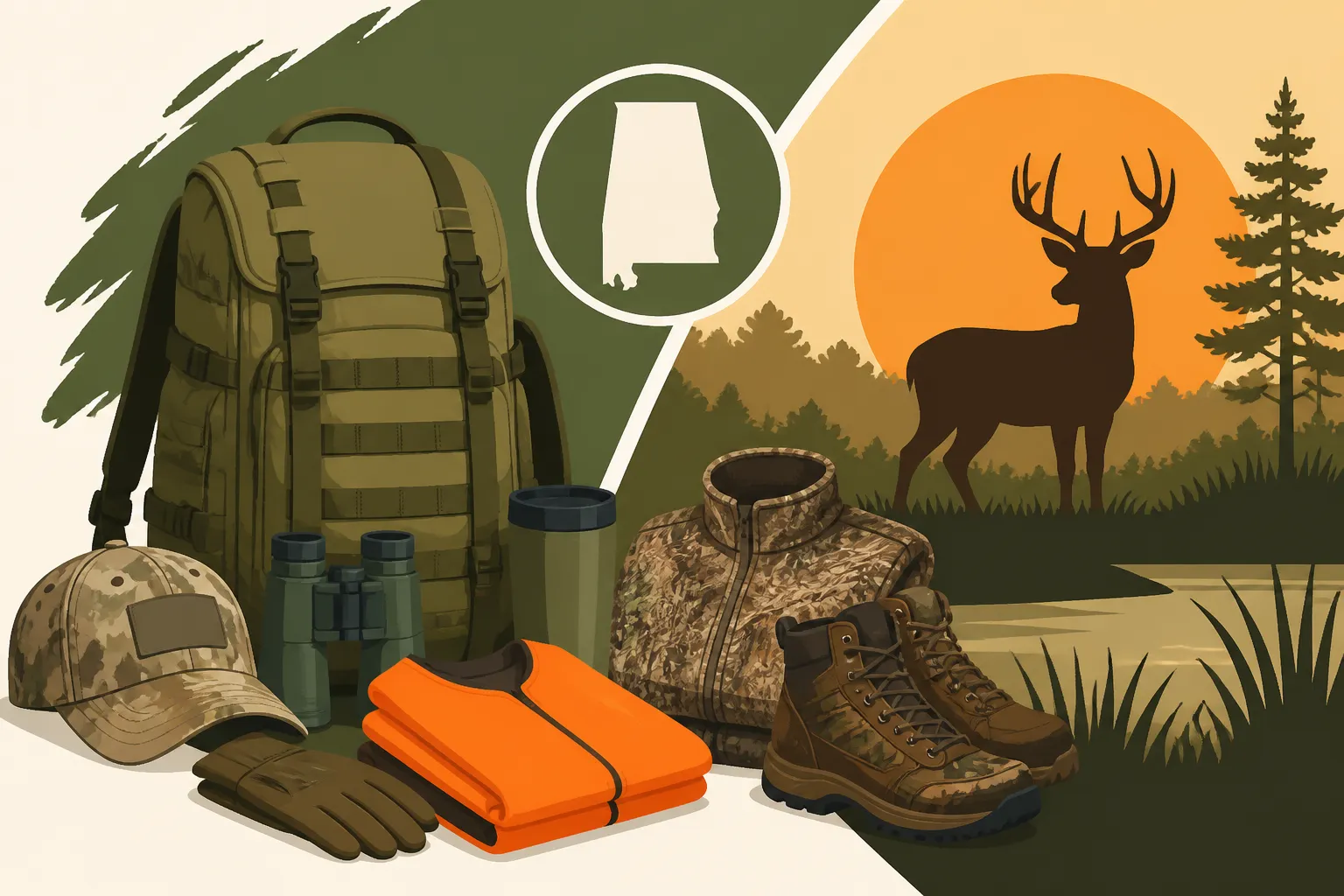
The key to combating Alabama's unpredictable climate is thoughtful layering. Start with a good base layer made of moisture-wicking synthetic material or merino wool. This will help manage sweat when you're moving and retain warmth when you're stationary. Over this, add a mid-layer for insulation – a quiet fleece jacket or a wool sweater works wonders. Finally, your outer layer needs to be both durable and capable of standing up to the elements. Look for quiet fabrics that resist burrs and briars, and ensure your outerwear is waterproof and windproof. A good rain suit, even if it stays packed away, is non-negotiable. For camouflage, patterns that blend with both hardwoods and piney woods are ideal, as you might transition between these environments even on the same property.
Don't underestimate the power of accessories. A warm hunting hat or beanie is essential for those chilly pre-dawn hours, as is a good pair of gloves. Consider a thin pair for dexterity when shooting and a thicker, warmer pair for sitting still. Even a lightweight neck gaiter can make a huge difference in cutting the wind and adding warmth without bulk. Packing an extra set of lightweight camo for warmer days is also a smart move, as you might shed layers quickly if the temperature climbs unexpectedly. Thinking through each layer helps avoid the frustration of being ill-equipped for the weather Mother Nature decides to throw at you.
Footwear and Hand Protection
There's nothing quite like the misery of wet, cold feet on a hunt, or hands so numb you can barely feel your trigger. Alabama's terrain can be incredibly varied, often within the same property. You might be traversing muddy creek bottoms, scaling rocky ridges, or slogging through damp fields of cut crops. Your feet are your foundation, and if they're not comfortable and protected, your focus on the hunt will quickly dwindle. Many a promising stalk has been ruined by a blister or a leaky boot.
Invest in high-quality, waterproof hunting boots that are well broken-in before your trip. The last thing you want is new boots giving you blisters on day one of a multi-day hunt. Look for good ankle support, especially if you anticipate walking over uneven ground or through thick undergrowth. For insulation, match your boots to the expected temperatures – lighter, uninsulated boots for warmer early season hunts, and well-insulated ones for colder late-season excursions. And remember, "waterproof" doesn't mean "invincible." Consider packing a small tube of boot-proofing paste or spray for mid-trip touch-ups.
Just as important as your boots are your socks. Leave the cotton at home. Instead, pack several pairs of good quality wool or synthetic blend socks that wick moisture away from your skin. Having an extra pair or two to change into mid-day can feel like a luxury, but it's a practical necessity for preventing blisters and keeping your feet dry. For hand protection, consider a modular system: a thin, dexterity-focused glove for shooting, and a heavier, warmer over-mitt or insulated glove for when you're just sitting and waiting. This versatility allows you to adapt to changing conditions without compromising your ability to handle your firearm or bow effectively.
Core Hunting Equipment
While your outfitter will provide the hunting grounds and likely stands or blinds, you are responsible for your primary hunting tools. Showing up without a critical piece of equipment can be a major setback, and you don't want to rely on borrowing from your guide or fellow hunters. When booking your trip, platforms like BookYourHunt often detail what's included with a guided hunt, but your personal gear is always your responsibility.
First and foremost, bring your firearm or bow, thoroughly cleaned, sighted in, and ready to go. Pack appropriate ammunition or arrows, ensuring you have enough for practice shots at camp and for the actual hunt. A sturdy, protective case for transport is a must. Don't forget your optics: a good pair of binoculars is invaluable for scouting and identifying game, and a rangefinder is crucial for making ethical shots, especially if you'll be hunting in open fields or clear-cuts. Even with a guide, you'll be the one making the final decision on the shot, so having your own reliable gear is key.
Other essential items include a sharp hunting knife for field dressing, and perhaps a small game processing kit if you plan to handle any of the initial breakdown yourself. Scent control products – sprays, wipes, or even specialized laundry detergent – can be a game-changer when trying to get close to wary Alabama whitetails or turkeys. Finally, if you'll be hunting from a treestand, always bring your own safety harness. While an outfitter might have some available, ensuring you have a harness you know how to use and trust is paramount for your safety. A guided hunt is a fantastic experience, but your personal responsibility for your equipment remains.
Personal Items & Comforts: Making Your Stay Enjoyable
A guided hunt is an immersive experience, often involving long days in the field and nights spent at a lodge or camp. While the thrill of the chase is the main event, your overall comfort and well-being directly impact your ability to focus and enjoy the trip. Overlooking simple personal items can lead to annoying distractions or even minor health issues that could detract from your experience.
Hygiene and Personal Care
Out in the Alabama woods, especially during warmer periods, insects can be a real nuisance. Nothing breaks concentration faster than a swarm of mosquitoes or the constant worry of ticks. Neglecting basic hygiene after a long day in the field can also impact your comfort, and sometimes, that of your fellow hunters in a shared camp. The frustration of constant itching or an unexpected ailment can make an otherwise great hunt miserable.
Start with your basic toiletries: toothbrush, toothpaste, soap, shampoo, and deodorant. If you have any specific skin care needs or sensitivities, pack those items as well. Critically, bring a high-quality insect repellent containing DEET or picaridin; Alabama's mosquitos and ticks are no joke. Sunscreen is also important, even on cloudy days, as you'll be spending extended periods outdoors. Pack any prescription medications you need, along with a small supply of over-the-counter essentials like pain relievers, allergy medication, antacids, and anti-diarrhea medicine. A compact first-aid kit with bandages, antiseptic wipes, moleskin for blisters, and pain relievers is invaluable for dealing with minor scrapes, cuts, or the dreaded blister.
Remember, a guided hunt isn't just about the time in the stand; it's also about the camaraderie and relaxation back at the lodge. Feeling fresh and comfortable after a long day makes the whole experience more enjoyable. Don't forget items like lip balm, especially if you'll be out in dry or windy conditions. A small pack of wet wipes can also be a lifesaver for quick clean-ups in the field when running water isn't available. Prioritizing these personal items ensures you're prepared for more than just the hunt itself.
Communication and Navigation
Even on a guided hunt, staying connected and knowing your bearings is important. While your guide will be leading the way, having your own communication and navigation tools provides an extra layer of safety and convenience. The fear of being separated from the group or losing cell service at a critical moment can be a real concern for many hunters venturing into unfamiliar territory.
Your smartphone is likely your primary communication device, so pack its charger and consider a portable power bank. There's nothing worse than your phone dying when you need to check the weather, coordinate with your guide, or just unwind with some music back at camp. Even if you plan to rely on your guide's knowledge, having a downloaded offline map of the hunting area on your phone or a dedicated GPS device is a smart backup. Apps like the Outdoor Alabama app can be incredibly useful for understanding land boundaries, even in areas without cell service. Scouting With the Outdoor Alabama App is a great resource to check out before your trip.
If you're hunting with a group and your guide recommends it, a pair of two-way radios can be incredibly useful for quiet communication, especially when coordinating drives or making mid-hunt plans without relying on potentially spotty cell service. Confirm with your guide if this is a preferred method for their operation. While you'll follow your guide, understanding the general layout of the property can enhance your experience and confidence. Being prepared for various communication scenarios means less stress and more focus on the hunt.
Camp/Lodge Comforts
After a full day spent walking, sitting, and focusing intensely on the hunt, there's nothing more satisfying than shedding your heavy hunting gear and relaxing. Your guided hunt isn't just about the chase; it's also about the downtime and camaraderie at the lodge or camp. Showing up without comfortable clothes for the evenings can make the "off-hours" feel less relaxing, and that can really take away from the overall enjoyment.
Pack a change of casual, comfortable clothes for evenings at the lodge. Think soft t-shirts, sweatpants, a comfortable pair of jeans, and maybe a light jacket or sweatshirt. A pair of slippers or comfortable indoor shoes can be a real treat for tired feet. A baseball cap or casual hat is also handy for bad hair days or just knocking around camp. You'll also want a small daypack or fanny pack to carry your immediate essentials into the field each day – water, snacks, calls, binoculars, etc.
Speaking of snacks, while your guided hunt package will likely include meals, having a few personal snacks, protein bars, or your preferred coffee/tea can make a big difference, especially for early morning starts or late evening returns. A water bottle or hydration bladder is a must, and if you're sensitive to local water, consider a small water filter or purification tablets. Finally, don't forget something for entertainment during downtime – a book, e-reader, or even a deck of cards for friendly competition. Many outfitters provide common areas with TVs, but personal entertainment ensures you're always comfortable.
Important Documents and Financials
This might not be the most exciting part of your packing list, but it's arguably the most critical. Without the proper documentation, your hunt might not even begin. The thought of arriving at your destination, only to find you've forgotten a license or permit, can cause genuine panic and could mean lost hunting time or even legal issues.
Licenses, Permits, and Identification
Before you even leave home, double-check all the legal requirements for hunting in Alabama. This includes your Alabama hunting license, which can vary if you're a resident or non-resident. Ensure it's valid for the dates of your hunt and covers the species you'll be pursuing. You can find comprehensive information on licenses, including costs and options, by looking up Alabama Hunting Licenses and What They Cost. If you're hunting deer, you'll need to understand Alabama Deer Season Structure Explained and ensure you have your harvest record.
Many states, including Alabama, require hunters to complete a hunter education course. Make sure you have your hunter education card or proof of completion, especially if you're a younger hunter or a first-timer. For more details, consult Alabama Hunter Education Requirements. Always carry your driver's license or another form of government-issued identification. Finally, have a printed or digital copy of your outfitter booking confirmation. This will prove invaluable for confirming your reservation and details upon arrival. Don't leave these crucial documents to chance; verify them all well in advance.
It's also a good idea to research Alabama's specific regulations for the species you're hunting. For example, if you're targeting hogs, familiarize yourself with Alabama Feral Hog Regulations. If you plan to bowhunt, ensure you understand Crossbow Rules During Alabama Archery Season. Having these documents readily accessible, whether in a secure folder or a digital copy on your phone, eliminates unnecessary stress and ensures a smooth start to your hunting adventure.
Payment and Gratuities
Hunting is an investment, and part of that investment often includes showing appreciation for the hard work of your guide and the lodge staff. The awkwardness of not knowing what's expected for tips, or not having the right form of payment, can be a real source of anxiety for many hunters. You want to acknowledge excellent service without feeling unprepared.
While your guided hunt fee covers the primary costs, it’s customary to tip your guide, lodge staff, and perhaps even the cook. The amount can vary widely, but having cash on hand for these gratuities is generally preferred. Consult your outfitter about their specific tipping policies or common practices; platforms like GoHunt sometimes offer insights into typical expectations. A helpful resource to explore is Tipping Guides and Dog Handlers. It's always better to over-prepare with cash than to be caught short.
Beyond tips, you might encounter small personal expenses not covered by your package, such as souvenirs, extra snacks, or drinks. Having a credit or debit card is essential for these purchases, but remember that some remote areas might be cash-only, so a reasonable amount of cash is always prudent. Clarify what's included in your specific package when you book; What a Guided Alabama Deer Hunt Costs can give you a general idea of inclusions, but specifics vary. Be mindful of potential ATM availability in remote areas.
Emergency Information
Even on a well-planned guided hunt, unforeseen emergencies can happen. Being prepared with essential personal and emergency information can make a significant difference in how quickly and effectively any issues are resolved. The thought of being far from home without immediate access to vital information can be unsettling.
Compile a small card or document with critical emergency contacts (loved ones, personal doctor), your insurance information (health and possibly travel insurance), and a list of any known allergies or medications you are currently taking. Keep this in a secure but easily accessible place, like your wallet or a waterproof pouch in your daypack. Inform your guide about any serious medical conditions or allergies upon arrival, as they are your immediate point of contact in the field.
If you drove to your destination, ensure you have your vehicle registration and insurance information readily available. While your outfitter will handle most logistics, being self-sufficient with your personal information provides peace of mind. It’s a small effort that can yield significant benefits if you ever face an unexpected situation during your trip.
Specialized Gear and Considerations
Beyond the core essentials, some additional gear can significantly enhance your comfort, safety, and success, especially when considering Alabama's specific hunting conditions. These aren't always must-haves for every hunter, but they often prove invaluable.
Weather-Specific Gear
We've already touched on Alabama's fickle weather, but sometimes, you need more than just a waterproof outer layer. The state can throw anything at you, from prolonged downpours to sharp cold fronts. Getting caught unprepared for extreme conditions isn't just uncomfortable; it can be dangerous.
A dedicated, high-quality rain suit (jacket and pants) that you can easily pack and deploy is a lifesaver. This is separate from your main hunting jacket and is meant for serious precipitation. Ensure it's quiet enough to hunt in. For those unexpectedly cold mornings or late-season hunts, a supply of chemical hand warmers and foot warmers can make a world of difference, allowing you to stay in the stand longer and more comfortably. A small thermos filled with hot coffee, tea, or even soup can be incredibly comforting on a frigid morning. Conversely, if you're hunting during the early archery season or during a warm gun season, extra cooling towels or a portable personal fan might even be appreciated. Being prepared for the full spectrum of Alabama weather helps you stay focused on the hunt, not on your discomfort.
Post-Harvest Preparations
The ultimate goal of many guided hunts is to harvest an animal. Once you've punched your tag, the work isn't over. Proper care of your game is crucial to ensuring you take home quality meat and a well-preserved trophy. The disappointment of improper post-harvest care can overshadow the excitement of a successful hunt.
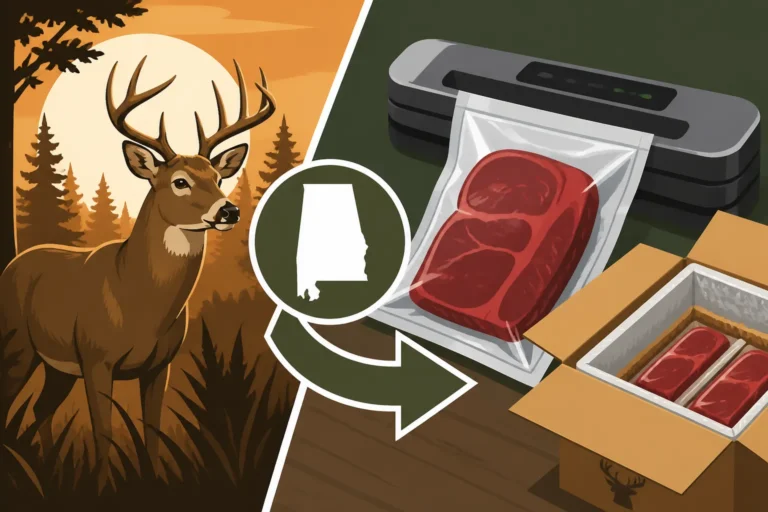
Discuss post-harvest arrangements with your outfitter beforehand. Many provide initial field dressing and transport to a processor, but you'll need to know the details. If you plan to take any of the meat home with you, especially if you're traveling a long distance, consider bringing a large cooler or two. Even if a processor handles the bulk, having a personal cooler for a few cuts or the cape (if you plan on taxidermy) can be very helpful. Insulated game bags are also excellent for keeping meat clean and cool during transport from the field to the processor. Always confirm Alabama's deer reporting rules, which can be found in resources like Reporting a Deer Through Game Check.
If you're bringing a trophy home, discuss caping and hide care with your outfitter. They can often recommend local taxidermists or prepare the cape for transport to your preferred taxidermist. Having a plan for meat processing and trophy care minimizes stress after a successful hunt and ensures your hard-earned harvest is well-preserved.
Tech and Gadgets Optional but Useful
While hunting is about disconnecting and getting back to nature, a few modern gadgets can genuinely enhance your experience without distracting from the core purpose. These are often about convenience, safety, or simply making the hunt more efficient.
A reliable headlamp or a small, bright flashlight with extra batteries is essential for navigating in the pre-dawn darkness and after dusk. You'll use it for getting to and from your stand, trailing game if necessary, and moving around camp at night. If your outfitter allows, and you enjoy personal scouting, a compact trail camera can be fun to set up to see what other wildlife is passing through, but always confirm regulations with your guide. A comfortable, lightweight portable seat cushion can make long hours in a treestand or ground blind significantly more bearable, especially for older hunters or those with back issues.
Finally, while your phone is your communication hub, consider a compact solar charger or a larger power bank than just for your phone. This can be used to recharge headlamps, GPS devices, or even a small fan on a hot day. These items aren't strictly necessary, but they can definitely add to your comfort and readiness in various situations, ensuring you can focus on the hunt itself.
Comprehensive Packing Checklist
To help you organize your thoughts and ensure you don't miss anything crucial, here’s a comprehensive checklist for your guided Alabama hunt.
| Category | Item | Notes |
|---|---|---|
| Hunting Clothing | Moisture-wicking base layers (2-3 sets) | Synthetic or wool for temperature regulation and comfort. |
| Mid-layers (fleece/wool) (1-2) | For insulation. | |
| Outer hunting jacket | Quiet, durable, camouflaged. | |
| Hunting pants (2 pairs) | Quiet, durable, camouflaged. | |
| Rain gear (jacket & pants) | Packable, waterproof, quiet. | |
| Warm hat/beanie | For cold mornings. | |
| Gloves (thin & warm options) | Dexterity for shooting, warmth for sitting. | |
| Wool/synthetic socks (3-4 pairs) | Avoid cotton; wick moisture. | |
| Comfortable hunting boots | Waterproof, broken-in, appropriate for terrain. | |
| Personal Comfort | Casual clothes for lodge (2-3 sets) | T-shirts, jeans, sweatpants, sweatshirt. |
| Slippers/camp shoes | For relaxing at the lodge. | |
| Toiletries | Toothbrush, toothpaste, soap, shampoo, deodorant, etc. | |
| Personal medications | Prescriptions, OTC pain relievers, allergy meds, etc. | |
| Insect repellent (DEET/Picaridin) | Essential for Alabama mosquitos and ticks. | |
| Sunscreen & lip balm | For sun protection. | |
| Small first-aid kit | Bandages, antiseptic, moleskin, pain relievers. | |
| Small daypack/fanny pack | For daily field essentials. | |
| Water bottle/hydration bladder | Stay hydrated. | |
| Personal snacks/protein bars | For energy in the field or between meals. | |
| Hunting Gear | Firearm/Bow | Cleaned, sighted in. |
| Ammunition/Arrows | Enough for practice and hunting. | |
| Protective gun/bow case | For transport. | |
| Binoculars | For scouting and game identification. | |
| Rangefinder | For accurate shot placement. | |
| Hunting knife | Sharp, for field dressing. | |
| Scent control products | Sprays, wipes, laundry detergent. | |
| Treestand safety harness | If hunting from an elevated stand. | |
| Game calls (if applicable) | For deer, turkey, etc. | |
| Documents/Money | Hunting license (AL) | Resident/Non-resident, valid for dates & species. |
| Hunter Education Card | Proof of completion. | |
| Driver's License/ID | Government-issued identification. | |
| Outfitter booking confirmation | Printed or digital copy. | |
| Cash for tips | For guide, staff, cook. | |
| Credit/Debit cards | For other expenses. | |
| Emergency contact info/medical history | Securely stored. | |
| Optional Gear | Headlamp/flashlight & extra batteries | For navigating in low light. |
| Portable power bank/charger | For electronics. | |
| GPS device/offline maps | For navigation backup. | |
| Two-way radios | If coordinating with group/guide. | |
| Coolers (empty) | For meat/trophy transport after harvest. | |
| Game bags | For keeping meat clean in the field. | |
| Trail camera | If allowed and desired for personal scouting. | |
| Portable seat cushion | For comfort in stand/blind. | |
| Book/e-reader/cards | For downtime entertainment. | |
| Thermos | For hot drinks on cold days. |
Disclaimer
This article is for general informational purposes only and does not constitute professional advice. Laws, prices and regulations vary by location and change over time. Consult a qualified professional for guidance on your specific situation.