What Nonresidents Should Ask Before Booking
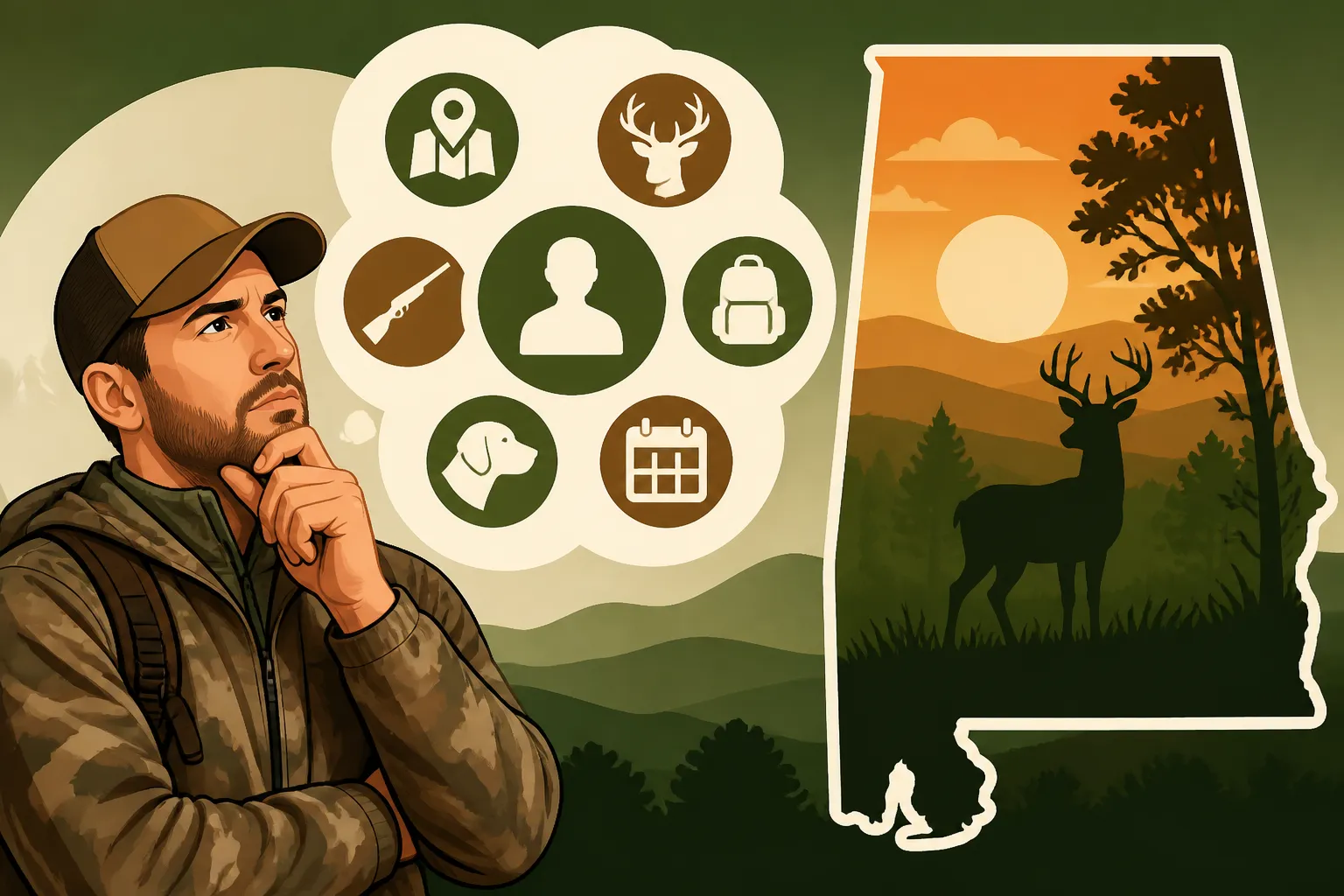
Planning a hunting trip to a new state can be an exciting prospect, but for nonresidents looking to experience Alabama's rich hunting heritage, the sheer number of unknowns can be daunting. From understanding complex regulations to vetting potential outfitters and planning logistics, it's easy to feel overwhelmed. This comprehensive guide is designed to empower you with the right questions to ask before booking your Alabama hunting adventure, ensuring a smooth and successful trip.
Understanding Alabama's Unique Hunting Landscape and Regulations
Stepping into Alabama's diverse ecosystems, from the rolling hills of the north to the Black Belt's fertile plains and the coastal swamps, offers incredible opportunities. However, each region, and often each county, can have slightly different rules, and navigating these as an out-of-state hunter requires diligence. You can't just show up; you need to be informed.
Navigating License Requirements and Fees
One of the first and most critical areas for any nonresident hunter to address is licensing. Alabama has a specific structure for out-of-state hunters, and getting it wrong can jeopardize your entire trip. Don't assume your home state's license protocols will apply here.
When you speak with an outfitter or guide, make sure to ask them point-blank about the specific licenses and stamps you'll need for the species you intend to hunt. For instance, a deer hunt will require a different set of permits than a waterfowl or turkey hunt. You'll need to know if an all-game license is appropriate or if a specific Alabama Nonresident Hunting License Options is better for your intended stay. Ask about the duration of the license – will a 10-day option suffice, or is an annual license more cost-effective if you plan multiple trips? Remember that migratory bird hunting, like doves or ducks, also requires federal and state migratory bird stamps, along with HIP certification. It's not uncommon for hunters new to the state to overlook these details, only to find themselves scrambling last minute. Always confirm where and how you can purchase these licenses, whether it's online through the Outdoor Alabama portal or from a local vendor. You can often find outfitters listed on platforms like BookYourHunt, and they should be able to clarify these requirements right away.
Season Dates, Zones, and Bag Limits
Alabama is a large state, and hunting seasons, particularly for deer and turkey, are often divided into distinct zones with varying opening and closing dates and bag limits. What's legal in Zone A might be different in Zone C. This can be especially confusing for nonresidents who aren't familiar with the state's geography or its regulatory subdivisions.
It's vital to ask your prospective outfitter which specific hunting zone their property falls within. Then, confirm the exact Alabama Deer Season Structure Explained dates for both antlered and unantlered deer, or the Alabama Spring Turkey Zones and Dates if you're chasing gobblers. For deer, inquire about the state's three-buck limit and any antler point restrictions that might apply to particular zones or WMAs. Are there special youth seasons or either-sex days you need to be aware of? Misunderstanding these can lead to accidental violations and ruin a hunt. A reliable outfitter will have this information readily available and should be proactive in sharing it, ensuring you're fully compliant with all state regulations. This detailed knowledge is often what sets a good outfitter apart.
Public vs. Private Land Access and Rules
Many nonresidents book with outfitters specifically to gain access to private, well-managed hunting lands, which often offer higher success rates than public land. However, it's crucial to understand the specifics of this access and the rules that govern the land you'll be hunting.
Ask your outfitter directly: Is the land private or public? If it's private, do they own it, or do they have a lease? How many acres are available for hunting, and how many hunters typically have access at any given time? If any portion of the hunt will be on public land, like a WMA or National Forest, be sure to ask about any additional Alabama WMA Permit Requirement or specific regulations that apply to those areas, such as limitations on stand types, ATV use, or camping. Some public lands might have antlered-only windows or specific draw hunts you'd need to know about. For example, understanding Treestand Setups in Talladega National Forest might be different than on a private farm. On private land, clarify rules regarding trail cameras, marking trees, or retrieving downed game that crosses property lines. Platforms like GoHunt can provide valuable public land map overlays, but for private lands, your outfitter is your primary source of truth regarding property boundaries and specific covenants that dictate hunting practices.
What to Ask About the Hunt Logistics and Expectations
Once you've got the regulatory side sorted, it's time to dive into the nitty-gritty of the hunt itself. This is where you set expectations, understand what your daily routine will look like, and ensure the outfitter's style aligns with your hunting preferences.
Detailing the Hunt Itself
Every outfitter runs their hunts a little differently. What's included in What an Alabama Deer Hunt Package Includes? Is it strictly a morning and evening sit, or are all-day hunts an option? Will you be hunting from ground blinds, ladder stands, or climbing treestands, and are they pre-set or do you get to choose your setup?
Inquire about the level of guiding provided. Will a guide be with you in the stand, or will they simply drop you off and pick you up? What kind of communication methods are used during the hunt (radios, text messages, etc.)? For species like turkey, ask about the guide's calling experience and tactics, or for deer, if Rattling and Grunting in Alabama is a common strategy they employ. Don't be shy about discussing expected success rates, but also be realistic. A good outfitter won't guarantee a harvest but will speak to shot opportunities and the quality of the game seen. Understanding these details helps you pack appropriately, mentally prepare, and ensures there are no surprises once you're in the field. This clarity is especially important when you're traveling a long distance for the experience.
Accommodation, Meals, and Camp Life
For many nonresident hunters, the experience extends beyond the actual hunt to the camaraderie and comfort of the camp. Understanding the living arrangements and social atmosphere is key to a satisfying trip.
Ask about Lodge Accommodation and Meals. Are meals prepared for you, or is it a self-catered camp? What type of meals are typically served, and can they accommodate dietary restrictions? Some lodges offer hearty, home-cooked meals, while others provide basic provisions. What are the sleeping arrangements like – private rooms, shared bunk rooms, or cabins? Is there Wi-Fi or cell service available at the lodge? Inquire about the general rules and expectations around camp life, especially regarding alcohol consumption or quiet hours. If you plan to bring a non-hunting guest, ask about their policy and any additional costs. The vibe of a hunting camp can significantly impact your overall enjoyment, so make sure it aligns with your expectations. A truly memorable hunt isn't just about the trophy; it's about the entire experience, from the pre-dawn coffee to the evening stories around the fire.
Game Care and Processing
Harvesting an animal is only part of the journey. For nonresidents, especially, the logistical challenges of getting your game home cleanly and legally can be a major concern.
It's absolutely essential to ask your outfitter about their procedures for Field Dressing a Deer in Warm Weather, caping, and quartering your harvest. Do they provide cooler space or freezer facilities? What are the local options for professional meat processing and taxidermy, and are these services included in the hunt package or are they an additional cost? This is particularly critical if you're hunting within or near Alabama's Alabama's Chronic Wasting Disease Management Zone, as there are strict Alabama Carcass Movement Restrictions that prohibit taking certain parts out of the zone. You'll need to know if the outfitter can facilitate getting your meat processed into boneless cuts suitable for transport. For those flying, inquire about Shipping Game Meat Home After an Alabama Hunt and if the outfitter has preferred vendors or procedures for this. Don't wait until you've got a deer on the ground to figure out how to handle it; clear communication upfront will save a lot of stress.
Vetting the Outfitter: Credibility, Communication, and Contracts
Booking a guided hunt is a significant investment of time and money. Protecting that investment means doing your homework on the outfitter. This means going beyond glossy brochures and social media feeds.
Licensing, Insurance, and References
Just as you need to be legally licensed to hunt, your outfitter should be operating above board. Don't hesitate to ask for their credentials.
Inquire about Checking an Alabama Guide's License Status if such licenses are required for their operations. While Alabama doesn't license all guides statewide, some specialized operations or areas might have specific requirements. More importantly, ask if they carry liability insurance. This protects both you and the outfitter in case of an unforeseen incident. Any reputable business will have this in place. Most critically, always ask for references – specifically from other nonresident clients who have hunted with them in the past season or two. A good outfitter will be happy to provide contact information for several past clients. Reach out to these references and ask them about their experience, including the outfitter's honesty, the quality of the hunt, adherence to regulations, and overall communication. Platforms like BookYourHunt often feature client reviews, which can be a good starting point, but always supplement online reviews with direct conversations with references.
Understanding the Booking Process and Policies
The paperwork and policies surrounding your booking are just as important as the hunt details. Get everything in writing to avoid misunderstandings down the road.
Ask Questions to Ask Before Paying an Alabama Deposit. What is the deposit amount, when is the final payment due, and what payment methods do they accept? Crucially, understand their cancellation policy. What happens if you need to cancel due to an emergency, or if the outfitter has to cancel for reasons like weather or unforeseen circumstances? Does the deposit roll over, or is it forfeited? It's wise to discuss What Cancellation Insurance Covers on a Hunt and consider purchasing it if the terms are not favorable. Understand what is explicitly included in the package price versus what constitutes an extra cost (e.g., license fees, game processing, gratuities). Many guides appreciate and expect tips, so inquire about How Much to Tip an Alabama Deer Guide or How Much to Tip a Duck Guide and Retriever Handler so you can budget accordingly. Having a written contract or detailed confirmation email outlining all these points is non-negotiable.
Realistic Expectations and Transparency
Finally, a truly professional and ethical outfitter will be transparent and help you set realistic expectations for your hunt. Be wary of anyone who promises too much.
Ask about the average success rate for clients, the typical size of animals harvested, and how much hunting pressure their land receives. If you're looking for a trophy buck, ask about Alabama Boone and Crockett Whitetails history on their property and what an average mature deer looks like. A good outfitter will honestly convey the challenges and realities of hunting, rather than paint an overly rosy picture. Be on the lookout for Red Flags When Booking in Alabama, such as vague answers, pressure to book immediately, or an unwillingness to provide references. Be skeptical of outfitters who boast impossibly high "guaranteed kill" rates; hunting involves wild animals, and guarantees are rarely legitimate. Tools like GoHunt can help you research general game populations and habitats in a region, which can inform your questions about an outfitter's claims. An outfitter's willingness to openly discuss these less glamorous but important details speaks volumes about their integrity and commitment to a positive client experience.
| Category | Key Questions to Ask the Outfitter | Why it Matters for Nonresidents |
|---|---|---|
| Licenses & Rules | What specific licenses, stamps, and permits do I need? | Ensures legal compliance; avoids fines and interrupted hunts. |
| Which hunting zone is your property in, and what are the season dates/bag limits? | Critical for understanding legal hunting periods and limits specific to your location. | |
| Is the land public or private? What are the specific rules for vehicle use, stands, or cameras? | Clarifies access rights and operational guidelines; prevents trespassing or violations. | |
| Hunt Logistics | What type of stands/methods are used? What is the guide's involvement? | Helps you prepare gear and understand the daily hunting routine; sets realistic expectations. |
| What are the accommodations and meal plans? Can you cater to dietary needs? | Ensures comfort and sustenance; impacts overall trip enjoyment and budget. | |
| How is game handled (field dressing, processing, transport)? | Essential for getting your harvest home legally and safely, especially with CWD regulations. | |
| Outfitter Vetting | Do you have references from recent nonresident clients? | Provides third-party validation of the outfitter's reputation and service quality. |
| What are your deposit, payment, and cancellation policies? | Protects your financial investment; clarifies refund/reschedule options. | |
| What are realistic success rates and game quality expectations? | Helps set appropriate goals; indicates outfitter transparency and integrity. |
Disclaimer
This article is for general informational purposes only and does not constitute professional advice. Laws, prices and regulations vary by location and change over time. Consult a qualified professional for guidance on your specific situation.