How Much to Tip a Quail Plantation Guide
One common source of anxiety for hunters embarking on a guided trip, especially to a high-end experience like an Alabama quail plantation, isn't the shot itself, but rather the sometimes-unspoken etiquette of tipping. You've invested a good bit in the hunt, had an incredible experience, and now you're wondering how to properly show your appreciation without overdoing it or, worse, underdoing it. This guide aims to clear up all that confusion, helping you understand the nuances of tipping your quail plantation guide and other staff, ensuring you can end your hunt feeling confident and grateful.
Understanding the Role of Your Quail Plantation Guide
When you book a quail hunt, especially on a well-regarded plantation in Alabama's Black Belt, you're not just paying for access to birds. You're investing in an entire experience orchestrated by dedicated professionals. Understanding the scope of your guide's responsibilities, and the invaluable role of the dogs and handlers, is key to appreciating why a thoughtful tip is so important.
More Than Just a Driver: The Guide's Responsibilities
Your quail guide is often the orchestrator of your entire hunting day, well before you even set foot on the ground. They are typically up before dawn, checking bird coveys, monitoring weather patterns, and ensuring all equipment—from the hunting buggy to your shotgun—is in top shape. Their expertise isn't just about pointing you toward birds; it's about reading the subtle signs of the land, understanding quail behavior, and making real-time decisions that directly impact your success and enjoyment.
Think about it: they're not just driving you around. They're actively scouting, often managing habitat to ensure healthy quail populations year-round. They possess an intimate knowledge of the property, knowing where coveys tend to gather, where they might flush, and the best approaches to get you into prime shooting position. This level of dedication and local expertise can't be overstated. It's a skill honed over years, often generations, in the unique terrain of places like the Black Belt.
Beyond the hunting itself, a good guide is also a master of hospitality. They ensure your comfort, offer shooting tips, share stories of past hunts, and manage the pace of the day to suit your preferences. They are also your primary safety officer, constantly aware of gun handling, terrain hazards, and ensuring everyone in the party is operating safely. This comprehensive approach means they're responsible for everything from making sure you have enough shells to retrieving downed birds. It's truly a full-service experience designed to let you focus solely on the thrill of the hunt.
The Importance of the Dogs and Their Handlers
While your main guide is leading the charge, the true stars of any quail hunt are often the dogs. These aren't just pets; they are highly trained, finely tuned athletes that represent a significant investment in time, money, and expertise. Most quail plantations run sophisticated breeding and training programs to maintain their kennel of pointers and flushers. The sheer effort that goes into creating a responsive, effective bird dog is immense, and it’s a craft that takes years to master.
The dog handler, whether it's your main guide or a dedicated individual, is the conductor of this canine orchestra. They spend countless hours with the dogs, teaching them to quarter fields, hold point, and retrieve birds gently. Their ability to read the dogs, anticipate their actions, and communicate seamlessly with them is paramount to a successful hunt. A skilled handler can make or break a day afield, ensuring the dogs work efficiently to locate birds and provide clean, ethical shot opportunities.
When you see a dog lock up on point, tail rigid, nose twitching, you're witnessing the culmination of thousands of hours of training and genetic predisposition. The handler understands each dog's personality and capabilities, choosing the right team for the day's conditions and terrain. This deep connection and specialized skill set mean that the handler, and by extension the dogs, are providing a service that is central to the entire plantation quail hunting experience. Recognizing this dedication through your tip is a crucial part of the etiquette.
Tipping Etiquette: General Guidelines and Why It Matters
Navigating the world of tipping can sometimes feel like walking through a minefield, especially when you're in a new environment or participating in a specialized activity like a guided quail hunt. But it doesn't have to be intimidating. Understanding the general guidelines and the philosophy behind tipping will help you approach it with confidence and respect for the hard work of your guides.
Standard Tipping Percentages for Guided Hunts
For most guided outdoor adventures, including hunting and fishing trips, a standard tip range generally falls between 15% and 20% of the total hunt cost. Now, this can sometimes feel a bit ambiguous when you've booked a comprehensive package that includes lodging, meals, and other amenities. Typically, this percentage applies to the hunting portion of your trip. If your booking agent or the plantation explicitly breaks down the cost of the hunt versus other services, use the hunt portion as your baseline.
However, if you've booked an all-inclusive package where the costs aren't itemized, it's often best to calculate your tip based on the overall value of the experience and the effort of the guides. Many hunters will simply apply the 15-20% to the total package price, especially if the guides are also heavily involved in the hospitality aspects beyond just the hunt. Think about the guides who are with you from breakfast to dinner, ensuring your entire stay is exceptional. The goal isn't to nickel and dime, but to generously acknowledge excellent service. For instance, if you booked your trip through a service like BookYourHunt or GoHunt, you might have a clear total package price, making it easier to calculate this range.
Ultimately, this tip is a direct reflection of your satisfaction and appreciation. It helps supplement the guide's income, acknowledging the long hours, physical demands, and specialized skills required for their profession. It’s also a way to recognize the significant investment guides make in their equipment, their dogs, and their own continuous education.
Factors That Influence Your Tip Amount
While 15-20% is a solid baseline, several factors can and should influence whether you lean towards the lower or higher end of that spectrum, or even exceed it. This isn't just about the number of birds you bagged; it's about the overall quality of the experience.
- Effort and Professionalism: Did your guide go above and beyond? Were they enthusiastic, knowledgeable, and genuinely invested in your success and enjoyment? Did they handle unexpected challenges gracefully? A guide who works tirelessly, even when conditions are tough, deserves recognition for their dedication.
- Hospitality and Friendliness: A great guide isn't just an expert hunter; they're also a great host. Did they make you feel welcome, comfortable, and engaged throughout the day? Were they patient, especially if you were a less experienced shooter?
- Dog Performance: The dogs are critical. Were they well-behaved, responsive, and effective at finding and retrieving birds? A top-notch dog team, working in harmony with the handler, elevates the entire hunt. If the dog handler was a separate individual, their skill and the dogs' performance should also be heavily weighted in your consideration.
- Safety Consciousness: Did your guide prioritize safety at all times, from gun handling to navigating the terrain? This is non-negotiable and fundamental to a professional guiding service.
- Overall Experience, Not Just Harvest: While bagging birds is certainly a goal, a truly memorable quail hunt is about more than just the birds in the bag. It's the camaraderie, the beautiful scenery of Quail Hunting Alabama's Black Belt, the crisp morning air, and the thrill of watching dogs work. If you had an unforgettable day, even if the birds were a bit shy, that exceptional experience warrants a generous tip. Conversely, if the guide seemed disengaged or unprepared, that might lead you to a lower tip, but always consider the circumstances—sometimes, a tough hunting day isn't the guide's fault.
Practical Tipping Scenarios on an Alabama Quail Plantation
Let's get down to the brass tacks and look at some real-world examples to help you calculate your tip, whether you're out for a single day or enjoying an extended stay at a luxurious lodge. The key is to be prepared and thoughtful.
Tipping for a Single-Day Quail Hunt
Imagine you've booked a day hunt on an Alabama quail plantation. The cost for a What a Black Belt Quail Day Hunt Costs might be, let's say, in the ballpark of a few hundred dollars per hunter, which typically covers the guide, dogs, birds, and sometimes lunch. For this example, let's use a round number of $800 for a full-day hunt for one person.
Applying our 15-20% guideline:
- 15% tip: $800 x 0.15 = $120
- 20% tip: $800 x 0.20 = $160
So, for an excellent day hunt where your guide was professional, the dogs worked great, and you had a fantastic time seeing Working a Black Belt Quail Covey Rise, you'd likely hand over $120-$160. If the guide went above and beyond—perhaps providing extra shooting instruction, or staying out longer to try for one more covey—you might consider tipping slightly more, perhaps $200. This gesture communicates strong satisfaction.
It's also important to remember that some plantations offer Half-Day Versus Full-Day Quail Packages. If you opt for a half-day hunt, the base cost will be lower, and thus your tip will adjust proportionally. The principles remain the same: assess the quality of the service, the effort of the guide and dogs, and your overall enjoyment, then apply the percentage to your hunt's cost. This ensures fair compensation for their time and expertise, regardless of the duration.
Tipping on Multi-Day or All-Inclusive Packages
When you book a multi-day quail hunting package, often including lodging, multiple meals, and maybe even transportation, the tipping dynamic can feel a bit more complex. These packages, like those offered by many top-tier operations you might find via Booking a Black Belt Quail Plantation Hunt, pool various services under one price tag. Let's say you've booked a three-day, all-inclusive package for $3,000.
In this scenario, you still apply the 15-20% to the hunting portion of the trip. If the outfitter doesn't break out the hunting cost, a good rule of thumb is to estimate what you believe the hunt itself costs per day, or simply apply the percentage to the total if the guides are integral to the whole experience. So, on a $3,000 package:
- 15% tip: $3,000 x 0.15 = $450
- 20% tip: $3,000 x 0.20 = $600
This total amount would then be distributed among the guides who worked with you over the multiple days. If you had the same guide for all three days, that person would receive the full amount. If you had different guides, you'd divide it based on their service. A common practice is to give each guide the equivalent of a daily tip for the days they guided you. For example, if you had two guides for one day each and one guide for two days, you'd mentally allocate $150-$200 per guide per day they worked, ensuring everyone is acknowledged. This approach simplifies the process and ensures fairness to those who directly contributed to your hunting experience.
When You Hunt with Multiple Guides or a Dog Handler
It’s fairly common on larger quail plantations or for bigger groups to have more than one person directly involved in the hunt. You might have a primary guide leading the buggy, and a separate Dog Handlers on a Quail Plantation Hunt who is solely focused on working the pointers. Or, for a group of four or more hunters, you might have two guides, each taking a pair of hunters or managing different dog teams.
In these situations, it's best to tip each professional individually, according to their contribution to your experience. The primary guide, who is often responsible for overall logistics, safety, and making key decisions, might receive a slightly larger share. The dog handler, whose expertise with the canine team is indispensable, should also receive a substantial tip reflecting the crucial role of the dogs. A good way to think about it is to take your total calculated tip (e.g., the 15-20% of the hunt cost) and then distribute it proportionally.
For example, if your total calculated tip for a day is $200 and you had a main guide and a dedicated dog handler, you might give the main guide $120-$140 and the dog handler $60-$80. This recognizes both roles and their distinct contributions. If you're unsure, you can always discreetly ask the lodge manager or another staff member for guidance on how the tips are typically shared among the team. This shows you care about fair distribution and ensures everyone who enhanced your hunt is properly recognized for their efforts.
How to Deliver Your Tip Respectfully
The act of tipping isn't just about the money; it's about the gesture of gratitude. How you deliver your tip can be just as important as the amount itself, conveying respect and genuine appreciation for the hard work that went into your hunting experience.
Cash is Still King: Why and When to Use It
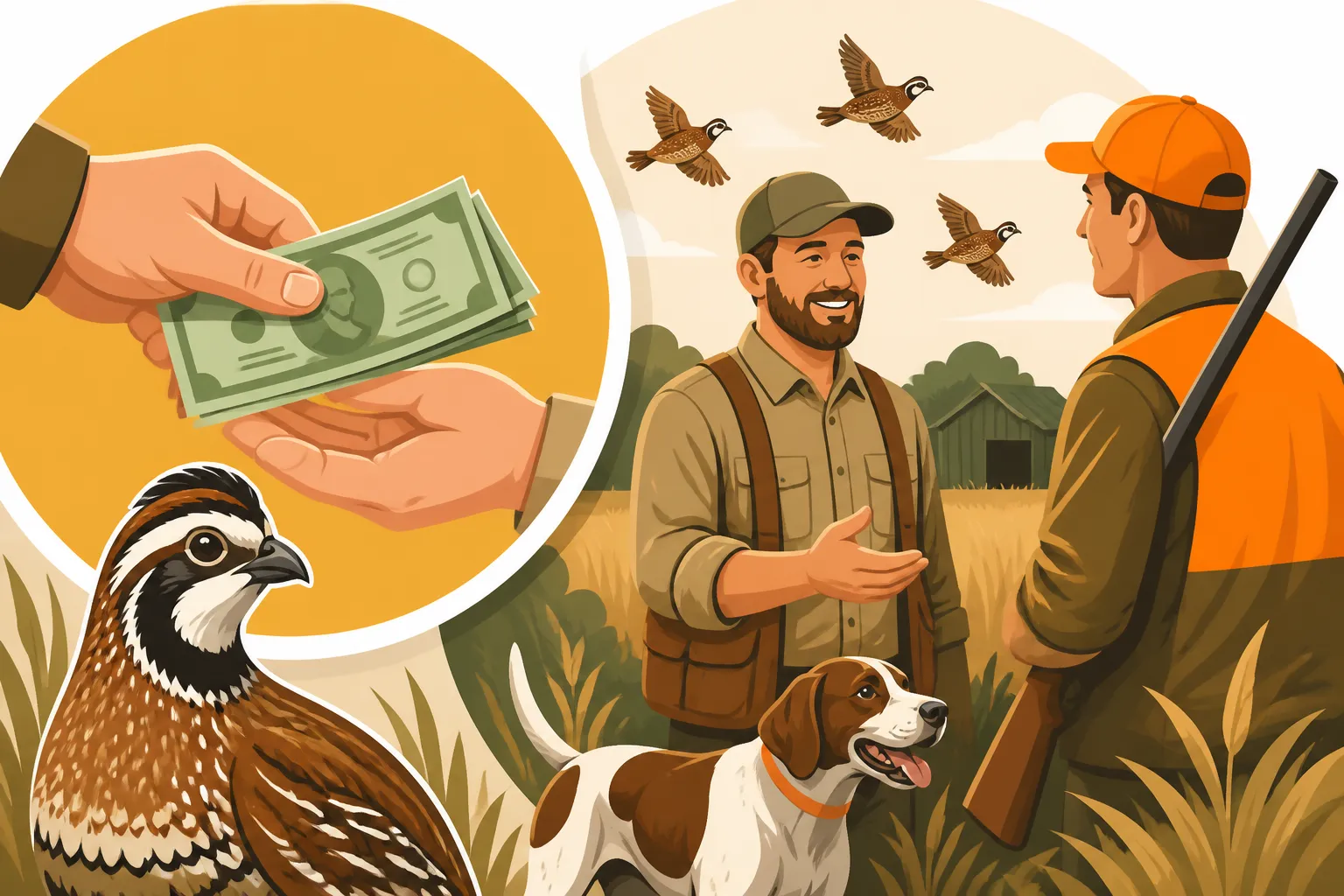
In the guiding world, cash remains the preferred method for tipping, and for good reason. It’s immediate, discreet, and ensures the full amount goes directly into the guide’s pocket without any deductions or delays that might occur with credit card processing or checks. Many guides rely on these cash tips to supplement their income, and it’s a tangible way for them to feel appreciated right away.
The best time to present your tip is typically at the conclusion of your hunt, often when you're saying your goodbyes after the final birds have been cleaned and equipment put away. A private moment, a handshake, and a sincere thank you are the perfect accompaniments. For multi-day hunts, you might tip your guide at the end of each day, or provide a lump sum at the very end of your stay, depending on your relationship with the guide and the structure of the operation. If you have different guides each day, it's usually best to tip them individually at the end of their service for that day.
Always aim to have the cash ready in appropriate denominations before you arrive at the plantation, or at least before the end of your hunt. This prevents an awkward scramble for cash or the need to ask staff where an ATM might be located, which can detract from the moment of genuine appreciation. Being prepared demonstrates forethought and respect for the guide's time and service.
Tipping Other Staff Members
While the hunting guide and dog handler are at the forefront of your quail experience, many other dedicated individuals contribute to making your stay on an Alabama plantation truly exceptional. These often include lodge staff such as cooks, housekeepers, and sometimes "bird boys" who help carry game bags or load guns. Their roles, while perhaps less visible than the guide's, are crucial to the overall comfort and enjoyment of your trip, especially on an all-inclusive What a Managed Quail Hunt Includes or if you're staying in a hunting lodge.
It's customary to acknowledge these staff members as well. For lodge staff like cooks and housekeepers, a collective tip jar might be available, or you can leave a small individual cash tip. A general guideline is $20-$50 per hunter per day for combined lodge staff, or you can adjust this based on the level of service. For example, if the chef went out of their way to accommodate a dietary restriction, or the housekeeping staff kept your room immaculate, you might want to increase that amount. Some operations include a service charge in their package, so it's always worth Questions to Ask Before Booking an Alabama Hunt to clarify if and how other staff are compensated.
Remember, every person working at the plantation contributes to your overall experience. A simple gesture of appreciation, even a few dollars, can go a long way in showing your gratitude for their hard work. Being mindful of all who served you ensures that your farewell is as gracious and complete as possible, leaving everyone involved feeling valued for their contributions to your memorable Alabama quail hunt.
| Service Provided | Typical Tipping Range (of service cost) | Notes |
|---|---|---|
| Primary Quail Guide | 15-20% | Based on hunt cost; adjust for exceptional or poor service. |
| Dog Handler (if separate) | 10-15% or a set amount ($50-$100/day) | Crucial role, ensure fair compensation for dog training/care. |
| Lodge Cook / Chef | $20-$50 per hunter per day | For meal quality and specific requests. |
| Housekeeping Staff | $10-$20 per hunter per day | For cleanliness and comfort of accommodations. |
| Bird Boy / Field Assistant | $20-$40 per day (if applicable) | For assisting with game retrieval, gun loading, or carrying gear. |
This article is for general informational purposes only and does not constitute professional advice. Laws, prices and regulations vary by location and change over time. Consult a qualified professional for guidance on your specific situation.