Finding Access Near Huntsville
It can feel incredibly frustrating to live in a vibrant, growing area like Huntsville, Alabama, and feel like prime hunting land is slipping away or just out of reach. With the urban sprawl expanding, finding a good spot to chase deer, turkeys, or small game can seem like an insurmountable challenge for many local hunters. This guide is here to break down the reality of hunting access around Huntsville, offering practical advice and detailing specific areas where you can find those coveted opportunities, both public and private.
Understanding Huntsville's Hunting Landscape
Huntsville, nestled in the Tennessee Valley, sits in a unique position. It's a hub of innovation and growth, which brings its own set of challenges for those of us who love to hunt. Unlike some of the more rural parts of Alabama, finding wide-open, unpressured land takes a bit more effort and strategic thinking. But don't despair – opportunities absolutely exist if you know where to look and how to approach them.
The Geographic Reality Around Huntsville
Madison County, where Huntsville is located, is a diverse mix of terrain. You've got urban and suburban areas, certainly, but also significant stretches of rich farmland, especially to the west towards Limestone County, and then the stunning river bottoms along the Tennessee River. To the east and south, you'll find more rolling hills and some steeper, rockier sections as you get closer to the Appalachian foothills. This varied landscape means that while the pressure points are real, there's also a mosaic of habitats that hold game.
Think about it: the Tennessee River isn't just a scenic waterway; it's a major corridor for wildlife. Deer, especially, will often stick close to those fertile river bottoms, moving between cover and agricultural fields. Turkeys can be found in mature hardwoods along creek drainages and river bluffs. Even in areas that feel "developed," small pockets of woods, fencerows, and unkempt property can act as crucial wildlife refuges. Understanding this mosaic is the first step in unlocking hunting opportunities.
Public Land Opportunities and Challenges
Alabama is fortunate to have a robust system of public hunting lands, including Wildlife Management Areas (WMAs) and National Forests. While none of these are directly in Huntsville, several are within a reasonable driving distance, making them viable options for a day trip or a weekend hunt. The biggest challenge, of course, is hunting pressure. More people means more hunters converging on the same public tracts, especially during prime times like opening weekend or the peak of the rut.
This pressure doesn't mean public land is a lost cause. It simply means you need to be smarter, more persistent, and often willing to work harder than those who stick to the easily accessible spots. It means thinking about how deer and turkeys react to human activity, and planning your approach accordingly. Sometimes, simply walking an extra half-mile from a road or parking area can put you into unpressured territory that others overlook.
Exploring Key Public Hunting Areas Near Huntsville
While Huntsville doesn't have public hunting land within city limits, several excellent options are within a reasonable drive. Each offers a different experience and set of challenges, but all hold game.
Skyline Wildlife Management Area
If you're looking for true mountain hunting right out of Huntsville, Skyline WMA in Jackson County is likely your closest and best bet. It's a significant drive, about an hour or so northeast, but it offers a vast tract of rugged, beautiful territory. This WMA spans over 30,000 acres of steep, heavily timbered ridges and deep hollows. It's classic Appalachian habitat, dominated by mature hardwoods like oak and hickory.
This is a fantastic place for deer, and it's also a prime spot for Spring Turkey Hunting in Alabama. The challenges here are real: the terrain is physically demanding, requiring good boots and strong legs. Hunters who are willing to hike deep into the hollows or climb to the high ridges often find less pressured animals. You'll need to scout rigorously, paying attention to topo maps and identifying bottlenecks and natural funnels that deer use. Early season, focusing on acorn-producing ridges can be productive, while late season might mean searching for cover or remaining food sources in the lower elevations. The Skyline Wildlife Management Area offers a truly immersive wilderness experience for those willing to put in the work.
Wheeler National Wildlife Refuge
South of Huntsville, straddling the Tennessee River in Limestone and Morgan counties, lies the Wheeler National Wildlife Refuge. This isn't your typical WMA; as a National Wildlife Refuge, its primary mission is wildlife conservation, with hunting managed as a compatible use. What this means for hunters is a highly regulated environment with specific draw hunts and often different rules than state WMAs.
Wheeler is particularly renowned for its waterfowl hunting, drawing significant numbers of ducks and geese during migration seasons due to its expansive wetlands, flooded timber, and agricultural fields. It's also a hotspot for deer hunting, primarily through managed quota hunts that require applying and being drawn for a permit. The deer hunts are often highly sought after due to the quality of habitat and the managed pressure. If you're considering hunting here, you absolutely need to understand the Wheeler National Wildlife Refuge Hunting Rules inside and out and be prepared for the application process. For waterfowl, particularly, the Tennessee River acts as a major flyway, making this a strategic location. You might also find Tennessee River Public Boat Access for Hunters useful here, as many parts of the refuge are river-bound.
Bankhead National Forest (and Black Warrior WMA)
A bit further west, about an hour to an hour and a half's drive from Huntsville, you'll find the majestic William B. Bankhead National Forest in Winston, Lawrence, and Franklin counties. Within Bankhead lies the Black Warrior Wildlife Management Area, creating a huge expanse of contiguous public hunting land. This area is famous for its rugged canyons, pristine streams, and diverse forests, including a mix of hardwoods and pines.
Bankhead offers some incredible deer hunting opportunities, especially for those who enjoy Still-Hunting Bankhead Forest Ridges and navigating dense timber. Turkey hunting can also be excellent in the spring. Small game like squirrels and rabbits thrive in the diverse habitat. Because of its size, Bankhead can absorb a lot of hunting pressure, but the key is still to get off the beaten path. Look for areas away from paved roads and popular access points. The terrain can be challenging, with deep ravines and steep bluffs, especially in the Sipsey Wilderness area (where hunting rules might differ slightly). Understanding the William B. Bankhead National Forest Hunting regulations and how they apply to Black Warrior WMA Inside Bankhead Forest is crucial for a successful trip.
Navigating Access on Private Land
While public lands offer a dependable option, securing private land access often provides a less pressured, more intimate hunting experience. However, in an area like Huntsville, this can feel like an uphill battle.
Strategies for Gaining Permission
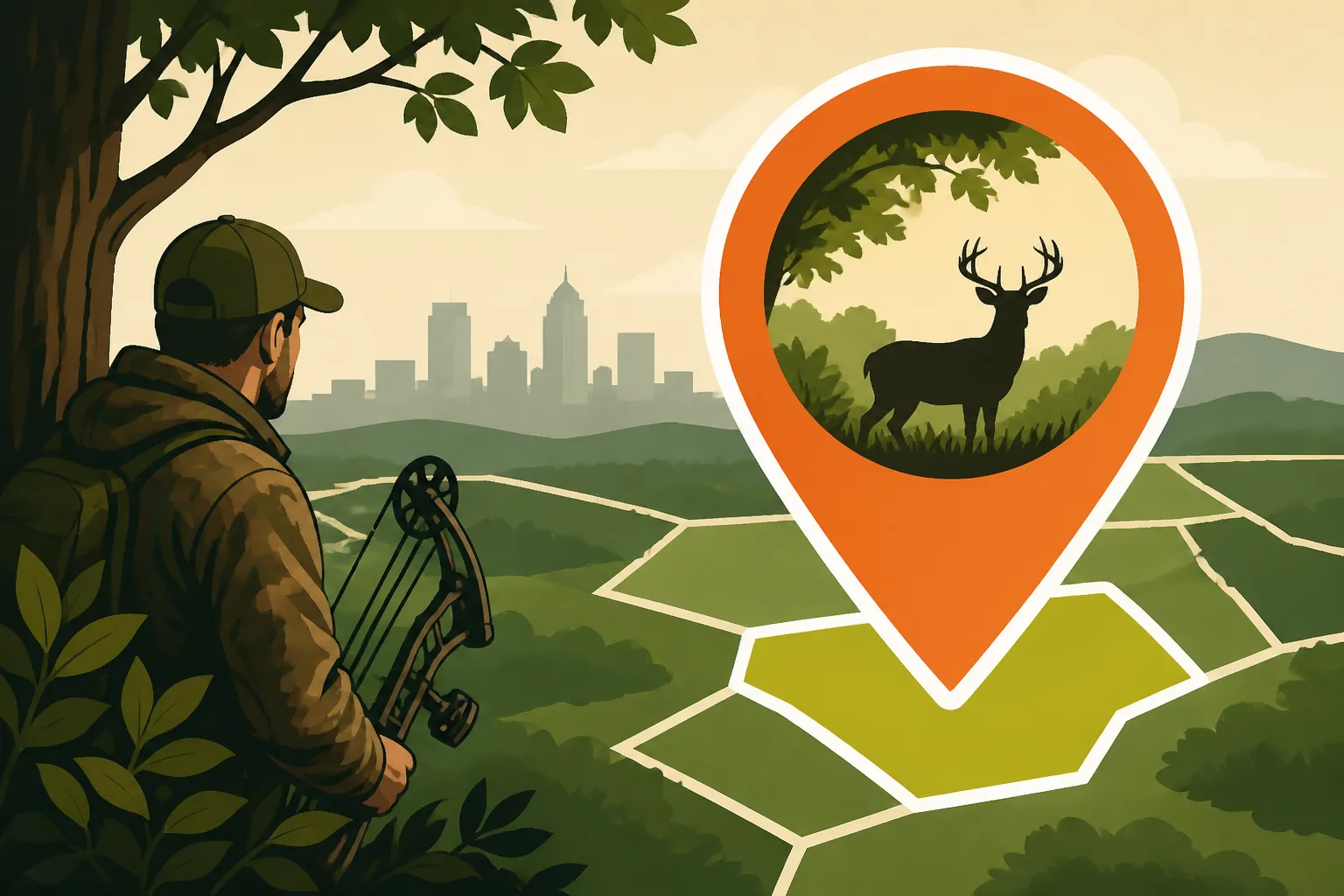
Getting permission to hunt private land around Huntsville boils down to respectful persistence and building relationships. It's definitely not a given, especially with rising land values and more people looking for places to hunt. Start by identifying properties that look promising, perhaps parcels with good cover next to fields, or tracts near public land that might serve as a refuge. This is where tools like onX Hunt really shine, allowing you to see property lines and often owner names right from your phone or computer.
Once you've identified a property, the old-fashioned "door knocking" approach is often the most effective. Dress respectfully, be polite, and always have a clear, concise request. Offer to help the landowner in exchange for hunting privileges – perhaps with chores like fixing fences, clearing brush, or even helping with farm tasks. Emphasize your commitment to safety, ethical hunting, and leaving the property better than you found it. Sometimes, even if they say no for hunting, they might know a neighbor who would say yes. Persistence, without being bothersome, is key. Remember, building trust takes time. This is a common strategy whether you're Knocking on Doors in Black Belt Farm Country or on the fringes of Huntsville's suburbs.
Hunting Leases and Clubs Near Huntsville
Another avenue for private land access is through hunting leases or joining a hunting club. In the Huntsville area, with its strong economy and increasing population, competition for quality leases can be fierce, and prices tend to be higher than in more rural parts of the state. Landowners know their property is valuable, and many are opting to lease for steady income.
Hunting clubs offer a shared expense model, allowing members access to leased land. These clubs can range from very informal groups of friends to highly structured organizations with rules, workdays, and specific membership fees. While joining a club can mean less individual control over your hunting experience, it provides consistent access to private land without the full financial burden of leasing it yourself. Researching Alabama Hunting Lease Costs will give you a realistic expectation, and looking into Joining an Alabama Hunting Club in surrounding counties might open up some new possibilities you hadn't considered. Be prepared for a waiting list with some of the more established clubs.
Tools and Technology for Finding Hunting Access
In today's hunting world, you're at a disadvantage if you're not leveraging technology to scout and find new opportunities. For hunters near Huntsville, these tools are indispensable.
Mapping Apps as Your Best Friend
Mapping applications like onX Hunt are an absolute game-changer for finding hunting access, especially in areas with a patchwork of public and private land. With onX Hunt, you can overlay property boundaries directly onto satellite imagery or topographic maps, instantly showing you what's public and what's private. This feature is invaluable for identifying small, isolated parcels of public land that might be overlooked, or for pinpointing private land owners to contact for permission.
Beyond just property lines, these apps offer detailed topographic information, helping you identify potential pinch points, bedding areas, travel corridors, and water sources without ever setting foot on the ground. You can mark waypoints, measure distances, and track your movements. For example, using the public land layer, you can easily find those often-ignored public tracts that are a bit harder to get to, thus likely seeing less pressure. The GoHunt platform also offers similar advanced mapping features for some areas, allowing you to dig into terrain analysis and land ownership. Utilizing onX Layers for Alabama Land Status can quite literally put the lay of the land in the palm of your hand, giving you a distinct advantage in scouting and planning your hunts.
Online Resources and Local Networks
The Alabama Department of Conservation and Natural Resources (ADCNR) website, particularly the "Outdoor Alabama" section, is a treasure trove of information. Here you'll find detailed maps of all the Wildlife Management Areas, including specific rules, boundary information, and species present. Using the Outdoor Alabama Map Tool is a crucial first step for anyone looking at public land. It's the official source for regulations, so you know the information is accurate.
Don't overlook the power of local networks either. Your local feed store, tackle shop, or even an independent gas station in a rural community can be a goldmine of information. Shop owners and locals often know who owns what, who might be open to granting permission, or where local deer and turkeys tend to hang out. These are places where you can engage in conversation, build rapport, and sometimes get invaluable tips that no app can provide. Online hunting forums specific to North Alabama can also offer insights, although always take advice with a grain of salt and verify information through official channels or your own scouting.
Maximizing Your Chances in North Alabama
Finding access is just the first step. Once you've identified a promising spot, it's about making the most of that opportunity.
Scouting and Adaptability
Effective scouting is paramount, especially on public land or smaller private tracts near Huntsville. Don't just show up on opening day. Spend time in the off-season, hiking, looking for sign, identifying bedding and feeding areas, and understanding how animals move through the landscape. This is where Scouting Alabama Public Land Before Season becomes your secret weapon. Pay attention to topography, prevailing winds, and access points. How can you get in and out undetected? Where do deer naturally funnel?
For public land near Huntsville, assume there will be other hunters. Adaptability is key. If your primary spot is crowded, have a backup plan. Be willing to hike further, hunt mid-week when pressure is lower, or try different tactics like still-hunting or setting up a ground blind in overlooked cover. Reading Aerial Photos for Piedmont Deer can help you identify overlooked pockets of habitat, even on smaller parcels. The more you scout and understand the specific area, the better equipped you'll be to outsmart both the game and the pressure.
Species-Specific Considerations
The species you're targeting will also influence your access strategy and tactics.
-
Deer: White-tailed deer are the primary big game animal in North Alabama. For private land, good food sources (agriculture, planted food plots) combined with thick cover are magnets. On public land, focusing on areas with less human disturbance, thickets, and natural funnels, especially along river bottoms or dense mountain ridges, can pay off. White-Tailed Deer Across Alabama are abundant, but finding older, mature bucks requires strategic thinking.
-
Turkey: Spring turkey hunting requires finding areas with good roosting trees (often mature hardwoods near water) and open areas for strutting and feeding. Public lands like Skyline WMA and certain sections of Bankhead National Forest offer excellent opportunities. On private land, farm edges, open timber, and pastures adjacent to dense cover are ideal. Understanding Wild Turkeys in Alabama and their behaviors will greatly improve your success.
-
Small Game: Squirrels and rabbits are often overlooked but provide fantastic opportunities, especially for new hunters or those looking for less intense pressure. Public lands, particularly bottomland hardwoods for squirrels or brushy fencerows for rabbits, are often productive. Many private landowners are also more willing to grant permission for small game hunting than for deer or turkey, as it's often perceived as less impactful.
| Public Hunting Area | Primary Species | Type of Terrain | Access Difficulty (from Huntsville) |
|---|---|---|---|
| Skyline WMA | Deer, Turkey, Small Game | Steep mountains, hardwoods, deep hollows | Moderate (1 hr drive, rugged hike) |
| Wheeler NWR (Quota Hunts) | Deer, Waterfowl | River bottom, wetlands, agricultural fields | Easy (30-45 min drive, specific rules) |
| Bankhead NF / Black Warrior WMA | Deer, Turkey, Small Game | Canyons, mixed forest, rolling hills | Moderate (1.5 hr drive, often deep hike) |
| Private Land (Permission) | Varies | Farmland, woodlots, river edges | Challenging (requires networking) |
| Hunting Clubs/Leases | Deer, Turkey | Varies | Moderate (cost, availability) |
Finding good hunting access near Huntsville might require a bit more legwork and strategic planning than in some other parts of Alabama, but the opportunities are absolutely there. By understanding the local geography, leveraging public lands like Skyline WMA, Wheeler National Wildlife Refuge, and Bankhead National Forest, and applying smart strategies for private land access, you can enjoy successful and rewarding hunts. Equip yourself with the right tools, like onX Hunt, and commit to thorough scouting, and you'll soon be enjoying the rich hunting traditions that Alabama has to offer, right here in the Tennessee Valley.
Disclaimer
This article is for general informational purposes only and does not constitute professional advice. Laws, prices and regulations vary by location and change over time. Consult a qualified professional for guidance on your specific situation.