Winston County Public Land for Deer
Finding great public land for deer hunting in Alabama can sometimes feel like searching for a needle in a haystack, especially when you're trying to get away from the heavily pressured areas. Many hunters focus on the major WMA tracts or popular national forests, but there are often fantastic opportunities tucked away in counties like Winston, offering challenging but incredibly rewarding experiences for those willing to learn the terrain. This guide will walk you through what makes Winston County public land special for deer hunters and how to approach it for success.
Understanding Winston County's Deer Hunting Landscape
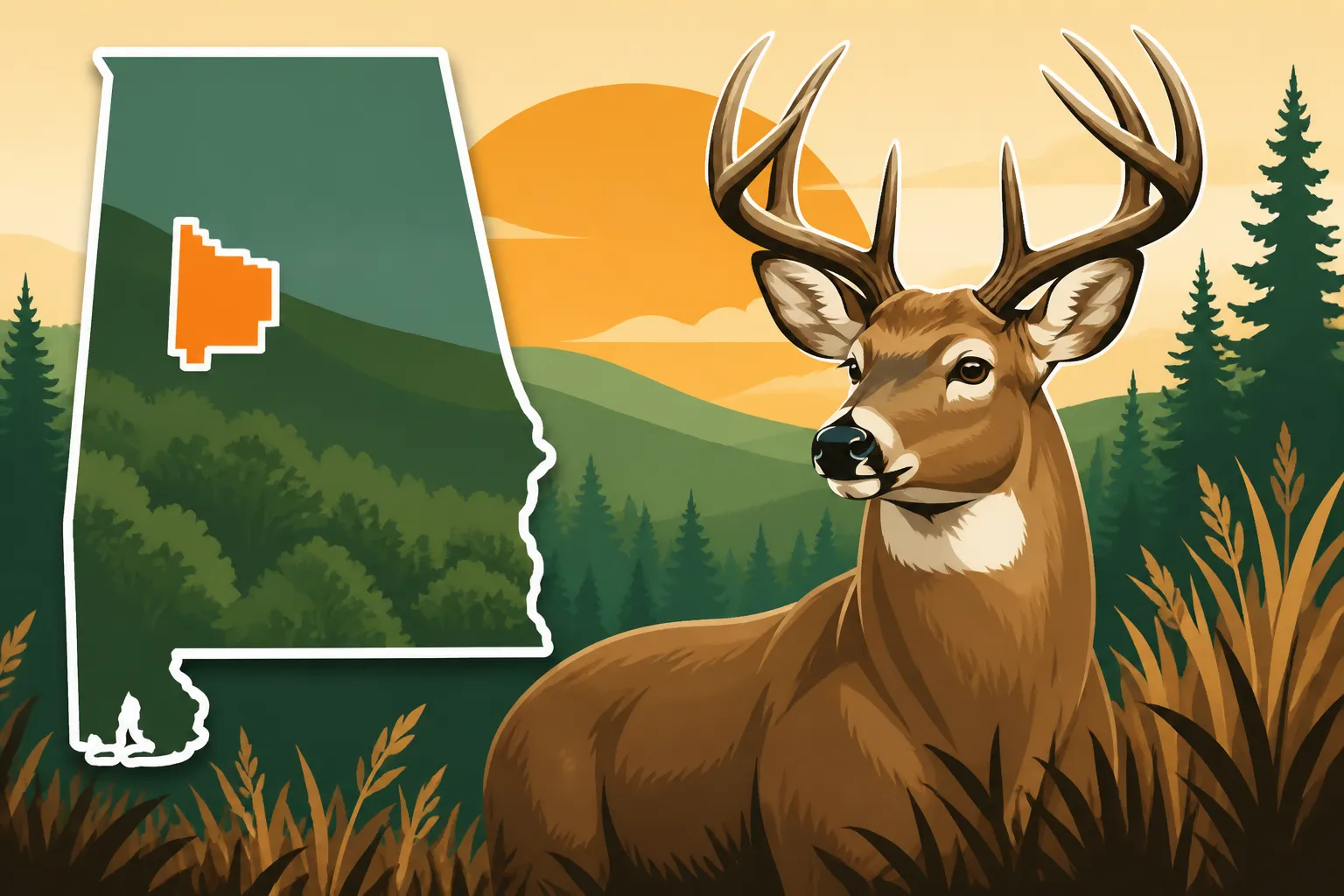
Winston County, located in northwest Alabama, is truly a gem for the public land deer hunter. It's largely defined by the sprawling William B. Bankhead National Forest, which encompasses a significant portion of the county, along with the revered Sipsey Wilderness Area. This isn't your typical flat, open farmland; we're talking about rugged, heavily timbered hills, deep ravines, steep creek bottoms, and thick natural cover. This diverse and often challenging topography creates an incredible habitat for whitetail deer, but it also demands a different kind of hunting strategy.
The Influence of Bankhead National Forest
The presence of the William B. Bankhead National Forest Hunting cannot be overstated when discussing deer hunting in Winston County. This vast area provides continuous habitat, meaning deer have plenty of room to roam, grow, and avoid constant human pressure. Unlike smaller, fragmented public tracts, Bankhead offers expansive stretches where deer can establish core areas away from roads and trails. The terrain here is varied, ranging from mature hardwood ridges brimming with acorn crops to dense pine plantations and swampy bottomlands along major creeks and rivers. Understanding this mosaic of habitats is key to locating deer.
For many hunters, the sheer scale of Bankhead can be intimidating. You can’t just walk in and expect to stumble upon deer. It requires serious scouting, a good understanding of deer behavior in mountainous, timbered environments, and often, a willingness to hike far from easy access points. However, for those who embrace the challenge, the rewards can be substantial, including opportunities for older, wiser bucks that have learned to navigate this complex landscape.
Black Warrior Wildlife Management Area
Nestled within the Bankhead National Forest is the Black Warrior WMA Inside Bankhead Forest, which often forms the core of many hunters' focus in Winston County. The WMA designation means there are specific regulations that apply here, sometimes differing from general National Forest rules. It's absolutely crucial to consult the Alabama Department of Conservation and Natural Resources (ADCNR) regulations booklet specifically for Black Warrior WMA before heading out.
The Black Warrior WMA is known for its diverse habitat and solid deer numbers, but also for its ruggedness. The Sipsey Fork of the Black Warrior River carves through this area, creating dramatic canyon-like features and providing critical water sources. These river bottoms and associated drainages often act as natural travel corridors and provide excellent cover, especially during periods of heavy hunting pressure or in warmer weather. This WMA is a prime example of where a tool like onX Hunt becomes invaluable for understanding land boundaries, identifying terrain features, and planning your approach. You can easily mark potential bedding areas, food sources, and travel routes, saving you countless hours of guesswork once you're on the ground.
Scouting and Strategy for Winston County Deer
Hunting deer in Winston County's public lands, particularly in Bankhead National Forest and Black Warrior WMA, is an endeavor that rewards meticulous preparation and a deep understanding of woodcraft. You can't just drive up, jump out of the truck, and expect a big buck to walk by. The deer here are wild, wary, and accustomed to using the dense cover and steep terrain to their advantage.
Pre-Season Intel Gathering
Before you ever set foot in the woods, a lot of your hunting success in Winston County starts at home. This is where modern tools really shine. Use online mapping software like onX Hunt to pour over satellite imagery and topo maps. Look for key features that influence deer movement:
- Ridge lines and saddles: These are natural travel corridors, especially during the rut. Deer will often cross saddles to move between drainages with less effort.
- Creek bottoms and drainages: These provide water, cooler temperatures, and thick cover, often serving as escape routes or bedding areas.
- Mature timber vs. clear-cuts/regenerating forest: Deer will browse heavily in younger growth but seek refuge and mast crops in mature timber. Look for the edges where these two habitat types meet.
- Water sources: Identify permanent water sources like the Sipsey Fork itself, smaller creeks, and even seasonal seeps. Deer need water daily, and these spots can be magnets.
Once you've identified potential areas of interest, cross-reference them with aerial photos. Pay close attention to subtle changes in elevation, stand composition, and potential funnels. Reading Aerial Photos for Piedmont Deer (which share some characteristics with Winston's terrain) can give you ideas of what to look for. Even though much of this is big woods, deer still follow the path of least resistance or utilize thermal currents.
Boots-on-the-Ground Scouting
There is simply no substitute for walking the ground. Aim to scout several times before the season opens, and even during the season if you have the opportunity. When scouting, look for fresh deer sign:
- Tracks: Identify consistent travel routes, especially where deer cross ridges or enter/exit dense cover.
- Scrapes and rubs: While these are more prevalent closer to the rut, finding old rub lines can indicate established travel paths that mature bucks use year after year. Scrape Lines Along a Logging Road are a classic example, but in deep timber, look for rubs on smaller saplings indicating less disturbed travel.
- Bedding areas: These are often found on leeward sides of ridges, in thickets, or elevated benches overlooking drainages, offering deer a view downwind. Look for matted-down leaves and fresh droppings.
- Food sources: Acorns are king in many parts of Winston County. Identify various oak species and gauge the mast crop. Other browse, like honeysuckle or greenbrier, can be vital when acorns are scarce. Hunting After a Poor Acorn Year will require shifting your focus to other food sources or cover.
When you're out there, don't just look for deer sign; also observe human sign. Knowing where other hunters are likely to go can help you find overlooked pockets of deer habitat. The more rugged and difficult the access, the less pressure it generally sees.
Effective Hunting Tactics in Winston County
Deer hunting in Winston County is about patience, stealth, and adapting to the conditions. Whether you're bowhunting or gun hunting, the principles of understanding deer movement and exploiting the terrain remain constant.
Stand Placement and Still-Hunting
Given the steep terrain and dense cover, treestands are a popular choice but require careful consideration. When hanging a stand, consider prevailing winds, thermal currents, and natural funnels. Deer will use terrain features to their advantage, often moving uphill in the morning as thermals rise, and downhill in the evening as thermals fall. Setting up on the downwind side of a funnel, saddle, or a well-used travel corridor between bedding and feeding areas is often productive. Hanging a Stand on a Talladega Ridge provides valuable insights that can be applied to Winston County's similar topography. Remember to be mindful of Treestand Setups in Talladega National Forest and always prioritize safety.
Still-hunting is another highly effective tactic, especially in the thick woods of Bankhead. This involves moving slowly, taking a few steps, then pausing to scan and listen. With every few steps, stop for several minutes, using your binoculars to pick apart the cover. Look for horizontal lines (a deer's back) in a vertical world, twitching ears, or the flick of a tail. This methodical approach allows you to cover ground while being alert for deer that might be bedded or slowly feeding. Still-Hunting Bankhead Forest Ridges is a highly effective method for covering ground and locating deer in this type of habitat.
Adapting to Seasonal Changes and Pressure
Winston County deer react strongly to hunting pressure and seasonal changes. Early season, when temperatures can still be warm, deer are often more nocturnal and focused on water sources and heavy cover. As the season progresses and temperatures drop, food sources like acorns become more critical. The rut, typically peaking in mid-January in this part of Alabama, shifts deer behavior dramatically, with bucks becoming much more active during daylight hours. Hunting the Rut in the Northern Zones will provide precise details for timing your efforts.
During periods of high pressure, particularly on opening weekends, deer will quickly move into the thickest, nastiest cover they can find. This is when those hard-to-reach pockets you found during scouting become invaluable. Don't be afraid to push deeper into areas that others avoid. A mapping app like onX Hunt can be crucial here for guiding you through unfamiliar terrain and ensuring you stay on public land. It also helps you identify potential escape routes that deer might use, allowing you to intercept them. Opening Weekend Crowds in Zone A details how deer react to pressure and offers strategies for finding less disturbed areas.
Regulations and Responsible Hunting Practices
Hunting Winston County's public land comes with responsibilities. Knowing the regulations and practicing ethical hunting are paramount to preserving these opportunities for everyone.
Alabama Deer Season and Reporting Requirements
Alabama's deer season is divided into zones, and Winston County typically falls within a northern zone with specific opening and closing dates for archery, gun, and muzzleloader seasons. Always check the current ADCNR regulations. For example, Alabama's Gun Deer Season by Zone will provide you with the most up-to-date calendar information for Winston County. If you're considering a more primitive weapon hunt, check out Muzzleloader Deer Hunting in Alabama for specific rules and season dates.
One of the most important regulations is the mandatory Game Check system. Every deer harvested in Alabama, whether on public or private land, must be reported through Game Check within 48 hours. This data is vital for wildlife management. It's a quick and easy process, usually done online or via an app. Understanding Alabama Deer Reporting Rules is a requirement for all hunters.
WMA Permits and Public Land Etiquette
Beyond your standard Alabama hunting license, you'll likely need a WMA (Wildlife Management Area) license to hunt in the Black Warrior WMA. This is a separate permit that contributes to the management and maintenance of these valuable public lands. Alabama WMA Permit Requirement explains this in detail. Make sure you have all required licenses and permits before heading afield.
Furthermore, always adhere to public land ethics:
- Leave No Trace: Pack out everything you pack in. This includes spent shell casings, food wrappers, and anything else you bring with you.
- Respect Others: Public lands are shared resources. Be courteous to other hunters, hikers, and users.
- Stay on Public Land: Use a reliable mapping tool like onX Hunt to ensure you know public and private land boundaries at all times. In areas with checkerboard land ownership, this is absolutely critical. Finding Alabama Property Lines is a crucial skill.
- Safety First: Always follow firearm safety rules, wear blaze orange when required, and let someone know where you're going and when you expect to return, especially in rugged terrain with limited cell service.
Navigating the CWD Management Zone
Winston County is not currently within Alabama's designated CWD (Chronic Wasting Disease) Management Zone. However, it's always important to be aware of the nearest CWD zones and any associated regulations, especially if you travel across county lines or if the zone boundaries change in the future. Alabama's Chronic Wasting Disease Management Zone details the current boundaries and rules that apply to CWD. While Winston County hunters may not face mandatory testing, it's good practice to stay informed and follow best practices for carcass handling wherever you hunt.
| Public Land Area | Key Features | Primary Game | Hunting Difficulty | Key Considerations |
|---|---|---|---|---|
| Bankhead National Forest | Extensive mixed hardwoods/pines, rugged hills | Deer, Turkey, Hogs | Moderate to High | Vast, requires navigation skills, varying habitat |
| Black Warrior WMA | Sipsey Wilderness, river bottoms, dense cover | Deer, Turkey, Hogs | High | WMA-specific rules, extremely rugged, potential for solitude |
Winston County offers an incredible opportunity for the public land deer hunter seeking a challenge and a truly wild experience. It's not a place for the faint of heart or those looking for an easy hunt, but for hunters who put in the effort to scout, learn the land, and understand deer behavior in this unique environment, it can be profoundly rewarding. The satisfaction of tagging a deer in such a wild and beautiful setting is unmatched.
Disclaimer
This article is for general informational purposes only and does not constitute professional advice. Laws, prices and regulations vary by location and change over time. Consult a qualified professional for guidance on your specific situation.