Thermal-Assisted Hog Guide Packages
If you've ever dreamt of tackling Alabama's booming feral hog population, but the thought of trying to hunt them at night with a flashlight feels both ineffective and a little bit dangerous, you're not alone. Many hunters find themselves frustrated by the elusive, nocturnal nature of hogs, only for a traditional daytime approach to yield limited results. This guide is all about opening up a whole new world of opportunity: exploring thermal-assisted hog guide packages, a modern solution to an age-old problem that combines cutting-edge technology with expert local knowledge to help you put more hogs on the ground.
Why Thermal-Assisted Hog Hunting is a Game Changer in Alabama
Feral hogs are a menace in Alabama, causing millions of dollars in agricultural damage annually and wreaking havoc on wildlife habitat. They're incredibly smart, reproduce at an alarming rate, and are primarily active under the cover of darkness. This means that traditional daytime hunting methods, while still enjoyable, often miss the prime window of opportunity. That's where thermal technology comes in, leveling the playing field and giving hunters an unparalleled advantage.
The Unmatched Advantage of Thermal Optics After Dark
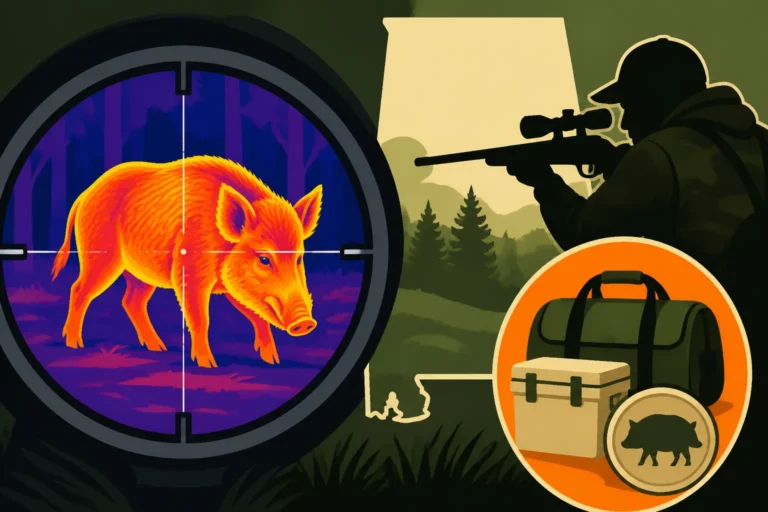
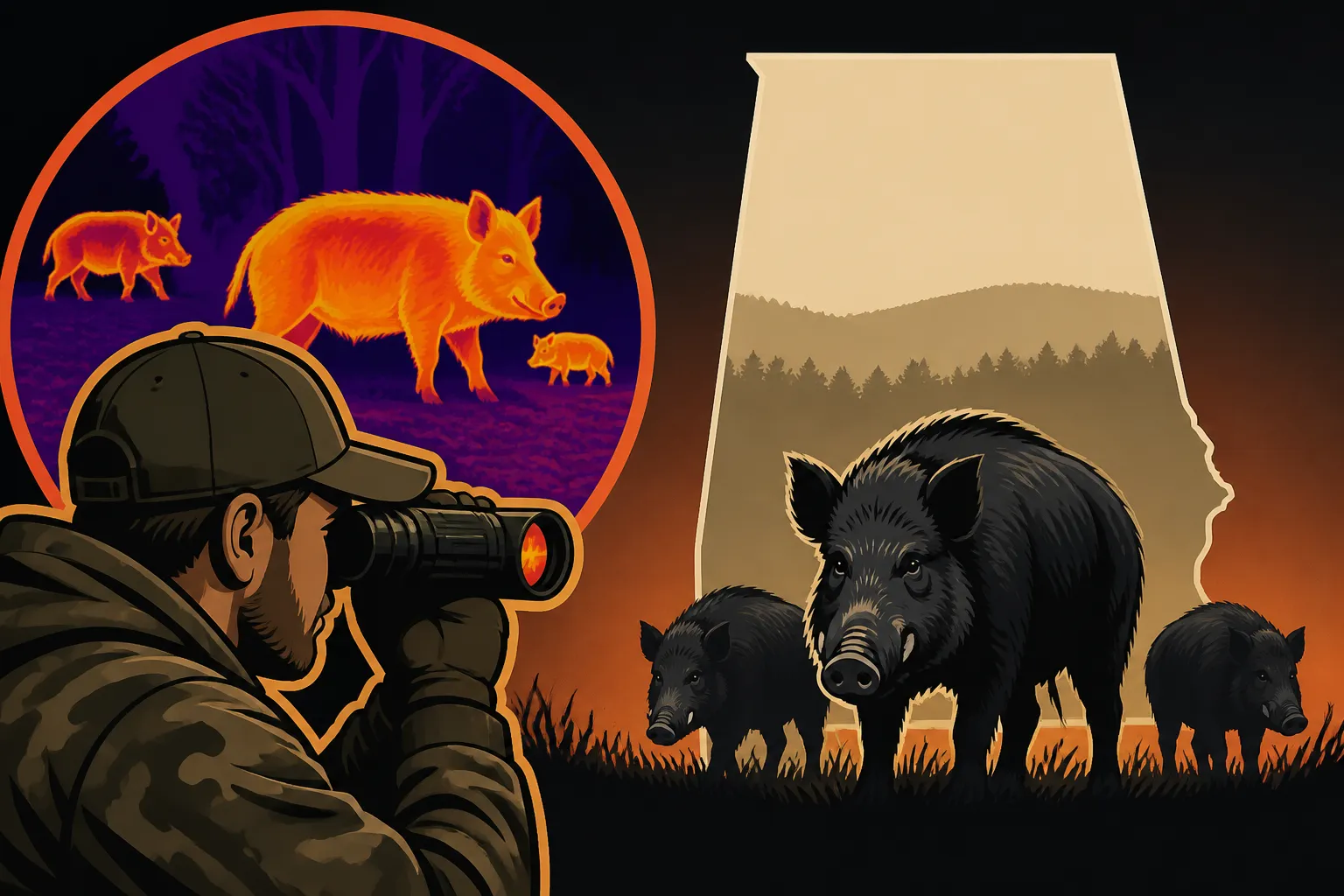
Imagine scanning a dark field or a dense tree line, and instead of seeing nothing, the warm bodies of a sounder of hogs glow brightly on your screen. That's the magic of thermal optics. They don't rely on ambient light; instead, they detect the heat signatures emitted by animals, making them visible even on the darkest, moonless nights or in thick fog. This capability is revolutionary for hog hunting. You can spot hogs that would be completely invisible to the naked eye or even with night vision, giving you time to plan an approach, assess the situation, and make an ethical shot. It transforms hunting from a game of chance in the dark to a strategic, calculated effort where you have the upper hand.
The ability to see heat means you're not just looking for movement; you're seeing the animal itself, often from a significant distance. This clarity helps differentiate hogs from other animals, ensures you're targeting effectively, and greatly enhances safety. It's a truly immersive experience that connects you with the nocturnal world in a way traditional hunting simply can't.
Navigating Alabama's Night Hunting Regulations for Hogs
Alabama has taken a proactive stance against feral hogs, recognizing the severe threat they pose. As a result, regulations are quite favorable for hunters looking to control their numbers, especially on private land. The state allows for year-round hunting of feral hogs with no bag limit, and crucially, permits night hunting with artificial lights. This is where thermal shines – while not technically an "artificial light" in the traditional sense, its ability to render targets visible at night falls under the spirit of these permissive regulations aimed at maximizing hog removal. It’s always important to double-check the latest Alabama Feral Hog Regulations before any hunt, but generally, hunting hogs at night on private land is explicitly allowed. On public lands, rules can vary widely, often prohibiting night hunting entirely or restricting it to specific seasons or weapons, so knowing where you're hunting is paramount. A good guide will always be up-to-date on these specifics.
For most hunters operating on private property or through an outfitter with private land access, the liberal rules regarding night hunting mean you can employ thermal devices without concern for local restrictions, allowing for a highly effective and legal approach to hog control.
When a Guided Thermal Hunt Becomes Your Best Option
While the idea of buying your own thermal gear is appealing, the reality is that quality thermal optics represent a significant investment, often costing thousands of dollars. Beyond the equipment, effectively hunting hogs at night requires specialized knowledge: understanding their nocturnal patterns, identifying prime feeding areas after dark, and executing quiet, safe approaches. This is where a guided thermal hunt truly shines. An outfitter provides all the expensive gear – high-end thermal scopes, scanners, and often suppressed rifles – eliminating the massive upfront cost for you. They also bring invaluable expertise, knowing the land, hog movements, and safe hunting practices for after-dark operations.
For many hunters, especially those new to night hunting or thermal technology, a guided experience is the safest, most efficient, and most productive way to experience this exciting method. It removes the guesswork and the financial burden, allowing you to focus purely on the thrill of the hunt. Plus, a seasoned guide can quickly adapt to changing conditions, identify prime areas for Night Hunting Hogs With Lights on Private Land, and ensure your hunt is both memorable and successful.
Inside a Typical Thermal Hog Guide Package in Alabama
So, you're considering a thermal-assisted hog guide package. What can you actually expect once you arrive? These aren't your grandpa's deer hunts. They're typically fast-paced, high-tech operations designed for maximum efficiency in removing destructive hogs. Understanding the structure, equipment, and post-shot procedures will help you mentally prepare and get the most out of your experience.
Gear You'll Use: From Scopes to Suppressors
One of the biggest perks of a guided thermal hunt is the access to top-of-the-line equipment. Most reputable outfitters will provide high-quality thermal riflescopes mounted on modern sporting rifles (like AR-15s), thermal monoculars or binoculars for scanning, and often, sound suppressors. The suppressor isn't just about being "tacti-cool"; it dramatically reduces the sound signature of the shot, which is crucial for ethical hunting at night. It protects your hearing, minimizes disturbance to surrounding wildlife and landowners, and in some cases, can even allow for follow-up shots on a running sounder without sending them scattering immediately.
You'll usually receive a safety briefing and instruction on how to use the specific thermal equipment your guide provides. Don't worry if you've never used thermal before; guides are adept at quickly getting clients comfortable with the technology. Expect to be provided with an accurate, well-maintained rifle that's already zeroed, saving you the hassle. Your main responsibility will be bringing appropriate clothing, a good attitude, and perhaps your own headlamp for post-shot recovery tasks, though the guide will likely have spares.
The Flow of the Hunt: From Stand to Stalk
Thermal hog hunts can take several forms, but most involve either sitting over bait or a food source, or active stalking. If sitting, your guide will likely set you up in a comfortable ground blind or elevated stand overlooking a known hog travel corridor or Building and Freshening a Hog Bait Site. You'll use thermal scanners to survey the area, waiting for heat signatures to appear. Stalking, on the other hand, is a more dynamic approach. You'll often ride in a UTV or truck, using powerful thermal optics to scan fields, clear-cuts, and edges of timber. Once hogs are spotted, the guide will plan a stealthy approach, using terrain and wind to get you into shooting range.
The guide will be by your side, constantly communicating, pointing out targets, and confirming ethical shots. They'll also handle navigation in the dark, ensuring you're safe and focused on the task at hand. This teamwork is what makes guided thermal hunts so effective and enjoyable. It's not just about pulling the trigger; it's about the coordinated effort to locate, approach, and harvest these intelligent animals.
Beyond the Shot: Tracking and Recovery in the Dark
After the shot, especially at night, recovery is paramount. This is another area where the guide's experience and the advantage of thermal truly shine. Even with perfect Shot Placement on a Feral Hog, a hog might run a short distance. Your guide will immediately go to the shot location, looking for signs of a hit. If the hog isn't down immediately, thermal optics can often pick up its heat signature in the brush, even after it's out of sight, making tracking much more efficient than with conventional methods.
Once the animal is located, the guide will assist with Handling a Hog After the Shot, which might involve moving it to a collection point, gutting it, or preparing it for transport. Safety is always the top priority during recovery, as wounded hogs can be dangerous. The guide's knowledge of the terrain and their equipment will be invaluable in ensuring a quick and safe retrieval of your harvest, allowing you to quickly get back to the hunt or conclude the evening successfully.
Choosing Your Alabama Thermal Hog Outfitter
With the rising popularity of thermal hog hunting, more outfitters are offering these specialized packages. But like any service, quality and experience can vary wildly. Selecting the right guide is critical to both your safety and the success of your hunt. You want an outfitter who is knowledgeable, professional, and dedicated to providing a high-quality experience.
What to Look for in a Reputable Guide Service
When you're sifting through potential outfitters, several factors should stand out. First and foremost, look for experience specifically with thermal hog hunting. This isn't just about general hunting knowledge; it's about proficiency with the specialized equipment, understanding nocturnal hog behavior, and safe night-time operations. Check their safety record and ask about their protocols. A good outfitter will prioritize safety above all else, especially when handling firearms in the dark.
Furthermore, consider the quality and quantity of their hunting ground. Do they have access to large tracts of private land where hog numbers are high and pressure is managed? This is essential for consistent success. Look for testimonials or references from past clients, and pay attention to what they say about the guide's professionalism, equipment, and overall hunt experience. You want someone who communicates clearly, sets realistic expectations, and is passionate about what they do.
Key Questions to Ask Before You Book
Before you commit to a package, arm yourself with a list of questions. Don't be shy; a reputable outfitter will appreciate your thoroughness. Here are a few to get you started:
- What type of thermal equipment do you provide? (e.g., brand, model, magnification for scopes and scanners)
- What firearms are used, and what caliber? (confirm it's appropriate for hogs and that you're comfortable with it)
- What is the guide-to-hunter ratio? (a lower ratio often means more personalized attention and safety)
- What is included in the package price? (e.g., all equipment, ammunition, lodging, meals, field dressing, caping)
- What are your safety protocols for night hunting?
- Can you describe a typical hunt scenario?
- What is your success rate, and what constitutes a "successful" hunt? (Be wary of guarantees – it's hunting, not shooting)
- What happens if weather or other unforeseen circumstances impact the hunt?
- Do you operate under Alabama's Year-Round Hog Rule on Private Land?
Asking these questions will help clarify expectations and ensure there are no surprises once you arrive.
Utilizing Online Resources like BookYourHunt and GoHunt for Vetting
In today's digital age, hunters have excellent tools at their fingertips for finding and vetting outfitters. Platforms like BookYourHunt and GoHunt act as clearinghouses for hunting trips worldwide, and many Alabama hog outfitters list their services there. These sites allow you to search for specific types of hunts, read reviews from other clients, and often see photos and videos of past successful trips. They can provide a valuable layer of transparency that wasn't available years ago.
When using these platforms, pay close attention to the details of the packages, the included services, and especially the star ratings and written reviews. Look for patterns in feedback – positive comments about guide professionalism, equipment quality, and abundant hogs are great signs. Conversely, repeated complaints about disorganization, broken equipment, or misleading advertising should raise red flags. While these platforms are helpful, remember to still reach out directly to the outfitter with your specific questions to ensure a good fit.
Practical Considerations for Your Thermal Hog Adventure
A thermal hog hunt isn't just another hunting trip; it's a unique experience that comes with its own set of practical considerations. Thinking through these details beforehand will ensure you're fully prepared and can maximize your enjoyment and success.
Physical Demands and Essential Personal Gear
While many thermal hog hunts involve vehicle travel and sometimes sitting, don't underestimate the potential for physical exertion, especially during a stalk. You might be walking across uneven fields, through dense brush, or navigating dark woods. A reasonable level of fitness will make the experience more comfortable and allow you to keep up with your guide.
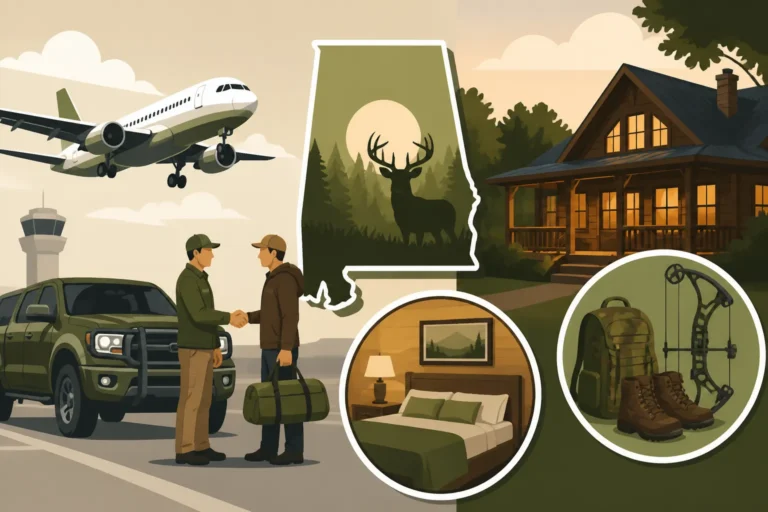
As for personal gear, think layers. Alabama nights can be surprisingly chilly, even after warm days, especially in winter. You'll want clothing that allows you to regulate your temperature, including a good jacket, gloves, and a warm hat. Comfortable, waterproof boots are essential, as you might encounter dew-soaked fields or muddy creek bottoms. A small backpack for water, snacks, and personal items is always a good idea. While the outfitter provides the core hunting equipment, things like bug spray, sunscreen (for daytime travel), and any personal medications are your responsibility. Don't forget your hunting license and any required permits!
Understanding Pricing and Booking Logistics
The cost of thermal-assisted hog guide packages can vary significantly based on factors like the duration of the hunt, whether it's a day hunt or includes overnight lodging, the number of hunters in your group, and the inclusions (e.g., meals, caping, processing). While I can't give specific figures, expect packages to range from basic single-night hunts to multi-day, all-inclusive experiences. It's crucial to get a clear, itemized breakdown of what's included in your Thermal Hog Hunt Package Costs before booking.
Booking typically involves a deposit to secure your dates, with the balance due upon arrival or completion of the hunt. Many outfitters book up well in advance, especially during peak seasons or weekends, so planning ahead is a good idea. Confirm the cancellation policy and what happens if you need to reschedule. Understanding these financial and logistical details upfront prevents any misunderstandings and ensures a smooth planning process.
Ensuring Legal Compliance and Ethical Hunting Practices
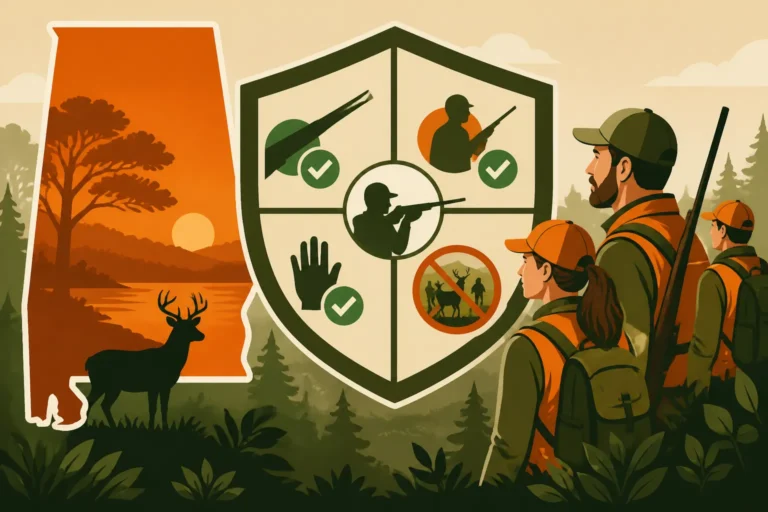
Beyond just knowing Alabama Feral Hog Regulations, ethical conduct is paramount. A good outfitter will uphold the highest standards, but as a hunter, you also bear responsibility. Always confirm that you possess the necessary Alabama Hunting Licenses and any specific WMA permits if applicable (though most thermal hunts are on private land). While feral hogs generally don't have bag limits, responsible harvest means taking only what you can use or what the outfitter's policy allows.
Ethical thermal hunting also means positive identification of your target. While thermal makes animals glow, it doesn't always show antler points or other identifying features as clearly as daylight. Your guide will be instrumental in confirming targets, but it's important to only shoot when you are 100% confident of what you're shooting at and that it's an ethical shot. Respect for the animal, the land, and the guide's property is always expected.
Maximizing Your Success on a Thermal Hog Hunt
You've done your research, booked your trip, and now the date is approaching. To truly make the most of your thermal hog adventure in Alabama, a little final preparation and an open mind can go a long way. This isn't just about pulling a trigger; it's about a complete hunting experience.
Pre-Hunt Preparation and Mindset
Beyond packing your bags, take some time to mentally prepare. If you're unfamiliar with shooting the specific rifle platform (e.g., AR-15) an outfitter might provide, consider visiting a local range to familiarize yourself with similar ergonomics and handling. While the guide will ensure you're proficient with their specific setup, having a baseline comfort level will reduce anxiety.
Also, be ready for the unique challenges and rewards of night hunting. It's quieter, cooler, and the senses are heightened. Hogs are smart, and even with thermal, they can be cagey. Go in with a flexible mindset, ready to adapt to what the night brings. Some nights might be slow, others might be a whirlwind of action. Embrace the experience, whether it's a high-action shoot or a night of patient observation.
Working Effectively with Your Guide and Team
Your guide is your most valuable asset on a thermal hog hunt. They are the eyes, ears, and brains of the operation, drawing on years of experience and intimate knowledge of the hunting grounds. Listen carefully to their instructions, especially regarding safety, movement, and target identification. They will often be scanning, identifying targets, and guiding your shot placement.
Communication is key. If you have a question, ask it. If you're uncomfortable with a shot, speak up. If you spot something unusual, point it out. A guided hunt is a team effort, and your active participation and clear communication will greatly enhance the chances of success for everyone involved. Trust your guide's judgment, as they have your best interests and safety at heart.
Post-Hunt Care and What to Do with Your Harvest
Once the hunt is over and you've had time to celebrate your success, the question of "what now?" arises. Most thermal hog guide packages include field dressing, and some might even offer basic processing or transport to a local butcher for an additional fee. It's important to clarify these services beforehand. Handling a Hog After the Shot involves specific steps for proper meat care, especially in Alabama's often warm climate. Hogs are excellent table fare, and many hunters look forward to filling their freezers with wild pork.
If you plan to take meat home, ensure you have appropriate coolers and ice for transport. Discuss with your guide whether they have facilities for chilling or freezing meat temporarily. Some outfitters might have preferred local processors they work with, which can simplify the process significantly. Don't let the excitement of the hunt overshadow the responsibility of properly caring for your harvest, ensuring none of that hard-earned wild game goes to waste.
Comparative Look at Guided Hog Hunt Options
| Hunt Type | Primary Advantage | Typical Gear Provided | Success Factors | Common Challenges |
|---|---|---|---|---|
| Thermal-Assisted | Unparalleled night vision, high efficiency | Thermal scopes/scanners, suppressed rifles | Guide's expertise, land access, hog density, technology | Cost of gear (if self-guided), learning new tech quickly |
| Night Hunting w/ Lights | More affordable gear, traditional night hunting | Spotlights, night vision optics, rifles | Guide's knowledge of patterns, effective baiting | Limited visibility range, potential for spooking hogs |
| Dog-Drive Hog Hunts | High excitement, physically demanding, covering ground | Dogs, knives, basic firearms | Quality of dogs, experienced dog handlers, active hogs | Physical exertion, dense cover, safety around dogs/hogs |
| Trap & Shoot | High volume removal, less active hunting | Large traps, bait, .22 rifles | Consistent baiting, trap placement, hog patterns | Patience, less "hunting" action |
Disclaimer
This article is for general informational purposes only and does not constitute professional advice. Laws, prices and regulations vary by location and change over time. Consult a qualified professional for guidance on your specific situation.