Dog-Drive Hog Guide Services
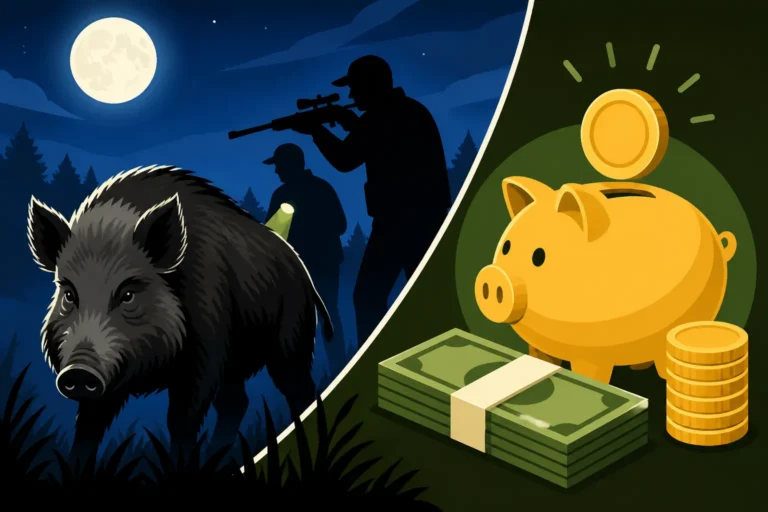
For many Alabama hunters, the thought of feral hogs conjures images of widespread destruction, damaged food plots, and frustratingly elusive game. While still-hunting and setting traps certainly have their place, sometimes you want a truly dynamic, high-adrenaline experience that's proven to get results on these notoriously tough animals. That's where a guided dog-drive hog hunt comes in, offering an exciting and effective way to tackle Alabama's burgeoning hog problem head-on. This guide will walk you through everything you need to know about these unique hunting services.
Understanding Dog-Drive Hog Hunting in Alabama
Dog-drive hog hunting isn't just a method; for many in the South, it's a deep-seated tradition, a blend of canine instinct, human strategy, and raw excitement. It's a far cry from sitting quietly in a treestand, waiting for a deer. Instead, it’s an active, immersive experience designed to push wary hogs out of their dense cover and into a position where hunters can take a shot.
What is a Dog-Drive Hog Hunt?
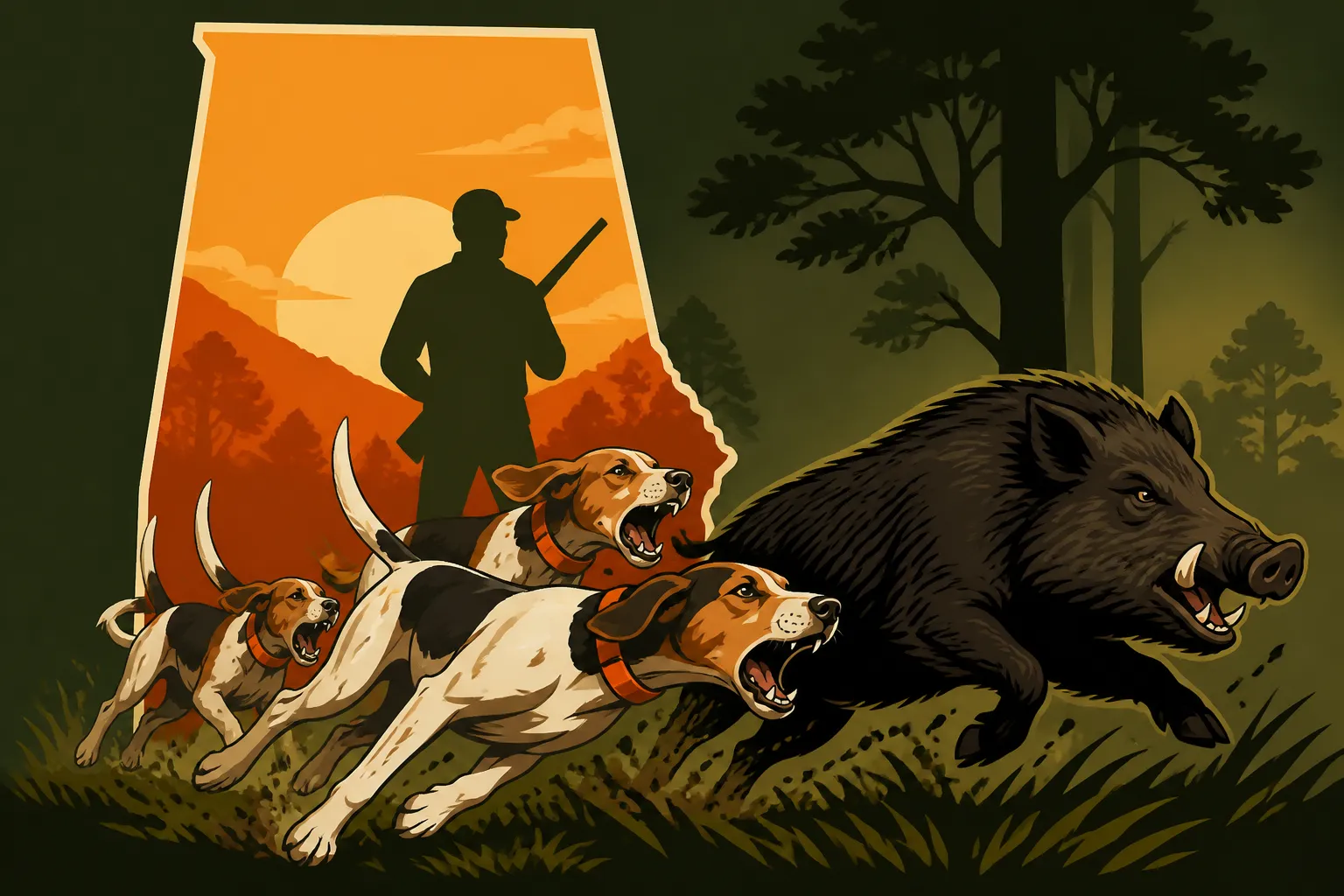
At its core, a dog-drive hog hunt involves a team of highly trained dogs working together with a group of hunters to locate, chase, and corner feral hogs. There are typically two main types of dogs involved: the "bay dogs" and the "catch dogs." Bay dogs are usually cur breeds, hounds, or mixes, chosen for their vocalizations and persistence. Their job is to find the hogs, bay them up (bark loudly to hold them in one spot), and keep them from escaping, all while maintaining a safe distance. This baying provides an audible signal to the hunters and catch dogs, indicating where the action is.
Once the bay dogs have a hog cornered or slowed down, the "catch dogs"—often American Bulldogs, Pit Bulls, or similar breeds known for their strength and tenacity—are released. These dogs move in to physically restrain the hog, typically by catching an ear or leg, holding it firmly until the hunters arrive. This part of the hunt is incredibly intense and requires experienced handlers to ensure the safety of both the dogs and the hog, as well as the hunters. The goal for the hunter is usually to dispatch the hog quickly and humanely once the dogs have it secured, often with a pistol or knife. It's a truly hands-on experience, and the adrenaline rush is something that many hunters find unparalleled.
Why Alabama is Prime for Dog-Drives
Alabama's landscape and climate create a perfect breeding ground for feral hogs, making dog-drives not just a thrilling pursuit but a necessary population control measure. Our state boasts a tremendous population of these invasive animals, with some estimates putting their numbers well into the hundreds of thousands. They thrive in our dense creek bottoms, river swamps, pine thickets, and agricultural fields, which offer ample food and cover. These areas can be incredibly difficult to hunt effectively with traditional methods, as hogs can simply vanish into the impenetrable undergrowth.
The year-round open season on feral hogs on private land in Alabama, coupled with minimal regulations, means guides and hunters have constant opportunities to pursue them. This continuous pressure is vital because hogs reproduce at an astonishing rate, often having multiple litters of piglets per year. Dog-drives excel in these challenging environments because the dogs' keen sense of smell and relentless pursuit can penetrate cover that humans simply cannot. Guides who run dog drives often focus on specific tracts of private land where landowners are desperate for hog removal, turning a recreational activity into a valuable service for agricultural producers battling crop destruction. If you're looking for consistent action and a chance to make a real impact on local hog numbers, Hunting Alabama's Year-Round Feral Hogs with dogs is one of the most effective strategies.
The Dynamics of a Guided Dog-Drive Hog Hunt
When you sign up for a guided dog-drive hog hunt, you're not just booking a trip; you're stepping into a well-oiled machine where every participant, human and canine, has a critical role. Understanding these dynamics is key to having a successful and safe experience.
The Role of the Guide and Dogs
The guide is the absolute linchpin of a successful dog-drive hog hunt. They are not just leaders but experienced strategists, animal handlers, and safety officers all rolled into one. A good guide knows the terrain intimately, understanding where hogs are likely to be bedding, feeding, or traveling based on recent sign and weather conditions. They understand the nuances of Alabama Feral Hog Regulations and ensure everyone adheres to them. More importantly, they have a deep understanding of their dogs. These dogs are family, and their training and well-being are paramount. Guides will have spent countless hours training their bay dogs to track and hold, and their catch dogs to engage safely and effectively.
During the hunt, the guide directs the placement of the "standers" (hunters positioned to intercept hogs) and the movement of the "drivers" (those who follow the dogs to push hogs). They manage the dogs, reading their body language and barks to understand what kind of hog they're on, its size, and its direction of travel. Safety is always their top priority, from ensuring hunters are safely positioned to managing dog-hog encounters to prevent injuries. They'll know the signs of a hog that's about to charge and how to react. A professional guide will also be transparent about their practices, from how they train their dogs to how they handle the hogs after the catch.
Hunter Participation and Expectations
Unlike a typical deer hunt where stealth and patience are paramount, a dog-drive hog hunt requires active participation and quick thinking from the hunters. You won't be sitting in a blind for hours. Instead, you'll either be a "stander," positioned by the guide in a likely escape route or funnel, or a "driver," following the dogs and the guide through the woods. Being a stander requires you to be alert, ready to quickly and safely acquire a target, and make a clean shot as a hog attempts to break cover. This often happens fast, so practicing quick target acquisition and being comfortable with your chosen firearm is crucial.
If you're part of the "driver" team, expect to move. A lot. You'll be navigating thick Alabama brush, crossing creeks, and scrambling over downed timber, all while listening intently to the dogs and the guide. When the dogs bay or catch a hog, you'll be moving quickly to the sound of the action. Once at the scene, you'll need to follow the guide's instructions precisely, ensuring you have a safe backdrop for a shot and taking a clean, ethical shot on the hog while the dogs are holding it. It's a physically demanding hunt, but the reward is an unparalleled experience and the satisfaction of contributing to hog control. Expect to walk, sweat, and feel the rush of raw, untamed hunting. For more details on the practical side of dispatching the animal, you might find information on Shot Placement on a Feral Hog helpful, though your guide will provide specific instructions for the dynamic environment of a dog-drive.
Benefits and Challenges of Dog-Drive Hog Guide Services
Choosing a dog-drive hog hunt is a commitment to a particular style of hunting, one that comes with its own unique set of advantages and considerations. It's important to weigh these before booking your trip to ensure it aligns with your expectations and hunting philosophy.
Advantages for Hunters
One of the biggest draws of a guided dog-drive hog hunt is the incredibly high success rate. Feral hogs are prolific and widespread in Alabama, and dogs are exceptionally good at finding them in dense cover that hunters would otherwise never penetrate. This means you have a significantly better chance of encountering hogs and getting shot opportunities compared to many other hunting methods. The sheer excitement of hearing the dogs bay, the chase through the woods, and the close-quarters encounter with a powerful wild animal is an adrenaline rush that's hard to beat. It’s a truly immersive, primal hunting experience.
Beyond the thrill, these hunts offer a unique cultural experience, especially in the South where hog dogging has a long, storied tradition. You get to witness the incredible teamwork between highly trained dogs and their handlers, an impressive display of instinct and skill. For those interested in actively participating in wildlife management, dog-drives are highly effective at reducing hog numbers, which directly benefits local ecosystems and agricultural interests. Many hunters feel a sense of purpose in helping landowners control these destructive pests. Furthermore, hunting in a guided group, especially when dealing with dangerous game like hogs, provides an added layer of safety. The guide and the team of experienced hunters can quickly address any challenges or risks that arise, making it a more secure experience than tackling a big hog solo.
Potential Drawbacks and Considerations
While incredibly effective and exciting, dog-drive hog hunting isn't for everyone, and it's important to be aware of potential considerations. Some hunters have ethical concerns about the use of dogs, particularly catch dogs, and the potential for injury to both the dogs and the hogs during the physical engagement. Reputable guides prioritize dog safety and humane dispatch of the hog, but injuries can, unfortunately, occur in such an intense environment. It's wise to discuss these aspects thoroughly with any potential guide beforehand.
Another factor is the sheer noise and intensity of the hunt. This is not a quiet, stealthy pursuit. The constant barking of bay dogs, the shouts of handlers, and the general commotion mean it's a loud and boisterous experience. If you prefer a more tranquil, solitary hunting style, a dog-drive might feel overwhelming. Furthermore, the physical demands can be significant. You'll often be pushing through thick, thorny cover, running to catch up with the action, and navigating uneven terrain. This requires a decent level of physical fitness and appropriate durable clothing to prevent cuts and scrapes. You'll also need to be prepared for the equipment requirements; stout boots, puncture-resistant vests, and communication devices are often essential. While guides provide the dogs, ensuring you have the right personal gear is key.
What to Look for in an Alabama Dog-Drive Hog Guide
Booking a guided hunt, especially one as dynamic as a dog-drive for hogs, means you're putting your trust and safety in someone else's hands. It's crucial to do your homework and choose a reputable, experienced guide.
Key Questions to Ask Prospective Guides
Before you commit to a booking, engage in a thorough conversation with any potential guide. Start by asking about their experience: How long have they been guiding dog-drive hog hunts specifically? How much land do they have access to, and is it private property with high hog density? Inquire about their dogs: How many dogs do they run per hunt? What breeds are they? How are they trained and cared for, and what safety measures are in place for the dogs? A good guide will be proud to discuss their pack and their training regimen.
You should also ask about their typical success rates. While no hunt guarantees a kill, a reputable guide will have a strong track record and be able to provide realistic expectations. Inquire about their safety record and protocols, especially regarding hunter positioning, dog handling around hunters, and emergency procedures. What is included in the hunt package? Does it cover just the hunt, or does it also include hog cleaning and processing, meals, or lodging? Will you be part of a larger group, and what is the maximum group size? Platforms like BookYourHunt and GoHunt can be great starting points for finding guides, allowing you to browse options and read reviews, but always follow up with direct conversations to get these specific details. Remember, you're looking for transparency and a guide who prioritizes both the hunt's success and the safety of everyone involved.
Understanding Costs and Inclusions
The cost of a guided dog-drive hog hunt in Alabama can vary quite a bit depending on several factors, including the length of the hunt, what's included, and the guide's reputation. Typically, a day-rate hunt will cover the guide's services, the use of their dogs, and access to the hunting land. Some guides might offer multi-day packages that include lodging and meals, which can be a great option for hunters traveling from out of state. It's crucial to get a clear breakdown of all costs upfront, so there are no surprises. Ask about any potential "hidden" fees, such as trophy fees (though rare for hogs), or extra charges for hog processing.
Processing is a big one. Hogs are large animals, and field dressing and butchering take time and effort. Some guides include basic field dressing as part of their service, while others might have arrangements with local processors for an additional fee. Tipping your guide and any dog handlers is also customary and should be factored into your budget. Generally, tips range from 15-20% of the hunt cost, depending on your satisfaction with the experience. Think of it like a restaurant — if they provided excellent service and a memorable experience, show your appreciation. Compared to other hog hunting methods, like What a Guided Night Hog Hunt Costs or Thermal Hog Hunt Package Costs, dog-drives often fall into a competitive range, offering a unique value proposition for the experience and success rates they deliver. Always check the guide's website or contact them directly for current pricing and package details.
Preparing for Your Dog-Drive Hog Hunt
A successful and enjoyable dog-drive hog hunt isn't just about showing up; it's about being prepared for the unique demands of this fast-paced, physical style of hunting. Taking the time to gather the right gear and get yourself ready can make all the difference.
Essential Gear and Clothing
Given the nature of chasing hogs through dense Alabama cover, your clothing and gear need to be robust and functional. Think layers, as Alabama weather can be unpredictable, but prioritize durability. You’ll want thick, briar-resistant pants or chaps to protect your legs from thorns and thick brush. A durable, long-sleeved shirt is also essential. Good quality, waterproof hunting boots with excellent ankle support are non-negotiable; you’ll be walking through mud, over roots, and potentially across creeks.
Eye protection is highly recommended to shield your eyes from whipping branches. A sturdy hunting knife, even if the guide provides one for dispatch, is always good to have for general utility. Many hunters carry a sidearm, typically a pistol in a .357 Magnum, .44 Magnum, or similar caliber, for quick, close-range dispatch of a bayed or caught hog. However, always consult your guide on their preferred method and caliber, as some may opt for a specific firearm or knife. Communication is vital in these hunts, so a reliable two-way radio or a fully charged cell phone (though service can be spotty in deep woods) is important. A good headlamp or flashlight is also invaluable, especially if the hunt runs into low light. Don't forget water and snacks; you'll be burning calories.
Physical and Mental Readiness
Dog-drive hog hunting is not a sedentary activity. You need to be prepared for sustained physical exertion. This means being able to walk several miles over uneven terrain, sometimes at a brisk pace, and occasionally needing to quickly sprint to the sound of baying dogs. If you're not regularly active, consider incorporating some hiking or brisk walks into your routine in the weeks leading up to your hunt. Being physically ready will not only make the hunt more enjoyable but also safer, as fatigue can lead to mistakes.
Mentally, you need to be prepared for the intensity and the quick decisions required. The action can be fast and furious, with hogs breaking cover suddenly or dogs baying close by. You must remain calm under pressure, listen carefully to your guide's instructions, and be able to make a swift, ethical shot. It’s also important to have a clear understanding of the hunt's objectives and methods. Ask all your questions beforehand, so you feel comfortable with the process, especially the close interaction with the dogs and hogs. This mental preparedness will allow you to fully immerse yourself in the experience and react effectively when the moment of truth arrives.
Remember that Alabama Hunter Education Requirements apply to most hunters, so ensure you're compliant. For anyone looking to sharpen their skills or understand specific tactics, resources like Deer Drives With Three or Four Hunters or Hunting Into the Late February Either-Sex Window might offer insights into navigating group dynamics and strategic positioning, even though they pertain to deer.
Here's a quick comparison of dog-drive hunting versus more traditional still-hunting for hogs:
| Feature | Dog-Drive Hog Hunting | Traditional Still-Hunting / Stalking |
|---|---|---|
| Method | Active pursuit with trained dogs, hunters intercept | Stealthy movement, sitting, waiting, ambush |
| Intensity | High-adrenaline, fast-paced, noisy | Patient, quiet, slow-paced |
| Success Rate | Generally very high due to dog efficiency | Varies greatly, often lower due to hog elusiveness |
| Physical Demand | High (walking, running, navigating dense cover) | Moderate (walking to stands, sitting) |
| Equipment | Durable clothing, briar protection, sidearm, comms | Camouflage, quiet clothes, rifle/bow, optics |
| Experience | Unique, cultural, team-oriented, hands-on | Solitary, contemplative, focused on stealth |
| Hog Control | Highly effective at clearing large areas of hogs | Effective for individual hogs, less widespread control |
| Safety | Guided group offers inherent safety in numbers | Solo hunting requires heightened individual awareness |
| Noise Level | Loud (dogs baying, communication, movement) | Extremely quiet, minimal noise |
Ultimately, choosing a dog-drive hog guide service is about embracing a truly different kind of hunting adventure. It's a testament to the effectiveness of working with trained animals and a thrilling way to experience the wild side of Alabama's outdoors while making a tangible difference in controlling destructive feral hog populations. If you’re up for the challenge, the excitement, and the camaraderie, it’s an experience you won’t soon forget.
Disclaimer
This article is for general informational purposes only and does not constitute professional advice. Laws, prices and regulations vary by location and change over time. Consult a qualified professional for guidance on your specific situation.