What a Guided Night Hog Hunt Costs
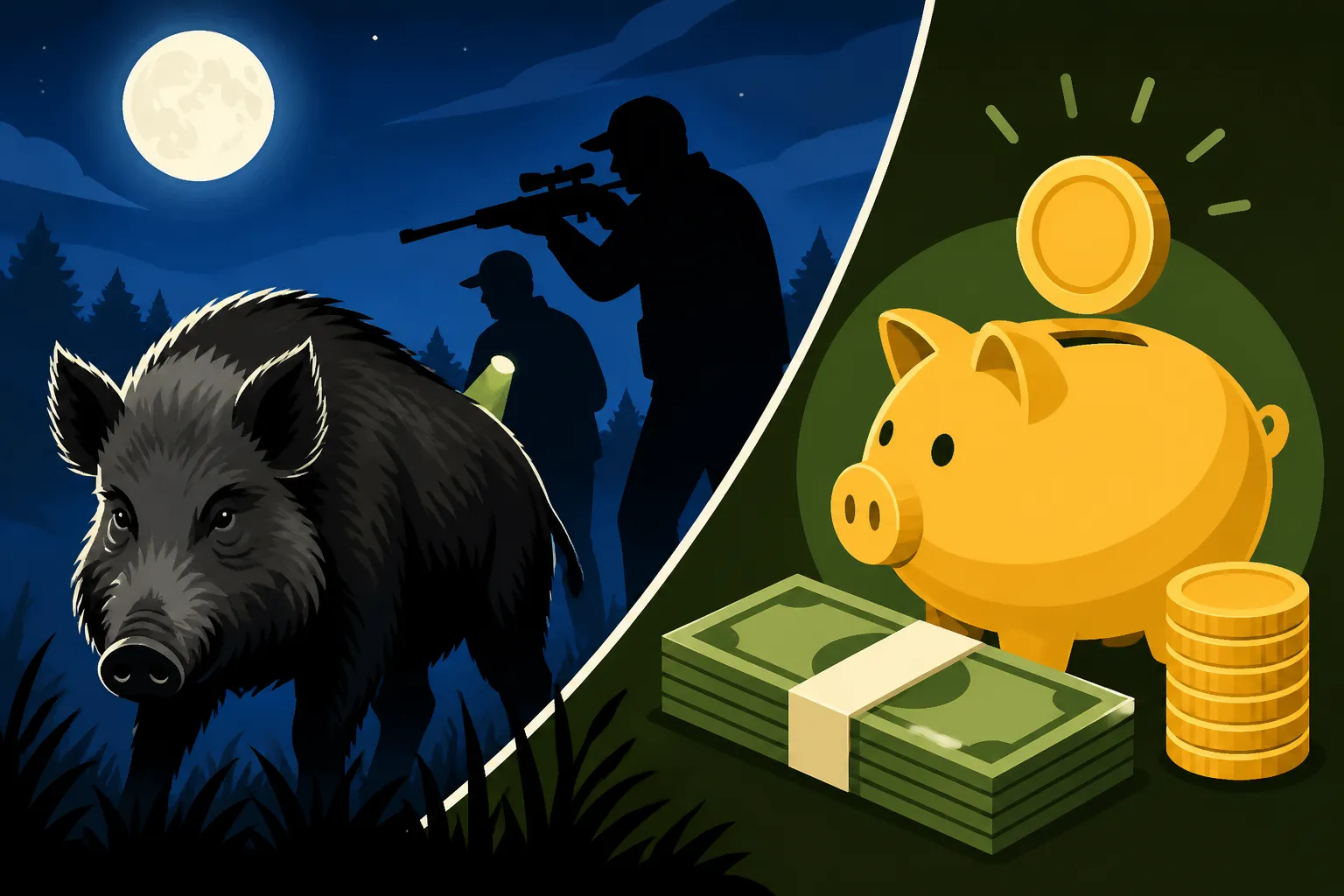
There's a unique thrill to hunting feral hogs under the cover of darkness, but for many hunters, the legalities and logistics of setting up a successful night hunt in Alabama can feel overwhelming and expensive. This guide aims to demystify the cost associated with guided night hog hunts in the state, breaking down what influences the price and what you can expect for your investment.
The Allure of Night Hunting Alabama Hogs
If you've spent any time in the Alabama woods, you know feral hogs are a serious issue. They wreak havoc on crops, destroy habitat, and compete with native wildlife for food sources. Farmers and landowners are constantly battling them, and as hunters, we're often part of that effort. While daytime hunting can be effective, hogs are largely nocturnal, especially in areas with hunting pressure. This makes night hunting incredibly appealing – it's often when the hogs are most active and least wary.
The opportunity to hunt under the stars, using advanced thermal or night vision equipment, adds an entirely new dimension to the sport. It's a different kind of challenge, requiring quick target acquisition and precise shooting in low light. This unique experience, combined with the effectiveness of culling destructive hog populations, is why so many hunters are drawn to the idea of a guided night hog hunt. It's not just about the kill; it's about the intense experience and the satisfaction of contributing to land management. If you're interested in the broader context of Hunting Alabama's Year-Round Feral Hogs, you'll see why these efforts are so important statewide.
Why Hogs Are Primarily Nocturnal in Alabama
Feral hogs are incredibly intelligent and adaptable animals. In areas with significant human activity or hunting pressure, they quickly learn to avoid danger by shifting their movements to the cooler, darker hours of the night. Alabama's warm climate also plays a role; hogs often prefer to move and feed at night when temperatures are lower, especially during the sweltering summer months.
This nocturnal behavior means that a hunter sticking to daylight hours might miss the prime feeding and travel times. Imagine spending hours scouting, setting up a stand, and waiting patiently, only to see minimal hog activity because they're all bedding down until after sunset. A guided night hunt directly addresses this by putting you in the field when the hogs are most active, dramatically increasing your chances of success. It's a strategic shift that acknowledges the animal's natural behavior and the impact of human presence.
The Special Appeal of Hunting with Thermal and Night Vision
Hunting with thermal imaging or night vision is unlike any other hunting experience. Instead of straining to see shapes in the shadows, these optics reveal the heat signatures of animals, turning the blackness of night into a canvas where hogs glow brightly against a cooler background. It’s almost like having a superpower, allowing you to detect hogs long before they know you're there.
This technology isn't just cool; it's incredibly effective. It allows for ethical shot placement even in complete darkness, which is crucial for a clean kill. For many, the chance to use this high-tech gear, often too expensive for individual ownership, is a major draw of a guided hunt. It's an opportunity to experience the cutting edge of hunting technology while helping control an invasive species, all within the legal framework for Night Hog Hunting With Lights on Private Land.
Key Factors Influencing Guided Night Hog Hunt Costs
When you start looking into guided night hog hunts in Alabama, you'll quickly notice that prices can vary quite a bit. It’s not just a simple flat fee; several key factors come into play, each contributing to the overall cost. Understanding these elements will help you gauge what kind of investment you're looking at and what you can expect for your money.
Duration and Group Size of the Hunt
One of the most significant cost drivers is how long you plan to hunt and how many people are in your party. A single-night hunt for one hunter will naturally have a different price point than a multi-night package for a group of four.
- Single Night vs. Multi-Night: Many outfitters offer single-night excursions, perfect for a quick adventure. However, if you're traveling a distance or want to maximize your chances, a multi-night package might be available. These often come with a slightly reduced per-night rate but obviously a higher total cost. A longer hunt allows for more opportunities and often a more relaxed pace.
- Individual vs. Group Rates: Most guides are set up to take small groups, and there can be a benefit to booking with a few buddies. Some outfitters offer a discounted per-person rate for groups, as it streamlines their operations and maximizes the use of their equipment and time. Conversely, a solo hunter might pay a premium because the guide's fixed costs (fuel, equipment, time) are spread across only one person. It's always worth asking about group pricing if you're planning a trip with friends or family.
Quality and Availability of Specialized Equipment
This is where night hog hunting really sets itself apart, and it’s a big part of the cost. The specialized equipment required – primarily thermal imaging and night vision optics – is expensive to purchase and maintain.
- Thermal vs. Night Vision: Thermal imaging detects heat, allowing you to see animals even through brush or in complete darkness. Night vision amplifies ambient light. Thermal is generally more expensive and often preferred for hog hunting due to its ability to cut through cover and its effectiveness in varying conditions. The outfitter’s investment in top-tier thermal scopes and binoculars will be reflected in the hunt price.
- Weaponry: Many guided hunts provide suppressed rifles, which are a huge advantage for night hunting. Suppressors reduce muzzle blast, protecting your hearing and minimizing disturbance to other hogs in the area, potentially allowing for multiple shots on a sounder. The cost of these specialized firearms, along with ammunition, is typically factored into the hunt package. If you plan on bringing your own rifle, be sure to confirm Alabama Legal Firearms for Deer Hunting if you're considering a dual-purpose weapon, though hog rules can be different.
- Vehicle and Spotting Equipment: Guides often use specialized vehicles, like ATVs or UTVs, equipped with scanning thermals to quickly locate hogs in large fields or across diverse terrain. The cost of operating and maintaining this equipment, including fuel, is another piece of the puzzle. The more advanced and well-maintained the gear, the more you can expect to pay, but it also directly translates to a more effective and exciting hunt.
Location, Property Access, and Outfitter Reputation
The "where" and "who" of your hunt also heavily influence the price. Not all land is created equal, and not all guides offer the same level of service or access.
- Private Land Access: The best night hog hunting often takes place on large tracts of private land where hogs can be managed effectively and safely. Outfitters who have secured exclusive access to thousands of acres of prime agricultural land, river bottoms, or timberland will command higher prices. This access means fewer public land pressures and often higher hog densities. Securing these leases is a significant overhead for outfitters.
- Geographic Region: While hogs are found statewide, certain regions in Alabama might offer better hunting opportunities due to hog population density or habitat. For example, parts of the Black Belt or river delta regions might have higher concentrations of hogs due to abundant food sources and cover. An outfitter operating in a particularly target-rich environment might charge more due to the higher probability of success.
- Outfitter Experience and Reputation: A guide with years of experience, a proven track record of successful hunts, and excellent client testimonials can justify a higher price. You're paying not just for access and equipment, but for their expertise in reading hog sign, understanding hog behavior, and putting you in the best position for a shot. Booking through platforms like GoHunt or BookYourHunt often allows you to see reviews and compare outfitters, giving you an idea of their reputation. Sometimes, a slightly higher cost for a reputable guide is a worthwhile investment for peace of mind and a better experience.
What's Typically Rolled Into a Night Hunt Package
When you're comparing guided night hog hunts, it's crucial to look beyond the sticker price and understand exactly what's included in the package. Many outfitters offer comprehensive services designed to make your hunt as seamless and successful as possible. This can save you a lot of hassle and potential hidden costs.
Guide Services and Expertise
The guide is arguably the most valuable part of a guided night hog hunt. You're not just paying for someone to drive you around; you're paying for their deep knowledge and skill.
- Local Knowledge and Scouting: An experienced guide knows the land like the back of their hand. They understand hog travel patterns, preferred feeding areas, and bedding sites based on current conditions. They've often spent considerable time scouting before your arrival, using trail cameras and their own observations to pinpoint active areas. This local expertise is critical for success, particularly for finding Where Bankhead Forest Bucks Bed or similar patterns for hogs.
- Equipment Operation and Safety: Operating thermal optics and suppressed firearms effectively in the dark takes practice. Your guide will be proficient in using all the specialized gear, providing instruction and ensuring your safety throughout the hunt. They'll also handle all the logistics, from setting up shooting lanes to identifying targets clearly.
- Tracking and Recovery: Even with the best shot, tracking an animal in the dark can be challenging. A good guide is skilled in tracking hogs after the shot, using their experience and often specialized tracking lights or even thermal scanners to recover your animal efficiently and ethically. This is a huge benefit, especially when considering Blood Trailing After Dark in Alabama.
Gear and Weaponry Provided
Most guided night hog hunts are "turn-key" when it comes to equipment, meaning they provide everything you'll need. This is a major advantage, as purchasing high-end thermal or night vision gear can be prohibitively expensive for most hunters.
- Thermal Scopes and Hand Scanners: Expect to be outfitted with quality thermal scopes mounted on rifles, along with thermal hand scanners for spotting. The hand scanner is invaluable for surveying fields and wooded edges, helping the guide locate hogs at a distance before you ever get a rifle to your shoulder.
- Suppressed Firearms: As mentioned earlier, suppressed rifles are common. These typically include AR-platform rifles chambered in calibers suitable for hogs, such as .223/5.56, .300 Blackout, or .308. Ammunition is almost always included, so you don't have to worry about finding the right type or quantity. This ready-to-go setup ensures you have the right tools for the job.
- Transportation During the Hunt: You won't be hiking miles through the dark on most night hog hunts. The package usually includes transportation around the hunting property, often in UTVs or trucks, allowing you to cover vast areas quickly and quietly to intercept moving hogs. This means less walking and more hunting.
Lodging and Meals (Optional Add-ons)
While some outfitters offer hunt-only packages, many also provide lodging and meals, especially for multi-night hunts. This can make the experience more comfortable and convenient, turning it into a true hunting vacation.
- Comfortable Accommodations: Lodging can range from rustic bunkhouses to comfortable lodges with private rooms. If you're traveling from out of state or just want to relax after a long night of hunting, having a warm bed and hot shower included is a huge plus. Always clarify the type of lodging provided.
- Prepared Meals: For multi-day hunts, some packages include home-cooked meals, which can be a real treat. Think about the convenience of not having to worry about cooking after getting back from a hunt at 3 AM. This is often an upgrade, but one that greatly enhances the overall experience, giving you more time to focus on the hunt itself and camaraderie with your fellow hunters.
- Game Care and Processing Assistance: While full processing might be an extra charge, many guides will help with field dressing your hog and preparing it for transport. Some may even have facilities or partnerships with local processors. Always ask about this, especially if you plan on keeping the meat, which is often a significant amount from Deer Meat Yield From an Alabama Buck, and similarly for a large hog.
Maximizing Value and What to Expect from Your Investment
A guided night hog hunt is an investment, not just in a hunting trip, but in a unique experience and often a significant harvest. To ensure you get the most out of your money and have a realistic expectation of the trip, there are a few things you should consider and prepare for.
Understanding Success Rates and Realistic Expectations
It’s easy to get caught up in the excitement and assume every guided hunt guarantees a harvest. While guides work hard to put you on hogs, hunting is never a sure thing.
- Hog Behavior: Feral hogs are smart, and their movements can be unpredictable, influenced by weather, food sources, and pressure. While guides excel at finding them, there are no guarantees. Be realistic that while success rates are generally high on guided night hunts due to the methods employed, circumstances can always change.
- Ethical Shooting: Your guide will likely give you instructions on ethical shot placement and when to take the shot. They want you to succeed, but also ensure a quick, humane kill. Don't rush a shot just to get an animal; listen to your guide and wait for the clear opportunity. Understanding proper Shot Placement on a Feral Hog is key to a successful recovery.
- Beyond the Kill: Remember, the experience itself holds immense value. Hunting under the stars, using thermal gear, and learning from an expert guide creates lasting memories, regardless of the final count of hogs. Focus on the adventure, the learning, and the unique thrill of it all.
Tips for Booking Your Guided Night Hunt
Finding the right outfitter and booking your hunt smartly can make a big difference in your experience and overall satisfaction.
- Research Thoroughly: Don't just pick the first name you see. Use resources like BookYourHunt and GoHunt to read reviews, compare packages, and look at photos or videos from previous hunts. Pay attention to what past clients say about the guide's professionalism, equipment, and success.
- Ask Detailed Questions: Before booking, call the outfitter and ask plenty of questions. Inquire about the typical number of hogs harvested, group sizes, what specific equipment is provided (brands, models), the guide-to-hunter ratio, and any additional costs not explicitly listed (e.g., gratuities, processing fees, extra ammunition). Ask about their contingency plans for bad weather.
- Understand Deposits and Cancellations: Clarify the deposit required and the cancellation policy. Life happens, and you want to know what your options are if you need to reschedule or cancel your trip. A clear understanding upfront avoids headaches later.
What to Bring and How to Prepare
Even if the outfitter provides most of the gear, there are still things you'll need to bring to ensure your comfort and readiness.
- Clothing: Dress in dark, comfortable layers. Even at night, Alabama can be warm, but temperatures can drop significantly. Wear sturdy, comfortable footwear suitable for walking through fields or uneven terrain. Consider dark gloves and a dark hat.
- Personal Gear: Bring any personal items you'd normally take on a trip, like toiletries, medications, and a small backpack for snacks and drinks. A red-light headlamp can be useful for moving around camp without affecting your night vision.
- Hunting License: Do not forget your valid Alabama hunting license, and ensure you understand Alabama Feral Hog Regulations regarding season dates (which are year-round on private land), bag limits (none), and any reporting requirements. While hogs don't usually require tags, always be prepared. Your guide can usually help clarify current regulations, but it's your responsibility as the hunter to be legal.
A guided night hog hunt in Alabama offers an unparalleled hunting adventure, combining the latest technology with the challenge of hunting a cunning, destructive animal. By understanding the factors that contribute to the cost and preparing properly, you can ensure a memorable and potentially very successful experience.
| Cost Factor | Description | Impact on Price (General) |
|---|---|---|
| Duration of Hunt | Single night vs. multi-night packages. Longer hunts often have a slightly lower per-night cost. | Higher for multi-night |
| Group Size | Individual booking vs. small groups. Group discounts are common. | Lower per person for groups |
| Equipment Quality | High-end thermal/night vision optics, suppressed firearms. Advanced gear costs more. | Higher |
| Outfitter's Land Access | Exclusive access to large, high-quality private land with high hog densities. | Higher |
| Guide Experience | Reputable, experienced guides with a proven track record. | Higher |
| Inclusions | Lodging, meals, game care assistance, ammunition, transportation during hunt. More inclusions = higher price. | Higher for all-inclusive |
| Time of Year | Peak season (e.g., cooler months) might see higher demand and prices. | Varies by demand |
Disclaimer
This article is for general informational purposes only and does not constitute professional advice. Laws, prices and regulations vary by location and change over time. Consult a qualified professional for guidance on your specific situation.