Alabama Outfitter Insurance and Licensing
Booking a guided hunting trip in Alabama can be an exciting prospect, full of anticipation for the wide-open spaces, abundant game, and the unique experience the state offers. However, the last thing any hunter wants is to arrive for their dream hunt only to find their outfitter is uninsured, operating without proper licenses, or worse yet, completely illegitimate. This guide is dedicated to equipping you with the essential knowledge about outfitter insurance and licensing in Alabama, ensuring you can vet your prospective guide thoroughly and book with confidence, protecting both your safety and your investment.
Understanding the Importance of Vetting Your Alabama Outfitter
When you step into the woods or onto a field with a professional guide, you're entrusting them with more than just a successful hunt; you're entrusting them with your safety, your well-being, and your financial commitment. It's a huge leap of faith, and that's why understanding the nuances of their operational legitimacy is paramount.
Why Insurance Matters for Your Peace of Mind
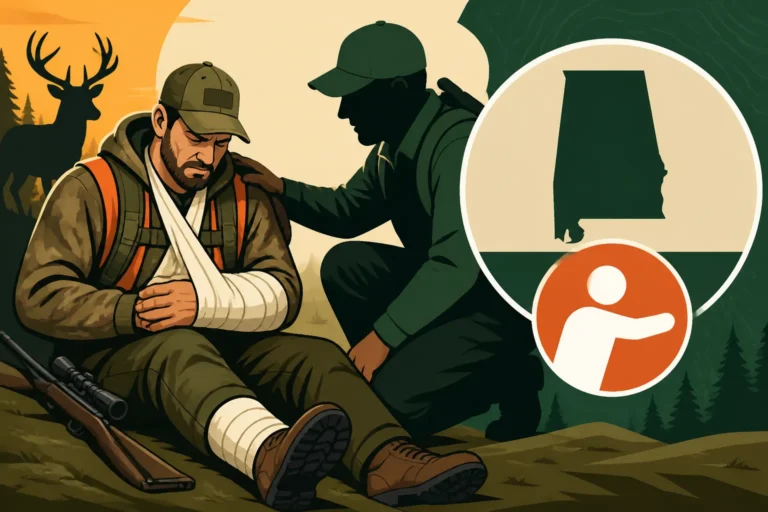
Think about it: you're engaging in an activity that, while incredibly rewarding, inherently carries risks. Accidents happen, even with the most experienced hunters and guides. A slip on a muddy bank, a fall from a ladder stand, an accidental discharge of a firearm, or even just a ride in a utility vehicle on rugged terrain – all these scenarios carry potential for injury. This is precisely why an outfitter's insurance policy isn't just a piece of paper; it's a critical safety net for you, the client.
A reputable Alabama outfitter should carry comprehensive commercial liability insurance. This type of policy is designed to cover bodily injury or property damage that might occur during the course of their operations. Imagine you're climbing into a treestand and a component gives way, causing an injury. Or perhaps while driving to a stand, the guide's vehicle is involved in an accident, leading to medical bills. Without adequate insurance, you could be left to bear the full burden of these unforeseen costs. Furthermore, some policies might offer accidental death and dismemberment coverage for clients, adding another layer of protection. Asking about these specifics is not being overly cautious; it's being responsible. It gives you a clear picture of what recourse, if any, you might have should a mishap occur during your hunt. Understanding the exact terms and limits of their coverage is a vital step in your pre-booking due diligence. We've talked before about Firearm Safety Rules on a Guided Group Hunt, and insurance is the financial counterpart to those physical safety measures.
The Role of Licensing and Permits in Alabama
Beyond insurance, the legal authorization for an outfitter to operate is equally important. When we talk about licensing for outfitters in Alabama, it's a bit different than your personal Alabama Resident Hunting License Options or Alabama Nonresident Hunting License Options. We're talking about the outfitter's business licenses and any special permits they might need to legally conduct their services. These aren't just bureaucratic hurdles; they are mechanisms to ensure accountability, professionalism, and adherence to specific standards.
An outfitter, like any commercial enterprise, should hold appropriate state and local business licenses to operate legally in Alabama. These typically come from the Secretary of State's office or the county/city where their primary business is located. Beyond general business licenses, depending on their specific services, they might also require specialized permits. For instance, if an outfitter plans to guide hunts on public lands like National Forests or Wildlife Management Areas (WMAs), they will almost certainly need special use permits from the managing agency, such as the U.S. Forest Service or the Alabama Department of Conservation and Natural Resources (ADCNR). These permits often come with strict conditions regarding environmental impact, safety protocols, and client numbers. An outfitter who operates without these necessary licenses and permits is not only skirting the law but is also operating outside any formal oversight, potentially exposing clients to unnecessary risks and an unprofessional experience.
Navigating Alabama's Specific Requirements for Outfitters
Alabama, like many states, has a framework that governs commercial activities, and that extends to hunting outfitters. While there might not be one single, overarching "Alabama Outfitter License" that covers every single guide in the same way, there are various state, local, and sometimes federal requirements that collectively ensure legitimate operations. It's about piecing together the puzzle of compliance.
State-Level Business and Guiding Regulations
At the state level, any business operating in Alabama generally needs to be registered with the Secretary of State and potentially obtain specific state tax licenses. For an outfitter, this means they are formally recognized as a legitimate business entity. While Alabama doesn't have a specific state-mandated guide license that every single person who charges for guiding must possess (unlike some other states), the general business regulations still apply. This distinction is crucial. An individual might be an excellent woodsman and guide, but if they're not operating as a legally registered business, they might not be subject to the same standards of accountability or be able to secure commercial insurance.
A reputable outfitter will have no issue providing their state business registration information, demonstrating that they are a legitimate enterprise. This is often the first layer of trust. For example, if an outfitter specializes in Spring Turkey Hunting in Alabama or Bowhunting Alabama's Long Archery Season, they need to ensure their business is registered correctly and all required local permits are in place for the areas they operate. When researching options on platforms like BookYourHunt or GoHunt, always look for mentions of proper licensing or, at the very least, be prepared to ask for it directly. A guide operating without proper state business registration could indicate a fly-by-night operation that you definitely want to avoid.
Local and Federal Permits (if applicable)
The situation becomes a bit more complex when outfitters operate on public lands. Alabama boasts incredible hunting opportunities across its National Forests and extensive WMA system, but these areas come with specific rules for commercial operations. If an outfitter guides hunts in places like Talladega National Forest, William B. Bankhead National Forest, or any of Alabama's various WMAs, they are typically required to obtain special use permits from the managing agency.
For National Forests, the U.S. Forest Service issues permits for commercial activities. These permits are rigorous and ensure that the outfitter adheres to strict environmental guidelines, safety standards, and often limit the number of clients or the specific areas they can utilize. Similarly, the ADCNR might require permits for commercial guiding on certain WMAs. These permits are not just about collecting a fee; they are about managing pressure on game populations, ensuring responsible land use, and maintaining a high standard for commercial activities on public resources. An outfitter illegally guiding on public land without these permits is not only breaking federal or state law but is also putting their clients at risk of legal repercussions, including potential fines or revocation of hunting privileges. Understanding the Alabama WMA Permit Requirement is as important for you as it is for your guide if you plan to hunt those lands. Always confirm with your prospective outfitter if they possess the necessary local or federal permits for the specific public lands where your hunt is planned.
| Permit Type | Issuing Authority | Purpose | Why It Matters to You |
|---|---|---|---|
| State Business Reg. | AL Sec. of State / Revenue | Establishes legal business entity & tax compliance | Confirms legitimate commercial operation, accountability. |
| Local Business Lic. | County/City Clerk | Permits operation within a specific local jurisdiction | Ensures local compliance and proper business conduct. |
| USFS Special Use | US Forest Service | Allows commercial guiding on National Forest lands (e.g., Talladega) | Ensures legal access to public land; adherence to land rules. |
| ADCNR Special Use | AL DCNR | Allows commercial guiding on State Wildlife Management Areas (WMAs) | Confirms legal access to WMA, adherence to specific WMA rules. |
| Commercial Guide | (Specific to some states) | Certifies individual guide competence and adherence to standards | Currently not a universal AL requirement for all guides. |
What to Ask Your Potential Alabama Hunting Guide
You've done your initial research, looked at reviews, maybe even browsed profiles on platforms like BookYourHunt or GoHunt. Now it's time to get specific. Don't be shy about asking direct questions regarding insurance and licensing. A reputable outfitter will appreciate your diligence, as it shows you're a serious client who values safety and professionalism.
Direct Questions About Insurance Coverage
This is where you need to get down to brass tacks. It's not enough to just ask "Are you insured?" You need details. Here are some precise questions you should pose to any potential Alabama hunting outfitter:
- "Do you carry commercial general liability insurance, and what is your coverage limit?" This question establishes if they have the right type of insurance for their business operations and how much financial protection it offers. A reputable outfitter will have a policy specifically designed for guiding services, not just personal homeowner's insurance.
- "Can you provide me with a copy of your Certificate of Insurance (COI)?" This is the gold standard. A COI directly from their insurance provider lists their coverage, policy limits, and the effective dates. It's tangible proof, not just a verbal assurance. If they hesitate or refuse, that's a significant red flag.
- "Does your policy specifically cover clients for accidental injury or death during the hunt?" Some liability policies might only cover third-party property damage. You need to know if you, as a client, are covered if something goes wrong. Understanding this clarifies the extent of your protection.
- "What is the procedure for reporting an incident or filing a claim if an accident were to occur?" While you hope it never happens, knowing the process upfront shows the outfitter is prepared and transparent. Their answer can give you insight into their professionalism and their commitment to client care.
Remember, you are paying for a service, and part of that service should include the peace of mind that comes with proper insurance. Don't book until you're satisfied with their answers and, ideally, have seen proof of their coverage. We've compiled more general advice on Questions to Ask Before Booking an Alabama Hunt, and these insurance questions are right at the top of the list.
Verifying Licensing and Operational Credentials
Just like with insurance, you need to dig deeper than a simple "yes" when asking about licenses. Outfitters operate in a regulated environment, and you have every right to confirm their compliance.
- "What is your state business registration number, and which county or city issued your local business license?" This allows you to verify their legitimacy with the Alabama Secretary of State's office or the relevant county/city clerk's office. You can usually do a quick online search to confirm the business is active and in good standing.
- "If you operate on public lands (National Forests, WMAs), can you provide copies of your special use permits from the U.S. Forest Service or ADCNR?" This is crucial for hunts planned on public ground. These permits often have expiration dates, so make sure they are current for your planned hunting dates. If they claim to hunt public land, and cannot produce these, walk away.
- "Who is the lead guide, and do they have any specific certifications or first aid training?" While not always a licensing requirement, knowing your guide has basic first aid or even wilderness first aid certification is a huge bonus for your safety. It speaks to a higher level of professionalism and preparedness.
A truly professional and legitimate Alabama outfitter will be upfront and transparent with this information. They understand that their reputation and your safety are paramount. Many hunters use resources like GoHunt or BookYourHunt to browse guides, but even then, a direct conversation about their current licenses and insurance is non-negotiable. Be wary of any outfitter who makes excuses, provides vague answers, or attempts to divert your questions. Your due diligence protects you.
Common Pitfalls and Red Flags to Watch For
In the excitement of planning a hunt, it's easy to overlook warning signs. However, being aware of common red flags can save you a lot of grief, disappointment, and even potential danger. Trust your gut feeling if something seems off.
Unwillingness to Provide Documentation
This is perhaps the biggest and most immediate red flag you can encounter. When you ask for proof of insurance or copies of licenses and permits, a legitimate outfitter will typically be happy to provide them, or at least explain where they can be verified. They understand that transparency builds trust and that you, as a client, have a right to this information.
An outfitter who becomes defensive, gives vague answers, claims the documents are "private," or tries to change the subject should immediately raise your suspicions. They might say, "Oh, we're fully covered, don't worry about it," or "My insurance agent handles all that, I don't have the papers here." These are evasive tactics. In today's digital age, obtaining a Certificate of Insurance from their agent and sending a quick photo or PDF of a business license is a matter of minutes. An unwillingness to do so often signals that they either don't have the required documentation, their coverage is insufficient, or their licenses are not current. Any outfitter who operates without proper documentation is taking a huge risk, and by extension, putting you at risk as well. This is a crucial element in avoiding Red Flags When Booking in Alabama. Trustworthy outfitters are proud of their professionalism and will readily demonstrate it.
Deals That Seem Too Good to Be True
Everyone loves a bargain, especially when it comes to booking a hunting trip that can sometimes be a significant investment. However, if an Alabama guided hunt seems significantly cheaper than comparable operations, it's time to put on your detective hat. While competitive pricing is normal, an exceptionally low price often comes at a cost somewhere else – and that cost might be in areas like safety, professionalism, or legal compliance.
Outfitters have overheads: land leases, equipment maintenance, salaries for guides and staff, marketing, and yes, insurance and licensing fees. These costs are reflected in their pricing. An outfitter who undercuts the market dramatically might be doing so by skipping essential protections. They might not be carrying adequate liability insurance, they might be using unlicensed or unqualified guides, or they might be operating on public or private land without the necessary permits, avoiding those associated costs. This could lead to a less safe experience, or even put you in a legally precarious situation if the hunt is deemed illegal. For instance, if a guide offers a suspiciously cheap hunt for Wild Turkeys in Alabama and avoids mentioning their permits for the specific land, it's worth probing deeper. Investing in a quality, legitimate outfitter is an investment in your safety, your success, and your overall hunting experience.
The Benefits of a Licensed and Insured Outfitter
Choosing an outfitter who has taken the time and expense to properly license and insure their operation isn't just about avoiding problems; it's about actively enhancing your hunting experience and supporting ethical, sustainable practices within the hunting community.
Enhanced Safety and Accountability
When you book with an outfitter who is properly insured, you're not just getting a legal safety net; you're often engaging with an operation that prioritizes safety in all its forms. Insurance companies require certain safety standards to be met, and an outfitter who maintains their policy is generally one that adheres to these standards. This can translate to well-maintained equipment, properly inspected treestands, experienced and trained guides, and adherence to established safety protocols. Your guide will likely be more diligent about Entry Routes Through Standing Peanuts or ensuring proper shooting lanes because their business depends on a spotless safety record.
Furthermore, licensing adds a layer of accountability. Knowing that an outfitter is registered with state or local authorities means there's a formal body that oversees their general business conduct. If you have a legitimate complaint about their business practices (beyond just not seeing game), there's a channel for recourse. This accountability fosters a more professional environment and pushes outfitters to maintain high standards for their clients. It's a reassurance that they aren't just here today and gone tomorrow; they have a vested interest in their long-term reputation and compliance.
Legal Compliance and Ethical Hunting Practices
A properly licensed outfitter is not only operating within the bounds of the law but is also typically a strong advocate for ethical hunting practices and wildlife conservation. They understand the regulations of Alabama Deer Season Structure Explained or Alabama Spring Turkey Zones and Dates inside and out. They know the bag limits, the legal shooting hours, and the specific rules for the land they hunt. This is crucial because, as a client, you are also responsible for adhering to all hunting laws. Hunting with an unlicensed outfitter who disregards rules could inadvertently implicate you in illegal activities, leading to severe penalties, including fines, license suspension, or even imprisonment. Nobody wants to face Alabama Wildlife Violation Penalties because of a guide's negligence.
Moreover, licensed outfitters often contribute to the local economy and conservation efforts through taxes and permit fees. By choosing them, you're supporting legitimate businesses that are part of the broader conservation framework. They tend to manage their properties or leased lands with sustainability in mind, ensuring healthy game populations for the future. They understand the importance of Alabama Deer Reporting Rules and Alabama Turkey Checking Requirements, and ensure those critical steps are followed for every harvested animal. This commitment to compliance and ethics elevates the entire hunting experience and protects the integrity of the sport.
Protecting Your Investment and Experience
Finally, booking with a licensed and insured outfitter protects your financial investment and ensures you get the experience you've paid for. A written contract, common with legitimate outfitters, will outline what is included in your hunt package, cancellation policies, and payment schedules. This clarity prevents misunderstandings and provides a basis for dispute resolution if necessary. You can confidently plan your trip, knowing that unforeseen circumstances are accounted for, and your booking is secure.
If a guide suddenly has to cancel due to an unexpected issue on their end, a legitimate operation will typically have clear policies for refunds or rescheduling. In contrast, an uninsured, unlicensed "guide" might simply disappear with your deposit, leaving you with no recourse. Platforms like BookYourHunt often have vetting processes or review systems that can provide an initial layer of trust, but always verify directly. Your hunt is often a once-a-year or even once-in-a-lifetime adventure; protecting that investment by choosing a reputable outfitter is simply smart planning. This due diligence ensures that your focus can remain on the thrill of the hunt, not on worrying about the legitimacy of your guide.
Disclaimer
This article is for general informational purposes only and does not constitute professional advice. Laws, prices and regulations vary by location and change over time. Consult a qualified professional for guidance on your specific situation.