Trophy Buck Guides in the Black Belt
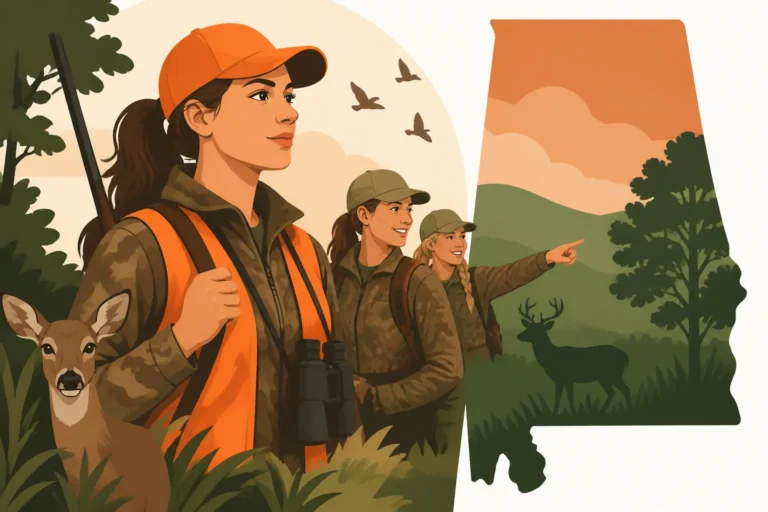
The dream of heading into Alabama's storied Black Belt and coming face-to-face with a truly magnificent, mature whitetail buck is one shared by countless hunters. But the reality is, finding and harvesting such a deer, especially one that fits the "trophy" bill, is incredibly challenging. It often requires access to prime, well-managed private land, local expertise, and significant scouting. This guide will walk you through what it means to hunt with trophy buck guides in the Black Belt, what to expect, and how to choose the right outfitter to make your dream a realistic pursuit.
The Lure of the Black Belt for Trophy Whitetails
There's a reason the Black Belt region of Alabama holds such a revered status among deer hunters. It's not just a catchy name; it's a geographical and ecological phenomenon that historically, and often still today, produces some of the state's largest-bodied and biggest-antlered deer.
Why the Black Belt is Legendary
The Black Belt's reputation isn't built on folklore alone. This crescent-shaped band of fertile, dark-colored soil stretching across central Alabama is a direct result of ancient marine deposits, creating a rich, calcareous soil base. This unique soil composition translates directly into superior nutrition for wildlife, particularly deer. The plants that grow in this rich soil, from native browse to agricultural crops, are packed with essential minerals and protein that fuel incredible antler growth and overall deer health.
Think about it: just like a healthy diet helps us grow strong, the abundant, nutrient-dense forage in the Black Belt allows deer to reach their full genetic potential. For generations, this region has been known for deer that simply grow bigger. When you combine this natural advantage with careful management, you create a recipe for truly impressive whitetails. Why the Black Belt Grows Big Bucks is a testament to this unique environment. Hunters from all over the country dream of hunting here because the odds of encountering a heavy-racked, mature buck are simply higher than in many other parts of the state or even the Southeast.
The Reality of Hunting Big Bucks There
While the Black Belt's potential for trophy bucks is undeniable, the reality of consistently finding and harvesting them can be a different story for the average hunter. This region is predominantly private land, often tightly held by large landowners, timber companies, or established hunting clubs. Gaining access to these prime properties can be incredibly difficult, often requiring long-standing relationships or significant financial investment in leases.
Even on well-regarded properties, mature bucks are elusive. They are masters of survival, often nocturnal, and incredibly sensitive to hunting pressure. A property might have great genetics and nutrition, but if it's over-hunted or not managed for age structure, those big bucks simply won't reach their potential or become vulnerable during daylight hours. This is where the true value of a reputable guide comes into play. They specialize in overcoming these challenges by securing exclusive access to meticulously managed land where deer are allowed to mature and thrive, and where hunting pressure is carefully controlled. It’s about more than just the deer; it’s about the entire ecosystem being managed with trophy production in mind, making your chances significantly better.
What Trophy Buck Guides in the Black Belt Offer
Engaging a trophy buck guide in Alabama's Black Belt isn't just about hiring someone to take you into the woods; it's about investing in a comprehensive service designed to maximize your chances of success on a truly exceptional deer. They provide solutions to many of the challenges independent hunters face.
Access to Managed Private Land
The biggest hurdle for most hunters looking for a Black Belt trophy is access to quality land. This region is a patchwork of private holdings, and the best deer hunting is almost exclusively found on properties that are actively managed for whitetail health and antler quality. Reputable guides and outfitters spend considerable time and resources securing exclusive hunting rights on thousands of acres of prime Black Belt habitat.
These aren't just any properties; they are often carefully selected parcels with a proven history of producing mature bucks. Guides work year-round, not just during hunting season, to enhance these properties. This includes planting diverse food plots with high-protein forage, implementing timber management strategies that create optimal bedding and browse, and strictly managing deer harvest through selective culling and maintaining balanced buck-to-doe ratios. By hunting with a guide, you're not just stepping onto a piece of land; you're stepping into a meticulously crafted environment where every effort has been made to grow and hold mature bucks. This kind of access and management is nearly impossible for most individual hunters to replicate.
Expertise in Local Deer Behavior and Habitat
A guide's knowledge goes far beyond just where to hang a stand. Black Belt guides live and breathe deer hunting in their specific areas. They have spent countless hours scouting, observing deer movement patterns, and tracking seasonal changes. They understand how the local terrain, whether it's vast agricultural fields, dense creek bottoms, or mixed pine and hardwood forests, influences where bucks will travel, feed, and bed. They know the subtle nuances of the rut in their particular corner of the Black Belt, which can vary widely even within zones. Hunting the Rut in the Southern Zones can be a highly specific endeavor, and a guide often has real-time data from trail cameras and previous seasons to predict peak activity.
A good guide can read the wind and thermals, identify fresh sign, and place you in a stand or blind with the highest probability of encountering a mature buck based on current conditions. They've learned the historical travel corridors, the hidden feeding areas, and the sanctuaries where big bucks escape pressure. This deep, localized knowledge is invaluable, transforming a random sit into a strategic placement. They can explain why a buck might choose to travel a particular funnel or why a specific food source is hot at a certain time of year, helping you understand the hunt as it unfolds.
Equipment and Logistics Support
Beyond access and knowledge, guides provide essential equipment and logistical support that makes your hunt seamless and stress-free. Imagine arriving at camp after a long drive, only to find your stand already hung in a pre-scouted location, optimized for the current wind direction. That's the luxury a guide offers. They typically provide high-quality treestands or comfortable ground blinds, often strategically placed before your arrival. Transportation to and from your hunting location, whether by ATV, truck, or even boat in some swampier areas, is usually part of the service.
Perhaps one of the most critical logistical benefits is game recovery. When you finally connect with that trophy buck, the guide's job isn't over. They will assist with tracking, field dressing, and retrieving your deer, even if it runs into thick cover or across challenging terrain. Tracking a Deer Through Alabama Pine Straw can be a daunting task, and having an experienced hand makes all the difference. Many outfitters also have facilities for initial processing, cold storage, and can help arrange taxidermy services or transport to a local processor. This support allows you to focus solely on the hunt itself, rather than worrying about the practicalities of a successful harvest.
Types of Trophy Buck Hunts Available
When you're looking to book a trophy buck hunt in Alabama's Black Belt, you'll find a range of options designed to cater to different preferences, budgets, and desired levels of immersion. Understanding these various packages is key to choosing the right experience for you.
All-Inclusive Lodge Experiences
The quintessential Black Belt trophy hunt often comes in the form of an all-inclusive lodge experience. These are designed to be truly immersive and hassle-free, allowing you to focus entirely on the hunt and the camaraderie. Typically, these packages include comfortable lodging, often in a dedicated hunting lodge or guesthouse on the property, complete with private rooms and common areas. Home-cooked meals – often delicious, hearty Southern fare – are usually provided, ensuring you're well-fed and ready for long days in the woods.
Beyond the creature comforts, the core of these packages is the fully guided aspect. You'll typically have a dedicated guide (or one guide per a small group) who will take you to and from your stands, advise you on shot placement, assist with game recovery, and often even help with field dressing. The stands themselves, whether ladder stands, lock-ons, or spacious box blinds, are usually pre-set in prime locations based on recent scouting and deer movement. These hunts often run for multiple days, allowing you several opportunities to encounter a mature buck. They're perfect for hunters who want a high-end experience where every detail, from the logistics to the dining, is taken care of. What an Alabama Deer Hunt Package Includes details more about what you can expect from these premium offerings.
Day Hunts and Semi-Guided Options
For hunters who might be on a tighter budget, prefer more independence, or simply don't need the full lodge experience, day hunts and semi-guided options are excellent alternatives. A day hunt typically means you pay for a single day (or perhaps a two-day minimum) of hunting access to a managed property. The guide might show you a few pre-scouted spots, provide general advice, and outline property boundaries, but you're largely responsible for your own transportation to the stand, packing your own lunch, and often, tracking and recovering your deer (though assistance might be available for an extra fee).
Semi-guided hunts fall somewhere in between fully guided and unguided. An outfitter might assign you a specific area of the property, show you several stand options, and provide a map. They might check in with you periodically but won't be with you every step of the way. This type of hunt appeals to experienced hunters who enjoy the challenge of figuring things out for themselves but still want the advantage of hunting on highly managed, private land. You'll still benefit from the outfitter's year-round habitat work and age-structure management, but with more autonomy during the actual hunt.
Specialty Hunts (Archery, Muzzleloader)
Beyond the standard gun hunts, many Black Belt outfitters also offer specialty hunts tailored to specific weapon types or seasons. Archery hunts, for example, typically take place during Alabama's extended archery season, which offers a unique challenge and a different kind of connection to the deer. Bowhunting Alabama's Long Archery Season can stretch into February, providing ample opportunity. These hunts often involve sitting closer to bedding areas or food plots, requiring more stealth and patience. Guides for archery hunts are usually adept at setting up tight ambush points.
Muzzleloader hunts are another popular specialty, offering a bridge between archery and modern firearm seasons. The limited range and single-shot nature of muzzleloaders add a traditional element to the hunt, appealing to those seeking a nostalgic experience. Guides specializing in these seasons will understand the particular challenges and opportunities each method presents. For instance, during the muzzleloader season, deer patterns might be transitioning, and a guide's knowledge of changing food sources can be crucial. These specialty hunts often provide a less pressured hunting environment, as fewer hunters may participate, which can increase the chances of encountering a mature, less wary buck.
Choosing the Right Black Belt Guide for Your Dream Buck
Selecting a trophy buck guide in Alabama's Black Belt is a significant decision, potentially involving a substantial investment of time and money. It's crucial to do your homework to ensure you find an outfitter who aligns with your expectations and provides a legitimate, ethical hunting experience.
Researching and Vetting Outfitters
The first step in finding the right guide is thorough research. Start by searching online for "Alabama Black Belt trophy deer guides" or "Black Belt whitetail outfitters." You'll find numerous operations, from small family-run businesses to larger, more established lodges. Don't just click the first few links; dig deep. Look for outfitters with professional websites, clear descriptions of their services, and an active presence on social media that showcases their property and past hunts.
Once you have a shortlist, the real vetting begins. This is where platforms like BookYourHunt can be incredibly helpful, as they often aggregate information and reviews for various outfitters, giving you a starting point for comparison. Pay close attention to client testimonials and reviews. Are they recent? Do they mention specific guides or aspects of the hunt? Look for consistent themes – positive or negative. Don't hesitate to ask outfitters for references from past clients, particularly those who hunted for a trophy buck. Call these references and ask detailed questions about their experience: Was the guide knowledgeable? Was the property well-managed? Were the facilities as described? Did they feel their expectations were managed realistically? Vetting an Alabama Outfitter Before You Book provides an in-depth look at this critical process.
Understanding Hunt Packages and What's Included
Every outfitter's hunt package is unique, and a clear understanding of what's included (and what's not) is paramount to avoiding surprises. Trophy buck hunts, especially those in the Black Belt, can represent a significant investment, so knowing every detail beforehand is crucial. Don't assume anything. Is lodging part of the deal, and if so, what kind of accommodations? Are meals provided, and how many per day? What about transportation to and from the stands?
Beyond these basics, inquire about less obvious inclusions. Does the price cover field dressing and caping the animal? What about cold storage for your venison? Are there any hidden fees for things like additional game recovery efforts or taxidermy arrangements? Are state hunting licenses and deer tags included, or are those an additional cost you'll need to secure separately? It’s also wise to clarify the guide-to-hunter ratio. A lower ratio often means more personalized attention. Below is a table that helps compare typical inclusions:
| Feature | All-Inclusive Lodge Hunt | Semi-Guided Hunt | Day Hunt |
|---|---|---|---|
| Lodging | Usually included, often private rooms | Not typically included, guide can suggest local | Not included |
| Meals | Included (breakfast, lunch, dinner) | Not typically included | Not included |
| Guide Presence | Fully guided (guide with hunter/small group) | Guide sets you up, then you hunt independently | Guide shows you access points, general advice |
| Stand/Blind | Provided, pre-set, optimized | Provided, you might pick from options | You might bring your own or use basic setups |
| Transportation to Stand | Included | Often on your own or limited drops | On your own |
| Game Recovery | Included, full assistance | Often included, but may have limits/extra fees | Typically your responsibility |
| Field Dressing/Caping | Included | Often included, or guide assists | Usually your responsibility |
| Cold Storage | Usually available | Sometimes available | Unlikely |
| License/Tags | Never included, must purchase separately | Never included, must purchase separately | Never included, must purchase separately |
| Trophy Care (taxidermy) | Guide can arrange, often extra cost | Guide can suggest, extra cost | Your responsibility |
| Duration | Multiple days (e.g., 3-5 days) | 1-3 days | 1 day |
| Focus | Immersive experience, high service | More independence, benefit of managed land | Access to private land for a single outing |
Asking the Right Questions About Trophy Potential
When you're specifically pursuing a trophy buck, your questions need to be precise and realistic. "Do you have big bucks?" is too vague. Instead, ask about their management philosophy. Do they have a minimum antler score or age requirement for bucks harvested? This indicates a commitment to letting deer mature. Inquire about their typical harvest statistics over the past few seasons for bucks in the 130-inch, 140-inch, or even 150-inch range. A reputable outfitter should be transparent and proud to share this information.
Ask to see recent harvest photos, not just pictures from a decade ago. Are the bucks in the photos consistently mature, or do they show a mix of younger animals? A good outfitter will often share trail camera photos from their properties, giving you a real-time glimpse into the caliber of deer present. Inquire about the buck-to-doe ratio they maintain, as a balanced ratio can lead to more consistent rutting activity. Understand that a "trophy" can be subjective. For some, it's about antler score; for others, it's about the age of the animal. Be clear with your guide about what a "trophy" means to you, and ask them candidly what a realistic expectation is for your hunt. No guide can guarantee a specific score, but they should be able to provide a fair assessment of your chances based on their property and management practices.
Managing Expectations and Maximizing Your Hunt
Hunting for a trophy buck, especially in a storied place like Alabama's Black Belt, is an experience filled with anticipation. To truly enjoy it and maximize your chances of success, it’s vital to temper your expectations with realism and prepare both mentally and physically.
Realistic Goals for a Trophy Hunt
The allure of a massive Black Belt buck is powerful, but it's essential to approach any trophy hunt with realistic expectations. Wildlife is inherently unpredictable. Even on the most managed properties with stellar genetics, big, mature bucks are masters of evasion. Weather changes, sudden pressure, or simply a shift in their patterns can make them vanish. A "trophy" is also highly subjective. For one hunter, it might be an exceptional 10-point scoring 140 inches. For another, it's any mature 8-point that weighs 200 pounds. Be honest with yourself and your guide about what constitutes a successful hunt for you.
Don't let the singular pursuit of a specific antler score overshadow the entire experience. The thrill of the chase, the beauty of the Black Belt landscape, the camaraderie with your guide and fellow hunters, and the challenge of outsmarting a wary animal are all integral parts of a successful hunt, regardless of the final outcome. Focus on enjoying the process, learning from your guide, and appreciating the privilege of being afield. If you go into the hunt expecting to shoot a world-class animal on day one, you're setting yourself up for potential disappointment. Instead, embrace the journey, and celebrate any mature animal you are fortunate enough to harvest.
Preparing for Your Black Belt Adventure
Physical and mental preparation can significantly impact your hunting experience and success. While Black Belt hunting might not always involve grueling mountain climbs, it can still require a good level of physical fitness. You might need to walk long distances to stands, navigate thick briar patches, or help drag a heavy deer out of a creek bottom. Being in decent shape will make the entire experience more enjoyable and less fatiguing.
Beyond physical conditioning, practice your shooting. Know your rifle, shotgun, or bow intimately. Practice from various positions, especially those you might encounter in a stand or blind. A guided hunt is not the time to be unfamiliar with your equipment or uncertain about your shot placement. Consider using a resource like GoHunt for pre-trip planning, especially for understanding topography and general habitat features if you're venturing into a semi-guided scenario. Ensure your gear is in top condition – scent-free clothing, comfortable boots, and reliable optics are essential. Also, review Alabama's hunting regulations well in advance, including season dates and bag limits for deer in the Alabama Deer Season Structure Explained and specifically for your hunt's zone, which might be in Alabama's Five Deer Zones.
Communicating with Your Guide
Effective communication is the cornerstone of a successful guided hunt. Before your trip, make sure you've clarified all aspects of the hunt package, your expectations, and any physical limitations you might have. Once you arrive, build rapport with your guide. They are your eyes and ears on the ground, and their local knowledge is your greatest asset.
During the hunt, listen intently to your guide's advice. They'll tell you where to expect deer, when to be most vigilant, and how to approach your stand. If you have questions or concerns, voice them respectfully. If you pass on a smaller buck, explain why. If you see something unusual, point it out. Remember, you're a team working towards a common goal. Open and honest communication will help your guide understand your preferences and react to changing conditions, ultimately enhancing your chances and ensuring a more enjoyable and productive hunt for both of you.
Ethical Considerations and Alabama Regulations
Hunting in Alabama, especially for highly sought-after trophy bucks in the Black Belt, comes with important ethical responsibilities and a clear set of regulations. Understanding and adhering to these rules is not just about legality; it’s about preserving the resource and upholding the integrity of the sport.
Understanding Alabama's Deer Seasons and Limits
Before you even step foot in the woods, it's absolutely critical to be intimately familiar with Alabama's deer season dates, zone structure, and bag limits. Alabama is divided into five deer zones, each with its own specific season dates for archery, muzzleloader, and gun hunting. While the Black Belt is primarily encompassed within the central and southern zones, it's important to verify the exact zone for your specific hunting location. Alabama Deer Season Structure Explained provides a comprehensive overview.
The state also has clear bag limits: typically, three antlered bucks per hunter per season, with at least one having four points or more on one antler (unless hunting in Barbour County where an exception applies). Additionally, antlerless deer limits vary by zone and may have specific open periods. It’s your responsibility, even when hunting with a guide, to know these rules. Your guide will certainly be knowledgeable, but ultimately, the hunter is accountable. Make sure you understand the mandatory deer reporting rules through the Game Check system; every harvested deer must be reported. Alabama Hunting Licenses and What They Cost is another critical resource to ensure you have all the necessary permits before your hunt begins.
Fair Chase and Responsible Hunting Practices
Ethical hunting is at the heart of our tradition. This means adhering to the principles of fair chase – pursuing wild animals in a manner that respects their natural instincts and capabilities. Hunting a trophy buck in the Black Belt should involve genuine effort, skill, and the element of chance, even with a guide. It's about letting the animal be wild.
Responsible hunting also includes practicing proper shot placement to ensure a quick, humane harvest. If you take a shot, commit to thorough game recovery. A good guide will be invaluable here, but every hunter should be prepared to track their animal diligently. Tracking a Deer Through Alabama Pine Straw can be challenging, but it's an ethical imperative. If a deer is hit, every effort must be made to recover it. This also extends to how you represent your hunt; honesty about the circumstances of the harvest is crucial to maintaining the public's perception and respect for hunting.
CWD and Carcass Movement
While Alabama's Black Belt region is not currently within the state's Chronic Wasting Disease (CWD) Management Zone, it is vital for all hunters to be aware of CWD and its implications. CWD is a fatal neurological disease affecting deer and other cervids. Alabama has had confirmed cases of CWD in the northwest part of the state, leading to the establishment of the Alabama's Chronic Wasting Disease Management Zone.
Even if you're hunting hundreds of miles away in the Black Belt, you should understand the restrictions on carcass movement, especially if you plan to travel through or near the CWD zone after your hunt. Generally, only certain parts of a harvested deer (deboned meat, clean skull plate, antlers, hides, finished taxidermy products) can be transported out of the CWD Management Zone. While these rules might not directly impact your Black Belt hunt, being knowledgeable about CWD management efforts across the state is part of being a responsible hunter and helps prevent the potential spread of this serious disease. Always check the latest regulations from the Alabama Department of Conservation and Natural Resources (ADCNR) before your hunt, as rules can change.
Disclaimer
This article is for general informational purposes only and does not constitute professional advice. Laws, prices and regulations vary by location and change over time. Consult a qualified professional for guidance on your specific situation.