What’s Included in a Duck Lodge Stay
Oh, the dream of a duck lodge stay in Alabama! It sounds like pure bliss, doesn't it? Waking up, stepping out the door, and being right there in prime waterfowl territory. But let's be honest, for many of us, the idea of booking a "duck lodge package" can feel a little mysterious. What exactly are you paying for? Are there hidden costs? What's the experience really like beyond the glossy photos? This guide aims to pull back the curtain on what's typically included in an Alabama duck lodge stay, so you can plan your next waterfowl adventure with confidence and no unpleasant surprises.
Understanding the Core Package: What's Always Included
When you commit to a duck lodge experience in Alabama, you're generally buying into an all-encompassing package designed to handle the heavy lifting of your hunt. This isn't just a place to sleep; it's a curated experience from dawn till dusk, focused entirely on putting you under birds.
Guided Hunts and Expert Calling
The cornerstone of any good duck lodge stay is the guided hunt itself. You're not just being dropped off at a blind with a map and a prayer. Instead, you're paired with experienced local guides who know the water, the birds, and the daily patterns like the back of their hand. These are often folks who've grown up hunting the very same sloughs, flooded timber, or delta fields you'll be in.
They'll typically take care of transporting you to and from the blind or boat, often well before legal shooting light. This means navigating the murky waters of the Mobile-Tensaw Delta or the vast expanse of the Tennessee River under headlamps, ensuring you're set up and ready before the first flights begin. Crucially, your guides will handle the calling. Forget trying to master that five-note hen mallard call in your living room; these pros can talk to ducks, coaxing wary birds into range with authentic and strategic calling sequences. They'll also manage the decoy spreads, adapting them based on wind, weather, and bird behavior. This expertise is invaluable, especially when hunting species like mallards, gadwalls, or wood ducks, which can be particularly sensitive to pressure. You might be hunting the famed flooded timber where every creak of a branch can give you away, or a layout blind in a cut cornfield, and having a guide who understands those subtle nuances is key to success.
Meals and Accommodations
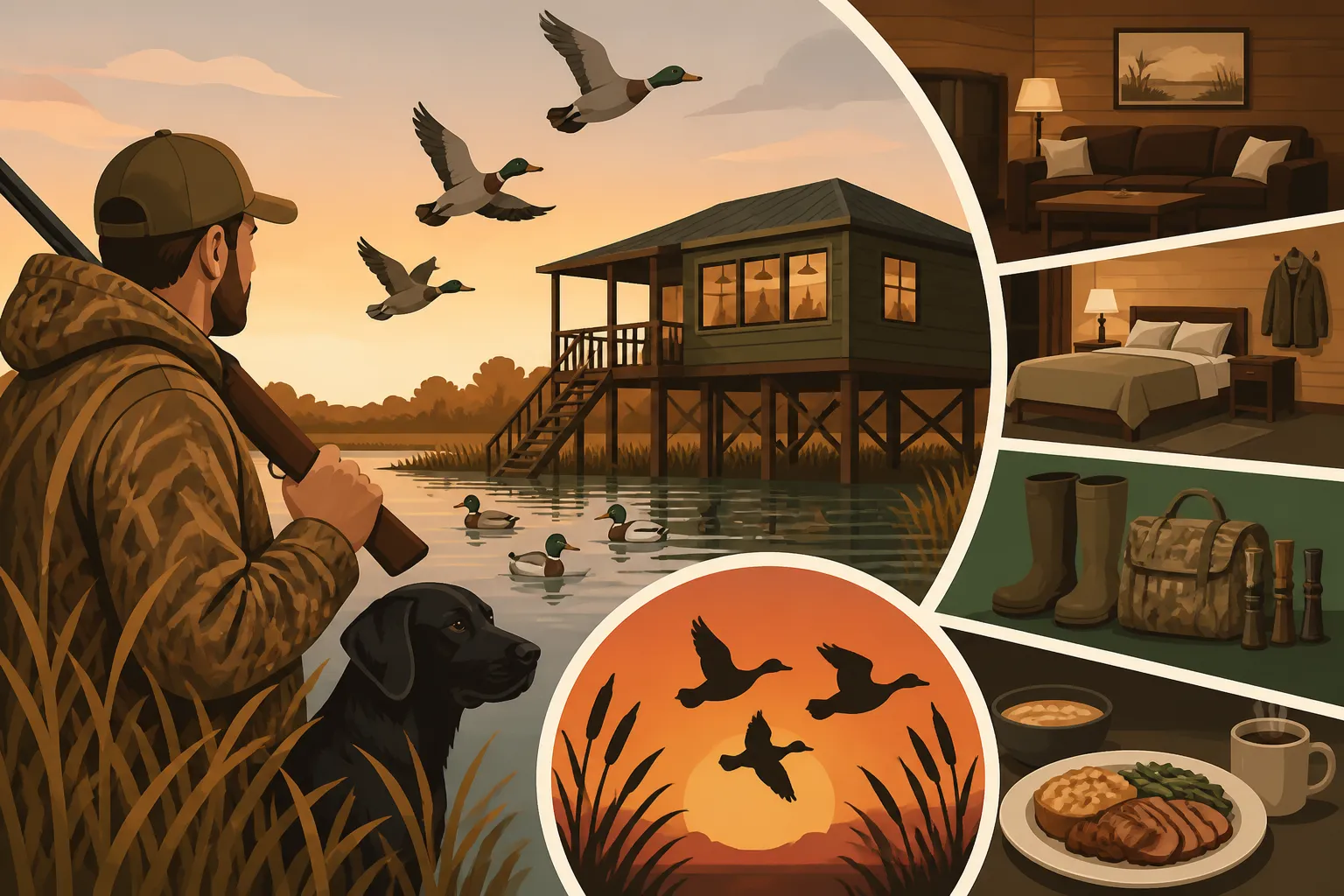
Another significant part of the duck lodge appeal is the comfort and camaraderie it provides. After a cold, early morning in the blind, nobody wants to come back to a cold sandwich and an empty house. Lodges typically offer comfortable, often rustic, accommodations that range from shared bunk rooms to private suites, depending on the operation and price point. Think cozy cabins, a roaring fireplace, and a common area where stories are swapped.
But where a lodge truly shines is the food. Expect hearty, home-cooked meals that fuel you for the demanding days. This often starts with a quick breakfast before the morning hunt, followed by a substantial brunch or lunch after you return from the field. Dinners are usually the highlight, with generous portions of Southern comfort food – maybe some fried catfish, barbecue, or even wild game from previous hunts – served in a communal dining setting. It's a chance to relax, recap the day's action, and build friendships with your fellow hunters and guides. The focus is on comfort and hospitality, making sure you're well-fed and rested for the next day's adventure.
Retriever Services and Bird Handling
Any serious duck hunter knows the value of a good retriever. Trying to chase down a downed bird in thick cover or deep water without a dog is a recipe for lost game and frustration. Duck lodges almost universally provide trained retrievers as part of your guided hunt. These aren't just pets; they're highly skilled athletes, usually Labrador Retrievers, who live to find and retrieve birds.
Your guide's dog will be an integral part of the experience, patiently waiting in the blind and bursting into action at the guide's command. Witnessing a well-trained dog work the water or timber is a magnificent experience in itself. After the birds are retrieved, the guides also take on the responsibility of handling them. This typically involves collecting the birds, ensuring they are properly tagged (if required by regulations), and preparing them for transport back to the lodge. They'll count them, organize them, and ensure everything is ready for the next step, which might be cleaning or storage. This takes a lot of the logistical burden off the hunter, allowing you to focus on the shooting and the overall experience.
Beyond the Basics: Common Add-Ons and Exclusions
While the core package covers most of your hunting needs, it's vital to understand what's usually not included or what might incur an additional cost. Thinking ahead about these details can save you from unexpected expenses and ensure a smooth trip.
Licenses, Stamps, and Permits
This is perhaps the most common item that hunters assume is included but almost never is. Every hunter, resident or nonresident, needs a valid Alabama hunting license, a state duck stamp, and a federal duck stamp. You'll also need to register with the Harvest Information Program (HIP) for migratory bird hunting. These aren't just suggestions; they are legal requirements, and you must have them before you set foot in the blind.
The lodge will expect you to arrive with all your paperwork in order. They won't typically sell these at the lodge itself, though they can certainly point you to the nearest online portal or vendor. It's crucial to purchase these well in advance of your trip to avoid any last-minute scramble or, worse, being unable to hunt. Imagine flying all the way to Alabama only to realize you can't legally participate because you forgot a stamp! You can usually purchase all the necessary documents online through the Outdoor Alabama website. Make sure you understand the specific requirements for Alabama Duck Stamp Requirement and Alabama Federal Duck Stamp Requirement. Also, be aware of the specific Alabama Waterfowl Zones and Seasons as they can vary slightly.
Gear, Ammunition, and Waders
While lodges provide the hunting experience, they generally expect you to bring your personal hunting gear. This includes your shotgun, ammunition, camouflage clothing appropriate for the Alabama weather (which can swing wildly from warm to freezing, even in the same week), and comfortable, waterproof waders.
Some lodges might have a limited supply of loaner shotguns or waders available for rent, but it's not a guarantee and quality can vary. Ammunition is almost universally not included. You'll need to bring your own supply of non-toxic shot (steel, bismuth, or tungsten-iron) in the appropriate gauge and shot size. Discuss with your outfitter beforehand if they recommend a specific shot size or load. Often, they have relationships with local sporting goods stores, but it’s best to show up prepared. Think about what you need for a comfortable day in a marsh or flooded timber: gloves, hand warmers, waterproof jackets, and maybe even a small dry bag for your personal items.
Game Processing and Taxidermy
After a successful hunt, you'll have birds to take home. Most lodges will offer basic bird cleaning services, which usually involves breasting out the birds and perhaps packaging them in plastic bags. This is often included in the package, or at least available for a small additional fee per bird. Some might even offer freezing facilities for your birds until you depart.
However, if you're hoping for full-body mounts or European mounts for a trophy bird, that's typically an extra service. The lodge can usually connect you with local taxidermists they work with regularly. You'll be responsible for the cost of the taxidermy, as well as any special handling, freezing, or shipping arrangements needed to get your trophy to the taxidermist or back home with you. Make sure to communicate your intentions for any trophy birds to your guide as soon as possible, so they can ensure the bird is handled correctly from the moment it hits the water. Understanding these logistics is crucial, especially if you're traveling a long distance with your harvest.
Logistical Considerations for Your Alabama Duck Lodge Stay
Beyond what's in the field and on your plate, there are several practical aspects to consider when booking an Alabama duck lodge. These details can impact your budget, your planning, and the overall enjoyment of your trip.
Booking, Deposits, and Cancellation Policies
Booking a duck lodge isn't like reserving a hotel room; it requires a bit more foresight. Most lodges operate on a limited number of spots, especially during prime hunting dates when Alabama Waterfowl Migration Timing is at its peak. It's common to book months, or even a year, in advance, particularly for desirable dates or popular locations like those offering Flooded Timber Duck Lodge Packages or hunts in the Tennessee River Valley.
Expect to pay a significant deposit upfront to secure your dates. This deposit is usually non-refundable or only partially refundable, depending on the lodge's specific policy. Always, always, always read the cancellation policy carefully before you put down any money. Life happens, and understanding what happens if you need to reschedule or cancel is crucial. Some online platforms like BookYourHunt or GoHunt can help you compare different lodges and their policies, but a direct call to the outfitter is always recommended to clarify any doubts. Don't be shy about asking questions about payment schedules, final payment deadlines, and what happens in unforeseen circumstances like severe weather, which can definitely impact Weather Contingency Policies for Duck Guides.
Tipping Etiquette and Guide Appreciation
This is another area where new hunters often feel a little lost. Tipping your guides and the lodge staff is customary and expected in the hunting industry, and it's a vital part of their income. These folks work incredibly hard, often long hours in challenging conditions, to ensure you have a successful and enjoyable trip.
While there's no hard and fast rule, a good guideline for tipping your hunting guide is typically 15-20% of the total hunt cost. If there are additional staff, like cooks or lodge attendants, a separate tip for them is also a thoughtful gesture. Present your tip directly to your guide at the end of the hunt, ideally in cash, and express your appreciation verbally. It's a small gesture that goes a long way in showing gratitude for their hard work and dedication. For more specific advice, you can look into resources like How Much to Tip a Duck Guide and Retriever Handler.
Group Size and Lodge Atmosphere
Duck lodges vary greatly in size and the number of hunters they can accommodate. Some are intimate operations that host only a handful of hunters at a time, offering a more personalized and quiet experience. Others are larger facilities that can host multiple groups simultaneously, leading to a more bustling and social atmosphere.
Consider what kind of experience you're looking for. Are you traveling with a large group of friends and want to take over an entire lodge, or are you a solo hunter looking to join a mixed group and meet new people? The group size can impact how much one-on-one time you get with your guide, the dynamics in the blind, and the overall vibe at the lodge. Before booking, ask about their typical group sizes and whether you'll be hunting with other parties. If you're looking into Tennessee River Duck Guide Day Rates, for example, inquire if that's a private guide for your party or if you'll be joining others. Understanding the expected social dynamic can help ensure your lodge stay perfectly matches your preferences.
Making the Most of Your Duck Lodge Experience in Alabama
A duck lodge stay in Alabama is an investment in an unforgettable experience. To truly maximize your time and ensure you have the best possible hunt, a little proactive effort on your part can make a huge difference.
Pre-Trip Communication and Preparation
The success of your trip often starts long before you ever arrive at the lodge. Don't underestimate the power of good communication with your outfitter. Call them up, ask questions, and share your expectations. Are you a seasoned duck hunter looking for high-volume shooting, or a newer hunter hoping to learn the ropes? Do you have any dietary restrictions? What's the recommended gear list, especially for clothing given Alabama's unpredictable winter weather?
Confirming details like meeting times, travel directions, and what the typical hunting schedule looks like can help you arrive feeling prepared and confident. This is also a good time to double-check bag limits and season dates for Alabama Duck Daily Bag Limit to make sure your expectations align with local regulations. Being prepared also means physically preparing. Duck hunting often involves early mornings, cold weather, and sometimes trudging through mud or water. Being in reasonable physical condition can make the experience far more enjoyable.
Respecting the Rules and Your Fellow Hunters
A duck lodge is a shared environment, both in the field and back at camp. It's paramount to respect the rules set by the lodge and your guides, which are in place for safety, ethics, and to ensure everyone has a fair chance at success. This includes following all state and federal hunting regulations, adhering to shooting hours, and exercising good judgment in the blind.
Beyond the legalities, demonstrate good sportsmanship. Share opportunities, be patient, and contribute positively to the group dynamic. If you're a strong caller, resist the urge to over-call your guide's efforts. If you're new, don't be afraid to ask questions. Remember that your guide's priority is to put everyone on birds safely and ethically. A positive attitude, even on slow days, contributes greatly to the overall enjoyment for everyone involved. The best memories are often made not just from limits of birds, but from the camaraderie forged in those chilly mornings.
Post-Hunt Logistics and Memories
Once the hunting is done and you're preparing to depart, there are a few final logistical pieces to consider. As mentioned, most lodges will assist with basic bird cleaning. If you're taking your birds home, ensure they are properly packaged and frozen for travel. Remember, any birds you take out of the state will need to meet specific transportation requirements.
Beyond the practicalities, take some time to reflect on the experience. Alabama offers some incredible waterfowl hunting, whether you're Hunting the Tennessee River Delta for Waterfowl or tucked away in a remote flooded timber hole. Take photos (respectfully, after the hunt and away from sensitive locations), jot down notes in a journal, or simply enjoy the stories shared around the lodge fire. These memories, alongside any birds you bring home, are the true trophies of an Alabama duck lodge stay. Consider leaving a review for the lodge or guide online, which helps future hunters looking for a similar experience, perhaps through platforms like BookYourHunt or GoHunt.
| Feature | Typically Included | Typically Excluded | Potential Add-On/Rental |
|---|---|---|---|
| Guided Hunts & Scouting | Yes | ||
| Expert Calling | Yes | ||
| Access to Private/Managed Land | Yes | ||
| Transportation to/from Blind | Yes | ||
| Retriever Services | Yes | ||
| Meals (Breakfast, Lunch, Dinner) | Yes | ||
| Lodge Accommodation | Yes | ||
| Bird Cleaning (basic breasting) | Sometimes | Yes (for full processing) | |
| Hunting Licenses | No | Yes | |
| State/Federal Duck Stamps | No | Yes | |
| Ammunition | No | Yes | |
| Shotgun | No | Yes | Yes |
| Waders/Outerwear | No | Yes | Yes |
| Alcoholic Beverages | No | Yes | |
| Taxidermy Services | No | Yes | Yes (arranged by lodge) |
| Special Dietary Requests | Yes (communicate in advance) | ||
| Guide/Staff Gratuities | No | Yes | |
| Travel to/from Lodge | No | Yes |
Disclaimer
This article is for general informational purposes only and does not constitute professional advice. Laws, prices and regulations vary by location and change over time. Consult a qualified professional for guidance on your specific situation.