Comparing Two Alabama Outfitter Quotes
So, you've decided to splurge on a guided hunt here in Alabama, or maybe you're just exploring the idea of a truly special outdoor experience. That's fantastic! But then the quotes start rolling in, and suddenly, what seemed like a straightforward decision becomes a tangle of numbers, inclusions, and exclusions. It's frustrating when you're looking at two different packages, both promising an incredible time, but presented in ways that make a true apples-to-apples comparison feel nearly impossible. This guide is all about helping you dissect those quotes, understand the fine print, and confidently choose the Alabama outfitter that's the perfect fit for your budget and your hunting dreams.
The Initial Sticker Shock: Why Alabama Outfitter Quotes Seem Complicated
It's a common scenario: you reach out to a couple of different outfitters, excited about the prospect of chasing a Black Belt buck or calling in a spring gobbler, and their initial quotes land in your inbox. One might be a neat, all-inclusive figure, while another is a more granular breakdown. Immediately, your mind starts racing, trying to figure out if the higher number truly means more value or just more fluff. This initial confusion is totally normal, and it often comes down to how different businesses structure their pricing and what they consider "standard" inclusions.
Breaking Down the Base Price: What's Really Included?
The most important thing when you're looking at that headline number is to understand what it actually covers. Some outfitters offer what feels like an all-inclusive experience, where meals, lodging, guide services, and even initial field dressing are rolled into one neat package. Others might quote a "day rate" for guiding alone, expecting you to arrange your own accommodation, food, and other logistics. There's no right or wrong way for them to do this, but knowing what you're seeing is crucial for a fair comparison. For instance, a quote that seems low might only include the guide's time and access to land, leaving you to shell out extra for a hotel and all your meals. Conversely, a higher quote might be a comprehensive package that covers everything from the moment you arrive until you depart, taking all the planning burden off your shoulders. Think about what truly matters to you – is it the convenience of a full-service lodge, or are you happy to be more self-sufficient to save some dollars? Knowing your priorities will help you weigh those initial figures.
If you're looking at a multi-day deer hunt, for example, one outfitter might advertise a three-day hunt for a certain price. Does that include three full days of hunting, or does the arrival day count as day one, with only a partial hunt? Does it cover lodging for two nights or three? These details can significantly impact the actual hunting time you get for your money. Always clarify the exact duration of hunting time and the number of nights included in any quoted package.
Hidden Costs and Unexpected Fees: What to Watch For
Beyond the base price, there are often additional costs that can quickly add up and blow your budget if you're not prepared. These aren't necessarily "hidden" in a deceptive way, but they're often not explicitly stated in the initial top-line quote. Common examples include state hunting licenses and permits, which you'll almost always be responsible for purchasing yourself. Then there's the expectation of tipping your guide, which is a significant part of their income and a standard practice in the industry. The cost of meat processing, taxidermy, or even shipping your harvested game home can also be substantial.
When you're comparing quotes, specifically ask each outfitter for a comprehensive list of everything that is not included in their quoted price. This might seem like an obvious question, but it’s amazing how many hunters overlook it until they’re handed an invoice at the end of their trip that’s much higher than anticipated. Think about costs like transportation to and from the lodge, alcoholic beverages, souvenirs, and even ammunition. Some operations might have an on-site pro shop where you can buy forgotten items, but these will naturally add to your overall expense. Don't forget to inquire about potential trophy fees if you're chasing a specific class of animal, as these can add hundreds or even thousands of dollars to a hunt. Understanding these variables upfront can help you budget accurately and avoid any unpleasant surprises down the road. You can find more details on general expenses when researching What a Guided Alabama Deer Hunt Costs.
Beyond the Price Tag: Evaluating What You Get for Your Dollar
It's tempting to simply pick the cheapest option, or conversely, assume the most expensive is automatically the best. But a truly wise hunter knows that value isn't just about the dollar amount; it's about the entire experience you receive for that investment. This means looking past the numbers to assess the quality of the guiding, the land, the accommodations, and the overall atmosphere.
Guide Experience and Land Access: The Intangibles
One of the primary reasons to book a guided hunt is to leverage the outfitter's local knowledge and prime hunting ground. An experienced guide, particularly one who has been working in the same area for years, brings an invaluable understanding of game movement, bedding areas, food sources, and how weather patterns influence animal behavior. They know where the big bucks are likely to be, what creek bottoms the turkeys prefer to roost in, or which fields the ducks are working. It's not just about them showing you to a stand; it's about their ability to adapt, scout, and put you in the best position for success. Asking about a guide's specific experience with the game you're after in that particular region is a smart move.
Equally important is the quality and type of land the outfitter has access to. Is it large, privately owned property with careful wildlife management plans in place? Or are they operating on smaller, fragmented leases that might see more pressure? The size of the hunting area, the habitat diversity, and the management practices directly impact the quality of your hunt. A massive, well-managed tract often means less hunting pressure and a higher likelihood of encountering mature game. Don't be afraid to ask about the specific properties they hunt, how many hunters they take at a time, and what kind of success rates they've historically seen on those lands. Sometimes, an outfitter with less "bells and whistles" but exceptional land and experienced guides can offer a far superior hunting experience than a fancy lodge on mediocre ground. For specific considerations, think about if you're considering Booking an Alabama Opening Weekend, when pressure might be higher.
Lodge Amenities and Overall Experience: Comfort Matters
While the hunt itself is the main event, the time spent off the stand or out of the duck blind contributes significantly to the overall enjoyment of your trip. Consider the type of lodging offered: Is it a rustic bunkhouse, a comfortable lodge with private rooms, or something in between? For some, a simple cabin is perfectly fine, while others prefer more creature comforts, especially after a long day in the field. What about the meals? Are they home-cooked, hearty Southern fare, or are you expected to fend for yourself? The quality of the food and dining experience can make a big difference in your satisfaction.
Beyond just the basics, think about the atmosphere of the camp. Are you looking for a quiet, intimate experience, or do you thrive in a bustling camp with camaraderie and storytelling? Some outfitters cater to corporate groups, while others focus on small, private parties. Clarify the typical group size and the general vibe to ensure it aligns with your preferences. If you're bringing family or non-hunting guests, inquire about amenities for them as well. Some lodges offer activities like fishing ponds, shooting ranges, or even nearby tourist attractions. Knowing these details helps you visualize the entire trip, not just the moments you're pulling the trigger. Lodge Accommodation and Meals can vary widely, so clarity here is key.
The Art of Comparison: Side-by-Side Analysis of Quotes
Now that you understand the different layers within an outfitter quote, it's time to put on your detective hat and start the direct comparison. This isn't about intuition; it's about systematic analysis to ensure you're making an informed decision.
Creating a Detailed Comparison Checklist
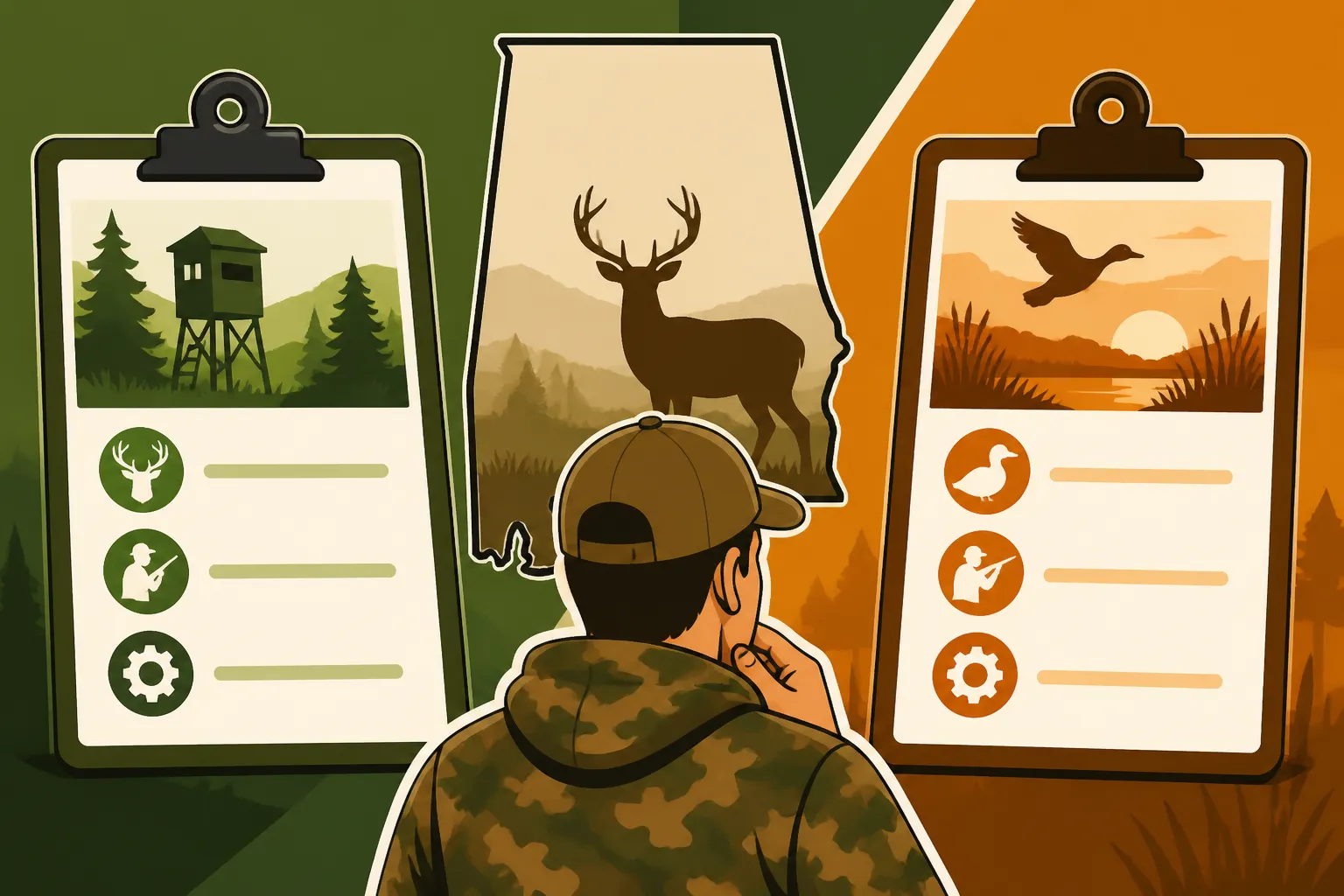
The best way to truly compare two or more outfitter quotes is to create a simple, side-by-side checklist. Don't just hold the papers next to each other and eyeball them. Take the time to write down each line item and note what's included and what's not. This structured approach forces you to confront the differences clearly.
Here’s an example of what your checklist might look like:
| Feature/Cost Item | Outfitter A Quote | Outfitter B Quote | Your Notes & Questions |
|---|---|---|---|
| Base Price | $Amount A | $Amount B | What does this cover exactly? Days hunting, nights lodging? |
| Hunting Days | 3 | 3 | Are these full days? What are the hours? |
| Nights Lodging | 2 | 3 | Private room, shared? |
| Meals Included | All | Breakfast/Dinner | Are drinks included? Lunch provided in the field? |
| Guide Service | 1:1 | 1:2 | Dedicated guide? |
| Game Harvest Limit | 1 buck, 1 doe | 1 buck, 2 does | Any trophy fees for larger bucks? |
| Field Dressing | Yes | No | |
| Caping/Quartering | Extra | Yes | |
| Licenses | Not Incl. | Not Incl. | Estimated cost for resident/nonresident? |
| Tips | Not Incl. | Not Incl. | Recommended percentage/flat fee? |
| Meat Processing | Not Incl. | Not Incl. | Any local processors they recommend? |
| Taxidermy | Not Incl. | Not Incl. | |
| Transportation (Lodge/Field) | Yes | Yes | Airport pickup available? |
| ATV/Vehicle Use | Yes | Limited | Any restrictions? |
| Range Access | Yes | No | |
| Deposit Required | 50% | 30% | Refund policy? |
| Cancellation Policy | 60 days | 90 days |
By filling out a table like this, you can quickly see where one outfitter might offer more in certain areas, even if their initial price is higher. It helps you quantify the "extra value" or identify potential hidden costs that make a cheaper quote less appealing. This is especially helpful if you're trying to weigh options like a What a Black Belt Quail Day Hunt Costs versus a multi-day package.
Asking the Right Follow-Up Questions
Once you have your comparison checklist, you'll inevitably have more questions. Don't be shy about contacting both outfitters with a detailed list of inquiries. This communication is not just about getting answers; it also gives you a feel for their responsiveness, professionalism, and willingness to clarify details. How quickly do they reply? Are their answers thorough and helpful, or do they seem rushed and vague? This interaction can tell you a lot about what to expect once you've booked.
Some key questions to ask include:
- "Can you provide a precise breakdown of what's included in the 'all-inclusive' aspect of your quote?"
- "What are the typical costs for items not included, such as licenses, processing, and recommended guide tips?"
- "What is your client-to-guide ratio during the hunt?"
- "Can you describe the average size of your hunting groups?"
- "What happens if I harvest my animal early? Is there a partial refund or other activities available?"
- "What is your policy on wounded but unrecovered game?"
- "Do you have a physical contract I can review before making a deposit?"
Remember, a good outfitter wants you to feel comfortable and confident in your booking. They should be happy to answer all your questions. If an outfitter seems evasive or annoyed by your questions, that's a significant red flag. This process of asking detailed questions is essential for understanding the true value proposition of each offer. You can find more comprehensive advice in articles like Questions to Ask Before Booking an Alabama Hunt.
Making the Final Decision: Trusting Your Gut and Your Research
After all the number crunching and detailed questions, it's time to bring everything together. The final decision isn't just about the cheapest price or the most inclusions; it's about finding the best overall fit for you.
Leveraging Reviews and References
In today's digital age, information is readily available, but you need to know how to sift through it. Online reviews on platforms like BookYourHunt or forums on GoHunt can be incredibly valuable. Look for consistent themes in positive and negative reviews. Are people praising the guide's knowledge and the quality of the game, or are they complaining about poor communication and rundown facilities? Pay attention to recent reviews, as outfitters can change over time. Don't let one negative review sway you if dozens are overwhelmingly positive, but if you see a recurring issue, take it seriously.
Beyond online reviews, always ask for references from past clients. A reputable outfitter should be happy to provide contact information for several recent hunters. When you call these references, ask specific questions:
- "Was the hunt as advertised?"
- "Did the outfitter communicate well before, during, and after the hunt?"
- "What was the quality of the lodging and meals?"
- "How knowledgeable and professional was the guide?"
- "Were there any unexpected costs or issues?"
- "Would you book with them again?"
Hearing directly from someone who has experienced the hunt can provide insights that no quote or website description ever could. It's a critical step in Getting References From Past Alabama Clients and building confidence in your choice. You might even want to connect with someone who went on a similar type of hunt, like a Thermal Hog Hunt Package Costs, if that's what you're considering.
The Importance of a Clear Contract
Before you send any deposit, ensure you have a clear, written contract that outlines all the terms and conditions of your hunt. This document should detail what's included, what's not, the exact dates of your hunt, the payment schedule, the deposit amount, and, critically, the cancellation and refund policy. A professional outfitter will have a standard contract, and they should be willing to share it with you for review.
Read every line of that contract carefully. Understand what happens if you need to cancel, or, equally important, what happens if the outfitter needs to cancel or modify the hunt due to unforeseen circumstances like severe weather, natural disasters, or changes in game regulations. What if you don't harvest an animal? Does the contract mention any rebooking options or guarantees? Having everything in writing protects both you and the outfitter. If an outfitter is unwilling to provide a written contract or seems to operate on a handshake agreement, consider that a major red flag. Always get a Getting a Written Quote From an Alabama Outfitter and ensure it translates directly to your contract. Make sure you also understand any liability waivers, particularly if you're traveling a long distance for something like a What a Guided Tennessee River Duck Hunt Costs.
By taking the time to thoroughly compare quotes, ask probing questions, and do your due diligence, you'll be well-equipped to select the Alabama outfitter that not only fits your budget but also delivers the unforgettable hunting experience you're dreaming of.
Disclaimer
This article is for general informational purposes only and does not constitute professional advice. Laws, prices and regulations vary by location and change over time. Consult a qualified professional for guidance on your specific situation.