Booking a Late-Season Duck Hunt in Alabama
The late season for duck hunting in Alabama can be both incredibly rewarding and uniquely frustrating. As the calendar flips towards December and January, many hunters find themselves scratching their heads, wondering why the birds aren't behaving like they did in October or November. This guide is here to help you understand the nuances of booking a successful late-season duck hunt in Alabama, ensuring you know what to look for in an outfitter and how to prepare for a memorable experience.
The Allure and Challenges of Late-Season Duck Hunting in Alabama
There's something magical about late-season duck hunting. The air is crisp, often cold enough to see your breath, and the thought of mallards cupping their wings over a flooded timber hole is enough to get any waterfowler excited. However, this period also brings distinct challenges that make finding success a different game altogether.
Why Ducks Are Different in December and January
By the time late season rolls around, the ducks that have been in Alabama since early in the year have seen it all. They've heard countless calls, dodged thousands of pellets, and flown over more decoy spreads than you can count. This makes them incredibly "ducky"—wary, sensitive to pressure, and quick to spot anything out of place. They've migrated thousands of miles, escaping pressure further north, and often settle into the most secluded, hard-to-reach pockets of habitat where they feel safe. This shift means that the run-and-gun tactics or easily accessible spots that worked in early season might not cut it anymore. They'll skirt obvious spreads, flare at the slightest movement, and become much harder to decoy. This elevated caution is precisely why experienced guides, with their deep knowledge of local patterns and access to low-pressure areas, become invaluable.
Prime Late-Season Habitats: Where the Birds Go
As the season matures, so do the ducks' preferences for habitat. Early in the year, birds might be spread out, feeding in a variety of places. But come late season, they often concentrate in specific areas that offer both abundant food and a strong sense of security. Flooded timber, with its natural cover and rich acorn supply, becomes a magnet for mallards and wood ducks. Large impoundments, remote sloughs, and vast river delta systems like the Mobile-Tensaw can hold huge numbers of birds, especially if they are undisturbed. These areas are often difficult to access without specialized equipment, local knowledge, or private land permission. A guide will typically have scouted these locations extensively, knowing exactly which fields of waste grain are hot, which flooded timber pockets are holding birds, or which secluded river bends offer the best shooting. They understand that Hunting Flooded Timber for Mallards requires a different approach than a dry-field hunt.
Navigating Alabama's Variable Winter Weather
Alabama winters are famously unpredictable. One day you might be hunting in a light jacket with temperatures in the 50s, and the next day a bitter cold front could drop temperatures into the teens, bringing a new push of birds from the north. This variability profoundly impacts duck movement. A strong cold snap can concentrate birds into smaller, ice-free areas, making for incredible hunting. Conversely, extended mild weather can keep birds widely dispersed, making them harder to pin down. Good late-season duck guides are constantly monitoring these weather patterns, understanding how wind direction, temperature drops, and even rain can influence where ducks will be feeding and resting. They might have multiple spots—some designed for north winds, others for south, some for deep cold, and some for milder days—allowing them to adapt on the fly and put you where the birds want to be.
Finding Your Ideal Alabama Duck Hunting Outfitter
With the unique challenges of late-season hunting, choosing the right outfitter can make all the difference between a memorable trip and a frustrating one. You want someone who knows the ins and outs of Alabama's specific duck hunting landscape.
Online Resources and Platforms for Vetting Guides
The internet has made finding outfitters easier than ever, but it also means wading through a lot of information. Start your search on reputable online hunting platforms. Many hunters begin on sites like BookYourHunt, which aggregates listings from various outfitters, offering a centralized place to compare options, read reviews, and often see available dates. Similarly, dedicated hunting community forums or social media groups focused on Alabama hunting can be great places to get recommendations and hear firsthand experiences. You might find guides advertising services on platforms like GoHunt, which can connect you with local experts who specialize in waterfowl. When you're sifting through these options, pay close attention to reviews and testimonials, specifically looking for comments about late-season success and the guide's ability to adapt to changing conditions. Don't be afraid to look beyond just the shiny marketing photos; real experiences from past clients are gold.
Crucial Questions to Ask Before You Book
Once you've narrowed down a few potential outfitters, it's time to pick up the phone and ask some detailed questions. Don't just ask about their success rate generally; specifically inquire about their success during the late season. What are their typical late-season hunting areas? Do they primarily hunt public land, private land, or a mix of both? Understanding their access helps you gauge potential pressure. Ask about group sizes—will you be hunting with just your party, or will others be in the blind? What type of blind do they typically use (layout blinds, boat blinds, permanent blinds)? Inquire about what's included in the price: decoys, calls, retriever, bird processing, meals, lodging? What gear do you need to bring? Most importantly, discuss their cancellation policy, especially regarding weather. Nobody wants to book a hunt only to have it washed out without recourse. This thorough vetting process is key to ensuring you're making an informed decision, as outlined in our guide on Vetting an Alabama Outfitter Before You Book.
Understanding Package Types and Services
Alabama duck hunting outfitters often offer a range of packages, and understanding these can help you choose the best fit for your budget and preferences.
- Day Hunts: These are typically single-day trips, often just for the morning flight. They are great if you're local or have your own lodging. They usually include the guide, decoys, dog, and transportation to the blind.
- Multi-Day Hunts: These packages often include multiple days of hunting, along with lodging and meals. This is a popular option for out-of-state hunters or those looking for a more immersive experience. Lodges can range from rustic cabins to more upscale accommodations.
- All-Inclusive Packages: These go a step further, often including bird cleaning, some meals, and sometimes even transportation from a nearby airport. They aim to take care of nearly everything for you.
- Specialty Hunts: Some outfitters might specialize in certain types of hunts, such as flooded timber hunts for mallards or open-water diver hunts. If you have a specific target species or style of hunting in mind, look for guides who highlight that expertise.
When considering multi-day options, think about what's important to you. Is a cozy lodge with home-cooked meals part of the experience you're looking for, or are you purely focused on the hunting and happy with basic accommodations? What an Alabama duck hunt package includes can vary significantly, so always get a clear breakdown in writing.
| Package Type | Typical Duration | Inclusions (Common) | Ideal For |
|---|---|---|---|
| Day Hunt | 1 day | Guide, decoys, retriever, transport to blind | Local hunters, budget-conscious, combining with other activities |
| Multi-Day Hunt | 2-4 days | Guide, decoys, retriever, transport, lodging, some meals | Out-of-state hunters, immersive experience, group trips |
| All-Inclusive | 2-5 days | Guide, decoys, retriever, transport, premium lodging, all meals, bird cleaning, extras | High-end experience, convenience, hassle-free trip |
Essential Preparations for Your Guided Hunt
Even with the best guide, your personal preparation plays a huge role in your hunting success and enjoyment. Late-season conditions demand specific attention to gear and mindset.
Gear Up: What to Pack for Alabama's Late Season
Alabama's late season can throw a real mixed bag of weather at you, sometimes all in one day. Layering is absolutely crucial. Start with a moisture-wicking base layer to manage sweat, add an insulating mid-layer like fleece or down for warmth, and top it off with a waterproof and windproof outer layer in a good camouflage pattern. Expect to be potentially wet and cold, especially during boat rides to the blind or while wading. Good quality chest waders are non-negotiable, along with waterproof gloves and a warm hat. Don't forget a dependable 12-gauge shotgun, plenty of non-toxic shot shells (steel, bismuth, or tungsten work great) in various sizes (e.g., 2s, 3s, 4s for ducks), and a blind bag stocked with essentials like a thermos of coffee, snacks, extra shells, and a headlamp for those pre-dawn walks. Even if your guide provides calls, bringing your own can be useful for practicing or backup.
Physical and Mental Readiness for the Blind
Late-season duck hunting isn't always glamorous; it can be physically demanding. Expect early mornings, often meeting your guide well before daylight. You might be walking through muddy fields, wading through cold water, or sitting for long periods in a blind exposed to the elements. Being in reasonable physical condition will make the experience much more enjoyable. Mentally, patience is key. The birds are warier, and there might be lulls in the action. A good guide will work hard, but sometimes ducks just don't fly the way you want them to. Be prepared for slow periods, stay positive, and trust your guide's judgment. Enjoy the camaraderie, the sunrise, and the unique environment.
Following Your Guide's Lead: Calls, Decoys, and Etiquette
When hunting with a guide, remember they are the expert on their specific hunting area and the current bird behavior. This means following their lead is paramount. Regarding calling, let your guide do the vast majority of the calling. They know the local birds, their sounds, and when to call and when to be quiet. Overcalling can easily spook wary late-season ducks. Similarly, do not move around in the blind or stick your head out unless instructed. Concealment is vital. Be ready to shoot when the guide gives the command, and always be aware of safe shooting lanes. Your guide might have specific decoy strategies, even if Decoy Timing Under Alabama's Ten-Day Rule isn't specifically about ducks, the principle of careful placement for wary birds applies across species. Trust their judgment on where to look and when to shoot.
What a Guided Late-Season Duck Hunt Entails
A typical guided duck hunt is a carefully choreographed dance designed to put you in the best position for success. Knowing what to expect can help you prepare mentally and get the most out of your trip.
From Pre-Dawn Setup to the Morning Flight
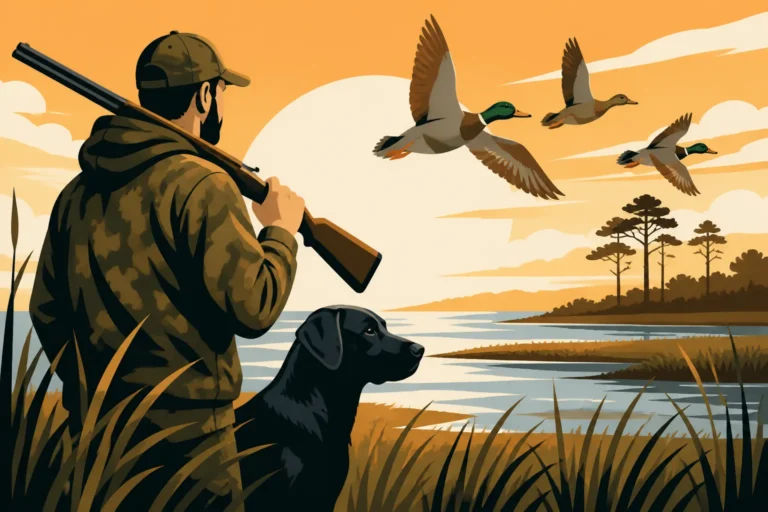
Your day will start early. Expect to meet your guide an hour or two before legal shooting light. This pre-dawn darkness is necessary for traveling to the blind, setting out decoys, and getting everyone concealed before the birds start flying. You might travel by ATV, boat, or even a long walk. Once at the spot, the guide and their retriever will deploy a spread of decoys, often in a specific configuration designed for the current conditions and wind. As legal shooting light approaches, the anticipation builds. The sounds of distant wing beats and duck chatter will slowly replace the quiet of the night. Your guide will be watching, calling, and reading the birds, telling you when to be ready and when to take your shot. The morning flight is often the most active, so be prepared to be alert and focused from the first rays of light.
Adapting to Conditions: The Mark of a Good Guide
A truly excellent late-season duck guide doesn't just put you in a blind and hope for the best. They are constantly evaluating the conditions. Is the wind changing? Are the birds favoring a different area? Is the pressure from other hunters pushing birds into a new spot? A good guide will adapt. This might mean adjusting the decoy spread, changing calling tactics, or even, in some cases, moving to a completely different location if the birds aren't cooperating. They might suggest a different strategy for a second push of birds later in the morning or offer to jump-shoot a beaver pond if the field hunt slows down. Their years of experience and intimate knowledge of the local landscape allow them to make these critical decisions, trying to maximize your opportunities even when the birds are tight-lipped.
Post-Hunt Details: Retrievals, Ethics, and Appreciation
Once the shooting ends, whether it's because you've hit your limit or the birds have simply stopped flying, the work isn't quite over. Your guide will send their retriever to collect any downed birds, ensuring ethical retrieval. It's crucial to always aim for clean kills and avoid wounding birds that cannot be recovered. After the hunt, the guide will gather the decoys and get you back to the meeting point. Many outfitters offer bird cleaning services, either included in the price or for an additional fee. Confirm these details beforehand. This is also the time to show your appreciation for your guide's hard work and expertise. Tipping is customary in the outdoor industry, much like in the service industry. A good guide works incredibly hard, often in challenging conditions, to put you on birds. Our guide on Tipping Guides and Dog Handlers offers more detailed advice on appropriate gratuity.
Disclaimer
This article is for general informational purposes only and does not constitute professional advice. Laws, prices and regulations vary by location and change over time. Consult a qualified professional for guidance on your specific situation.