Flooded Timber Duck Lodge Packages
There's nothing quite like the dream of a flooded timber duck hunt in Alabama. Many hunters envision those misty mornings, the towering oaks reflected in glassy water, and mallards cupping their wings, dropping through the canopy. But the reality of trying to find access, scout birds, set thousands of decoys, and manage all the logistics can quickly turn that dream into a stressful nightmare, especially if you're traveling from afar or don't have private land access. This guide is all about how flooded timber duck lodge packages can transform that vision into a seamless, unforgettable experience, taking the guesswork out of pursuing waterfowl in Alabama's prime habitat.
What Exactly is a Flooded Timber Duck Lodge Package?
Imagine arriving in Alabama, your bags packed, knowing that every detail of your duck hunt – from where you sleep to what you eat, and even who calls the birds – has been meticulously planned for you. That's the essence of a flooded timber duck lodge package. It's designed to provide a comprehensive, stress-free hunting adventure, allowing you to focus purely on the thrill of the hunt and the camaraderie of the camp. Instead of endless hours on public land, fighting crowds and guessing where the birds will be, these packages offer curated access to prime habitat with expert guidance.
More Than Just a Hunt: The All-Inclusive Experience
When you hear "all-inclusive," it typically refers to a bundle of services beyond just showing up with your shotgun. For a flooded timber duck hunt, this usually means comfortable lodging, delicious meals prepared for you, professional guides who know the local birds and land intimately, and often trained retrievers to do the fetching. Some packages even include boat transportation to and from the blind, decoy spreads, and sometimes even specific gear like layout blinds. The beauty of this model is that it eliminates almost all of the logistical headaches that often plague DIY duck hunters.
Think about it: waking up before dawn, the smell of fresh coffee and bacon already wafting from the kitchen. Your waders are dry, your boots are warm, and your guide is already organizing the gear for the morning's adventure. You hop in a Polaris or a boat, lights cutting through the pre-dawn darkness, headed straight to a meticulously scouted honey hole. There's no worrying about securing permission, no agonizing over where to set up, no hauling hundreds of pounds of decoys through mud and water. You simply show up ready to hunt, and the lodge handles the rest. This stark contrast to the often grueling reality of public land hunting is a huge draw for many, especially those who cherish their limited vacation time.
The Appeal of Flooded Timber: A Unique Alabama Habitat
Flooded timber hunting is widely considered one of the most iconic and thrilling forms of duck hunting, and for good reason. It’s an immersive experience that puts you right in the ducks' living room. In Alabama, especially along the state's major river systems like the Tennessee River and the Mobile-Tensaw Delta, you'll find extensive bottomland hardwoods that periodically flood, creating ideal wintering habitat for migrating waterfowl. These areas, typically dominated by various species of oaks, cypress, and tupelo gum, offer ducks vital food sources like acorns and a sense of security from predators.
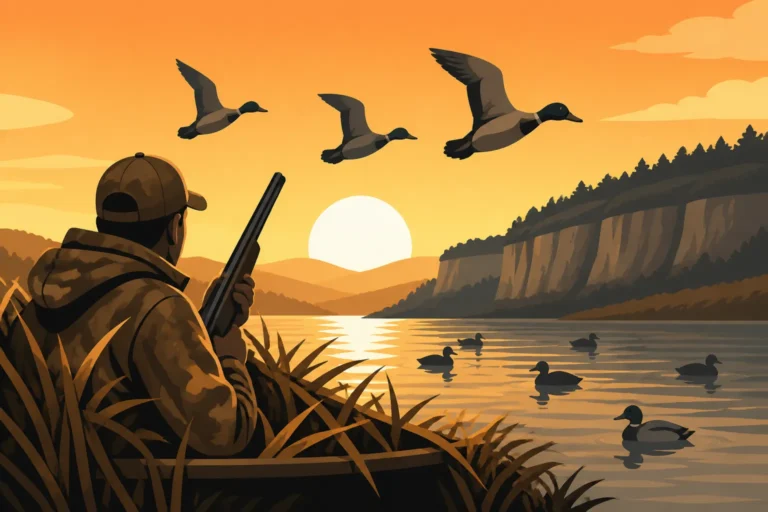
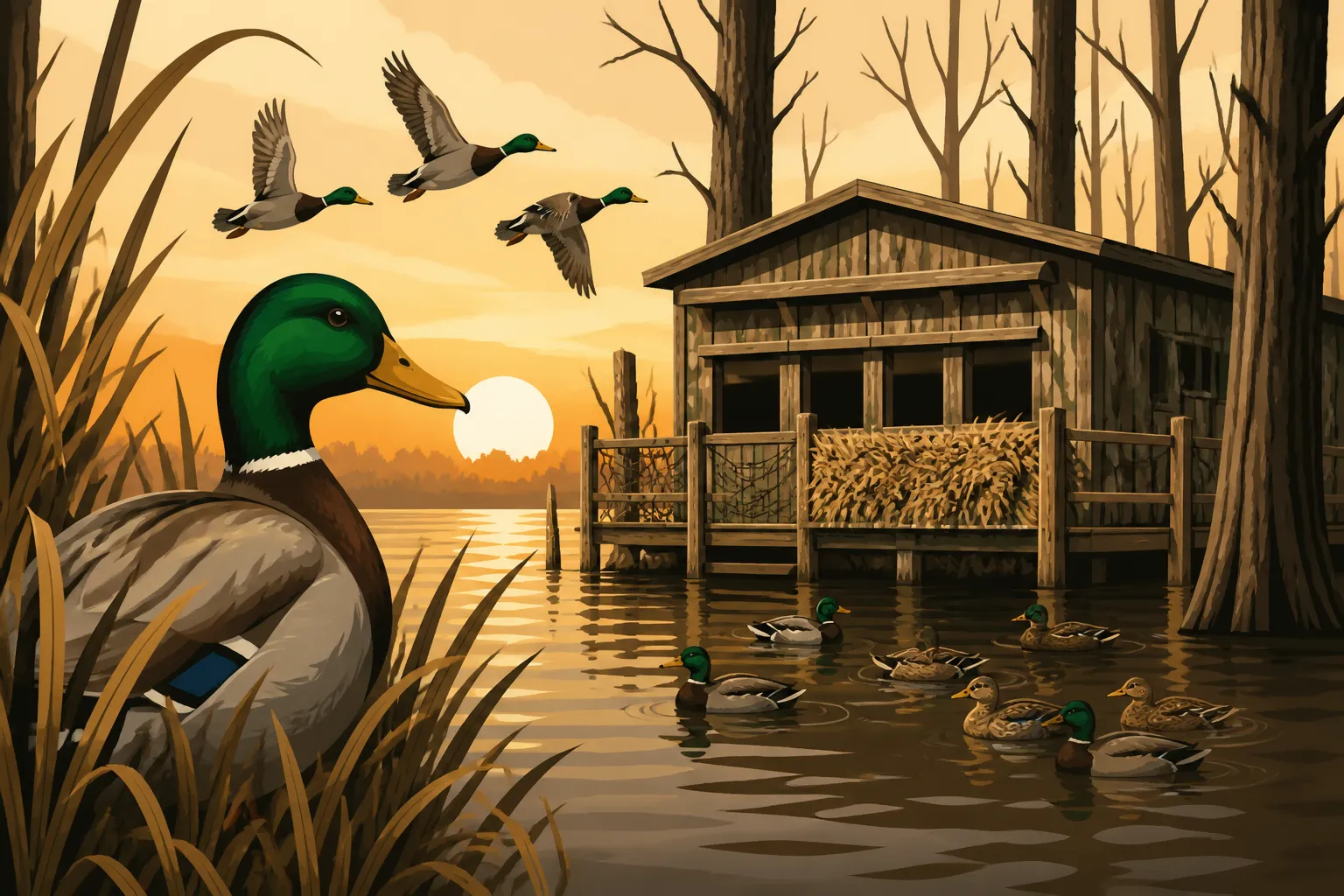
The magic of flooded timber truly comes alive when you're tucked into a blind, surrounded by trees. The quiet of the pre-dawn forest, broken only by the chirps of unseen songbirds or the distant splash of a beaver, gives way to the frenetic rush of ducks pitching down through the branches. Hearing the distinctive whistle-whistle-whistle of wings overhead, then seeing a group of mallards cup up and commit to your decoy spread, weaving through the timber – it's an experience that's hard to replicate anywhere else. The guides at these lodges specialize in understanding these specific habitats and how ducks use them, providing an unparalleled opportunity to experience Hunting Flooded Timber for Mallards in its purest form.
Components of a Typical Flooded Timber Duck Lodge Package
Understanding what goes into a typical flooded timber duck lodge package can help you discern value and find the right fit for your hunting style and budget. These packages are built on a foundation of comfort, expertise, and access, all designed to maximize your chances of success and enjoyment.
Lodging and Amenities: Comfort After the Cold
After a frigid morning in the blind, there’s nothing quite like returning to a warm, comfortable lodge. Most flooded timber duck packages in Alabama include lodging as a core component. This can range from rustic yet cozy bunkhouses, perfect for a group of hunting buddies, to more private rooms or even small cabins, ideal for couples or those seeking a bit more solitude. The standard is generally clean, comfortable, and warm accommodations.
Beyond just a bed, lodges often provide a host of amenities designed specifically for hunters. Expect communal living areas where you can relax, share stories by a fireplace, or watch a game. Boot and wader dryers are a godsend, ensuring your gear is ready for the next morning. Dedicated cleaning stations for your harvested birds are also common, making the post-hunt chores much easier. And let’s not forget the food! A hearty breakfast before dawn, often a packed lunch to take to the blind, and a delicious, filling dinner at the end of the day are hallmarks of a good lodge experience. These meals aren't just sustenance; they're part of the communal experience, fueling both body and spirit.
Guided Hunting Experience: Expertise and Access
The heart of any quality lodge package is the guided hunting experience. This is where your investment truly pays off. Professional guides are not just chauffeurs; they are seasoned waterfowl experts who dedicate countless hours to scouting, observing bird movements, and understanding local weather patterns. They know where the birds want to be and how to convince them to drop into your spread. This level of expertise is virtually impossible for an out-of-town hunter to replicate on their own.
Your guide will typically handle all the intricate details of the hunt: transporting you to the blind (often via boat or ATV through challenging terrain), meticulously setting up a realistic decoy spread, and, crucially, calling the birds. A skilled caller can make all the difference, bringing wary ducks into shooting range. Many lodges also provide highly trained retriever dogs, which add another layer of excitement and efficiency to the hunt. Watching a well-trained lab work tirelessly to retrieve birds from icy water or thick cover is a joy in itself. Some lodges even allow you to bring your own retriever, provided they are well-behaved and can hunt alongside the guide's dog, but always confirm this in advance. From the moment you step out of the lodge until you return, your guide is there to ensure a safe, enjoyable, and successful outing, much like Tennessee River Duck Guide Day Rates for a day trip, but extended over multiple days.
Gear and Equipment: What's Provided, What to Bring
One of the big questions when considering a lodge package is what gear you need to bring and what the outfitter provides. Generally, lodges will supply the "big ticket" items like boats for transport, permanent or portable blinds, and a full spread of decoys. This is a huge relief, as buying, maintaining, and transporting these items can be a significant cost and logistical challenge for individual hunters.
However, certain personal hunting essentials are almost always your responsibility. These typically include your firearm (shotgun, naturally), plenty of ammunition (steel shot is mandatory for waterfowl), appropriate warm and waterproof layering clothing, quality waders, waterproof boots, gloves, a warm hat, and eye/ear protection. Don't forget your valid Alabama hunting license, state duck stamp, federal duck stamp, and HIP certification. Always, always confirm with the specific outfitter exactly what they provide and what you need to bring. A good lodge will provide a detailed packing list, ensuring you're fully prepared for the unpredictable Alabama weather and the rigors of a flooded timber hunt.
The Pros and Cons of Booking a Lodge Package
Deciding whether a flooded timber duck lodge package is right for you involves weighing the significant benefits against a few potential drawbacks. For many, the advantages far outweigh the costs and compromises, leading to truly unforgettable experiences.
The Advantages: Convenience, Success, and Community
The most obvious advantage of a lodge package is the unparalleled convenience. Think about all the time and effort saved: no pre-season scouting trips, no searching for public access, no launching boats in the dark, no struggling with hundreds of decoys in freezing water. Everything is managed for you, from the moment you arrive until you depart. This means more time actually hunting and enjoying the company, and less time wrestling with logistics. For hunters with busy lives, limited vacation time, or who are traveling from out of state, this level of convenience is invaluable. It’s akin to the ease of What's Included in an All-Inclusive Deer Package, but tailored specifically for waterfowl.
Beyond convenience, lodge packages often lead to higher success rates. Outfitters invest heavily in leasing prime private lands or accessing exclusive areas known for consistent bird activity. Their guides are on the birds daily, understanding flight patterns, preferred roosting and feeding areas, and how to adapt to changing weather conditions. This local, real-time knowledge translates directly into more opportunities for hunters. You're simply putting yourself in the best position to encounter birds. Furthermore, the camaraderie found in a hunting lodge is a significant draw. Sharing stories, meals, and laughs with fellow hunters and experienced guides creates lasting memories and friendships. It's an immersive cultural experience as much as it is a hunt, and discovering these top-tier outfits is made easier through platforms like BookYourHunt or GoHunt, which often feature detailed listings and reviews.
The Disadvantages: Cost and Less Control
Of course, this level of convenience, expertise, and access comes with a price tag. Flooded timber duck lodge packages represent a significant financial investment compared to a self-guided public land hunt. The cost covers not only the hunting experience itself but also lodging, food, guide services, and access to private land. While the value is often undeniable, it's crucial to understand that these hunts are a premium experience. Prices can vary widely based on the lodge's reputation, the amenities offered, the length of the trip, and the exclusivity of the hunting grounds.
Another potential disadvantage is a perceived lack of control over certain aspects of the hunt. While you benefit from the guide's expertise, you are also largely deferring to their decisions regarding blind location, decoy setup, and calling strategy. For hunters who prefer to be fully hands-on and make all their own decisions, this might feel restrictive. However, a good guide will typically involve hunters in the process and explain their rationale. Group sizes can also be a factor; some lodges might put several hunters in a single blind, which, while offering camaraderie, might reduce individual shooting opportunities compared to a more intimate setup. It's important to discuss group sizes and expectations with the outfitter before booking to ensure it aligns with your preferences.
Choosing the Right Flooded Timber Duck Lodge in Alabama
Selecting the perfect flooded timber duck lodge in Alabama is a critical step in ensuring your hunting trip meets your expectations. With many options available, a little due diligence can go a long way in finding the right fit for your group and your budget.
Researching Outfitters and Their Reputation
In today's connected world, researching an outfitter's reputation is easier than ever, and it's a step you absolutely shouldn't skip. Start by looking for lodges that specialize in flooded timber hunting specifically, as their expertise will be tailored to that unique environment. Read online reviews on various hunting forums, social media groups, and dedicated hunting travel sites. Pay attention to consistent themes, both positive and negative, regarding guide quality, bird numbers, lodging comfort, and food.
Don't hesitate to ask the outfitter for references from past clients. A reputable lodge will be happy to provide contact information for hunters who have recently experienced their packages. When you speak to references, ask specific questions about their experience: Was the guide knowledgeable? Were the accommodations as advertised? Was the food good? Did they feel safe? Would they book again? You can often find a wide range of outfitters listed on platforms like BookYourHunt or GoHunt, which provide structured information and user reviews, helping you to Vetting an Alabama Outfitter Before You Book. Look for transparency and professionalism in all their communications.
Key Questions to Ask Before Booking
Before you commit to a package, arm yourself with a list of detailed questions. This ensures there are no surprises and that you fully understand what you're paying for. Start with the basics: What is the exact price, and what exactly does it include (e.g., specific meals, licenses, ammunition, bird processing)? Confirm the group size per blind and the guide-to-hunter ratio – this can significantly impact your hunting experience. Are you targeting specific species like mallards and wood ducks, or is it an "anything that flies" approach?
Inquire about the lodge's cancellation policy and any contingencies for bad weather. Duck hunting is highly weather-dependent, and sometimes things don't go as planned. What happens if the birds aren't flying due to unseasonably warm temperatures, or if severe weather makes hunting impossible? Clarify these points upfront to avoid disappointment later. Questions to Ask Before Booking an Alabama Hunt should always include inquiries about harvest success rates (and how they're measured), the physical demands of the hunt, and any specific gear requirements beyond the basics. Furthermore, it's prudent to ask about Weather Contingency Policies for Duck Guides, understanding that while guides do their best, nature always has the final say.
Location, Location, Location: Prime Alabama Flooded Timber Regions
Alabama boasts several fantastic regions for waterfowl, and knowing where these flooded timber opportunities are concentrated can help narrow your search for the right lodge. The Tennessee River Valley in North Alabama is a prime example, with its extensive network of backwaters, sloughs, and agricultural fields. This region attracts a diverse array of waterfowl, and many lodges are situated to capitalize on the birds that winter along this major flyway. The sheer volume of water and associated timber makes it a consistent hotspot.
Further south, the Mobile-Tensaw River Delta offers another incredible flooded timber experience. This massive delta complex, often referred to as Alabama's Amazon, is a labyrinth of rivers, bayous, and swamps where ducks find abundant food and cover. Lodges operating in this area provide access to unique hunting scenarios, often involving boat blinds deep within the swampy timber. While lodges themselves won't operate within federal refuges, their proximity to areas like Wheeler National Wildlife Refuge or Eufaula National Wildlife Refuge indicates good overall bird populations in the region. Understanding Hunting the Tennessee River Delta for Waterfowl and the broader Alabama Waterfowl Zones and Seasons can help you orient yourself and select a lodge located in a historically productive area.
What to Expect During Your Flooded Timber Hunt
Once you've booked your flooded timber duck lodge package, knowing what to expect can help you prepare mentally and physically for the adventure ahead. The rhythm of a guided duck hunt is unique, blending anticipation, skill, and the primal joy of the outdoors.
The Morning Routine: From Lodge to Blind
Your days at a flooded timber duck lodge will typically begin well before dawn. Expect an early wake-up call, often around 4:00 or 4:30 AM. This early start is crucial to get to the blind, set up, and be ready before legal shooting light. You'll likely gather in the lodge's dining area for a quick but hearty breakfast – coffee, eggs, bacon, biscuits – designed to fuel you for the cold morning ahead. This is also when you'll make sure all your gear is in order: waders on, jacket zipped, shells in your pockets, and shotgun ready.
After breakfast, you’ll meet your guide and load into the designated mode of transport. This could be a specialized shallow-water boat, an ATV, or even a short walk, depending on the blind's location and the water levels. The journey to the blind, often in pitch blackness under a sky full of stars, is part of the experience, building anticipation for the hunt. Once at the location, the guide will swiftly get the decoys set just so, ensuring they look natural and enticing. You’ll settle into your blind, get comfortable, and listen intently as the sounds of the timber awaken around you, waiting for the first streaks of dawn to paint the eastern sky.
In the Blind: Calling, Decoys, and Dog Work
Once legal shooting light arrives, the real action begins. Your guide will be the maestro of the blind, watching the sky, listening for distant wing beats, and expertly using a variety of duck calls to entice birds. Their calling strategy will adapt to the behavior of the ducks, the wind conditions, and the time of day. The decoy spread, meticulously positioned before dawn, will work its magic, creating the illusion of a safe haven for passing birds. You, as the hunter, will need to be patient, quiet, and ready.
The thrill of seeing ducks respond to the call, circle the spread, and finally commit to dropping through the timber is an incredible rush. This is when your guide will typically give the command to shoot. Safety is paramount here, and everyone must be aware of their shooting lanes and the location of fellow hunters and the dog. When a duck falls, watching a well-trained retriever spring into action, navigating the water and cover to bring the bird back, adds another layer of excitement. These moments, where human skill, canine instinct, and wild nature intertwine, are what make flooded timber hunting so memorable.
Post-Hunt Activities: Cleaning, Meals, and Relaxation
After the morning hunt concludes, typically around mid-morning, you'll pack up the decoys, load up, and head back to the lodge. The first order of business for many is cleaning the harvested birds. Most lodges provide a dedicated cleaning station, often with hot water and all the necessary tools. This is another opportunity for shared stories and tips among hunters as you prepare your game.
Once the birds are cleaned, it’s time for a well-deserved brunch or lunch back at the lodge. This meal is usually a more relaxed affair, allowing everyone to decompress, recount the morning's highlights, and warm up fully. Depending on the package, some lodges might offer an optional afternoon hunt, perhaps for geese or a different duck species, or simply provide time for relaxation. Many hunters choose to use this time to nap, read, or simply enjoy the comfortable amenities of the lodge, anticipating the hearty dinner to come and the promise of another morning in the timber.
Making the Most of Your Flooded Timber Experience
To truly maximize your flooded timber duck hunting experience, both preparation and mindset play crucial roles. It’s not just about booking the trip; it’s about how you engage with it from start to finish.
Preparing for the Elements: Staying Warm and Dry
Alabama weather, especially during waterfowl season, can be notoriously unpredictable. A morning might start below freezing with a biting wind, only to warm up significantly by mid-morning. The key to enjoying your hunt, regardless of the conditions, is meticulous preparation of your clothing. Layering is non-negotiable. Start with a moisture-wicking base layer, add insulating mid-layers like fleece or down, and top it all off with a waterproof and windproof outer shell. You'll be sitting still for long periods in potentially cold, damp conditions, so staying warm and dry is paramount.
High-quality waders are essential, as you'll likely be wading in water that can be chest-deep in places. Ensure they are well-insulated and leak-free. Don't forget waterproof gloves, a warm hat (you lose most of your body heat through your head!), and a neck gaiter or balaclava. Hand warmers and foot warmers can be game-changers on particularly cold days. A good headlamp with a red light option is also invaluable for navigating in the dark without spooking birds. Think through every possible scenario, from light rain to freezing temperatures, and pack accordingly.
Being a Good Hunting Guest
When you book a guided trip, you're not just a client; you're a guest in someone else's operation and often part of a small, temporary hunting community. Being a good hunting guest contributes significantly to the overall positive experience for everyone involved, including yourself. Respect your guide's expertise and follow their instructions without question, especially regarding safety and shooting commands. They are professionals who are intimately familiar with the hunting grounds and the birds' behavior.
Adhere strictly to all Alabama game laws, bag limits, and ethical hunting practices. Your guide will reinforce these, but it's your responsibility as a hunter to know and follow them. Be considerate of other hunters in your blind or at the lodge; maintain quiet, don't hog shooting opportunities, and be a good sport. Finally, and very importantly, show your appreciation for the hard work of your guide and any lodge staff. Tipping is customary in the guiding industry and is a direct reflection of your satisfaction. A general guideline for How Much to Tip a Duck Guide and Retriever Handler is usually around 15-20% of the hunt's cost, or a set daily amount if preferred, but it's always at your discretion based on service.
Capturing Memories and Preserving Your Harvest
While the primary goal is often to harvest ducks, the memories made on a flooded timber hunt are just as valuable. If photography is allowed and doesn't interfere with the hunt, consider bringing a waterproof camera to capture some incredible moments, especially of the unique flooded timber environment. Just ensure it's used discreetly and doesn't disturb the birds or other hunters.
Once your birds are harvested, proper game care is crucial. Learn how to field dress and clean your ducks efficiently. Most lodges will have facilities and potentially even staff to assist with processing. Plan how you'll get your birds home. This might involve packing them on ice in coolers for a drive, or if flying, having them professionally processed, vacuum-sealed, and frozen for transport as checked luggage. If you've taken a particularly beautiful bird, discuss taxidermy options with your guide; they often have relationships with local taxidermists who can handle your trophy. Understanding how to manage Shipping Game Meat Home After an Alabama Hunt is also a key logistical detail to consider, especially for out-of-state hunters.
Comparison of Lodge Inclusions (Typical)
To give you a clearer picture, here's a general comparison of what you might typically find included in a flooded timber duck lodge package versus what you'll almost always need to bring yourself. Remember, always confirm these details directly with your chosen outfitter, as packages can vary widely.
| Feature / Item | Typically Included by Lodge | Hunter Must Bring (Essential) | Hunter Might Bring (Optional) |
|---|---|---|---|
| Hunting Experience | Professional Guide, Trained Retriever Dogs, Decoys | Shotgun, Ammunition (steel shot), Hunting License | Personal Dog (with prior approval), Calls |
| Access | Private Leases, Managed Lands, Boats/ATVs for Access | ||
| Lodging | Comfortable Rooms/Bunkhouses, Bedding | Personal Toiletries | Favorite Pillow |
| Meals | Breakfast, Lunch (often packed for blind), Dinner | Snacks, Favorite Beverages (check alcohol policy) | |
| Blinds | Permanent or Portable Blinds | ||
| Gear & Apparel | Waders, Waterproof Jacket/Pants, Layering Clothes | Hand Warmers, Seat Cushion | |
| Personal Safety | Eye Protection, Ear Protection | First-Aid Kit (personal), GPS/Compass (personal) | |
| Post-Hunt Services | Bird Cleaning Station | Coolers for Transporting Game | Vacuum Sealer (if personal processing) |
| Permits & Stamps | State Waterfowl Stamp, Federal Duck Stamp, HIP Cert |
This table provides a general overview, but the specifics are paramount. A quick call or email to your prospective outfitter will confirm all the inclusions and exclusions, ensuring you're fully prepared for your Alabama flooded timber duck adventure.
Disclaimer
This article is for general informational purposes only and does not constitute professional advice. Laws, prices and regulations vary by location and change over time. Consult a qualified professional for guidance on your specific situation.