Delta Goose Guide Services
The Mobile-Tensaw River Delta in Alabama offers some truly exceptional waterfowl hunting, but trying to navigate the complex waterways, find consistent goose concentrations, and set up effective spreads can feel overwhelming, especially for those unfamiliar with the region. This comprehensive guide is designed to shed light on what to expect from Delta goose guide services, helping you understand the intricacies of these hunts and how to choose the right outfitter for a successful and memorable experience.
Understanding Delta Goose Hunting in Alabama
Goose hunting in Alabama, particularly within the vast Mobile-Tensaw Delta, is a unique experience. It's not always about massive flocks descending on a single field like in some northern states, but rather about strategic hunting in diverse habitats that attract migrating and resident birds. The Delta is a mosaic of freshwater marshes, cypress swamps, sloughs, and agricultural fields, all of which can hold geese at different times of the season.
The Mobile-Tensaw Delta's Unique Goose Habitat
The Mobile-Tensaw River Delta is one of the largest river deltas in the United States, a sprawling network of rivers, creeks, bayous, and shallow lakes that eventually empty into Mobile Bay. This diverse environment creates varied habitats crucial for waterfowl. For geese, particularly Canada geese, the fertile agricultural fields on the fringes of the delta, like those near Stockton or along the Tensaw River, are prime feeding grounds. These fields often hold residual corn, soybeans, or winter wheat, providing essential caloric intake for the birds. However, the geese also utilize the vast open water bodies and sandbars within the delta for loafing and roosting, seeking safety from predators and human disturbance. Understanding this intricate relationship between feeding and loafing areas is key to successful hunting, and a good guide will have a deep knowledge of current bird movements. Mobile-Tensaw Delta Public Hunting Ground offers glimpses into the type of terrain you might encounter.
Target Species: Canada Geese and Specklebellies
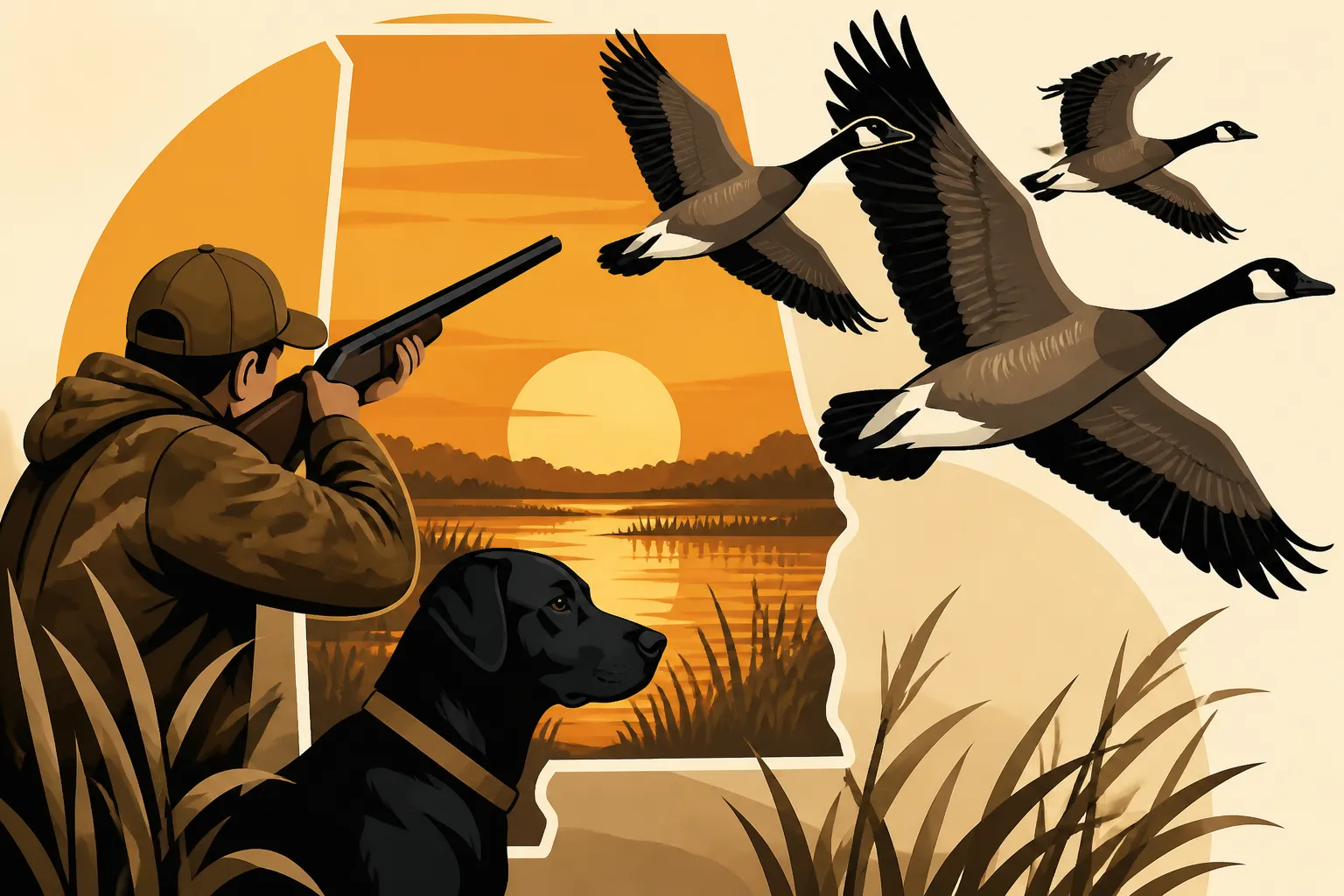
While many might associate Alabama waterfowl with ducks, the state also sees a significant number of geese, primarily Canada geese and a respectable number of specklebellies, also known as greater white-fronted geese. Canada geese are the most common quarry in the Delta, with both migratory and resident populations utilizing the area. Their robust numbers often provide consistent hunting opportunities. Specklebellies, on the other hand, are a prized bird among waterfowl hunters due to their unique calls, challenging flight patterns, and exceptional table fare. They tend to be warier than Canada geese and require a more specialized approach. A reputable guide will have scouting reports on which species are most prevalent in their hunting areas and tailor the hunt accordingly. Be sure to understand Alabama Dark Goose Bag Limit rules before your trip.
Seasonal Timing and Migration Patterns
The timing of your Delta goose hunt is critical, as it heavily relies on migration patterns and weather conditions. While Alabama's waterfowl season typically runs through various splits from late fall into winter, the peak for goose numbers in the Delta often coincides with colder fronts pushing birds south from the Mississippi Flyway. Early season might see more resident Canada geese, while mid to late season can bring in a stronger influx of migratory birds, including specklebellies. Guides constantly monitor weather forecasts and bird reports to determine the best times and locations. It’s not just about when the season opens, but when the birds are actually there in huntable numbers. This is where a guide's local expertise truly shines, knowing when conditions are right for a strong push of birds into their hunting grounds. For specific dates, always check Alabama Waterfowl Zones and Seasons.
What to Expect from a Guided Delta Goose Hunt
Booking a guided hunt in the Alabama Delta takes much of the guesswork and physical labor out of the equation, allowing you to focus on the experience. A professional outfitter provides the expertise, equipment, and access that would be difficult for an unassisted hunter to secure. It's about efficiency and maximizing your chances of success.
Typical Hunt Day Logistics
A guided Delta goose hunt typically begins well before sunrise, often with a rendezvous point at a local boat ramp or lodge. From there, your guide will transport you by boat, ATV, or truck to the pre-scouted hunting location, which could be a flooded field, a shallow marsh, or a dry agricultural field with strategically placed layout blinds. The journey itself can be part of the adventure, navigating the misty delta waterways in the pre-dawn dark. Once at the site, the guide and any assistants will quickly and efficiently set up the decoy spread. You'll then get into your blinds, and the waiting game begins. Most hunts last until late morning or early afternoon, or until the bag limits are filled, whichever comes first. After the hunt, the guide will retrieve the birds, pack up the gear, and get you back to the starting point. It’s a full-service experience designed for convenience and productivity.
Equipment Provided by Guides
One of the biggest advantages of a guided hunt is the specialized equipment provided. You won't need to invest in dozens of expensive goose decoys, a heavy-duty boat for navigating the Delta, or an array of layout blinds. Guides typically supply:
- Decoys: Full-body Canada goose and/or specklebelly decoys, often numbering in the hundreds, meticulously placed for realism and visibility.
- Blinds: Layout blinds, A-frame blinds, or brushed-in natural blinds designed to conceal hunters effectively in various terrains.
- Boats/Transportation: Specialized boats equipped for shallow water and rough conditions, or vehicles capable of traversing muddy field roads.
- Calls: Expert callers who can mimic goose vocalizations to draw birds into the spread.
- Retrievers: Many guides have well-trained retriever dogs to quickly and efficiently fetch downed birds, minimizing lost game.
This extensive setup means you only need to worry about your personal hunting gear, like your shotgun, ammunition, and appropriate clothing.
Decoy Spreads and Calling Techniques
The effectiveness of a goose hunt hinges on a realistic decoy spread and skillful calling. Delta goose guides are masters of both. They understand how geese approach different fields and waterways, how wind affects their flight patterns, and what specific behaviors certain decoy configurations mimic. A common spread might involve a main landing zone, feeder decoys, and sentinel birds, all arranged to look natural. The calling, too, is an art form. It's not just about making noise; it's about reading the birds, understanding their responses, and using a variety of honks, clucks, and murmurs to convince them to commit. Different calls are used for birds far out, closer birds, or those that need a little coaxing on their final approach. Experienced guides have honed these skills over countless seasons, often using custom calls perfectly suited for the region's birds.
Choosing the Right Delta Goose Guide Service
With several outfitters operating in the Alabama Delta, selecting the right one can make all the difference in your hunting experience. It's not just about finding someone with an open date; it's about finding a guide whose approach, ethics, and resources align with your expectations.
Reputation and Experience
When you're entrusting your valuable hunting time and money to an outfitter, reputation and experience are paramount. Look for guides who have been operating in the Delta for many years and have a proven track record of successful hunts. An experienced guide will possess an intimate knowledge of the local goose movements, seasonal patterns, and preferred feeding and roosting areas. They'll also be skilled in reading weather changes and adapting strategies on the fly. Don't be shy about asking how long they've been guiding in the area and what their typical success rates are (understanding that "success" can mean different things, from filling limits to simply having good shooting opportunities). Checking online reviews and forums can give you a general sense of an outfitter's standing. Platforms like BookYourHunt often feature detailed reviews and ratings from previous clients, which can be a great starting point for your research.
Land Access and Leaseholdings
A guide is only as good as the ground they hunt. In the Delta, access to prime agricultural fields and strategic marsh areas is crucial. Many top-tier guides secure exclusive leases on private land known for holding geese, ensuring minimal competition and consistent opportunities. Others might have permits for specific public lands within the Delta, which still requires extensive scouting and knowledge of Hunting Pressure on Alabama Public Land. When speaking with a potential guide, inquire about the types of properties they hunt. Do they have multiple locations? How large are their leaseholdings? Do they rotate fields to avoid pressuring the birds too much? A guide with diverse, well-managed hunting areas will offer a much better chance of success, especially during challenging weather or migration shifts. The more options they have, the more adaptable they can be.
Client Testimonials and References
Beyond online reviews, don't hesitate to ask for direct references from recent clients. A reputable guide will be happy to provide contact information for past hunters who can speak to their experience. When you connect with these references, ask specific questions:
- Were the guides professional and knowledgeable?
- Was the equipment well-maintained?
- Were the hunting locations as described?
- How was the communication before, during, and after the hunt?
- Were there any unexpected issues, and how were they handled?
- Did you feel safe and comfortable throughout the hunt?
Hearing firsthand accounts can paint a much clearer picture of what to expect and help you avoid any potential red flags. Websites like GoHunt might also have forums or community sections where you can find honest feedback about specific outfitters, allowing you to gauge public opinion before committing.
Booking Your Alabama Delta Goose Hunt
Once you've identified a few potential guide services, the next step is to initiate contact and secure your spot. This process involves more than just picking a date; it's about understanding the nuances of the booking, payment, and what happens if plans change.
Researching and Contacting Outfitters
Start your research by visiting outfitter websites, checking social media, and utilizing hunting-specific booking platforms like BookYourHunt. Look for clear descriptions of their services, photo galleries, and contact information. When you reach out, whether by phone or email, be prepared with questions. Inquire about available dates, specific goose hunting packages, and any special requests you might have (e.g., accommodating a youth hunter or a larger group). Pay attention to their responsiveness and clarity in communication. A guide who is prompt and thorough in their initial replies is often a good indicator of their professionalism throughout the entire process. Don't feel rushed into booking; take your time to gather all the information you need to make an informed decision.
Understanding Package Options
Most Delta goose guides offer various package options, ranging from single-day hunts to multi-day experiences, sometimes including lodging and meals.
| Package Type | Description | Typical Inclusions |
|---|---|---|
| Day Hunt | A single morning or afternoon hunt. | Guide, decoys, blinds, transportation to/from hunt site, bird retrieval. |
| Multi-Day Hunt | Multiple consecutive hunt days. | All day hunt inclusions, potential for different hunting spots each day. |
| All-Inclusive | Multi-day hunt with added amenities. | All hunt inclusions, lodging, meals, bird cleaning, sometimes airport transfers. |
| Combo Hunt | Combines goose hunting with another species (e.g., ducks or feral hogs). | Varies widely based on combined species and duration. |
Understand exactly what is and isn't included in each package. For example, some day hunts might include bird cleaning, while others might charge extra. Confirm whether ammunition, licenses, and gratuities are part of the price or additional costs. Knowing these details upfront helps prevent any surprises later on. Remember, for waterfowl, you'll need an Alabama Duck Stamp Requirement and a federal stamp, plus Alabama HIP Certification for Bird Hunters.
Deposits, Cancellations, and Guarantees
Every outfitter will have a specific policy regarding deposits, payment schedules, and cancellations. Typically, a deposit is required to secure your booking, with the remaining balance due closer to the hunt date. Read these policies carefully. What happens if you need to cancel? What if the guide has to cancel due to unforeseen circumstances like severe weather or a lack of birds? Some guides offer a "no-birds, no-fee" guarantee, or a rollover to a future date, but this is not universal. It's wise to consider travel insurance, especially for high-value trips, which can protect your investment if personal circumstances force a cancellation. Don't be afraid to ask for clarification on any terms you don't understand before you sign anything or pay a deposit.
Preparing for Your Guided Delta Goose Adventure
A successful guided hunt isn't just about the guide; it's also about being a well-prepared client. Knowing what to bring and what to expect physically will enhance your enjoyment and the overall effectiveness of the hunt.
Gear and Clothing Essentials
Even with much of the heavy lifting done by your guide, your personal gear is crucial. The Alabama Delta can be notoriously damp, muddy, and subject to changing weather conditions.
- Shotgun: A reliable 12-gauge shotgun is standard for geese. Make sure it's clean and patterned for the ammunition you'll be using.
- Ammunition: Steel shot is mandatory for waterfowl hunting. Bring plenty—a minimum of a box or two per hunt day, often 3-inch or 3.5-inch magnum loads with shot sizes like BB or BBB for geese.
- Clothing: Layering is key. Think waterproof and windproof outer layers, warm insulating layers underneath (fleece, wool), and moisture-wicking base layers. Camouflage patterns appropriate for marsh or field environments (e.g., cattail, stubble, or darker patterns) are essential. Don't forget warm gloves, a hat, and a face mask.
- Waders/Waterproof Boots: Depending on the hunt location, chest waders or tall rubber boots will be invaluable for navigating muddy or shallow water environments.
- Other Essentials: Small backpack, snacks, drinks, thermos with coffee/tea, headlamp (for pre-dawn setup), bug spray (even in cooler months), sunscreen, and a waterproof phone case.
Always ask your guide for a specific packing list, as conditions can vary wildly throughout the season and across different hunting spots.
Physical Demands and Expectations
While a guided hunt provides significant support, it's not always a completely sedentary experience. Depending on the specific location, you might encounter:
- Walking: Walking across muddy fields or through shallow water to get to blinds can be physically demanding.
- Getting In/Out of Blinds: Layout blinds require some agility to get in and out of quickly, especially when birds are working.
- Weather Exposure: You'll be exposed to the elements for several hours, which could mean cold, damp, windy, or even mild, sunny conditions.
Being in reasonably good physical condition will make your hunt more comfortable and enjoyable. Inform your guide ahead of time if you have any physical limitations or health concerns so they can plan accordingly and ensure your safety and comfort. They might be able to suggest Youth-Friendly Guided Hunts in Alabama or accessible setups if needed.
License and HIP Requirements
Before you even pack your bags, ensure all your licensing is in order. For waterfowl hunting in Alabama, you will need:
- State Hunting License: A valid Alabama resident or non-resident hunting license.
- Alabama Waterfowl Stamp: A state-specific stamp for waterfowl.
- Federal Duck Stamp: Purchased separately and endorsed by signing across the front.
- Harvest Information Program (HIP) Certification: Mandatory for all migratory bird hunters, this free certification registers you with the federal harvest survey program.
You can often purchase most of these online through the Outdoor Alabama website. It’s critical to have all documentation, including photo ID, readily accessible during your hunt. Guides will typically remind you of these requirements, but ultimately, it's your responsibility to be legal. Alabama Migratory Bird Certification has more details.
Cost Considerations for Delta Goose Hunts
Understanding the financial investment in a guided Delta goose hunt is important for planning your trip. While costs can vary widely, being aware of all potential expenses ensures there are no surprises.
Day Rates vs. Multi-Day Packages
The core cost typically revolves around the duration of your hunt. Single-day goose hunts in the Alabama Delta will naturally be less expensive upfront than multi-day packages. A day rate covers the guided experience for that specific day, often focusing on a morning hunt. Multi-day packages, however, can offer better value per day if you plan to hunt for an extended period. These often include the benefits of diverse hunting locations, the potential for varied weather conditions over multiple days (increasing your chances of success), and sometimes even discounted per-day rates compared to booking multiple single days. When comparing options, consider not just the daily cost but also the logistics and travel expenses of multiple trips versus one longer one. For specific price ranges, you'll need to check directly with outfitters, as these figures are constantly in flux. What a Guided Goose Hunt Costs in Alabama can give you a general idea of the market.
Hidden Costs and Gratuities
Beyond the advertised package price, there can be several "hidden" or overlooked costs:
- Licenses & Stamps: As mentioned, state and federal waterfowl stamps and HIP certification are your responsibility.
- Ammunition: Bring your own steel shot; it's not typically included.
- Bird Processing: Some guides will clean and package your birds for a fee, while others expect you to handle it yourself or arrange for a local processor.
- Meals & Lodging: If not part of an all-inclusive package, you'll need to budget for these.
- Travel Expenses: Fuel for driving, flights, rental cars, etc.
- Gratuities: Tipping your guide and any assistants (e.g., dog handlers) is customary and expected. A general guideline is 15-20% of the hunt cost, but always tip based on the quality of service you received. This is a significant part of a guide's income and acknowledges their hard work.
Always ask for a comprehensive breakdown of all potential costs before booking so you can budget accurately.
Value of a Guided Experience
While a guided Delta goose hunt represents a significant investment, the value it provides often far outweighs the cost for many hunters. You're not just paying for access to land; you're paying for:
- Expertise: Years of local knowledge, scouting, and calling experience that drastically increases your chances of success.
- Equipment: Access to thousands of dollars worth of specialized decoys, blinds, and boats that would be impractical for an individual hunter to own.
- Time Savings: No need to spend countless hours scouting, setting up, or breaking down. You show up, hunt, and enjoy.
- Safety: Experienced guides prioritize safety in navigating unfamiliar waters and terrains.
- Education: For newer waterfowl hunters, a guided trip offers an invaluable learning experience in calling, decoy placement, and bird behavior.
For many, the opportunity to hunt prime Delta ground with seasoned professionals, enjoying a stress-free and productive outing, makes the guided experience well worth every penny. Whether you're chasing Specklebelly Guide Services in the Delta or big Canadas, a guide can unlock opportunities you might not find otherwise.
Disclaimer
This article is for general informational purposes only and does not constitute professional advice. Laws, prices and regulations vary by location and change over time. Consult a qualified professional for guidance on your specific situation.