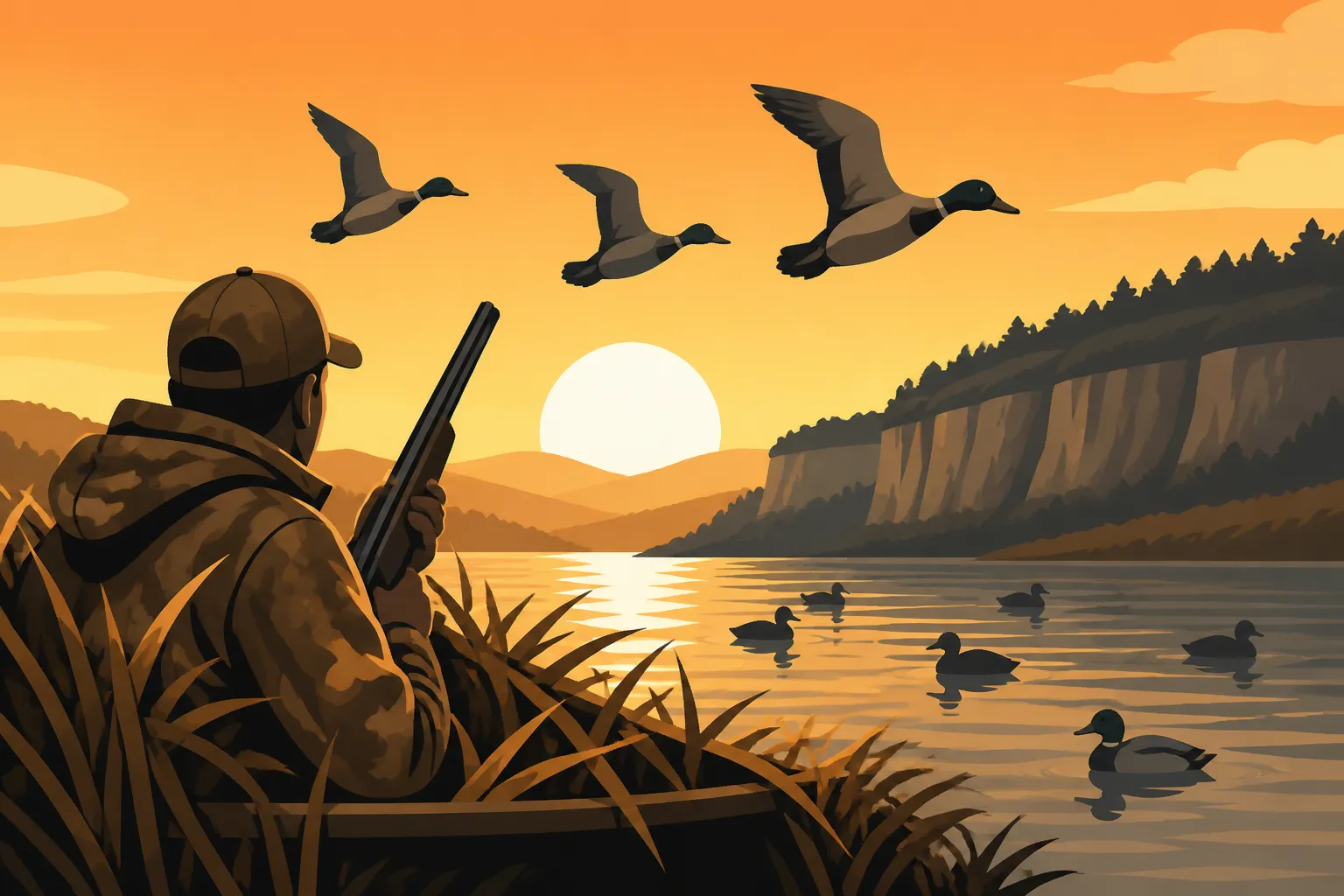
Waterfowl Guide Services on the Tennessee River
The mighty Tennessee River, a ribbon of life weaving through North Alabama, offers some of the most exhilarating waterfowl hunting experiences in the Southeast. However, its vastness and ever-changing conditions can feel overwhelming for even seasoned hunters. This guide will walk you through everything you need to know about engaging professional waterfowl guide services along the Tennessee River, ensuring a safer, more productive, and truly memorable hunt.
Why the Tennessee River is a Waterfowler's Paradise and a Challenge
There's something truly special about hunting ducks and geese along the Tennessee River. It's a place where the history of waterfowl hunting runs deep, and the sheer scale of the landscape can take your breath away. But that same grandeur also presents unique hurdles for those looking to connect with migratory birds.
The Draw of the Mississippi Flyway in Alabama
Alabama sits in a prime position along the Mississippi Flyway, a superhighway for migratory birds heading south for the winter. The Tennessee River, with its expansive reservoirs, flooded timber, and adjacent agricultural fields, acts like a massive rest stop and cafeteria for thousands upon thousands of ducks and geese. You'll find a diverse array of species here, from the common mallard and gadwall to swift green-winged teal, wigeon, and various diver ducks like buffleheads and scaup. The sheer volume of birds can be astounding, with different species preferring different habitats along the river system. One day you might be pass-shooting over a sprawling spread for high-flying mallards, and the next you could be targeting smaller, quicker teal working a shallow backwater. It’s this rich biodiversity and the significant number of birds that choose to winter or stage here that makes the Tennessee River such an attractive destination for serious waterfowlers.
What often surprises hunters is how long the season can last and how varied the hunting can be. From the early teal season to the colder late-season pushes, the river continues to hold birds. Areas like the Wheeler National Wildlife Refuge, though often limited by specific hunting zones and regulations, highlight the river's overall importance to migratory populations. While the refuge itself has special rules, the surrounding main river channel, its numerous creeks, and adjacent private lands benefit immensely from the concentration of birds the refuge helps hold. Understanding these migration patterns and where birds prefer to loaf and feed is half the battle, and it's where local knowledge truly shines. The dream of a mixed bag of puddle ducks and a few divers is very much alive on this incredible waterway.
Navigating the Complexities of a Big River System
While the Tennessee River offers fantastic opportunities, it’s far from a simple hunt. Imagine trying to find a needle in a haystack – now imagine that haystack is miles wide, has hidden currents, submerged obstacles, and is constantly changing with water levels. That's the challenge many do-it-yourself hunters face. The river is a massive, dynamic system. Strong currents can make boat handling tricky, especially when retrieving birds or setting large decoy spreads. Fluctuating water levels, often dictated by dam operations, can completely alter duck blinds, expose mud flats, or flood new timber overnight, changing prime spots with little warning. Without intimate, day-to-day knowledge of the river, you could spend more time running your boat and less time hunting.
Then there's the issue of access and navigation. While there are numerous public boat ramps, knowing which channels are safe to run in low light, or how to reach those elusive backwater honey holes, requires years of experience. Blind spots, unmarked hazards, and other boat traffic can all contribute to a frustrating, if not dangerous, experience. Many hunters get overwhelmed by the sheer scale, not knowing where to begin scouting or how to interpret the subtle signs of bird activity on such a grand stage. A guide eliminates this frustration entirely. They live and breathe the river, constantly adapting to conditions, ensuring you're in the right place at the right time, and most importantly, getting you there and back safely. They handle the logistics of getting to those prime spots, whether it's through navigating dense fog or breaking through skim ice on a frigid morning, which can be an immense relief for hunters who are less familiar with the area.
What to Expect from a Tennessee River Waterfowl Guide
Hiring a professional waterfowl guide on the Tennessee River isn't just about finding birds; it's about leveraging a wealth of knowledge, equipment, and experience that would take years, if not decades, to acquire on your own. It transforms a potentially frustrating outing into a well-orchestrated adventure.
The Guide's Unmatched Local Expertise
A great Tennessee River waterfowl guide is essentially a walking, talking, weather-forecasting, bird-patterning encyclopedia. They spend countless hours on the water, long before you even arrive, watching bird movements, monitoring water levels, and identifying current feeding and resting areas. This isn't just a casual drive-by; it's an intense, daily commitment to scouting. They know that what was a hot spot yesterday might be barren today due to a shift in wind, a change in water flow, or increased hunting pressure. Their knowledge includes everything from the subtle nuances of different species' preferences for food sources to how local topography and weather patterns influence flight paths. They can read the water like an open book, knowing where hidden channels lie, where currents converge, and where birds prefer to land.
This intimate local expertise is invaluable, especially in a system as vast and dynamic as the Tennessee River. Trying to decipher these patterns and find those "secret spots" as an outsider is incredibly difficult. A guide has built relationships with landowners, has a network of fellow watermen, and understands the intricate dance between public and private access. They know when to push a certain area hard and when to leave it alone to rest. Their experience extends to understanding the best times to hunt specific locations, recognizing when birds are "burnt out" on a certain field, or when a new cold front might bring in a fresh wave of migrants. You are essentially buying years of accumulated wisdom and daily, real-time intelligence, which significantly increases your chances of a successful hunt.
Essential Gear, Decoys, and Dog Work Provided
One of the biggest hurdles for many aspiring waterfowl hunters is the sheer amount of specialized gear required, especially for big water. A quality Tennessee River guide provides everything you need, from a safe, well-equipped boat to massive spreads of lifelike decoys. Imagine trying to set 100+ full-body goose decoys and another 200 duck decoys in the dark, battling strong currents, all by yourself. It's a logistical nightmare that most DIY hunters simply can't manage effectively. Guides invest heavily in top-tier boats, usually large, stable vessels capable of handling rough water and navigating shallow areas, equipped with reliable motors and all necessary safety equipment. They have a variety of blinds, from comfortable permanent pit blinds on private land to portable A-frame blinds or specialized layout blinds for open water or field hunting. This means you don't have to worry about transporting or setting up these cumbersome items.
Beyond the hard goods, a professional guide often brings another indispensable asset: a well-trained retriever. A good duck dog is not just a companion; it's an integral part of the hunt, ensuring swift and efficient retrieves of downed birds, especially in cold water or dense cover where a human might struggle. Chasing a crippled duck across a fast current can be dangerous and often results in lost birds. A guide's dog is an athlete, dedicated to its job, saving you time, effort, and most importantly, ensuring ethical recovery of your game. This combination of specialized gear, strategically placed decoys, and expert dog work creates a hunting scenario that is optimized for success and enjoyment, allowing you to focus purely on the thrill of the hunt.
Safety First on the Water
Hunting on large bodies of water like the Tennessee River, especially in the colder months, carries inherent risks. One of the most significant advantages of hiring a guide is their unwavering commitment to safety. They are experienced boat operators, knowledgeable about the river's unique hazards, from submerged stumps and sandbars to strong currents and rapidly changing weather conditions. Before you even step foot in the boat, a good guide will have checked marine forecasts, assessed water levels, and planned a route that prioritizes your well-being. They will ensure all necessary safety equipment, such as life jackets, throwable devices, and communication tools, are on board and easily accessible. Tennessee River Public Boat Access for Hunters is a fantastic resource, but even with good access, navigating the river safely requires skill.
Beyond boat handling, guides understand the dangers of hypothermia and cold water immersion. They will advise you on appropriate layering and waterproof clothing, ensuring you are adequately prepared for the elements. In the event of an unforeseen issue, their experience in emergency procedures and first aid is critical. This peace of mind allows you to truly relax and enjoy the hunting experience, knowing that an experienced professional is constantly monitoring the situation and prioritizing the safety of everyone in the boat. They're not just guiding you to ducks; they're guiding you through a safe and enjoyable outdoor adventure, which is paramount when dealing with Mother Nature's unpredictable temperament.
Types of Guided Tennessee River Waterfowl Hunts
The Tennessee River system is incredibly diverse, offering a range of habitats that appeal to different waterfowl species and, consequently, different hunting styles. A good guide will specialize in, or at least be proficient in, several of these methods, allowing you to choose the experience that best suits your preferences and the current bird activity.
Layout Blind Hunts on Open Water or Fields
Layout blind hunting is a highly effective, albeit sometimes physically demanding, method for targeting shy, pressured birds that often shy away from traditional upright blinds. On the Tennessee River, this can take two primary forms. First, you might find yourself in a large, open bay or main lake body, tucked into a low-profile layout boat or blind, surrounded by a massive spread of diver duck decoys. This technique is fantastic for species like scaup, redheads, and buffleheads that prefer wide-open water. The guide positions the spread strategically, often based on prevailing winds and known flight paths, and you lie prone, popping up for the shot as birds commit. The sensation of dozens of ducks or geese working directly over your head, with nothing but the sky above, is truly exhilarating.
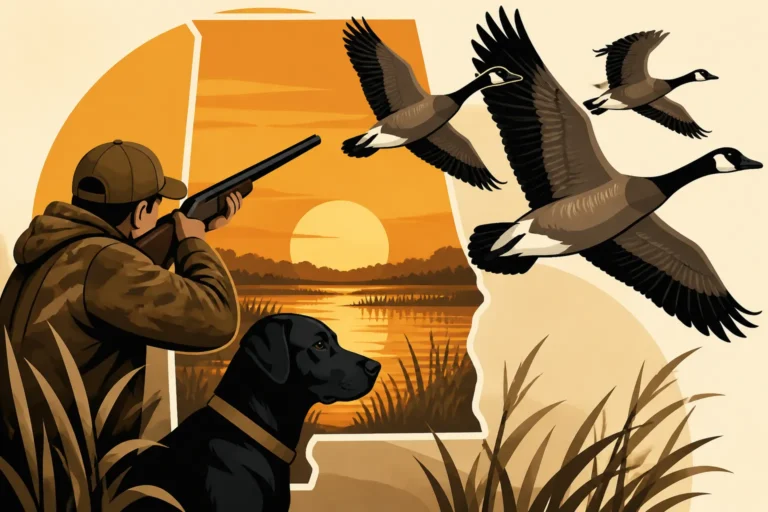
Alternatively, layout blind hunts can occur in flooded agricultural fields adjacent to the river. Many farms along the Tennessee River Valley plant corn, soybeans, or peanuts, and after harvest, these fields can be lightly flooded or simply remain as stubble. Guides will set up large spreads of full-body goose and puddle duck decoys in these fields, often where birds have been observed feeding, and hunters conceal themselves in layout blinds designed to blend seamlessly with the stubble. This is particularly effective for large flocks of Canada Geese on Alabama Farmland or mallards that come off the river to feed. The thrill of a giant flock of geese cupping their wings over your head, completely unaware of your presence, is an unforgettable experience. These hunts demand excellent concealment and patience, but the rewards can be phenomenal.
Flooded Timber and River Swamp Hunts
For many waterfowlers, the epitome of duck hunting is calling mallards into flooded timber. The Tennessee River basin offers exceptional opportunities for this iconic style of hunting. Guides will often have access to private, intentionally flooded timber tracts, or they'll know natural river swamps and sloughs that fill with water during periods of heavy rain or higher river levels. The atmosphere of hunting in the woods, with the sun just barely breaking through the canopy, and the distinctive sound of a mallard hen call echoing through the trees, is pure magic. These hunts require a specialized skill set from the guide, particularly expert calling to lure birds through the dense tree lines. The focus is often on green-winged teal and, of course, the ever-popular mallard.
The strategy in flooded timber often involves positioning hunters on stools or in small pop-up blinds nestled against large trees, providing excellent concealment. The decoy spread is typically smaller and more realistic, mimicking ducks feeding naturally among the trees. Guides have an intimate understanding of how ducks use these timber holes, knowing the preferred entry and exit points, and how to adjust calls and spreads based on bird behavior. It’s a more intimate, close-quarters hunt compared to the vastness of open water. The quiet beauty of the surroundings, broken only by the splashes of landing ducks and the guide's expert calling, makes these river swamp hunts a highly sought-after experience for those looking for a traditional and engaging hunt.
Field Hunts for Geese and Puddle Ducks
Beyond the river itself, the agricultural lands surrounding the Tennessee River are magnets for migratory waterfowl, especially geese. Field hunts typically involve setting up in harvested corn, soybean, or winter wheat fields where geese and certain puddle ducks like mallards and pintails come to feed. These hunts often occur a bit later in the morning or in the afternoon, after birds have left their roosts on the main river. The primary target here is often Canada geese, but you can also encounter snow geese and various puddle ducks depending on the specific field and time of year. Layout Blind Hunting Delta Farm Fields is a technique that is often employed in these open field settings, providing the necessary concealment.
The key to a successful field hunt is an absolutely massive decoy spread. Guides invest in hundreds, sometimes thousands, of full-body and shell decoys to replicate a large feeding flock, which is crucial for attracting wary geese. Hunters are typically concealed in layout blinds or low-profile pit blinds, blending seamlessly with the field stubble. The guide's expertise comes into play in selecting the right field (one that birds are actively using), setting the decoys in a realistic pattern, and knowing when to call and when to remain silent. These hunts can be incredibly exciting, as large formations of geese descend from the sky, committing to the spread. It’s a different kind of challenge than timber or open water, relying heavily on concealment and the visual allure of a vast, convincing spread.
Choosing the Right Tennessee River Waterfowl Guide
Deciding to invest in a guided hunt is a big step, and choosing the right guide is paramount to a successful and enjoyable experience. The Tennessee River region has many talented guides, but finding the one that aligns with your expectations requires a bit of homework.
Researching Reputable Outfitters and Their Specializations
The first step in finding your ideal Tennessee River waterfowl guide is thorough research. Start by looking for outfitters with a solid reputation. Websites like BookYourHunt or GoHunt can be excellent starting points, as they often list guides with client reviews and detailed service descriptions. Pay close attention to what guides specialize in. Some guides might be renowned for their flooded timber mallard hunts, while others excel at open water diver hunts or large-scale goose field operations. If you have a specific type of hunt in mind – say, you've always dreamed of shooting a big limit of mallards in the woods – seek out a guide with a proven track record in that particular style. Don't be shy about asking for references from past clients; a good guide will be happy to provide them. Speaking directly with previous hunters can offer invaluable insight into the guide's demeanor, the quality of the hunting, and the overall experience.
It's also wise to check their social media presence or websites for recent hunt photos and reports. While these should be taken with a grain of salt (everyone posts their best days!), they can give you a feel for the types of birds they're consistently putting clients on and the general atmosphere of their operations. Look for consistency and professionalism. Are their boats well-maintained? Do their dogs look well-cared for and trained? These details speak volumes about their commitment to the entire hunting experience. Remember, you're not just booking a hunt; you're booking an experience, and you want to ensure the guide's style and specialization match what you're hoping for on the Tennessee River.
Key Questions to Ask Before Booking
Once you've narrowed down a few potential guides, it's crucial to have a detailed conversation with them before putting down a deposit. Don't be afraid to ask a comprehensive set of questions. Start with what's included in the price: "What a Guided Tennessee River Duck Hunt Costs" can vary widely, so clarify if it covers decoys, blind, boat, guide, dog, and bird retrieval. Ask about group size – will you be hunting with other parties, and if so, how many? This affects the intimacy of the experience and how much individual attention you might receive. Inquire about typical success rates, but understand that hunting is never guaranteed. A reputable guide will offer realistic expectations, not impossible promises.
Crucially, ask about their bad weather policy. What happens if a major storm, dense fog, or extreme cold makes hunting unsafe or unproductive? Do they offer rebooking, refunds, or alternative dates? Confirm license and stamp requirements, and clarify what specific ammunition you should bring. Ask about bird processing – is it handled by the guide, or do you need to make arrangements? Furthermore, inquire about the general daily schedule, from meeting times to when the hunt typically concludes. Knowing these details upfront will prevent misunderstandings and ensure you are fully prepared for your Tennessee River adventure. A guide who is transparent and patient with your questions is usually a sign of a professional and client-focused operation.
Understanding Pricing and Inclusions
Guided waterfowl hunts on the Tennessee River are an investment, and understanding the pricing structure is essential. Generally, guide services are structured either as day rates or multi-day packages. Day rates cover a single morning or afternoon hunt, while packages often include multiple days of hunting, and sometimes lodging and meals. The cost will reflect the guide's experience, the quality of their equipment, the exclusivity of their hunting grounds (private vs. public land access), and what's included in the package. Always ask for a detailed breakdown of costs. For instance, some guides might include all necessary gear and a hot breakfast, while others might only provide the guide, boat, and decoys, leaving you responsible for everything else.
Beyond the base price, consider potential additional costs. These can include state hunting licenses, federal and state duck stamps (Alabama Duck Stamp Requirement is mandatory), ammunition (steel shot is often required), waders, and personal hunting gear. Some guides may offer bird cleaning or processing services for an extra fee. It’s important to clarify whether lodging is included in multi-day packages, and if so, what kind of accommodations to expect (lodge, hotel, cabin). While I cannot provide specific figures, expect prices to vary based on the season, duration, and level of luxury. Always check the outfitter's current pricing directly from their website or by calling them. Transparency is key, so don't hesitate to ask for a comprehensive quote that details all anticipated expenses to avoid any surprises.
| Service Feature | Often Included in Base Rate | Potentially Extra Cost / Hunter Responsibility |
|---|---|---|
| Guide Services | Professional guide, local expertise | |
| Boat & Transportation | Safe boat, transportation to hunting spots | Travel to meeting point |
| Decoys & Spreads | Full decoy setup and management | |
| Retriever Dog | Well-trained hunting dog | |
| Blind / Concealment | Layout blinds, A-frame blinds, natural cover | |
| Ammunition | Steel shot, appropriate gauge/load | |
| Hunting Licenses | State hunting license, federal/state duck stamps, HIP certification | |
| Food & Beverages | Sometimes coffee/water, snacks | Full meals, specialized drinks |
| Lodging | Sometimes for multi-day packages | Hotels, cabins, extended stays |
| Bird Processing | Basic field dressing/transport | Professional cleaning, freezing, taxidermy |
| Waders & Rain Gear | Personal waterproof clothing, appropriate layering | |
| Gratuities | Tips for guide and dog handler |
Preparing for Your Guided Tennessee River Hunt
Once you've booked your Tennessee River waterfowl hunt, the next step is preparation. A little foresight goes a long way in ensuring you're comfortable, safe, and ready to make the most of your time in the blind or boat.
Essential Gear and Clothing for Alabama Waterfowl
Waterfowl hunting, especially on open water or in cold, wet conditions, demands appropriate gear. Start with layering. Alabama weather can be unpredictable, so dressing in layers allows you to adapt to changing temperatures. Begin with a moisture-wicking base layer, add insulating mid-layers (fleece or down are great), and top it off with a waterproof, windproof outer shell. Camouflage patterns appropriate for wetlands, timber, or field environments are crucial for concealment. High-quality chest waders are non-negotiable, even if you don't plan to wade much; they keep you dry and warm in the boat and protect against splashes. Insulated, waterproof gloves and a warm hat are also essential, as much body heat is lost through the extremities.
Beyond clothing, your shotgun should be reliable and sighted in. Most guides will recommend a 12-gauge or 20-gauge shotgun. Crucially, bring plenty of steel shot ammunition in appropriate shot sizes for ducks (e.g., #2, #3, #4) and geese (e.g., BB, BBB, T shot). Lead shot is prohibited for waterfowl. A waterproof bag for personal items like your wallet, phone, and extra dry clothes is a smart move. Don't forget a thermos with a hot drink, some high-energy snacks, a headlamp or flashlight for early morning setup, and a camera to capture those memorable moments. Remember, you'll be out there before dawn, so being prepared for darkness and cold is key.
Licenses, Stamps, and Certification
Before you even think about stepping into a boat on the Tennessee River, you absolutely must have all the correct licenses and stamps. This is non-negotiable. For waterfowl hunting in Alabama, you'll need:
- An Alabama Hunting License: If you're a resident, you'll need a resident license; non-residents will require a non-resident license.
- Alabama Waterfowl Stamp: This is a state-specific stamp dedicated to waterfowl conservation.
- Federal Duck Stamp: Also known as the Migratory Bird Hunting and Conservation Stamp, this is required nationwide for all waterfowl hunters 16 years of age or older.
- HIP (Harvest Information Program) Certification: This is a federal requirement for all migratory bird hunters, providing data that helps manage populations. Alabama HIP Certification for Bird Hunters is quick and free to acquire online.
You can purchase most of these online through the Outdoor Alabama website, or at authorized license retailers across the state. It’s always a good idea to purchase them well in advance of your trip to avoid any last-minute stress. Always carry physical or digital proof of your licenses and stamps with you while hunting, as wildlife enforcement officers frequently check for compliance. Your guide will likely remind you of these requirements, but it's ultimately your responsibility to ensure you are legally able to hunt. Taking care of this beforehand ensures a smooth start to your adventure.
Physical Readiness and Expectations
While a guided hunt provides many conveniences, waterfowl hunting on the Tennessee River can still be physically demanding. Expect early mornings, often requiring you to be at the meeting point well before sunrise. Depending on the type of hunt, you might be walking through muddy fields, wading in shallow water, or sitting for extended periods in cold conditions. Carrying your shotgun, ammunition, and personal gear, even for short distances, can add up over a morning. While most guides handle the heavy lifting of decoys and blinds, being in reasonable physical condition will greatly enhance your enjoyment and comfort.
Equally important is managing your expectations regarding the harvest. Remember, it's hunting, not shooting. There will be days when the birds simply aren't flying, or they're not committing to the spread, despite the guide's best efforts. A good guide will do everything in their power to put you on birds, but Mother Nature and bird behavior are unpredictable. Focus on enjoying the entire experience: the camaraderie, the stunning sunrises over the river, the calls of the ducks, and the thrill of watching a well-worked dog. The goal should be a memorable outdoor adventure, and any birds harvested are a bonus. A flexible attitude and appreciation for the process will lead to a far more satisfying trip, regardless of the final bag count.
Making the Most of Your Guided Experience
You've done your research, booked your trip, and prepared all your gear. Now it's time to hit the water with your Tennessee River waterfowl guide. To truly maximize your investment and ensure a fantastic time, consider these points.
Active Participation and Communication
Your guide is the expert on that specific stretch of the Tennessee River, and they are working tirelessly to put you on birds. Listen attentively to their instructions, both before the hunt and in the blind. They'll tell you when to shoot, when to call, when to be absolutely still, and when to reload. Following these cues is crucial for the success of the entire group. If the guide asks for help setting out decoys or moving equipment, offer to lend a hand; it’s a team effort and shows respect for their hard work. That being said, avoid interfering with their established routine or questioning their judgment in the heat of the moment. They have a plan based on current conditions and years of experience.
Open communication is also key. If you have a physical limitation, are feeling unwell, or have any concerns about safety or comfort, communicate them clearly and respectfully to your guide. Don't suffer in silence. They want you to have a good time and stay safe. A quick "Hey, my foot is freezing, can I move it a bit?" or "Could you explain the shot sequence again?" goes a long way. Building a good rapport with your guide often leads to a more relaxed and enjoyable atmosphere, making the entire experience richer.
Proper Etiquette and Tipping
Good hunting etiquette is paramount on any guided trip, and the Tennessee River is no exception. Always prioritize safety: keep your firearm pointed in a safe direction, keep your finger off the trigger until ready to shoot, and ensure you know where other hunters are at all times. Be respectful of the guide's equipment and, especially, their dog. Don't interfere with the dog's work, and never yell at or correct another person's retriever. Share the experience; give everyone a fair chance at shooting, and celebrate successes as a team.
Tipping is customary in the guiding industry and is a direct way to show appreciation for your guide's hard work and expertise. A typical tip for a waterfowl guide and their dog handler (if separate) ranges anywhere from 15-20% of the total hunt cost, assuming you had a good experience. If your guide went above and beyond – worked incredibly hard, provided excellent hospitality, or recovered every bird – a more generous tip is certainly warranted. How Much to Tip a Duck Guide and Retriever Handler is a common question, and it's best to factor this into your budget when booking. Present the tip discreetly and personally at the end of the hunt. Remember, guides often work long, hard hours, often in difficult conditions, and a good tip is a recognition of their dedication.
Handling and Processing Your Harvest
Once the hunt is over and you’ve retrieved your birds, the next step is proper handling and processing. Ask your guide about their procedure for handling the birds after the hunt. Some lodges or guides may offer basic bird cleaning services as part of the package or for an additional fee. Others might simply provide ice and bags for you to take your birds to a local processor or clean them yourself at home. It’s always a good idea to bring a cooler with plenty of ice to transport your birds, especially if you have a long drive home.
Proper field dressing and cooling are crucial for maintaining the quality of your game meat. While not always necessary immediately, getting the birds cooled down quickly prevents spoilage. If you plan to have any birds mounted by a taxidermist, communicate this to your guide early. They can advise you on the best way to care for the bird (often simply bagging it whole and freezing it) to ensure it arrives at the taxidermist in the best possible condition. The goal is always to respect the animal by utilizing the meat and preserving memories, whether through delicious meals or a beautiful mount.
Disclaimer
This article is for general informational purposes only and does not constitute professional advice. Laws, prices and regulations vary by location and change over time. Consult a qualified professional for guidance on your specific situation.