What Happens if an Alabama Guide Gets Injured
It’s a thought most of us push to the back of our minds when planning a guided hunt in Alabama: what happens if the very person we’re relying on, our guide, gets injured? It’s an unsettling possibility, but understanding the protocols and responsibilities beforehand can save crucial time and reduce panic should an unforeseen event occur. This guide aims to shed light on the immediate steps to take, the outfitter’s obligations, and how to prepare for such a scenario, ensuring you’re equipped with the knowledge to act responsibly.
Understanding the Inherent Risks of Hunting and Guiding
Hunting, especially in the diverse and sometimes rugged terrain of Alabama, always carries inherent risks. While guides are professionals trained to navigate these challenges, they are not immune to accidents. A guide's injury isn't just a personal tragedy; it can also put hunters in a difficult, potentially dangerous situation if they're deep in the wilderness. Knowing these risks is the first step in being prepared.
Inherent Dangers of the Wild
Alabama's beautiful landscapes, from the dense pine forests of the Wiregrass Region to the sprawling river bottoms of the Black Belt, are wild places. They come with unpredictable terrain – steep ravines, slippery creek crossings, tangled briar patches, and hidden stumps. Weather can shift rapidly, bringing sudden thunderstorms, freezing temperatures, or oppressive heat, all of which can contribute to accidents like falls or heatstroke. Then there's the nature of hunting itself: handling firearms, climbing into tree stands, tracking game through thick cover, and being in close proximity to wild animals. All of these elements, while part of the adventure, present real hazards that can lead to anything from minor scrapes to serious injuries. Even a short walk to a blind can turn treacherous with a misstep on uneven ground.
A Guide's Role in Mitigation
Professional guides are hired precisely because they possess the local knowledge, experience, and training to minimize these risks for their clients. They understand the patterns of game, the safest routes through the woods, and how to handle firearms responsibly. Many are certified in first aid and CPR, carrying emergency communication devices like satellite phones or GPS trackers. They scout areas thoroughly, often setting up stands or blinds in advance, striving to create the safest hunting environment possible. However, even with all these precautions, a guide remains a human being in a dynamic, wild environment. A guide might slip on wet leaves while leading clients to a stand, or get tangled in barbed wire while pushing through a fencerow, resulting in an injury that requires immediate attention. Their expertise mitigates risk, but it doesn't eliminate it entirely.
Immediate Steps Following a Guide's Injury
When an injury occurs, especially to the person leading the hunt, the situation can quickly become disorienting. Remaining calm and taking immediate, decisive action is paramount, both for the guide's well-being and the safety of everyone present.
Prioritizing Safety and First Aid
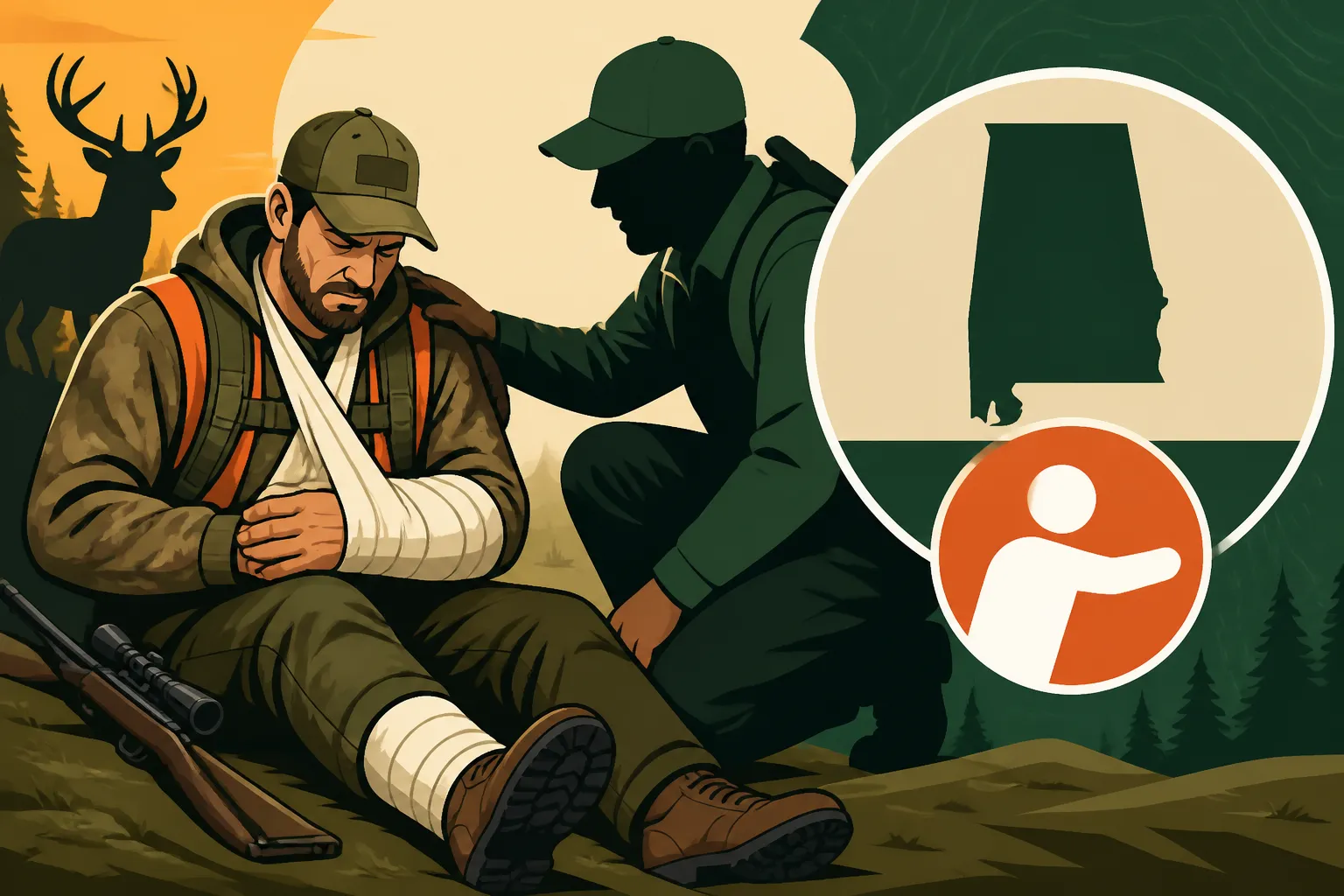
The very first priority is to secure the scene. If a firearm was involved, make sure it is safe and pointed in a safe direction. If the guide fell, assess for any immediate hazards like unstable ground or falling debris. Once the immediate danger is managed, your focus shifts to the injured guide. Start with a quick assessment: are they conscious? Breathing? Is there obvious bleeding? If you have first aid training, now is the time to apply it. Control any severe bleeding with direct pressure, stabilize suspected fractures, and keep the person warm to prevent shock. Even if you're not formally trained, basic actions like elevating an injured limb or providing comfort can make a significant difference. Remember the ABCs: Airway, Breathing, Circulation. This is a moment where what you've learned in a Alabama Hunter Education Requirements course or even a basic first aid class can truly count. Every second matters.
Communication and Emergency Contact
Once initial first aid is administered, getting help is the next critical step. This is where pre-planning with your outfitter becomes vital. Do you have a cell signal? If not, does the outfitter or guide carry a satellite phone, a two-way radio, or a personal locator beacon (PLB)? Many remote hunting areas in Alabama have spotty cell service, making these alternative communication methods essential. If available, use the guide's phone or your own to call 911 immediately. Clearly state your location (GPS coordinates are best, if you have them, otherwise descriptive landmarks), the nature of the injury, and the number of people involved. Simultaneously, try to contact the outfitter's main lodge or a pre-designated emergency contact person. They might have additional resources or a faster way to dispatch help or coordinate a rescue. It’s a good idea to discuss these emergency communication plans explicitly with your guide and outfitter before the hunt even begins. When you're What to Pack for a Guided Alabama Hunt, consider adding your own personal locator beacon, especially for hunts deep in areas like the William B. Bankhead National Forest Hunting.
The Outfitter's Responsibility and Insurance
When you book a guided hunt, you're entering into an agreement with an outfitter. This agreement comes with certain expectations and, importantly, legal and financial responsibilities, especially if an incident like a guide injury occurs.
Outfitter Liability and Waivers
Before most guided hunts, you'll likely be asked to sign a liability waiver. These documents are designed to protect the outfitter from lawsuits stemming from inherent risks of hunting. However, a waiver doesn't typically absolve an outfitter of all responsibility, especially when it comes to the safety of their employees, like a guide. Guides are usually employees or independent contractors of the outfitter, and as such, the outfitter generally has a legal and ethical obligation to ensure their safety and provide a safe working environment. If a guide is injured due to negligence on the part of the outfitter (e.g., faulty equipment provided, lack of proper training, or failure to address known hazards), the outfitter could be held liable. The legal specifics can be complex, but generally, the outfitter is responsible for covering their employee's medical costs and lost wages, often through worker's compensation insurance. This is a crucial point to consider when you're looking into Vetting an Alabama Outfitter Before You Book.
Insurance Coverage and Expectations
A reputable Alabama outfitter should carry several types of insurance that factor into a guide injury scenario. First and foremost, they should have general liability insurance, which covers injuries or damages that occur on their property or during their operations. More specifically for their employees, they should carry worker's compensation insurance. This is designed to cover medical expenses and a portion of lost wages for employees injured on the job, regardless of fault. This protects the guide financially and ensures they receive necessary care.
When you're researching outfitters, perhaps through platforms like BookYourHunt or GoHunt, you should always inquire about their insurance policies. While these platforms can help you find outfitters, they don't typically verify insurance specifics for every single listing. It's up to you, the hunter, to ask directly. A transparent outfitter will be able to provide proof of adequate coverage. This isn't just about covering the guide; it also speaks to the overall professionalism and preparedness of the operation. You want an outfitter who takes safety seriously, both for their clients and their staff. Alabama Outfitter Insurance and Licensing are key indicators of a professional operation.
What This Means for Your Hunt and Future Bookings
An injured guide can obviously throw a huge wrench into your hunting plans. Beyond the immediate emergency, there are practical considerations for the remainder of your trip and important takeaways for how you choose outfitters in the future.
Continuation or Cancellation of Your Hunt
If your guide is injured, the immediate future of your hunt becomes uncertain. What happens next depends heavily on the severity of the injury, the outfitter's resources, and their pre-established policies.
- Replacement Guide: If the injury is minor or another guide is available, the outfitter might be able to provide a replacement. This could mean a delay, but the hunt might continue as planned, albeit with a different personality leading the way.
- Partial Refund/Reschedule: For more serious injuries, or if no replacement guide is available, the outfitter might offer a partial refund for the lost hunting days or the opportunity to reschedule your hunt for a later date. Policies vary widely, so it's critical to review the outfitter's Deposits and Cancellation Terms in Alabama before you book.
- Full Cancellation: In the worst-case scenario, especially if the outfitter is a small operation and the guide is the sole proprietor, the entire hunt might have to be canceled. Again, the terms of any refund would be outlined in your booking agreement.
It’s an unfortunate situation for everyone involved, but understanding the possibilities helps manage expectations and makes the difficult decision-making process a little easier.
Vetting Outfitters for Preparedness
The best way to mitigate the impact of a guide injury on your hunt, and to ensure you’re choosing a responsible outfitter, is to do your homework beforehand. Think of it as an investment in peace of mind.
Here are some critical questions to ask an outfitter before you ever send a deposit:
| Question Category | Specific Questions to Ask | Why It Matters |
|---|---|---|
| Emergency Preparedness | What is your emergency plan in case of an injury to a guide or client? What communication devices do your guides carry in the field? How do you handle medical emergencies in remote areas? | Shows their level of planning for the worst. Reliable communication is paramount for a quick response. |
| Guide Qualifications | Are your guides licensed and certified (e.g., in first aid/CPR)? How much experience do your guides have in the specific area we'll be hunting? | Ensures guides have basic medical knowledge and are competent in the terrain. Experience reduces the likelihood of accidents. |
| Insurance Coverage | Can you provide proof of general liability insurance and worker's compensation insurance for your guides/employees? | Verifies they are financially prepared to handle an incident involving their staff, and by extension, their operation's overall responsibility. |
| Contingency Plans | What is your policy if a guide becomes unavailable (due to injury or other reasons) during my hunt? Will a replacement guide be provided, or will I be offered a refund/reschedule? | Clarifies your options if your specific guide can no longer lead your hunt. |
| Safety Protocols | What safety briefings do you provide? What are your rules regarding firearms, tree stand use, or other potentially hazardous activities? | Indicates their commitment to safety and provides you with essential information to follow. This relates directly to avoiding Red Flags When Booking in Alabama. |
When browsing platforms like BookYourHunt or GoHunt, use these questions as a checklist. Don't be shy about asking for direct answers and documentation. An outfitter who is transparent and forthcoming about these details is a good sign. If they seem evasive or unable to answer, that's a significant Questions to Ask Before Booking an Alabama Hunt red flag. You're not just booking a hunt; you're entrusting your safety and the success of your trip to their operation. Taking the time to vet them properly ensures that you're prepared, even for the unexpected.
Disclaimer
This article is for general informational purposes only and does not constitute professional advice. Laws, prices and regulations vary by location and change over time. Consult a qualified professional for guidance on your specific situation.