Deposits and Cancellation Terms in Alabama
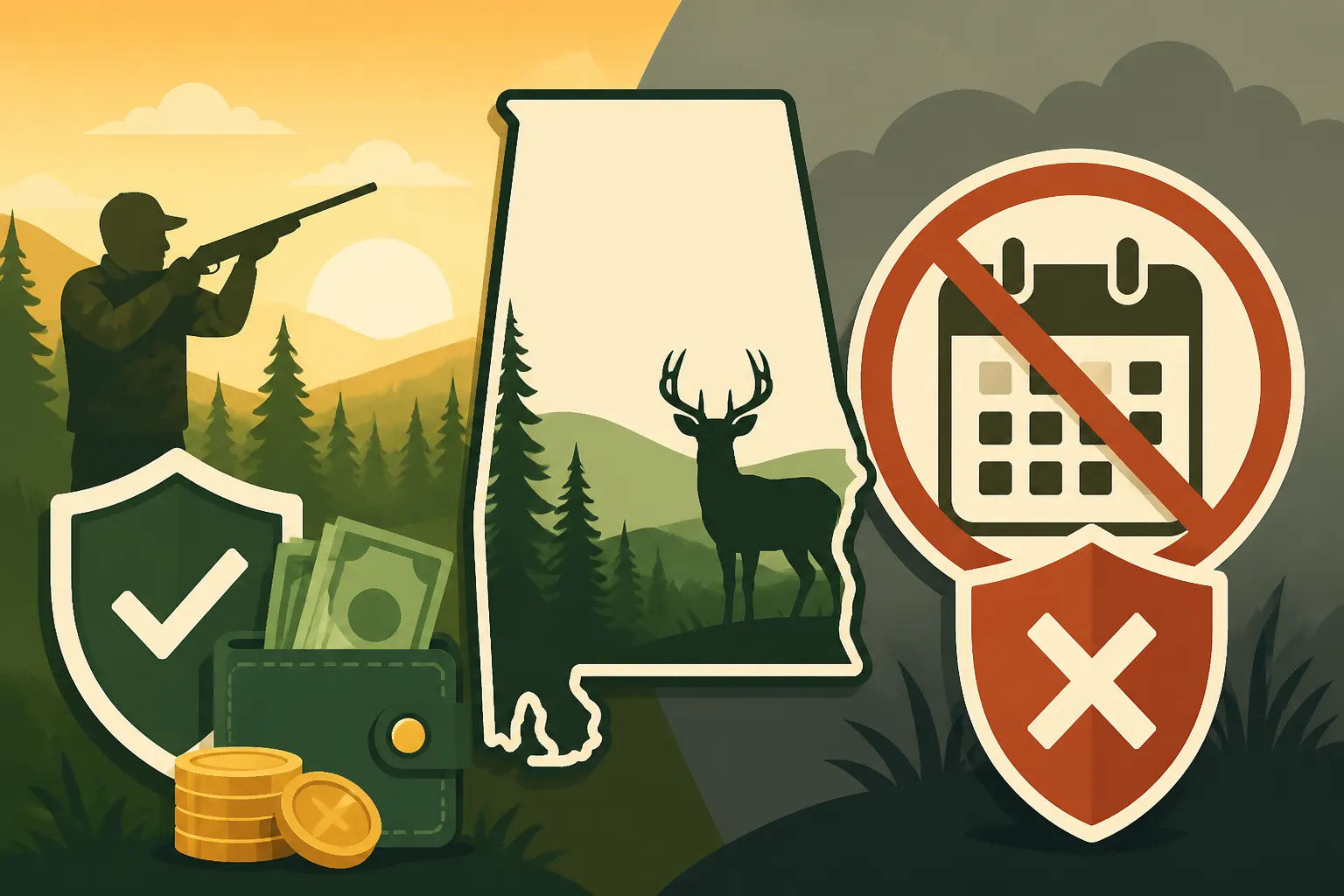
When you're caught up in the excitement of planning an Alabama hunting trip, it's easy to overlook the fine print about deposits and what happens if life throws a curveball and you need to cancel. Many hunters have felt that knot in their stomach wondering if their hard-earned money will simply vanish if plans change. This guide is here to walk you through the nitty-gritty of deposit and cancellation terms, helping you understand how to protect your investment in your Alabama hunting adventure.
Understanding Standard Deposit Practices in Alabama
Booking a guided hunt isn't just a casual commitment; it's a significant arrangement for both you and the outfitter. That initial payment, commonly known as a deposit, isn't just about holding your spot. It's a foundational part of how hunting operations run efficiently, allowing outfitters to plan their resources and ensure their season flows smoothly. If there were no financial commitment upfront, they'd be operating in constant uncertainty, making it nearly impossible to deliver the quality hunting experience you're paying for.
Why Outfitters Require Deposits
Let's look at this from an outfitter's point of view. Their business model thrives on knowing how many hunters they'll host, on what dates, and for what species. When you book a specific slot, that time is immediately removed from their availability for other potential clients. Imagine the chaos if hunters could back out at the eleventh hour without any financial consequence! Outfitters would face constant revenue loss, struggle to staff their guides, and find it difficult to manage their hunting leases, which often require year-round maintenance and expense. The deposit serves as a crucial safeguard, securing your genuine intent to hunt and mitigating the outfitter's risk. It often covers administrative costs, preliminary scouting efforts, or even helps fund the feed programs and habitat improvements they undertake on their properties.
Furthermore, running a top-notch hunting operation in Alabama demands substantial time, effort, and capital. Outfitters often invest heavily in maintaining food plots, repairing blinds and stands, and keeping up their vehicles and equipment. They employ guides, cooks, and sometimes lodge staff, all of whom depend on those bookings. A deposit confirms your commitment and ensures they can cover these extensive upfront costs, confidently investing in providing you with a memorable and successful hunt. It’s a reciprocal agreement: you’re serious about hunting, and they’re serious about delivering that opportunity.
Typical Deposit Structures Percentage vs. Flat Fee
When you embark on the journey of booking an Alabama hunt, you'll generally find that outfitters structure their required deposits in one of two primary ways: either as a percentage of the overall hunt package cost or as a predetermined flat fee. Each method carries its own set of implications for your financial planning.
The most common approach you'll encounter is a percentage-based deposit. This typically ranges from 25% to 50% of the hunt's total price. For example, if you're eyeing a comprehensive guided hunt package priced at, say, $4,000, you might be asked to pay an upfront deposit of $1,000 to $2,000. This system is designed to scale the deposit proportionally with the complexity and cost of the hunt. Larger, more inclusive, or extended hunting packages naturally require a greater initial commitment, reflecting the increased resources and services that are being reserved on your behalf. This ensures that the deposit maintains its relevance to the overall value of the experience being secured.
Alternatively, some Alabama outfitters, particularly those offering shorter day hunts or more streamlined experiences, might opt for a flat fee deposit. This could be a fixed amount, perhaps $600, irrespective of minor variations in the hunt's total price, provided it meets a certain minimum threshold. This method often appears more straightforward for both parties, appealing to hunters who prefer a clear, unchanging upfront cost. However, it's crucial to recognize that a flat fee might represent a vastly different percentage of the total hunt cost depending on the specific package you choose. Regardless of the structure, always ensure you have a crystal-clear understanding of the deposit amount, when it's due, and what the remaining balance will be, along with its due date. If managing the full payment is a concern, don't hesitate to inquire about Payment Plans Offered by Alabama Outfitters.
Navigating Cancellation Policies: What to Look For
This is often the part of the booking process that gives hunters pause and can lead to significant frustration. Life is inherently unpredictable, and sometimes, despite your meticulous planning and genuine desire to hunt, circumstances demand a cancellation. Understanding an outfitter's cancellation policy before you commit any funds is absolutely paramount to preventing future disappointment and potential financial loss. It’s not a fun topic, but it’s a necessary one.
Common Cancellation Windows and Penalties
Outfitters universally operate with specific cancellation windows, and knowing these is key. The golden rule is simple: the closer you cancel to your scheduled hunt date, the greater the financial penalty you’re likely to face, or the less likely you are to see your deposit returned. Many reputable Alabama outfitters implement a tiered system for their cancellation policies. For instance, if you notify them six months prior to your hunt, you might qualify for a full refund minus a nominal administrative processing fee. However, if you cancel three months out, you might only recover 50% of your deposit. And, if the cancellation occurs within a tighter window, say 30 to 60 days before the hunt, you could realistically forfeit your entire deposit.
These structured windows are not arbitrary; they reflect the operational realities of the outfitting business. As the hunt date approaches, it becomes progressively challenging for an outfitter to rebook that specific slot. They might have already committed to purchasing supplies, allocated specific guides, and, crucially, turned away other eager hunters who wanted those very dates. A last-minute cancellation can represent a substantial financial blow to their carefully planned operation. It’s not about being punitive; it’s about covering their sunk costs and protecting the viability of their business. Therefore, it is imperative that you thoroughly review and clarify these specific dates and the corresponding penalties. A professional outfitter will always have these terms explicitly detailed in their booking contract. This is why you must demand to review Alabama Outfitter Contracts and What to Read well in advance.
Refund vs. Rebooking Options
When a cancellation becomes unavoidable, the terms offered by an outfitter might extend beyond a simple refund or forfeiture. Many established Alabama outfitters, recognizing that life can throw unexpected curveballs, will often strive to be accommodating, especially when given ample notice. This understanding frequently translates into a rebooking option.
Instead of your deposit being completely lost, you might be granted the flexibility to apply that payment towards a future hunt. This could mean rescheduling for a different available date within the current season or, more commonly, deferring your trip to the following hunting season. This kind of arrangement is incredibly valuable as it safeguards your initial investment, merely postponing your eagerly anticipated hunting adventure. However, it’s important to note that rebooking options typically come with their own set of conditions. There might be a specific timeframe within which you must rebook, or a small rebooking fee could apply. Some outfitters might even hinge the rebooking offer on whether they successfully manage to fill your originally canceled spot. Always discuss these potential scenarios in detail and ensure any agreements are documented in writing. Platforms like BookYourHunt are often helpful here, as they typically provide clear policy outlines for listed outfitters, which can serve as a valuable reference point.
It’s also critical to distinguish between a "refund" and a "credit." A refund implies actual money being returned to you. A credit, conversely, means the amount is available for use towards future services exclusively with that specific outfitter. While receiving a credit is undoubtedly preferable to losing your money altogether, it does tie your funds to that particular business. Therefore, when discussing cancellation outcomes, explicitly clarify which option is on the table.
The Impact of Unforeseen Circumstances
Life's tapestry is woven with unpredictable threads, and sometimes, events entirely beyond anyone's foresight can completely derail even the most meticulously planned hunting trips. This is precisely where cancellation policies can become incredibly complex and where the interplay of understanding and empathy from both the hunter and the outfitter truly comes into play. It’s not just about what the contract says, but how real-world challenges are navigated.
Weather and Natural Disasters
Alabama's weather is infamous for its unpredictability. You might plan a deer hunt in late November hoping for crisp, cool mornings, only to be met with unseasonably warm December-like conditions. Or perhaps you're set for a duck hunt, but a sudden, severe drought has left the river bottoms dry. While a typical rainy day or a slight temperature fluctuation is just part of the hunting experience, truly extreme weather events—such as major hurricanes, widespread ice storms that make travel impossible, or floods that render hunting grounds unsafe or inaccessible—fall into a distinct category. Most professional outfitters will include a specific clause in their contracts addressing "acts of God" or catastrophic natural disasters.
In these severe instances, receiving a full cash refund is typically uncommon, largely because the outfitter still bears numerous fixed costs related to their property, staff, and permits. However, the most common and fair resolution offered by reputable outfitters is the opportunity to reschedule your hunt. This might involve moving your dates to later in the current season or, if conditions don’t improve, extending the offer to the subsequent season, often without an additional penalty. For example, if a major tropical storm makes a planned waterfowl hunt on the Mobile-Tensaw Delta impossible, a considerate guide might work to get you back out when conditions normalize. It’s vital to understand that ordinary adverse weather, like a normal cold front or a typical rain shower, usually does not warrant a refund or a free reschedule; that’s simply part of the unpredictability of hunting. When booking, it’s always wise to explicitly ask about Weather Contingency Policies for Duck Guides or for deer hunts, especially if you have concerns about particular seasonal conditions.
Personal Emergencies and Illness
This scenario is arguably one of the most difficult to navigate. A sudden family crisis, a significant medical emergency, or an unexpected job loss can abruptly render a meticulously planned hunting trip unfeasible. While these are unequivocally situations beyond your control, they generally fall outside the direct responsibility of the outfitter. Consequently, standard cancellation policies typically remain applicable in such circumstances.
This critical distinction underscores precisely why many seasoned hunters emphatically recommend investing in trip insurance for any substantial hunting expenditure. We’ll delve deeper into the specifics of trip insurance shortly, but without it, an outfitter is generally not legally obligated to refund your deposit if your cancellation stems from personal reasons, particularly if it occurs close to the scheduled hunt date. While some outfitters might extend a goodwill gesture, perhaps a one-time rebooking courtesy—especially if you're a returning client or if they manage to easily fill your vacated spot—relying solely on such benevolence is not a robust strategy. If an emergency arises, communicate with your outfitter as swiftly and openly as possible, offering any relevant documentation if they request it, as this transparency can significantly aid in discussions about potential resolutions.
Wildlife Activity and Unpredictable Conditions
Imagine painstakingly booking a premier trophy deer hunt in the Alabama Black Belt, only to arrive and discover that an unusually warm fall has severely hampered deer movement, or perhaps a localized EHD (Epizootic Hemorrhagic Disease) outbreak has unexpectedly impacted the herd population. Or perhaps you've booked a much-anticipated spring turkey hunt, but the gobblers have gone uncharacteristically quiet due to abnormal weather patterns, or a poor hatch rate from the previous year has significantly reduced the bird numbers. These are the inherent, unavoidable risks that come with pursuing wild animals in their natural environment.
As a general rule, outfitters typically do not offer refunds or automatic rebookings based on perceived low wildlife activity, challenging hunting conditions, or a "slow bite." What they are primarily selling is the opportunity to hunt, not a guaranteed harvest. A responsible outfitter will strive to manage your expectations honestly, but they simply cannot exert control over the whims of nature. If your primary objective is a specific experience, such as hunting The Alabama Rut by Zone at its peak, and unforeseen natural conditions diminish that peak, you generally assume that inherent risk. The rare exception might be if an outfitter is found to have knowingly misrepresented the current conditions, or if a truly catastrophic, widespread ecological event has directly and severely impaired their ability to deliver the advertised hunting opportunity—though such situations are exceedingly rare. Resources like GoHunt often feature comprehensive outfitter profiles, which can be invaluable for researching historical success rates and typical hunting conditions they encounter, helping you make a more informed decision.
Protecting Your Investment: Proactive Steps
The sting of losing a significant deposit is a harsh reality that far too many hunters have unfortunately experienced. Yet, the good news is that there are concrete, proactive measures you can take to substantially minimize this risk and ensure you possess a crystal-clear understanding of exactly what you're committing to before a single dollar leaves your wallet. These steps are about being informed, prepared, and in control.
Reading the Fine Print: Your Contract is Key
Let me be unequivocally clear on this point: you must read every single word of your hunting contract thoroughly before you hand over any payment. A professional and ethical Alabama outfitter will always provide a clear, comprehensive written agreement. This document should meticulously detail every aspect of your booking, from the specific hunt dates and the all-inclusive pricing to the precise deposit amounts, the schedule for subsequent payments, and, most critically, their explicit cancellation policy. If an outfitter seems reluctant or unwilling to furnish a detailed written contract, or if their terms appear vague, ambiguous, or incomplete, consider this a profound warning sign – a significant red flag that warrants extreme caution. Always insist on Getting a Written Quote From an Alabama Outfitter to ensure all terms are transparent.
When reviewing the contract, pay specific attention to the language addressing these key points:
- Exact Deposit Amount and Due Dates: Is it a percentage of the total or a fixed flat fee? When is this initial payment expected?
- Balance Due Date: What is the deadline for submitting the remainder of your hunt cost? Missing this could also impact your booking.
- Specific Cancellation Windows: Are there clear dates or timeframes that trigger different levels of penalties or refunds? For instance, "Canceling 120 days out results in X, 60 days out means Y, and less than 30 days is Z."
- Refund vs. Rebooking Language: Does the policy explicitly state whether cash refunds are possible, or if only credits for future hunts are offered in the event of a cancellation?
- "Acts of God" Clause: How precisely do they address extreme weather, widespread natural disasters, or other uncontrollable major events that could impact the hunt?
- Dispute Resolution Process: What formal process is outlined if there happens to be a disagreement or misunderstanding regarding the terms?
If, after reading, you harbor even the slightest question or uncertainty about any clause in the contract, do not hesitate to ask the outfitter for clarification directly. It is paramount that you obtain these clarifications in writing, ideally via email, so you have a verifiable record of the discussion. This meticulous due diligence is unequivocally your most effective and primary line of defense against potential issues. Furthermore, make sure to integrate this into your broader strategy of Vetting an Alabama Outfitter Before You Book to ensure you're dealing with a trustworthy and professional operation from the outset.
Considering Trip Insurance
For any substantial financial outlay on a hunting trip, particularly for those traveling from out of state to pursue White-Tailed Deer Across Alabama or Wild Turkeys in Alabama, trip insurance isn't just an option; it's an absolute game-changer. Think of it this way: you wouldn't embark on a major family vacation without insuring it against unforeseen events, so why would you treat a significant hunting investment any differently? Trip insurance provides a crucial layer of financial protection against unforeseen circumstances that typically aren't covered by an outfitter's standard cancellation policy.
These robust policies are designed to cover a wide spectrum of potential issues, including but not limited to:
- Personal Illness or Injury: If you, a traveling companion, or an immediate family member falls ill or gets injured and cannot proceed with the trip.
- Death in the Family: A somber but necessary consideration, ensuring your investment is protected during times of grief.
- Unexpected Job Loss: If you are suddenly laid off or terminated from your employment.
- Airline Delays or Cancellations: Significant travel disruptions that prevent you from reaching your hunting destination.
- Major Natural Disasters: If your hunting area becomes inaccessible or unsafe due to a widespread natural event.
You'll find various levels of coverage available, ranging from basic policies that cover common issues to more comprehensive "cancel for any reason" (CFAR) policies, which, while offering the utmost flexibility, naturally come with a higher premium. It's essential to shop around, meticulously read the policy documentation, and have a clear understanding of what is explicitly covered and what is excluded. Compare offerings from different providers to select a policy that aligns best with your specific needs and the overall cost of your hunt. Being informed about What Cancellation Insurance Covers on a Hunt can provide invaluable peace of mind, allowing you to focus on the excitement of the hunt rather than the anxieties of the unknown.
Communicating Early and Often with Your Outfitter
Even when armed with a meticulously drafted contract and robust trip insurance, maintaining open, honest, and proactive communication with your chosen outfitter remains an invaluable asset. If you foresee or anticipate any potential issue that could possibly affect your ability to make the scheduled hunt, it is absolutely imperative that you reach out to them immediately. The sooner you initiate this dialogue, the more options and flexibility the outfitter might have to work collaboratively with you toward a resolution.
For example, if you become aware a few months in advance that your work schedule might unexpectedly shift, an early, transparent conversation could empower the outfitter to proactively begin seeking another client for your reserved dates. This greatly increases the likelihood that they might be able to offer you a credit for a future hunt or facilitate a reschedule, minimizing the financial impact on both parties. Conversely, waiting until the last minute to communicate a problem drastically constricts both your options and theirs. By treating your outfitter with respect and maintaining transparency, they are far more inclined to reciprocate that consideration and goodwill. This principle also extends to the very beginning of the booking process; asking Questions to Ask Before Booking an Alabama Hunt upfront helps clarify expectations and preempts misunderstandings down the road.
Comparing Outfitter Flexibility and Reputation
While the terms laid out in a contract are legally binding, an outfitter's overall reputation and their demonstrated willingness to be flexible can play an enormous role when unexpected challenges inevitably arise. Not every outfitting operation approaches customer service with the same philosophy, and this is precisely where thorough preliminary research truly pays dividends. It’s not just about what’s on paper; it’s about how they conduct their business when the chips are down.
How Reputation Affects Policy Enforcement
Outfitters who have cultivated a business model heavily reliant on repeat clientele and the powerful currency of positive word-of-mouth recommendations tend to exhibit greater understanding and flexibility when confronted with cancellations or unforeseen problems. They grasp the fundamental truth that a satisfied hunter, even one who regrettably had to cancel, represents a crucial potential future client or a valuable source of enthusiastic referrals. An outfitter who has earned a strong, positive reputation is often more inclined to make reasonable concessions beyond the strict letter of their policy—perhaps extending a credit past their standard window or waiving a rebooking fee—all in the interest of preserving that invaluable goodwill.
In stark contrast, an outfitter with a less established or even questionable reputation, or one who is relatively new to the demanding business, might adhere with rigid inflexibility to every clause in their contract, even if it feels undeniably unfair in a particular set of circumstances. Such operations might lack the necessary financial buffer or the established client base that allows for greater leniency. This stark difference underscores why it's absolutely vital to delve deep into an outfitter's history, meticulously examining third-party reviews (on specialized platforms like BookYourHunt or various hunting forums), and crucially, requesting references from their past clients. One of the most glaring Red Flags When Booking in Alabama is an outfitter’s reluctance or refusal to provide client contacts or their general lack of transparency regarding their operations. Never be hesitant to conduct your thorough due diligence and ask pointed questions about others' experiences.
The Value of Vetting Your Outfitter Thoroughly
Vetting an outfitter involves considerably more than merely glancing at their website. It encompasses a comprehensive, multi-faceted investigative approach designed to ensure that you are confidently entrusting your financial investment and your precious hunting time to a genuinely professional, ethical, and reliable operation. This is your insurance policy against disappointment.
Here’s a detailed breakdown of what thorough vetting truly entails:
- Extensive Online Research: Expand your search beyond the outfitter’s own promotional materials. Actively seek out and scrutinize third-party review sites, dedicated hunting forums, and various social media platforms. What is the consensus among past clients, both positive and negative? Are there recurring complaints or praises specifically concerning their cancellation policies or how deposit issues were managed? Platforms like GoHunt and BookYourHunt are exceptional resources for this, as they frequently feature reviews from verified clients, providing unbiased insights.
- Request and Contact References: A critical step is to ask the outfitter for a current list of recent clients whom you can personally contact. A reputable outfitter will always provide these willingly. When you make those calls, don't shy away from asking pointed questions about their overall experience, specifically inquiring how the outfitter handled any unexpected issues, modifications to the hunt plans, or their satisfaction with Alabama Lodge and Package Hunts.
- Verify Licensing and Insurance: It is prudent to confirm that the outfitter is duly licensed to conduct hunting operations within Alabama and that they maintain appropriate liability insurance coverage. This verification protects both their business and your well-being. If you have any reservations, you should absolutely confirm Checking an Alabama Guide's License Status with the relevant state regulatory authorities.
- Direct and Detailed Communication: Engage in multiple, detailed conversations with the outfitter before committing. Are they consistently responsive to your inquiries? Do they answer your questions with clarity, completeness, and transparency? Do they exude knowledge, professionalism, and trustworthiness? Remember, a guide’s personality and their communication style are almost as vital to a successful trip as their hunting prowess.
By diligently integrating these strategies into your pre-booking process, you can significantly diminish the financial risks associated with deposits and cancellations. The ultimate goal is to approach your Alabama hunting adventure with confidence, being fully informed and well-prepared, ensuring it remains a source of enjoyment and lasting memories, rather than unexpected stress or regret.
Here is a table summarizing key considerations for deposits and cancellations:
| Aspect | What to Look For | Why It Matters | Proactive Step |
|---|---|---|---|
| Deposit Type | Percentage (e.g., 30-50%) or Flat Fee | Impacts initial cash outlay and how it scales with hunt cost. | Clarify early; understand total cost. |
| Payment Schedule | When is the deposit due? When is the balance due? | Helps you budget and avoid last-minute scramble. | Get all due dates in writing; set personal reminders. |
| Cancellation Window | Specific dates or timeframes that trigger different penalties. | Determines refund/credit eligibility based on the amount of notice given. | Meticulously read contract; ask for specific dates and penalties. |
| Refund/Credit Policy | Does the outfitter offer cash refunds, rebooking credits, or full forfeiture? | Defines your financial recovery options if cancellation is unavoidable. | Understand the distinct difference; get it explicitly in writing. |
| "Acts of God" Clause | How are extreme weather, natural disasters, or other major unforeseen events handled? | Critical for mitigating risks from uncontrollable, catastrophic events. | Discuss potential scenarios like Weather Contingency Policies for Duck Guides. |
| Personal Emergency | How does the policy address cancellations due to illness, job loss, or family emergency? | This is a major reason for hunter cancellations; often requires trip insurance. | Seriously consider trip insurance; communicate any issues immediately. |
| Contract Clarity | Is the policy clearly written, comprehensive, and unambiguous? | Prevents misunderstandings and provides a clear legal framework for both parties. | Read every single word; ask questions; ensure all agreements are in writing. |
| Outfitter Reputation | Reviews, references, willingness to be flexible, longevity in business. | Indicates the likelihood of fair and understanding treatment beyond strict contractual terms. | Leverage Vetting an Alabama Outfitter Before You Book, scrutinize online reviews. |
| Trip Insurance | Available policy types, specific coverage limits, and any stated exclusions. | Your most robust defense against personal unforeseen circumstances. | Research options thoroughly; understand What Cancellation Insurance Covers on a Hunt. |
Disclaimer
This article is for general informational purposes only and does not constitute professional advice. Laws, prices and regulations vary by location and change over time. Consult a qualified professional for guidance on your specific situation.