Do You Need a Guide to Hunt Alabama?
The question of whether you need a guide to hunt in Alabama is one many folks ponder, especially when dreaming of a successful trip to our rich and diverse hunting grounds. For some, the idea of navigating new terrain, complex regulations, and unfamiliar game patterns feels daunting, making a guide seem like a necessary investment. For others, the allure of a self-planned, independent hunt is a core part of the experience. This comprehensive guide will help you weigh your options, understand the benefits and drawbacks of guided versus self-guided hunts, and ultimately decide what’s best for your next Alabama adventure.
The Allure of Alabama Hunting: Why Hunters Consider Guides
Alabama truly is a hunter's paradise, boasting a remarkable variety of game and some of the longest seasons in the country. This abundance is exactly why so many hunters, both resident and non-resident, look to Alabama for their outdoor pursuits. But with great opportunity often comes great complexity, leading many to consider the expertise of a professional guide.
Diverse Game and Habitats
From the rolling foothills of the Appalachian Mountains to the fertile Black Belt prairies and the dense river bottomlands of the Gulf Coast, Alabama's landscape is incredibly varied. This diversity of habitat supports an equally diverse array of game species. We've got healthy populations of white-tailed deer, thriving wild turkeys, and an abundance of feral hogs that offer year-round hunting opportunities. Then there are the sought-after bobwhite quail, especially in the historic Black Belt, and impressive migratory waterfowl in our river deltas and along the coast.
Each of these species thrives in specific environments, and their behavior can change dramatically from one region to another. A deer that acts one way in the pine forests of the Wiregrass might be entirely different in the hardwoods of the Bankhead National Forest. A guide, steeped in local knowledge, understands these nuances. They know the difference between hunting a river swamp for wood ducks and setting up on a cut-corn field for geese. This deep understanding of specific ecosystems and the animals within them is a huge draw for hunters who want to maximize their chances.
Navigating Complex Regulations and Zones
Let's be honest, hunting regulations can be a bit of a maze. Alabama's system, while designed to manage our fantastic resources, can be particularly intricate for newcomers. We have five distinct deer zones, each with its own specific season dates, bag limits, and antlerless harvest rules. Our spring turkey season is also split into different zones with staggered openers. Add to that specific rules for youth hunts, muzzleloader seasons, and the relatively new and evolving Chronic Wasting Disease (CWD) Management Zone, and it's enough to make your head spin.
A guide acts as your personal compliance officer, ensuring you're always on the right side of the law. They'll know exactly what weapon is legal, what the current bag limits are for your specific zone, and how to properly check and report your harvest. This peace of mind is invaluable, especially for non-residents who might just be visiting for a few days and don't have the time to pore over every detail of the Outdoor Alabama regulations. They can also advise on things like Alabama Nonresident Hunting License Options and what permits you'll need for your specific hunt.
The Promise of Success and Efficiency
Ultimately, most hunters want to be successful. Whether "success" means harvesting a trophy animal, filling the freezer with venison, or simply experiencing the thrill of a close encounter, a guide is often seen as the express lane to achieving that goal. They spend countless hours scouting, setting up stands, monitoring trail cameras, and understanding current game patterns. This pre-work eliminates much of the guesswork and frustration that can plague a self-guided hunt, especially for those with limited time off.
Imagine flying into Alabama for a three-day deer hunt. Without a guide, you'd spend a significant portion of that precious time scouting, learning access points, and perhaps even competing with other hunters on public land. With a guide, you step into a pre-scouted situation, often with stands already hung over active food sources or travel corridors. This efficiency means more actual hunting time and a significantly higher probability of success, making a guided hunt very appealing to those who can't afford a "bust" due to time constraints or unfamiliarity.
When a Guide Might Be Your Best Bet
Deciding to hire a guide isn't about being a "better" or "worse" hunter; it's about optimizing your experience based on your specific circumstances, goals, and resources. There are several scenarios where bringing a professional along can dramatically enhance your hunt.
First-Time Alabama Hunters or Non-Residents
If you're coming to Alabama for the first time, or if you're a non-resident unfamiliar with our particular brand of Southern hunting, a guide can be an absolute game-changer. Our landscapes can be deceptively challenging, from thick briar patches and sprawling river bottoms to vast, homogenous pine plantations. Understanding deer movement in the Black Belt, how turkeys react to calls in the Appalachian foothills, or where ducks feed in the Tennessee River Delta takes years of experience. A guide provides that instant expertise.
They'll also handle many of the logistical headaches that can eat into your hunting time. Think about it: where do you stay? Where do you eat? How do you get to the hunting grounds? What about game processing after the shot? For a non-resident, dealing with things like Booking an Alabama Hunt as a Nonresident can be streamlined significantly when you have a local expert coordinating everything. They know the best local processors, the most convenient lodging, and how to navigate rural roads you've never seen before. It truly allows you to focus solely on the hunt itself.
Targeting Specific or Difficult Species
Some hunting goals demand a higher level of specialized knowledge or access, making a guide almost essential. If your dream is to harvest a true trophy white-tailed buck from Alabama's renowned Black Belt, for instance, you're looking for an animal that is often elusive and intelligent. These mature bucks didn't get big by being easy to hunt. Guides operating on well-managed private lands in the Black Belt have dedicated years to understanding these deer, managing habitat, and implementing strategies to grow and hunt mature bucks. They know Why the Black Belt Grows Big Bucks and how to capitalize on those conditions.
Similarly, if you're interested in the unique and challenging experience of wild bobwhite quail hunting, a guide with trained dogs and access to prime habitat is practically a requirement. Wild quail are a different beast than pen-raised birds, and finding coveys in their natural environment takes specific skills and dogs. A guide, often working on a dedicated quail plantation, provides the dogs, the handlers, and the expertise to put you on birds, like for Working a Black Belt Quail Covey Rise. The same goes for waterfowl in specific river delta areas or for challenging spring gobblers that have been pressured.
Limited Time or Desire for a Hassle-Free Experience
Let's face it, for many of us, hunting trips are a precious escape from busy lives. If your vacation days are limited, or if you simply want a hunting experience where all the details are taken care of, a guided hunt shines. Imagine waking up to a hot breakfast, being driven to a pre-scouted stand, having your game retrieved and processed, and then coming back to a comfortable lodge for dinner. That's the typical guided experience.
It removes all the stress of planning, scouting, logistics, and even the post-hunt chores. For example, many guided deer hunts are What an Alabama Deer Hunt Package Includes, which can cover everything from lodging and meals to guide services and often initial game processing. This kind of experience is less about roughing it and more about enjoying the pure act of hunting, making it perfect for those who want a true vacation where the focus is entirely on the pursuit of game. It's also ideal if you're bringing along a less experienced hunter or a youth hunter, as the guide can provide invaluable mentorship and support.
Common Types of Guided Hunts in Alabama
Alabama's diverse game populations lend themselves to a wide variety of guided hunting experiences. Outfitters across the state specialize in different species, offering tailored adventures to match nearly any hunter's desires. Understanding these options can help you narrow down if a guided hunt is right for you.
Guided Deer Hunts
Deer hunting is undeniably king in Alabama, and guided deer hunts are plentiful. These hunts range from multi-day packages on vast, intensively managed private properties to day hunts with local guides. Many of the most sought-after experiences focus on trophy whitetails in the Black Belt region, where consistent nutrition and careful management lead to larger antlers and older age classes of bucks. Guides here often employ permanent elevated stands, food plots, and year-round scouting to put you on a mature animal. You can expect to learn about various options, such as Multi-Day Versus Day-Rate Deer Guides.
Other operations focus more on "meat hunts" or management hunts, which are often more affordable and emphasize harvesting antlerless deer or younger bucks to help maintain herd health. These hunts might involve still-hunting, particularly in the more rugged terrain of our national forests (though often on private land adjacent to these), or setting up on agricultural field edges. The method and intensity often reflect the price and the outfitter's specific goals. These packages often come with Lodge Accommodation and Meals, making it a complete experience.
Spring Turkey Hunts
Alabama's spring turkey season is a passionate pursuit for many, and our gobbler populations offer exciting opportunities. However, wild turkeys are famously wary, and consistent success often hinges on an intimate understanding of their behavior, vocalizations, and preferred habitats. This is where a skilled turkey guide earns their keep. They've spent countless hours roosting birds, scouting strut zones, and mastering a variety of calls.
A guided turkey hunt typically involves early morning starts, listening for roosted birds, and then attempting to call a gobbler into shotgun or bow range. Guides know the subtle differences in calling an Alabama gobbler off the roost or working a bird that's "hung up" across a creek. They can also advise on optimal decoy placement, especially within the state's specific regulations concerning decoys. When you're looking for a guide, check out resources like Finding a Turkey Guide in Alabama, which can help connect you with local experts who are passionate about putting you on a longbeard. Many of these hunts are run-and-gun operations, covering a lot of ground quickly, perfect for Run-and-Gun Turkey Tactics on Public Land (though guided hunts are usually on private land).
Feral Hog Hunts
Feral hogs are a year-round menace to Alabama's farmers and landowners, but they also provide an exciting and challenging hunting opportunity with no closed season or bag limit on private land. Guided hog hunts have become incredibly popular, offering a thrilling experience often unlike traditional deer or turkey hunting. These hunts frequently take place at night, utilizing specialized equipment like thermal imaging and night vision to locate and pursue hogs under the cover of darkness. Guides will have the setup, the gear, and the knowledge of hog travel patterns and feeding areas.
Another popular guided hog hunting method involves running dogs. Specially trained hog dogs track, bay, and sometimes catch hogs, providing an adrenaline-pumping, up-close encounter. Guides manage the dogs, ensure safety, and help with the dispatch and recovery of the animals. If you're looking for this kind of intense action, you might explore Thermal-Assisted Hog Guide Packages or learn more about Night Hunting Hogs With Lights on Private Land. Because hogs are so destructive and prevalent, guided hog hunts are often available at a variety of price points and can be a great way to introduce new hunters to the field.
Waterfowl and Upland Bird Hunts
For hunters drawn to wingshooting, Alabama offers fantastic opportunities for waterfowl and upland birds, and guides specializing in these areas can significantly improve your chances. Along the Tennessee River and in the Mobile-Tensaw Delta, waterfowl guides scout duck and goose movements, set extensive decoy spreads, and provide comfortable blinds. They understand migration patterns and local conditions, ensuring you're in the right spot when the birds fly. You can find excellent options through services like Waterfowl Guide Services on the Tennessee River.
Similarly, if the classic experience of a covey rise and working pointing dogs is what you're after, guided quail hunts in the Black Belt are legendary. These often take place on managed plantations with specific habitat to foster wild quail or provide excellent opportunities for released birds. The guide provides the trained dogs, dog handlers, and often a comfortable hunting buggy or wagon to navigate the landscape. Booking a dedicated experience through places offering Booking a Black Belt Quail Plantation Hunt ensures you get the full, traditional upland bird experience.
The Real Costs and Value of a Guided Hunt
The phrase "you get what you pay for" often holds true in the hunting world, especially when it comes to guided experiences. While the sticker price of a guided hunt might seem steep at first glance, it's crucial to look beyond that initial number and understand the comprehensive value proposition.
Understanding Pricing Structures
Guided hunts in Alabama come with a wide range of pricing, which usually reflects the species hunted, the duration of the hunt, the amenities offered, and the reputation of the outfitter. You might encounter day rates, which typically cover a single day's hunt and guide service, or multi-day packages that include lodging, meals, and multiple days of hunting. For example, knowing What a Guided Alabama Deer Hunt Costs can help you set expectations.
It's absolutely critical to clarify what's included and what's extra before you book. Often, the advertised price covers the guide's service, access to private land, and perhaps initial game recovery. What's usually not included are your hunting licenses, specific tags, ammunition, personal gear, and often the processing or taxidermy of your harvest. Crucially, tips for your guide and any support staff (like lodge cooks or dog handlers) are almost always separate and expected. Knowing How Much to Tip an Alabama Deer Guide or a waterfowl guide can prevent awkward surprises at the end of your trip. Always ask for a detailed breakdown of costs and a clear explanation of any potential additional fees.
Beyond the Sticker Price: Time and Effort Saved
While a guided hunt is an investment, consider what you're actually paying for: time and effort saved. If you're a non-resident with limited vacation days, the time you'd spend scouting, obtaining permissions, navigating unfamiliar roads, and setting up stands on a self-guided trip quickly adds up. A guide has already done all this groundwork. They've spent countless hours year-round monitoring game, maintaining food plots, checking trail cameras, and setting blinds.
The value of this pre-work can be immense. Instead of spending your first day or two trying to locate game sign or figure out public land boundaries, you're immediately in a prime hunting location. This dramatically increases your chances of success and ensures that every moment of your precious hunting trip is spent doing what you came to do: hunt. For someone with a demanding job or family commitments, maximizing hunting time is a huge, often underestimated, benefit.
The Intangible Benefits: Learning and Experience
Beyond the practical aspects, a guided hunt offers a wealth of intangible benefits. Hunting alongside an experienced local guide is an incredible learning opportunity. They can teach you about local game patterns, calling techniques, tracking methods, and habitat management that you might never discover on your own. You're essentially getting a masterclass in local hunting strategy.
The memories created on a well-run guided hunt are also priceless. The camaraderie with your guide, the stories shared around a campfire, the comfort of a warm lodge after a cold morning hunt – these elements contribute to a truly enriching experience that goes beyond simply pulling the trigger. For many, a guided hunt is less about bagging an animal and more about the immersive adventure, the opportunity to learn, and the joy of sharing a passion in a comfortable, well-supported environment. It's a chance to step away from daily stresses and fully embrace the tradition of hunting.
When You Might Not Need a Guide: The Self-Guided Route
While guided hunts offer undeniable advantages, they're certainly not for everyone. For many hunters, the essence of the pursuit lies in the challenge of doing it themselves, the satisfaction of earned success, and the sheer independence of exploring the wilderness on their own terms. Alabama offers abundant opportunities for self-guided adventures, particularly if you have the time, experience, and willingness to put in the work.
Experienced Alabama Hunters and Locals
If you're an Alabama resident who has spent years hunting the state, or an experienced hunter intimately familiar with a particular region, you probably don't need a guide. You already understand the local game movements, the nuances of the terrain, and the ever-changing regulations. You know the best places to find Public Hunting Land in Alabama, whether it's a National Forest or one of our many Wildlife Management Areas (WMAs). You've likely honed your own scouting techniques, perhaps even finding those hidden gems that other hunters overlook.
For these individuals, a guide would be redundant. They already possess the local knowledge and expertise that a guide provides. They also have the benefit of being able to hunt consistently throughout the season, observing patterns and adapting their strategies as conditions change. This sustained presence in the field often yields a deeper understanding than any short-term guided trip could offer. Their hunting success comes from years of dedicated effort and building up their own personal knowledge base.
Budget-Conscious Hunters
Let's be real: guided hunts can be a significant financial commitment. For many hunters, the cost is simply prohibitive, or they prefer to allocate their funds differently, perhaps investing in quality gear, licenses, or travel for multiple trips. If sticking to a strict budget is a priority, then a self-guided hunt is undoubtedly the more economical choice.
Your primary costs will be your hunting licenses (like Alabama Hunting Licenses and What They Cost), transportation, food, and basic equipment. By eliminating guide fees, lodging packages, and often the expense of private land access, you can stretch your hunting dollar much further. This allows for more frequent trips, longer stays in the field, or the flexibility to explore different areas of the state without the pressure of a ticking clock associated with a paid package. The satisfaction of harvesting an animal on a shoestring budget often feels even more rewarding.
The Appeal of DIY: Challenge and Self-Sufficiency
For a certain breed of hunter, the joy is in the process, the challenge of figuring things out independently. The satisfaction of scouting a piece of public land, locating game sign, executing a perfect setup, and then harvesting an animal solely through your own efforts is unmatched. It's about testing your skills, proving your woodsmanship, and truly earning your harvest.
This self-sufficiency fosters a deeper connection to the land and the animals you pursue. There's a profound sense of accomplishment in successfully navigating the unknown, adapting to changing conditions, and overcoming obstacles without external assistance. For these hunters, a guide, while helpful, would actually detract from the personal challenge and the intrinsic rewards they seek from the hunt. It's about the journey, not just the destination, and every step of that journey is taken by them.
Navigating the Self-Guided Path: Tips for Success
Deciding to go the self-guided route in Alabama is an exciting prospect, full of potential for adventure and hard-earned success. However, it requires a different kind of preparation and mindset than a guided hunt. To make your self-guided journey fruitful, here are some key strategies to embrace.
Thorough Research and Scouting
The cornerstone of any successful self-guided hunt is meticulous research and hands-on scouting. Before you even set foot in the woods, immerse yourself in maps. The Outdoor Alabama website offers fantastic resources, including interactive maps of WMAs and National Forests. Learning to use tools like Using the Outdoor Alabama Map Tool is crucial. Beyond that, consider investing in advanced mapping apps that provide detailed topographic information, satellite imagery, and even property boundaries. Apps like GoHunt or onX Hunt are invaluable for understanding terrain, identifying potential pinch points, food sources, bedding areas, and water features. You can even use them to scout from your couch, looking for likely areas long before you arrive.
Once you have a general area in mind, boots on the ground scouting is essential, even if it's off-season. Look for rub lines, scrape activity, tracks, and droppings. Identify natural funnels, creek crossings, and ridge lines where deer might travel. Pay attention to food sources – are the acorns falling? What kind of browse is available? What agricultural crops are nearby? Understanding these elements is just as important as reading a map, and it's how you learn to decipher Reading Aerial Photos for Piedmont Deer and other terrain types.
Building Local Knowledge and Connections
While you might not be hiring a guide, that doesn't mean you can't tap into local knowledge. Strike up conversations at local diners, tackle shops, or gas stations. You'd be surprised how many locals are willing to share general insights or point you in the right direction, especially if you're respectful and genuinely interested in their expertise. Attend local hunting club meetings or outdoor events if you have the chance.
Another powerful strategy, particularly for deer and hog hunting, is seeking private land permission. Many landowners, especially those dealing with crop damage from hogs or managing their deer herd, might be open to allowing ethical hunters on their property. This often starts with a polite knock on the door and a clear, respectful explanation of your intentions. Resources like Getting Private Land Permission in Alabama and Knocking on Doors in Black Belt Farm Country offer great advice on how to approach this. Building these relationships can unlock access to some fantastic hunting without the cost of an outfitter.
Patience and Flexibility
Self-guided public land hunting, in particular, demands a hefty dose of patience and flexibility. You won't have the benefit of a guide who has pre-scouted multiple locations and has backup plans. On public land, you'll inevitably encounter other hunters, especially on opening weekend or during peak times. Understanding Hunting Pressure on Alabama Public Land is key to managing your expectations and strategy.
Be prepared to adapt. If your primary spot is occupied or doesn't look promising, have a Plan B (and C and D). Be willing to walk further, explore new areas, and shift your tactics based on what the woods are telling you. This might mean sitting longer than planned, still-hunting through a different block of timber, or changing your approach completely if the wind shifts. Success often comes to those who are persistent and can roll with the punches. Embrace the uncertainty, learn from every outing, and celebrate every small victory – because on a self-guided hunt, you've earned every bit of it.
Making the Right Decision for Your Hunt
Ultimately, the choice between a guided and a self-guided hunt in Alabama is a deeply personal one. There's no single "right" answer, as what works perfectly for one hunter might be completely wrong for another. It all comes down to aligning your hunting goals, experience, and resources with the type of adventure you seek.
Assessing Your Goals and Experience Level
Before you even start looking at maps or outfitter websites, take a moment to honestly assess what you want to achieve from your hunt. Are you a seasoned veteran looking for a new challenge, or a first-time hunter hoping for a memorable introduction to the sport? Is your primary goal a trophy animal, or are you more focused on filling the freezer and enjoying the camaraderie? How much time do you have to dedicate to the hunt, including travel and preparation? What's your comfort level with navigating unfamiliar terrain and regulations independently?
Your experience level plays a huge role. If you're new to hunting, or new to Alabama, a guided hunt provides a crucial safety net, mentorship, and a higher probability of success. If you're a seasoned woodsman who thrives on the challenge of the unknown, the self-guided path might offer more personal satisfaction. Consider your physical condition as well – some guided hunts are less physically demanding, while self-guided public land excursions can involve significant hiking.
Evaluating the Pros and Cons of Each Approach
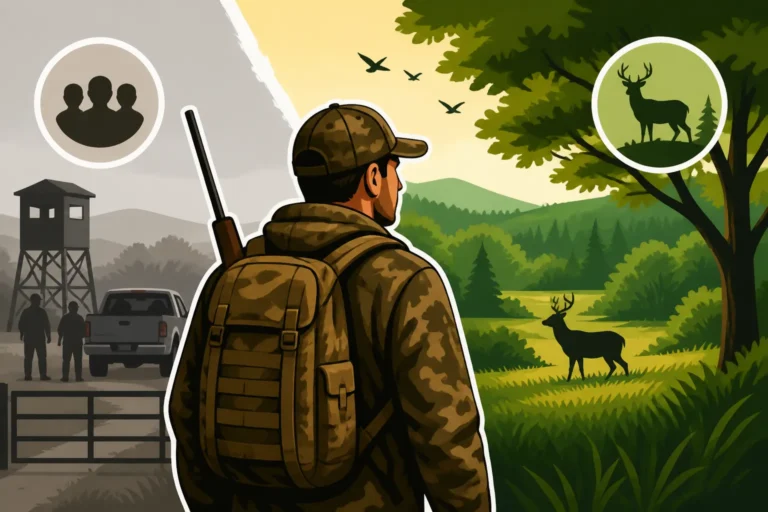
To help you visualize the trade-offs, here's a quick comparison of guided versus self-guided hunting:
| Feature | Guided Hunt | Self-Guided Hunt |
|---|---|---|
| Success Rate | Generally higher due to pre-scouted areas, expert knowledge. | Varies widely; dependent on hunter skill, research, and luck. |
| Cost | Higher upfront investment, but covers many amenities. | Lower upfront costs, but more hidden expenses (gas, gear, food). |
| Effort/Time | Minimal pre-hunt planning; focus on the hunt itself. | Significant time and effort for research, scouting, and planning. |
| Convenience | All logistics handled (lodging, meals, game recovery). | All logistics are your responsibility. |
| Learning | Opportunity to learn from experienced local guides. | Learning through personal experience, trial, and error. |
| Independence | Less autonomy; follow the guide's plan. | Complete control over every aspect of the hunt. |
| Access | Often on private, well-managed land with limited pressure. | Primarily public land, or private land secured independently. |
| Pressure | Typically lower due to managed access. | Can be high, especially on popular public lands. |
As you can see, each option has its distinct advantages and disadvantages. Your ideal choice will likely sit at the intersection of your budget, your desire for independence, and your hunting objectives.
Reputable Outfitters and Resources
If you decide that a guided hunt is the right choice for you, the next critical step is finding a reputable outfitter. Do your homework! Start by asking for recommendations from trusted hunting friends or online communities. Look for outfitters with a long track record of ethical practices and satisfied clients. Websites like BookYourHunt can be a good starting point for finding and comparing different operations across Alabama, offering a broad view of available services.
Don't be afraid to ask lots of questions. Inquire about the hunt style, the guide's experience, success rates (and how they define success), what's included in the price, and what the tipping policy is. Crucially, ask for references from previous clients and follow up with them. Learning Vetting an Alabama Outfitter Before You Book is vital. Pay attention to any red flags, such as vague answers, pressure to book immediately, or an unwillingness to provide contact information for past clients. A good outfitter will be transparent and eager to ensure you have a clear understanding of what to expect. Remember, a guided hunt is an investment in an experience, so make sure it's the right one for you. Also refer to articles like Questions to Ask Before Booking an Alabama Hunt.
There's no single right way to hunt Alabama. Whether you choose the path of the seasoned guide or the challenge of the self-reliant hunter, the important thing is to get out there, enjoy our incredible natural resources, and create memories that will last a lifetime. Good luck, and happy hunting!
Disclaimer
This article is for general informational purposes only and does not constitute professional advice. Laws, prices and regulations vary by location and change over time. Consult a qualified professional for guidance on your specific situation.