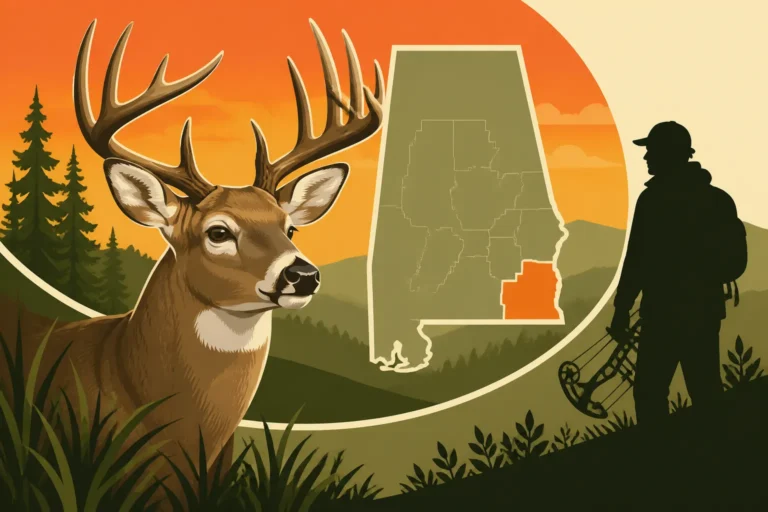
DeKalb County Public Hunting Ground
Finding accessible public hunting land in a specific county can sometimes feel like trying to solve a complicated puzzle, especially when you're not intimately familiar with every corner of the state. Many hunters in DeKalb County wonder where they can truly stretch their legs and pursue game without constant worry about private property lines. This guide aims to clear up that confusion, offering a comprehensive look at your public hunting options in DeKalb County, Alabama, and how to make the most of them.
Exploring Your Public Hunting Options in DeKalb County
DeKalb County, nestled in the northeastern part of Alabama, offers a mix of landscapes from rugged mountain ridges to fertile valleys. While it might not boast the sprawling national forests found in other parts of the state, it does present some valuable public hunting opportunities, primarily through its Wildlife Management Areas (WMAs). These areas are critical for providing hunters with regulated access and diverse habitats.
Little River Canyon Wildlife Management Area
One of the most significant public hunting assets in DeKalb County is the Little River Canyon Wildlife Management Area. This WMA is managed by the Alabama Department of Conservation and Natural Resources (ADCNR) and is part of the larger Little River Canyon National Preserve. It's a truly unique area, known for its deep canyon, waterfalls, and diverse flora and fauna. Hunting here requires not only a general Alabama hunting license but also an Alabama WMA Permit Requirement.
The terrain within Little River Canyon WMA can be quite challenging, featuring steep slopes, rocky outcrops, and dense cover. This ruggedness, however, also contributes to its appeal, as it can often mean less hunting pressure in the more remote sections. Deer, turkey, and small game are the primary species pursued here. Access points can be limited, so understanding the layout and planning your entry and exit routes meticulously is crucial. I've heard countless stories from hunters who underestimated the climb out of a ravine and ended up with a much longer, tougher trek back to their vehicle than they anticipated.
State-Leased Public Lands and Other Opportunities
Beyond Little River Canyon WMA, DeKalb County may also feature smaller, state-leased tracts of land that open for public hunting. These can vary year to year, so always check the latest ADCNR regulations and maps. Often, these smaller parcels are overlooked, which can translate into fantastic, low-pressure hunting experiences for those willing to do their homework. The key here is proactive research; don't just assume what was open last year is open this season. A quick check on the Outdoor Alabama website or a call to your local wildlife office can save you a lot of frustration.
It's also worth noting that some areas, particularly along river bottoms or larger creek systems, might have public access points that allow for limited hunting, especially for migratory birds or small game. However, these are typically very small corridors and demand extreme caution and awareness of surrounding private property. Using a robust mapping app like onX Hunt is absolutely essential here to avoid trespassing, as property lines can be incredibly convoluted near water sources.
Key Game Species and Seasons on DeKalb Public Lands
When you consider hunting in DeKalb County's public areas, you're primarily looking at deer, turkey, feral hogs, and a variety of small game. Understanding the general season structures and how they apply to these specific public lands is vital for a successful and legal hunt.
Deer Hunting in DeKalb
DeKalb County falls under specific deer hunting zones established by the ADCNR. Generally, the deer season structure includes archery, muzzleloader, and gun seasons. For archers, When Alabama's Archery Season Opens marks the start of a long and often productive season. The rugged terrain of areas like Little River Canyon WMA can make for challenging bowhunting but also offers opportunities for close encounters in thick cover if you're patient and scout well.
Gun season, while shorter, is typically the most popular. Hunters often find success by focusing on traditional deer sign like rubs, scrapes, and travel corridors along ridge lines and creek bottoms. After a poor acorn year, locating late-season food sources like honeysuckle or persimmon thickets becomes paramount. Remember, public land hunting often means adapting to pressure, so finding those less-traveled pockets where deer feel secure is a skill developed over time. You might have to walk a little further than you would on private land, but that extra effort often pays off big. The Alabama Deer Season Structure Explained provides a great overview of the various options and regulations you'll encounter.
Turkey Hunting Opportunities
Spring turkey season is a highly anticipated time for many hunters in DeKalb County. Wild turkeys thrive in the mixed hardwood and pine forests found across the county, including in the Little River Canyon WMA. Alabama Spring Turkey Zones and Dates will outline when you can chase those gobblers. The hilly and forested nature of the WMA provides ample roosting and foraging habitat.
Success often comes down to early-morning scouting to locate roosting birds and then employing classic run-and-gun tactics or setting up patiently near known strutting zones or travel routes. Decoy timing can be crucial, and Alabama has specific rules regarding their use. Later in the season, when gobblers might be "henned up," patience and subtle calling often win the day. Don't be afraid to put on some miles; covering ground and listening for those distant gobblers is often more productive than staying in one spot for too long.
Feral Hogs and Small Game
Feral hogs are present in DeKalb County and can be hunted year-round on private land without specific seasonal restrictions. On public lands like WMAs, however, hog hunting is typically permitted during established deer or turkey seasons, or during specific small game seasons. Always check the WMA's specific regulations, as these can vary. Hunting Alabama's Year-Round Feral Hogs delves into general strategies, but for WMA hunting, you'll want to focus on areas with fresh rooting sign, wallows, or dense cover near water sources.
For small game enthusiasts, DeKalb County offers good opportunities for squirrel and rabbit. Hardwood bottoms and mixed forests provide excellent squirrel habitat, especially when mast crops are abundant. Rabbit hunting can be productive in briar patches, fencerows, and thickets. These hunts are often more relaxed and a fantastic way to introduce new hunters to the field. Remember to carry your Alabama Small Game Season Rules with you, even if only on your phone, to stay compliant.
Strategies for Success on DeKalb County Public Ground
Hunting public land in DeKalb County presents its own unique set of challenges and rewards. It often requires more effort in scouting and strategy compared to private, managed lands, but the satisfaction of success is immense.
Pre-Season Scouting and Digital Tools
Effective pre-season scouting is paramount. With limited time, digital tools have become indispensable. Apps like onX Hunt provide detailed aerial imagery, property lines, and topographic maps that can help you identify potential pinch points, bedding areas, and food sources from your couch. You can mark waypoints for future stand locations, likely travel corridors, and potential entry/exit routes. This is especially helpful in rugged areas where getting turned around is a real possibility. I personally use it to double-check boundary lines so I don't accidentally stray onto private property, which is a major concern in areas with checkerboard land ownership.
While GoHunt is often geared towards Western hunters, the principles of e-scouting, understanding terrain, and identifying habitat features it promotes are universally valuable. Apply those same analytical skills to the DeKalb landscape. When you finally hit the ground, focus on finding fresh sign – rubs, scrapes, tracks, and droppings. Don't just walk the obvious trails; dive into the thick stuff that others might avoid. That's where the deer often hide. Remember to scout not just for game sign but also for other hunter sign; if you find too much, you might need to adjust your plans and find a more secluded spot. Scouting Alabama Public Land Before Season is a great resource to get you started.
Dealing with Hunting Pressure and Finding Seclusion
Public land, by its very nature, means sharing the woods. In DeKalb County, especially during opening weekends or peak rut, you can expect company. However, pressure isn't always a bad thing if you know how to use it to your advantage. Often, deer will adapt to hunting pressure by moving into thicker cover or shifting their movement patterns to daylight hours in less disturbed areas.
To find seclusion, you often have to walk further than most hunters are willing to go. Look for natural barriers like steep ravines, dense briar thickets, or creek crossings that deter casual hunters. These "unpleasant" areas are often overlooked and can hold undisturbed game. Consider hunting during weekdays or adverse weather conditions when fewer people are afield. The early bird truly gets the worm, but the dedicated hunter who walks the extra mile often gets the buck. Finding Ground Others Walk Past is all about this concept – don't just follow the crowd, break away and explore.
Stand Placement and Safety Considerations
Whether you're using a climbing stand, a hang-on, or a ground blind, placement is critical. On public land, you'll need to adhere to specific rules regarding tree stand types and how long they can be left up. Treestand Rules on Alabama Public Land covers these regulations. Always prioritize safety, especially in the rugged terrain of DeKalb County. Inspect your stand and harness before every hunt, and always use a safety line when ascending and descending.
When choosing a spot, consider wind direction, sun position, and your entry and exit routes. Think about how deer will approach and where your shot opportunities will be. If hunting from the ground, brushing in your blind naturally is key. And always, always let someone know where you're going and when you expect to be back, especially if you're venturing into those remote, rugged areas. Cell service can be spotty in the canyons and deep hollows of DeKalb County, so a reliable GPS device or app with offline maps is a lifesaver.
Understanding Regulations and Access in DeKalb
Navigating the rules and access points for public hunting in DeKalb County, particularly within a WMA, requires diligence. It's not enough to simply have your license; you need to understand the specifics of each area.
WMA-Specific Regulations and Permits
Beyond your general hunting license, most Wildlife Management Areas in Alabama, including Little River Canyon WMA, require a specific WMA license or permit. This permit helps fund the management and maintenance of these valuable public hunting grounds. These can typically be purchased online through the Outdoor Alabama website or at license vendors. Be sure to carry proof of this permit with you, either physically or digitally on your phone.
Each WMA often has its own set of rules that go above and beyond statewide regulations. These can include specific hunting dates that differ from the general season, restrictions on certain weapons or ammunition, bag limits that vary from the state average, and rules about vehicle access or camping. Always check the current year's WMA regulations for Little River Canyon before heading out. They usually publish a detailed brochure or pamphlet that outlines everything you need to know. Assuming statewide rules apply everywhere can lead to citations, or worse, losing your hunting privileges.
Access Points, Parking, and Trail Rules
Access to public lands in DeKalb County, especially within WMAs, is usually well-marked, but parking areas can sometimes be limited or fill up quickly. Arrive early, especially on opening days or during peak weekends, to secure a spot. Be mindful of parking only in designated areas to avoid tickets or having your vehicle towed.
Many WMAs have designated trail systems. Some might be open to ATVs during specific times or for retrieving game, while others are strictly foot traffic only. Respect these rules to preserve the integrity of the area and maintain positive relations with wildlife officials. When retrieving game, particularly a large deer, be aware of the terrain and plan your extraction carefully. Dragging a deer up a steep incline is no small feat, so consider using a game cart if the terrain allows, or having a buddy to help. Always think about how you'll get your harvest out before you ever take the shot.
Public Safety and Ethical Hunting
Hunting on public land means being acutely aware of other users – hikers, birdwatchers, and other hunters. Safety should always be your top priority. Always identify your target positively and be certain of what lies beyond it before taking a shot. Wear appropriate blaze orange during gun seasons, even if it's not strictly required in certain WMA situations, as it significantly increases your visibility to others. How Much Blaze Orange Alabama Requires will give you the statewide minimums.
Ethical hunting practices are also paramount. This includes respecting fair chase principles, properly field dressing and retrieving your game, and packing out everything you pack in. Leaving trash or gut piles in highly visible areas detracts from the public land experience for everyone. We are stewards of these lands, and our actions reflect on the entire hunting community. Let's make sure our impact is a positive one.
| Public Land Area | Primary Game Species | Key Features / Challenges | Essential Tools |
|---|---|---|---|
| Little River Canyon WMA | Deer, Turkey, Hogs, Small Game | Rugged terrain, steep ravines, dense cover, limited access points | onX Hunt, Offline GPS, reliable boots, call locator |
| Smaller State-Leased Tracts | Deer, Hogs, Small Game | Variable locations, often overlooked, can be bordered by private land, check annual updates | Current ADCNR maps, onX Hunt app, landowner contact info if available |
DeKalb County may require a bit more legwork and research to hunt successfully, but the opportunities for a rewarding outdoor experience are definitely there. With careful planning, adherence to regulations, and a good dose of perseverance, you can unlock some fantastic hunting memories in this corner of Alabama.
Disclaimer
This article is for general informational purposes only and does not constitute professional advice. Laws, prices and regulations vary by location and change over time. Consult a qualified professional for guidance on your specific situation.