When a Guided Hunt Is Worth the Extra Cost
Choosing to invest in a guided hunting trip in Alabama can feel like a huge decision, especially when you're weighing the cost against the allure of a self-guided adventure. Many hunters grapple with whether the significant financial outlay for a guide is truly "worth it," often wondering if they're just paying for something they could figure out themselves. This guide is here to help you navigate that exact dilemma, breaking down the factors that make a guided hunt an invaluable experience for some, and when it might be more beneficial to go it alone.
Understanding the "Extra Cost" of a Guided Hunt
Let's be real: guided hunts aren't cheap. The sticker shock can be enough to send anyone scurrying back to their maps and public land access apps. But when you truly unpack what that "extra cost" covers, it often reveals a sophisticated network of services, expertise, and resources that you might not be able to replicate on your own, or at least not without considerable personal investment of time and money. It’s not just about a person walking beside you; it’s about everything that goes into making that hunt possible and, ideally, successful.
Breaking Down What You're Paying For
When you sign up for a guided hunt, especially for popular game like deer or turkey in Alabama, you're not just paying for someone's time during the actual hunt. A significant portion of the cost goes into the guide's extensive knowledge of the local terrain, wildlife patterns, and specific behaviors of game in that particular region. They often spend countless hours scouting the property, monitoring trail cameras, and understanding current conditions—like recent mast crop failures or shifts in deer movement due to pressure. This pre-work means they've identified prime locations, established blind or stand setups, and know where to focus your efforts for the best chance at success.
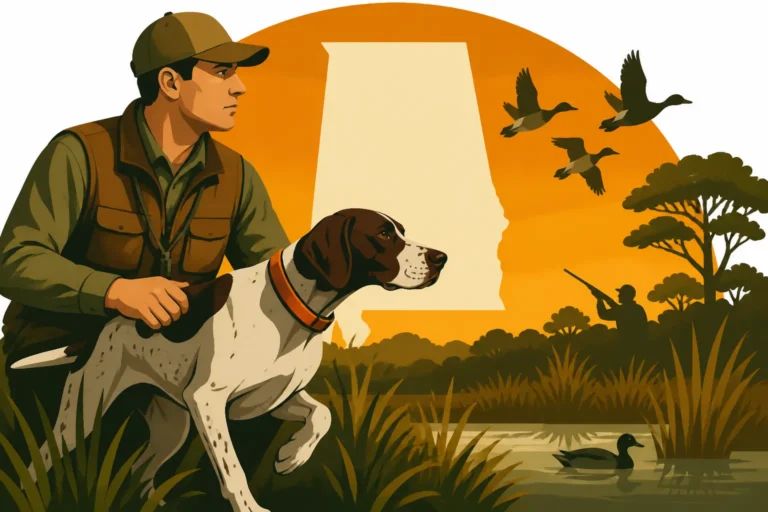
Beyond knowledge, you're paying for access to prime hunting ground, often private land that would otherwise be inaccessible. Many outfitters lease thousands of acres of well-managed property, meaning less hunting pressure, better habitat, and often healthier game populations. Think about the Black Belt region, known for its incredible deer hunting; securing private access there is a massive undertaking for an individual, but an outfitter provides it as part of the package. You’re also tapping into their equipment: specialized vehicles for tough terrain, quality blinds and stands, game retrieval tools, and even dogs for tracking or bird hunting. For example, a quail plantation hunt includes trained pointers and flushers, plus expert dog handlers. These are all expenses and efforts that, if you were to undertake them yourself, would quickly add up.
The Hidden Costs of Self-Guided Trips
While a self-guided hunt might appear cheaper on the surface, many hunters often overlook the substantial hidden costs and investments required to make it truly successful. First, there’s the sheer amount of time involved in scouting. If you’re hunting public land, you could spend days, weeks, or even months before the season opens, Scouting Alabama Public Land Before Season to find good sign, travel corridors, or ideal stand locations. That’s gas money, time off work, and wear and tear on your vehicle, all before you even pull a trigger. Then consider the gear: quality optics, reliable stands or ground blinds, scent control, and navigation tools like a GPS or a premium mapping app. These aren’t one-time purchases if you hunt regularly, and they require maintenance.
Travel itself is a significant, often underestimated, cost. Fuel for long drives to and from your hunting spot, especially for multi-day trips, can quickly accumulate. Lodging, whether it’s a hotel room or even just camping fees, adds to the bill. Food, permits beyond your basic license (like WMA permits), and the potential for lost or broken gear are all part of the equation. If you’re traveling to a new area, the learning curve can be steep, leading to unproductive days in the field, which, while not a direct financial cost, certainly feels like a wasted investment of your precious hunting time. When you factor in the sheer effort of Reading Aerial Photos for Piedmont Deer to find a spot, walking miles to your stand, then the physical exertion of dragging a deer out, the "free" aspect of self-guided begins to feel pretty expensive in its own way.
When Experience and Expertise Matter Most
For many hunters, the appeal of a guided hunt boils down to leveraging someone else's deep experience and specialized expertise. This isn't just about finding game; it's about making the most of your limited time, ensuring safety, and often, achieving a specific hunting goal that might be out of reach for an unguided individual. When you step into a new area or pursue a particularly challenging species, that guide's knowledge becomes a crucial asset.
Navigating Unfamiliar Territory
Alabama offers incredibly diverse hunting opportunities, from the deep swamps of the Mobile-Tensaw Delta to the mountainous terrain of the Talladega National Forest. Each region presents its own unique challenges and requires specific strategies. If you're traveling from out of state or even from a different part of Alabama, understanding these nuances can be daunting. A guide who lives and breathes hunting in that specific area possesses intimate knowledge of the land, local game populations, and even the subtle behavioral patterns of the animals influenced by weather, pressure, and food sources. They know where the deer bed in a Hunting a Ridge-Top Saddle for Rutting Bucks, how turkeys react to calls in pressured areas, or where ducks typically feed in specific water conditions.
Consider hunting the large public lands like the Bankhead National Forest. It's vast, rugged, and can be overwhelming. A local guide knows the access points, the prevailing winds on certain ridges, and where the deer transition between bedding and feeding areas. They can help you decipher the subtle signs that indicate fresh game movement and lead you to areas with less pressure. Without that local insight, you could spend your entire trip just trying to locate animals, missing out on valuable hunting time. This knowledge extends to safety as well, identifying potential hazards or helping you navigate difficult terrain you're not accustomed to.
Targeting Specific Game or Trophy Animals
If your goal is to harvest a specific type of animal, say a mature gobbler or a trophy whitetail, a guide can dramatically increase your odds. Guides often manage properties specifically for these outcomes, implementing strict harvest criteria and habitat improvements that foster older age classes and larger antlers. They understand Why the Black Belt Grows Big Bucks and put in the work to ensure those conditions persist. Their expertise isn't just about finding a deer; it's about finding the right deer. They'll know the travel routes of specific bucks, the preferred feeding areas during different phases of the season, and how to react to unexpected situations.
For instance, turkey hunting can be incredibly frustrating for newcomers or those unfamiliar with regional gobbler behavior. Alabama's turkeys can be notoriously challenging. A good guide knows the best Turkey Tactics for Black Belt Field Edges, how to call them in effectively, and when to be aggressive or patient. They’ve spent countless hours in the woods, learning the nuances of calling, scouting roost sites, and understanding how a bird will react to different setups. Their ability to read the situation, adapt calling sequences, and make crucial decisions in the moment is a skill honed over years, a skill that's hard to acquire in a short trip. Their focused approach eliminates much of the guesswork, allowing you to concentrate on the shot.
Maximizing Your Limited Time in the Field
One of the most compelling reasons to opt for a guided hunt, especially for those with demanding schedules or who travel long distances, is the unparalleled efficiency it offers. Time is often our most valuable commodity, and a guided trip is designed to maximize every moment you spend pursuing game.
The Value of Pre-Scouted Locations
Imagine arriving at your hunting destination already knowing that prime spots have been identified, stands are hung, and game cameras have captured recent movement. That's the reality a good guide provides. They’ve dedicated the off-season and the weeks leading up to your hunt to intensely scout the property, locate fresh sign, and monitor game activity. This means you don't spend valuable hunting time wandering around trying to figure out where to go. You're put directly into high-potential areas. This is especially crucial during short, intense hunting seasons like the spring turkey opener or specific windows of the deer rut.
For example, if you're flying into Alabama for a quick three-day deer hunt, you don't have time to learn a new piece of property. A guide will have done the homework, identifying where bucks are Hunting a Funnel Between Two Creek Bottoms or Hunting a Green Field Planted for Deer, or what late-season food sources are most active. This upfront work allows you to focus solely on the hunt itself, rather than the logistics and guesswork. This can be the difference between a successful, memorable trip and a frustrating, empty-handed one. Services like BookYourHunt can help you find outfitters who emphasize this kind of preparation, clearly outlining what their pre-hunt scouting includes.
Logistics and Comfort Beyond the Hunt
The value of a guided hunt extends well beyond the moment of the shot. Guides and outfitters typically handle all the logistical headaches that can eat into your hunting time and enjoyment. This includes everything from transportation to and from your stand, to field dressing the animal, and often, initial processing. After a successful harvest, especially of a large animal like a deer, the guide will assist with Dragging a Deer Out of a River Bottom or even loading it onto an ATV. This can be a huge relief, particularly in warm Alabama weather where quick and efficient handling of game is critical to preserve the meat.
Many guided hunts also include comfortable lodging, delicious meals, and a welcoming camp atmosphere. After a long day in the woods, knowing you have a warm meal and a cozy bed waiting, without having to worry about cooking, cleaning, or setting up camp, is a significant perk. This allows you to recharge fully, discuss the day’s events with your guide or fellow hunters, and truly enjoy the camaraderie of the hunt. This level of service transforms a hunting trip from a strenuous outdoor endeavor into a more relaxing, enjoyable vacation where the focus remains purely on the experience.
Situations Where a Guided Hunt Shines
While some hunters prefer the do-it-yourself approach for every outing, there are distinct circumstances where a guided hunt in Alabama offers undeniable advantages, often turning a challenging prospect into a rewarding success.
First-Time or Novice Hunters
For those new to hunting, or venturing into a new type of hunting like Spring Turkey Hunting in Alabama, a guided trip can be an invaluable educational experience. A seasoned guide acts as a mentor, teaching crucial skills like tracking, reading sign, calling, proper shot placement, and ethical recovery techniques. They can walk you through the entire process, from understanding game behavior to the intricacies of Rattling Volume in Thick Pine Cover or using a grunt call. This hands-on learning environment, away from the pressure of self-reliance, can build confidence and instill good habits from the start.
Safety is another huge factor for new hunters. A guide ensures safe firearm handling, proper treestand use, and awareness of surroundings, which is especially important on public lands or in unfamiliar terrain. They provide peace of mind, allowing you to focus on learning and enjoying the experience without constantly worrying about making a critical mistake. Plus, the chances of harvesting an animal on a guided trip are generally higher, providing that crucial early success that often hooks new hunters for life.
Non-Resident Hunters
Alabama’s diverse hunting opportunities attract hunters from all over the country. For non-residents, navigating new state regulations, understanding local zones (like Alabama's Five Deer Zones or Alabama Spring Turkey Zones and Dates), and finding accessible land can be incredibly complex. A guide simplifies all of this. They are intimately familiar with Alabama's hunting laws, bag limits, and reporting requirements (like Alabama Deer Reporting Rules), ensuring you stay compliant. Furthermore, securing private land access as a non-resident can be nearly impossible without local connections or significant financial investment in a lease.
A guide immediately provides access to prime hunting properties that might otherwise be unavailable. They handle the permitting process, advise on Alabama Nonresident Hunting License Options, and know the best times to hunt based on local rut cycles or migration patterns. This eliminates weeks, if not months, of research and logistical planning, allowing you to arrive, hunt, and focus on the experience, rather than wrestling with unfamiliar bureaucracy or trying to decipher maps of unknown territory. This is where platforms like GoHunt can be useful for initial research, but a local guide provides the real-world execution.
Physical Limitations or Accessibility Needs
Hunting can be physically demanding, and for individuals with certain physical limitations, or those seeking a less strenuous experience, a guided hunt can make the sport accessible. Many outfitters have specialized setups, such as comfortable ground blinds in easily accessible areas, or vehicles that can get you closer to your hunting spot than you could go on your own. They are equipped to handle game retrieval, which can be the most challenging part of a successful hunt for many.
Guides are also adept at adapting the hunting strategy to fit your capabilities. Whether it’s slower, quieter approaches for stalking, or setting up in areas that require minimal walking, they prioritize your comfort and ability to participate fully. This ensures that everyone, regardless of physical condition, can enjoy the thrill of the chase and the satisfaction of a successful hunt.
Specific Desired Outcomes (Trophy or High Success Rate)
If your primary goal is to harvest a true trophy animal or simply to maximize your chances of success within a limited timeframe, a guided hunt is often the most reliable path. Outfitters who manage private land typically invest heavily in habitat improvement, nutrition programs, and strict harvest management to produce bigger, healthier animals. They understand optimal Alabama Deer Antler Growth Timeline and have a history of producing high-quality bucks.
These operations often have a higher success rate because they control more variables. They can place you in the best locations at the optimal times, adapting to changing weather or game patterns. While no hunt guarantees a trophy, a guided hunt significantly increases the probability of encountering the caliber of animal you're seeking. For instance, if you're after a mature gobbler in a specific Hunting the Zone 1 Turkey Opener, a guide on well-managed land will have scouted birds and knows their patterns, giving you an edge over tackling unknown public ground.
When Self-Guided or DIY Might Be Better
While guided hunts offer significant advantages, there are equally compelling reasons why a self-guided or do-it-yourself (DIY) hunt might be the better choice for certain hunters and situations. It largely comes down to personal philosophy, available resources, and what you seek to gain from the hunting experience.
The Pure Joy of the Challenge
For many experienced hunters, the essence of the sport lies in the challenge of outsmarting game on their own terms. The satisfaction of pouring over maps, scouting a piece of public land for weeks, identifying subtle signs, and finally connecting with an animal solely through your own effort and skill is a profound reward. It's about the journey of learning the land, adapting to conditions, and problem-solving in real-time. This includes everything from deciphering Reading Alabama Mud for Fresh Deer Movement to mastering entry routes through tough cover.
These hunters often view the struggles and failures as integral parts of the learning process, deepening their understanding of wildlife and their own capabilities. There’s a unique sense of accomplishment when you locate a remote bedding area in the William B. Bankhead National Forest Hunting, meticulously hang a stand, and then successfully harvest a buck that you found and pursued entirely independently. It's a testament to personal dedication and woodsmanship, a feeling that a guided hunt, no matter how successful, can't quite replicate for this type of hunter.
Budgetary Constraints and Time Investment
Let’s face it, hunting can be an expensive hobby. If you’re working with a tighter budget, the significant investment required for a guided hunt might simply not be feasible. A self-guided trip, particularly on readily accessible public lands like Wildlife Management Areas (WMAs), allows you to control costs much more effectively. You can choose to camp instead of paying for lodging, pack your own food, and hunt closer to home to save on fuel. Your main expenses will be your Alabama Hunting Licenses and What They Cost, basic gear, and transportation.
If you have ample time to dedicate to scouting, learning a new area, and are comfortable with the inherent uncertainties of public land hunting, a self-guided approach can be incredibly rewarding and cost-effective. The "cost" here is primarily your time and effort, rather than a large lump sum. Many hunters prefer to spread their hunting budget over multiple self-guided trips throughout the season or target different species, rather than putting all their eggs in one expensive guided basket.
Here's a quick comparison of considerations:
| Feature | Guided Hunt | Self-Guided Hunt |
|---|---|---|
| Cost | Higher upfront, all-inclusive | Lower upfront, variable hidden costs |
| Time Investment | Low for hunter (pre-scouted, logistics handled) | High for hunter (scouting, planning, recovery) |
| Expertise | Provided by guide (local knowledge, strategy) | Developed by hunter (personal research, trial & error) |
| Access | Often private, well-managed land | Public land, potentially less pressure areas |
| Success Rate | Generally higher (due to guide's efforts) | Varies widely, depends on hunter skill & luck |
| Learning Curve | Accelerated (guide teaches) | Steep (learn by doing, trial & error) |
| Comfort/Logistics | High (lodging, meals, game recovery handled) | Variable (DIY, often more rugged) |
| Sense of Accomplishment | Shared with guide | Entirely personal, pure challenge |
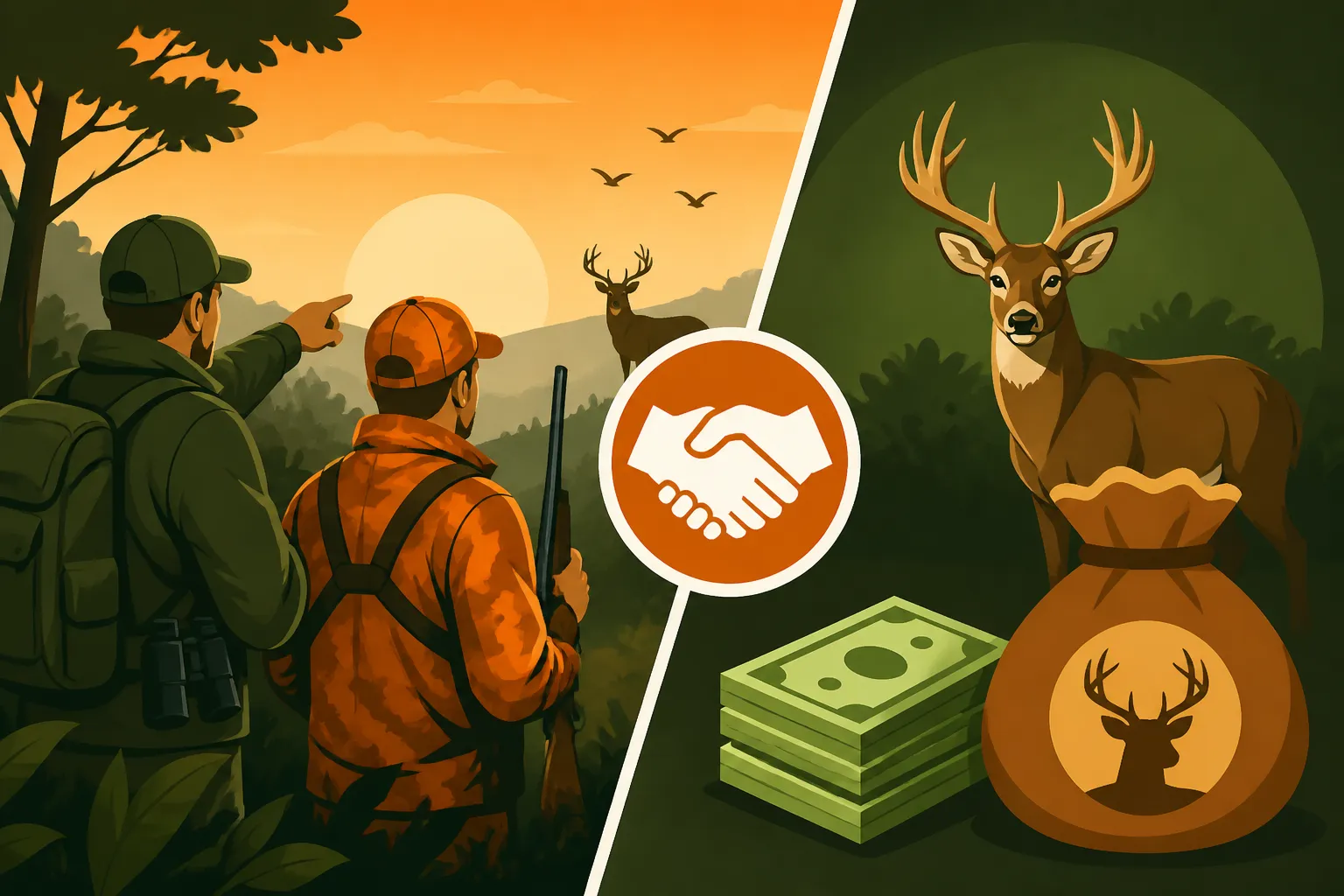
Ultimately, whether a guided hunt is "worth the extra cost" is a deeply personal decision influenced by your priorities, budget, time, and what you truly seek from your hunting experience. It's about weighing the tangible benefits of a facilitated, high-probability hunt against the intrinsic rewards and cost savings of a self-reliant adventure.
Disclaimer
This article is for general informational purposes only and does not constitute professional advice. Laws, prices and regulations vary by location and change over time. Consult a qualified professional for guidance on your specific situation.