Alabama Outfitters in the Wiregrass Region
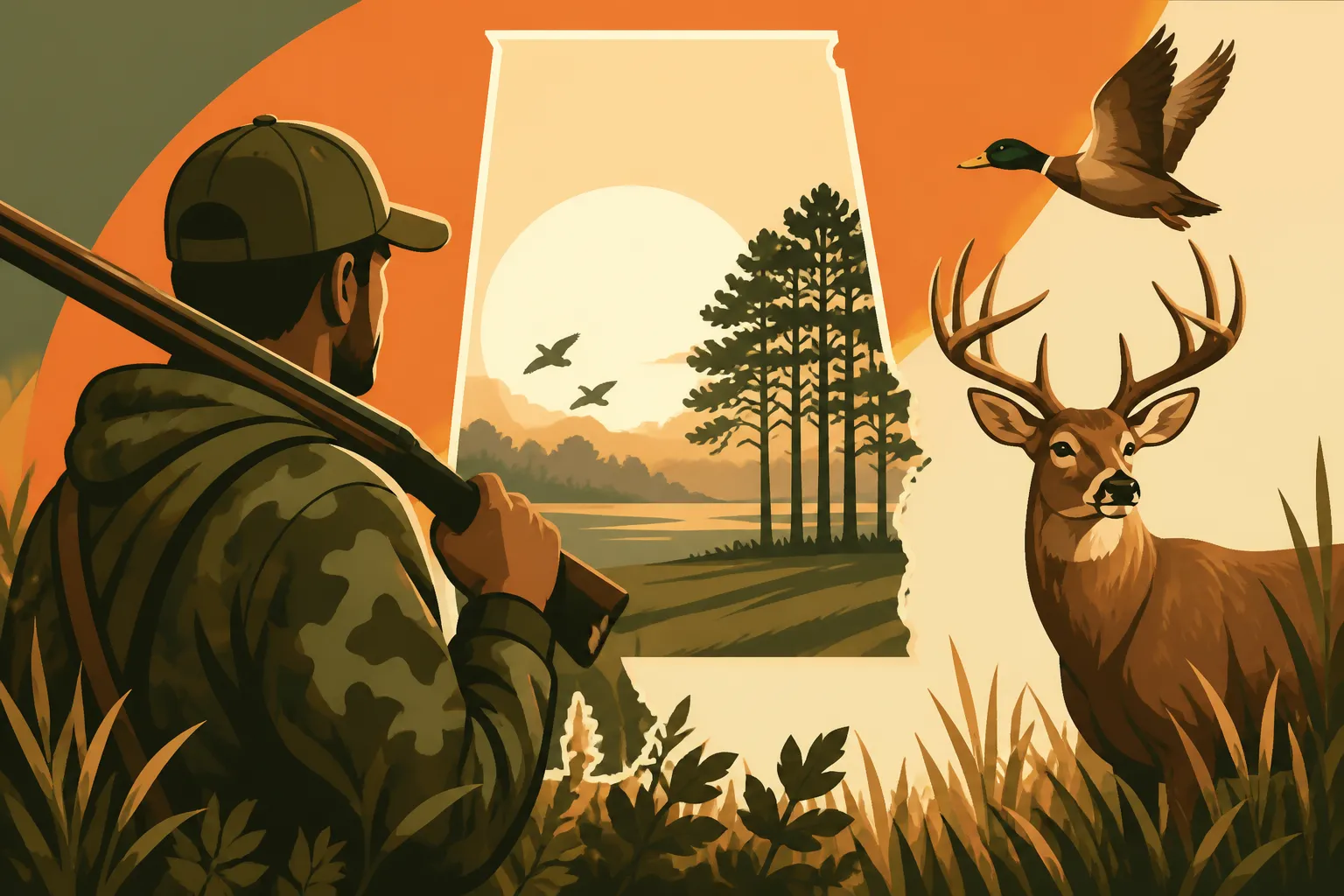
Hunting in a new region can feel like stepping into a labyrinth, especially when you're looking for that perfect guided experience. The Wiregrass region of Alabama, with its distinct blend of agricultural fields, sprawling pine plantations, and winding creek bottoms, offers a unique set of challenges and opportunities for hunters. If you're tired of sifting through vague descriptions and just want to know how to find a reputable outfitter who truly understands this specific landscape, you've come to the right place. This guide will help you understand what makes Wiregrass hunting special and how to confidently choose the right outfitter to make your Alabama hunting dreams a reality.
Understanding the Wiregrass Region's Unique Hunting Opportunities
The Wiregrass is a fantastic, if sometimes overlooked, part of Alabama for hunting. It's not the dramatic mountains of north Alabama or the famous Black Belt prairie, but it holds its own charm and some truly excellent hunting. Hunters new to the area, or those accustomed to other regions, might find the landscape a bit different, requiring specific tactics that local outfitters have mastered over generations.
The Landscape and Its Influence on Game
Picture this: vast fields of peanuts, cotton, and corn stretching out under the Alabama sun, interspersed with dense blocks of planted pines and meandering hardwood drains that follow the region's many creeks and rivers. This isn't dense, unbroken timber; it's a mosaic. Deer in the Wiregrass often find ample cover in these pine thickets, especially when they're young and dense, using them as bedding areas. They then venture out into the agricultural fields to feed, particularly after harvest, creating predictable travel corridors. Feral hogs absolutely thrive in this environment, using the thick cover and abundant food sources to their advantage, often rooting up fields overnight. Turkeys, too, utilize the mixed timber and field edges, especially in the spring, for roosting and strutting. Unlike the more diverse topography of other zones, the relatively flat to gently rolling terrain of the Wiregrass means understanding these patterns of cover, food, and water is absolutely critical.
Common Game Species Targeted in the Wiregrass
When you're looking at Wiregrass outfitters, you'll primarily find offerings for three main species: white-tailed deer, feral hogs, and wild turkeys. Each of these animals prospers in the region's habitat mix. Deer hunting here often revolves around those agricultural food sources and the dense pine cover. Outfitters will have stands strategically placed along field edges, pinch points between timber blocks, or overlooking planted food plots specifically for deer. Feral hog hunting is incredibly popular and productive, often pursued year-round due to their destructive nature and prolific breeding. Many outfitters specialize in hogs, offering hunts during daylight hours or under the cover of darkness. Turkey hunting, while seasonal in the spring, can be fantastic when gobblers are actively seeking hens in the open fields and timber edges. While less common for dedicated outfitter packages, some operations might offer small game hunts for squirrels or rabbits, especially in the hardwood bottoms, or even dove hunts over harvested fields during specific seasons. It's a region that offers a strong diverse bag of hunting experiences, but it's important to clarify what an outfitter primarily focuses on.
What to Expect from Wiregrass Outfitters
When you start digging into the options, you'll see a variety of hunt styles and packages on offer in the Wiregrass. Knowing what to expect can help you narrow down your choices and find an experience that matches your hunting preferences. Outfitters in this region often leverage their extensive private land leases to create controlled, high-quality hunting opportunities that are hard to replicate on public lands.
Deer Hunting Packages: From Day Hunts to Multi-Day Stays
Deer hunting is probably the bread and butter for many Wiregrass outfitters. You'll typically find packages ranging from single-day hunts to multi-day, all-inclusive experiences. A common scenario involves sitting in comfortable box blinds or ladder stands overlooking agricultural fields or strategically placed food plots. Outfitters often put a lot of effort into managing their properties, planting a variety of forage to attract and hold deer. For instance, an outfitter might have stands overlooking a lush clover plot or a standing soybean field, knowing exactly when the deer prefer these spots. Sitting a Field Edge in Late Season is a classic Wiregrass tactic, as deer will often be drawn to remaining food sources as other cover thins out. Guides will often drop you off before daylight, pick you up after the morning hunt, and then repeat for an evening sit. Multi-day packages usually include lodging, often in a comfortable lodge or cabin, and sometimes even home-cooked meals. When you're considering a deer hunt, always ask about the guide-to-hunter ratio, typical shot distances, and their specific rules regarding antler restrictions or doe harvest. Many outfitters focus on giving you a chance at a mature buck, and understanding their management goals is important. You might find a guide has intimate knowledge of how deer move between a standing cotton field and a pine thicket, and that local expertise is invaluable. Hunting a Green Field Planted for Deer is another common strategy, and outfitters here know precisely when those plots will be hot.
Feral Hog Hunts: A Year-Round Pursuit
Feral hog hunting in the Wiregrass is an absolute powerhouse, and outfitters offer a dynamic array of methods to tackle these prolific animals. Unlike deer or turkey, hogs can be hunted year-round on private land, making them a fantastic option for off-season trips or those simply looking for a high-action experience. You might find thermal imaging hunts where you go out after dark, using specialized optics to spot and stalk hogs under the stars. Night Hog Hunting Light Rules in Alabama are important to understand if you're considering this, as rules vary. Other outfitters specialize in dog-drive hunts, where a pack of bay dogs or catch dogs is used to locate and corner hogs, providing an adrenaline-pumping, close-quarters experience. Baiting is also a common and effective method, with guides setting up corn feeders or other attractants to draw hogs into specific areas for ambush. The sheer number of hogs in the Wiregrass means high success rates are common, making these hunts very appealing. When you see ads for hog hunts, you might notice varying price points depending on the method. For example, What a Guided Night Hog Hunt Costs might differ significantly from a day hunt with dogs due to the specialized equipment and techniques involved. Hogs are destructive and provide an excellent opportunity for meat, so many hunters find these hunts both thrilling and rewarding.
Turkey and Small Game Options
While deer and hogs dominate, the Wiregrass offers some quality wild turkey hunting in the spring. Outfitters typically focus on the traditional spring season, leading hunters through mixed pine and hardwood forests, along creek bottoms, and near field edges to call in gobblers. Turkey Tactics for Black Belt Field Edges provides a good example of how birds will use open areas adjacent to cover, a common sight in the Wiregrass. You might start your day trying to Calling an Alabama Gobbler Off the Roost, listening for those booming morning greetings. Guides here often excel at reading the birds and the terrain, knowing where gobblers prefer to strut and feed. It's a more active hunt than deer hunting, often involving a good deal of walking, setting up against trees, and patient calling sequences.
Dedicated small game hunts, like for squirrels or rabbits, are less common as standalone outfitter packages but might be offered as an add-on or during quieter periods of the year. Some properties will have fantastic squirrel populations in the mature hardwood drains that crisscross the agricultural lands, offering a fun, relaxed hunt. Always inquire if this is something you're interested in, as outfitters might be able to tailor an experience for you.
Choosing the Right Wiregrass Outfitter for Your Hunt
Finding the perfect outfitter is like finding the perfect piece of equipment – it needs to fit your specific needs, style, and budget. The Wiregrass is home to many reputable operations, but doing your due diligence is essential to ensure a safe, ethical, and enjoyable experience.
Key Questions to Ask Prospective Outfitters
Before you commit to anything, have a list of solid questions ready. Don't be shy; a good outfitter will be happy to answer them thoroughly. First and foremost, ask about their land access: how many acres do they lease or own, and is it exclusively for their clients? This impacts hunting pressure. You'll also want to know about their typical success rates for the species you're pursuing and how they define "success" (harvest opportunity, actual harvest, etc.). Inquire about what is explicitly included in the price: guiding services, lodging, meals, transportation during the hunt, field dressing, caping for taxidermy, and game recovery. Many hunters overlook the specifics of game processing. Does the outfitter help you get your deer to a processor, or is that entirely on you? Questions to Ask Before Booking an Alabama Hunt is an invaluable resource for structuring your conversation. Always clarify expected tipping practices for guides and lodge staff, as this is an important part of a guided hunt experience that shouldn't be overlooked.
Researching and Vetting Outfitters
In today's digital age, researching an outfitter is easier than ever, but it also means sifting through a lot of information. Start by checking out their website and social media channels. Look for consistent branding, professional photography, and recent updates. Online platforms like BookYourHunt can be excellent resources, allowing you to compare multiple outfitters in the Wiregrass region side-by-side, read reviews from past clients, and see detailed package descriptions. While these platforms are helpful, don't stop there. Contact the outfitter directly to chat, get a feel for their communication style, and ask for references from hunters who have recently hunted with them. Speak to those references and ask specific questions about their experience, the guide, the facilities, and the hunting itself. Be wary of any outfitter who is reluctant to provide references or whose claims seem too good to be true. Reading Outfitter Success Claims with a critical eye is important; understand that a 100% "opportunity" rate doesn't guarantee a harvest. Look for honest testimonials and transparent communication. GoHunt may also provide resources or forums where you can discuss experiences with other hunters who have been to the area.
Understanding Pricing and Inclusions
Hunting trip costs can vary wildly, even within the Wiregrass, so it's crucial to understand the breakdown. Factors influencing the price include the species you're after, the duration of the hunt (day hunt vs. multi-day), the level of amenities (basic cabin vs. luxury lodge), and whether meals are included. For example, Average Cost of a Guided Alabama Deer Hunt will often reflect these variations. Hog hunts, especially those using specialized thermal equipment, might have a different pricing structure than a standard deer hunt. Always get a written quote that clearly outlines everything included and any potential additional costs. Also, understand the deposit and cancellation policies. Life happens, and you want to know what your options are if you need to reschedule or cancel. While specific dollar figures fluctuate, understanding the shape of the cost—what drives it up or down—will help you compare apples to apples between different outfitters.
Preparing for Your Wiregrass Hunt
Once you've booked your hunt, the excitement really builds! But preparation is key to ensuring you have a smooth and enjoyable experience. The Wiregrass climate and terrain, while generally milder than other regions, still demand thoughtful packing and physical readiness.
Gear and Clothing Considerations
Alabama weather can be fickle, especially during deer and turkey seasons. A warm front can push temperatures into the 70s in December, while a cold snap can bring frosty mornings. Layering is your best friend. Pack moisture-wicking base layers, insulating mid-layers, and a waterproof/windproof outer shell. Even if the forecast looks clear, a pop-up shower is always a possibility. Good quality, broken-in hunting boots are a must, especially if you plan on walking to stands or participating in hog drives. Don't forget essentials like binoculars, a rangefinder, a sharp knife, a headlamp, and scent-control products if you're deer hunting. For firearms, ensure your rifle is sighted in and you're proficient with it. Always confirm any caliber restrictions or specific weapon rules with your outfitter well in advance. Bowhunters should ensure their setup is tuned and they've practiced at varying distances.
Physical Preparation and Expectations
The Wiregrass terrain is generally less physically demanding than mountainous regions, but that doesn't mean it's a couch-potato hunt. If you're doing a multi-day deer hunt, you'll likely be sitting for extended periods in stands, which can take a toll if you're not used to it. For hog hunts, especially dog drives, you could be doing a fair bit of walking through thick cover. Turkey hunting is inherently mobile, often involving significant walking, stopping, and setting up quickly. Being in reasonable physical shape will greatly enhance your enjoyment and increase your chances of success. Beyond physical readiness, it's crucial to have realistic expectations. While outfitters work hard to put you on game, hunting is never a guarantee. Enjoy the process, the camaraderie, and the beauty of the Alabama outdoors. The Wiregrass is known for quantity of game, especially hogs, but trophy deer can still be elusive.
Licenses and Regulations
This is absolutely non-negotiable: make sure you have all the necessary Alabama hunting licenses and permits before you arrive. You can usually purchase these online through the Outdoor Alabama website, and it's always best to do it well in advance to avoid any last-minute stress. Alabama Hunting Licenses and What They Cost will give you an idea of the types of licenses available for residents and non-residents, and Buying Alabama Permits Online Versus by Phone details the convenient purchasing options. Don't forget your Harvest Information Program (HIP) certification if you plan on hunting migratory birds like doves or ducks, and a federal duck stamp if you're waterfowling. Many outfitters will also require you to check your game through Alabama's Game Check system, and it's good to familiarize yourself with this process ahead of time. Always carry your license and identification with you while hunting, whether physically or digitally on your phone via the Outdoor Alabama app. Staying compliant with all state regulations ensures a hassle-free and ethical hunt.
| Hunt Type | Primary Species | Typical Methods | Seasonal Window | Key Considerations |
|---|---|---|---|---|
| Deer Hunt | Whitetail Deer | Stand hunting over food plots/cut-overs, still-hunting | Archery & Gun Seasons | Focus on local knowledge, often private land access |
| Feral Hog Hunt | Feral Hogs | Thermal imaging, dog drives, baiting | Year-round (private land) | Population control, high success rates, flexible timing |
| Turkey Hunt | Wild Turkey | Roosting, calling, run-and-gun | Spring Season (March-May) | Weather-sensitive, requires patience, good calling skills |
| Small Game Hunt | Squirrel, Rabbit | Stalking, still-hunting, dog trailing | Fall/Winter (Specific Dates) | Often an add-on, less common for dedicated outfitters |
| Dove Hunt | Mourning Dove | Pass-shooting over fields, water holes | Fall (Multiple Splits) | Requires HIP certification, specific field setups |
Disclaimer
This article is for general informational purposes only and does not constitute professional advice. Laws, prices and regulations vary by location and change over time. Consult a qualified professional for guidance on your specific situation.