Photography and Trophy Care at the Lodge
There’s nothing quite like the rush of a successful hunt, and when you’re wrapped up in the moment, it’s easy to forget about those crucial details that turn a great memory into a lasting one. Many of us arrive at an Alabama hunting lodge with dreams of not only a successful harvest but also beautiful photos and a perfectly preserved trophy. Yet, between the excitement, the fading daylight, and the necessary field dressing, those dreams can quickly get lost in the shuffle. This guide is all about making sure you’re prepared to capture those incredible moments and handle your trophy with the care it deserves, ensuring your Alabama hunting adventure lives on far beyond the field.
Capturing the Memory: Photography Best Practices at the Lodge
You’ve put in the time, planned the trip, maybe even used resources like BookYourHunt to find the perfect Alabama outfitter. Now, the moment of truth has arrived, and you’ve connected with your animal. The first instinct is often to get a quick snapshot, but a little foresight can turn a hasty cellphone photo into a cherished memory that truly honors the animal and your experience. Good photography isn't just about showing off; it's about respecting the animal and creating a visual narrative of your hunt.
Getting the Shot: Planning for Post-Harvest Photos
The best time to think about your trophy photos is actually before the hunt even begins. When you're talking with your guide or lodge manager, ask them about their standard operating procedures for post-harvest photography. Do they have a designated spot? Are the guides skilled at taking pictures? What's the typical timeline after an animal is down? This pre-planning can save a lot of stress and disappointment later.
Once your animal is on the ground, the clock starts ticking, but don't rush into snapping pictures. Take a moment to compose the scene. The "golden hour"—that time just after sunrise or just before sunset—offers the most flattering, soft light. If you're stuck with harsh midday sun, try to position the sun behind you or find some natural shade. Avoid direct overhead sunlight, which can create unflattering shadows.
Pay close attention to the background. You want a natural, clean backdrop that highlights the animal and the landscape, not the back of a pickup truck, a messy camp, or a trash can. Find a patch of woods, a field edge, or a scenic vista. Clear away any distracting debris like extra gear, water bottles, or even dead leaves that clutter the frame. For a truly respectful photo, avoid placing the animal in a way that suggests "ground shrinkage" – position it naturally, as if it's bedded down, or with its head up if that’s comfortable and safe. Take care to wipe away any excess blood from around the wound or the animal's mouth. Tuck the tongue back in. These small steps make a huge difference in the final photo, creating an image that's both authentic and honorable.
Don't forget to get a variety of shots: close-ups of the antlers or beard, wider shots with you and the animal in the environment, and perhaps a shot of just the animal itself. If you're hunting with a buddy, have them take some photos of you, and vice-versa. Often, guides are happy to help, but their priority is usually immediate field dressing and recovery, so communicating your desire for quality photos upfront is key. Consider reading What's Included in an All-Inclusive Deer Package to see if photography services are explicitly mentioned by an outfitter.
Common Photography Pitfalls and How to Avoid Them
It’s happened to all of us: you get home, review the photos, and realize they just don't do the moment justice. One of the biggest pitfalls is rushing the process. The excitement is high, and the desire to get back to camp or start processing the animal is strong, leading to hurried, poorly composed photos. Slow down, take a deep breath, and dedicate a few minutes to getting it right.
Another common issue is poor lighting. As mentioned, harsh midday sun can wash out colors and create deep, unflattering shadows. If you absolutely cannot wait for better light, try to use your body or a hat to create some shade on the animal's face, or use a fill flash if your camera has one (though natural light is almost always preferred).
Distracting backgrounds are a notorious photo killer. Imagine a magnificent buck laid out, but in the background, there's a tangled mess of logging equipment, a rusty shed, or a heap of hunting gear. These elements steal attention from your trophy. Always scan your background and foreground before snapping the shot. If you're on public land or a less managed lease, this might mean moving the animal a short distance to a cleaner spot, or simply changing your angle. For a new hunter considering a guided trip, it's a good idea to check out Questions to Ask Before Booking an Alabama Hunt which should include inquiries about how the lodge handles post-harvest photos.
Finally, not taking enough photos is a mistake. Digital photography is free! Take dozens of shots from different angles, distances, and poses. You can always delete the bad ones later. What seems like a trivial detail at the moment might be the exact angle you wish you had later for a mounting reference or a framed picture. If you're a solo hunter, consider a tripod or finding a stable surface to set your camera, utilizing a timer or remote shutter release to get yourself in the picture with your well-earned trophy.
From Field to Mount: Understanding Trophy Care and Preparation
The moment you harvest an animal, a new phase of care begins if you intend to have it mounted. This isn't just about preserving the meat; it's about preserving the hide and skull in a way that allows a taxidermist to create a lifelike mount. Many hunters underestimate the critical role immediate field care plays in the quality and longevity of their trophy.
Immediate Field Care for a Quality Mount
The initial field care of your trophy is paramount. Any damage or improper handling in the first few hours can significantly impact the quality of the final mount, sometimes even rendering a cape unusable. Your primary goal is to keep the hide clean, cool, and free from moisture and damage.
First, when field dressing, be extremely careful not to cut into the hide of the neck or brisket area if you're planning a shoulder mount. Many novice hunters, in their haste, will make a cut too far forward, limiting the taxidermist's options. A good rule of thumb is to make a circular cut around the body behind the front legs, then make a straight cut along the top of the neck to the back of the head. Avoid cutting through the ears or lips. For a full shoulder mount, you typically need plenty of brisket hide.
After field dressing, clean any blood from the hide as best you can with water or snow, especially around the face and neck. Blood can stain the hair and attract insects. Once clean, get the animal cooled down as quickly as possible. Heat is the enemy of hides, causing hair slippage (when the hair detaches from the skin), which is irreversible. If it’s warm weather, prop the animal open to allow air circulation. If you have ice, you can pack it into the body cavity. Protecting the cape from direct sun exposure is also vital; drape it with a tarp or blanket if you have a long retrieve ahead. This initial care isn’t just good practice; it's essential for a beautiful mount. Some lodges and outfitters, especially those found on platforms like GoHunt, will have specific protocols for trophy care, so always ask.
Caping and Freezing: What the Lodge Provides
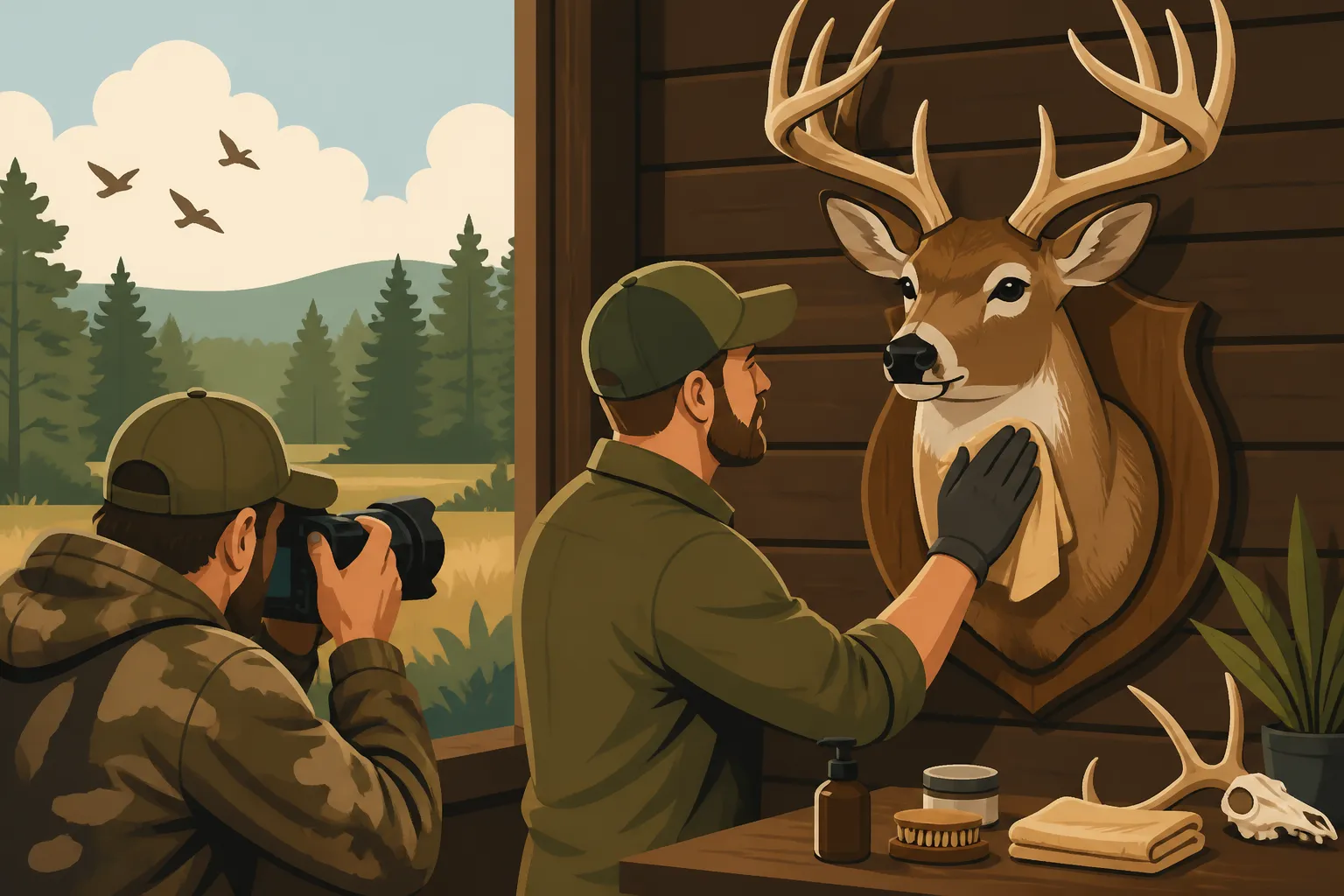
Once back at the lodge or camp, the next steps involve caping and freezing. "Caping" is the process of skinning the hide off the head and neck, separating it from the skull. This is a delicate process that requires precision to avoid cutting into the eyelids, lips, or nose, which are crucial for a realistic mount. Most quality lodges will offer caping services, either performed by the guides or an onsite professional. It's important to clarify if this service is included in your hunt package or if it's an additional fee. Never assume it's free. The cost shape is usually a per-animal fee.
After the cape is removed, it needs to be properly preserved. Freezing is the most common and effective method for hunters to transport a fresh cape. The lodge should have ample freezer space available. The cape should be rolled up neatly, hair-side out, and placed into two heavy-duty plastic bags to prevent freezer burn and to contain any moisture. It's crucial that the cape is frozen solid before transport, especially if you're traveling a long distance.
Some lodges might offer to salt the hide rather than freeze it, especially if you plan to ship it. Salting is a traditional preservation method that draws out moisture, preventing bacterial growth. If this option is offered, ensure the hide is thoroughly salted on the flesh side, rolled up, and placed in a breathable bag (like a burlap sack) for transport. Always confirm these details with your outfitter beforehand. Understanding Taxidermy Arrangements Through an Alabama Guide will give you a better idea of what to expect for these services.
Working with Your Lodge and Outfitter on Trophy Logistics
A successful hunt is a team effort, and managing your trophy from the field to your wall is no different. Clear communication with your outfitter and understanding the logistics involved are critical, especially if you're a nonresident or dealing with multiple service providers.
Communicating Your Trophy Expectations
Before you even step foot in the woods, discuss your trophy plans with the lodge or outfitter. Are you looking for a shoulder mount, a European mount, or just a skull plate for a euro? This information helps them prepare for the correct caping style and ensures they understand your expectations. Don't be shy about asking specific questions, like "Does your guide team perform the caping, or do you have a dedicated person?" or "What's your process for protecting the cape if we're hunting in warm weather?"
Be clear about whether these services are included in the price of your hunt. Many times, basic field dressing is included, but expert caping and freezer storage might incur additional charges. Understanding these extra fees upfront prevents any surprises later. When you're comparing outfitters, perhaps through a platform like BookYourHunt or GoHunt, look for those that explicitly detail their trophy care services. A reputable outfitter will be transparent about what’s covered in What an Alabama Deer Hunt Package Includes versus what costs extra.
| Service Category | Typical Lodge Provision | Additional Cost Shape |
|---|---|---|
| Photography | Basic field photos | Professional photography package (rare) |
| Field Dressing | Included | None |
| Caping | Often offered | Per-animal fee |
| Freezer Storage | Usually included | Extended storage fee (rare) |
| Skull Cleaning | May be offered for European mounts | Per-skull fee |
| Shipping Prep | Packaging, labeling | Material cost |
| Taxidermy | Referral to local taxidermist | Client's direct cost with taxidermist |
Arranging for Your Taxidermy and Shipping
Most Alabama lodges will have a relationship with one or more local taxidermists. They can often transport your cape and skull directly to their preferred taxidermist for you, which can be a huge convenience. This simplifies the process, as the taxidermist knows the lodge's standards and often communicates directly with them. Make sure you get the taxidermist's contact information and discuss your desired mount, pose, and any specific details before you leave. This direct communication is crucial to ensure your vision for the mount is clearly understood.
If you prefer to use your own taxidermist back home, you'll need to arrange for shipping. Frozen capes can be shipped via overnight or two-day air in insulated coolers. This can be costly, but it ensures the cape remains frozen. Alternatively, if the hide has been properly salted and dried, it can be shipped via ground services, which is generally more economical but requires a longer transit time. Always confirm shipping regulations with the carrier and your chosen taxidermist. Some taxidermists prefer specific packaging or shipping methods. Check out Shipping Game Meat Home After an Alabama Hunt for general shipping considerations, as some of the logistical challenges can overlap for trophies. It’s always best to get a Getting a Written Quote From an Alabama Outfitter that outlines these services and costs.
The cost of taxidermy itself varies widely based on the size of the animal, the type of mount (shoulder, pedestal, full body), and the complexity of the pose. Always get a detailed quote from your taxidermist. Remember, this is a separate cost from your hunt, and often one of the larger expenses beyond the trip itself.
Tips for Non-Resident Hunters
Hunting in Alabama as a nonresident adds a few layers of complexity to trophy logistics. First and foremost, understand the state's regulations regarding carcass movement, especially if you’ve been hunting in or near the Chronic Wasting Disease Management Zone. There might be restrictions on bringing certain parts of the animal out of the state or even out of specific counties. Always consult the Alabama Department of Conservation and Natural Resources (ADCNR) regulations.
When booking your hunt, especially if you're using a platform like BookYourHunt or working with a Booking Through an Alabama Hunt Broker, explicitly ask about nonresident trophy handling. Outfitters who cater to out-of-state clients will be well-versed in the necessary paperwork and logistics. They can advise on the best shipping methods, connect you with taxidermists experienced in shipping across state lines, and ensure you have all the proper tags and documentation to legally transport your trophy home.
It's also a good idea to factor in the potential cost of shipping when budgeting for your trip. Shipping a frozen cape across the country can easily add a significant amount to your overall hunting expenses. Confirm with your outfitter if they have experience in this and if they can assist with packaging or arranging the pickup. Don't forget that What License Fees a Guided Hunt Does Not Cover will certainly include any trophy processing or shipping costs. Planning is key to a smooth, stress-free end to your Alabama hunting adventure.
Disclaimer
This article is for general informational purposes only and does not constitute professional advice. Laws, prices and regulations vary by location and change over time. Consult a qualified professional for guidance on your specific situation.