Alabama Fawn Survival Rates
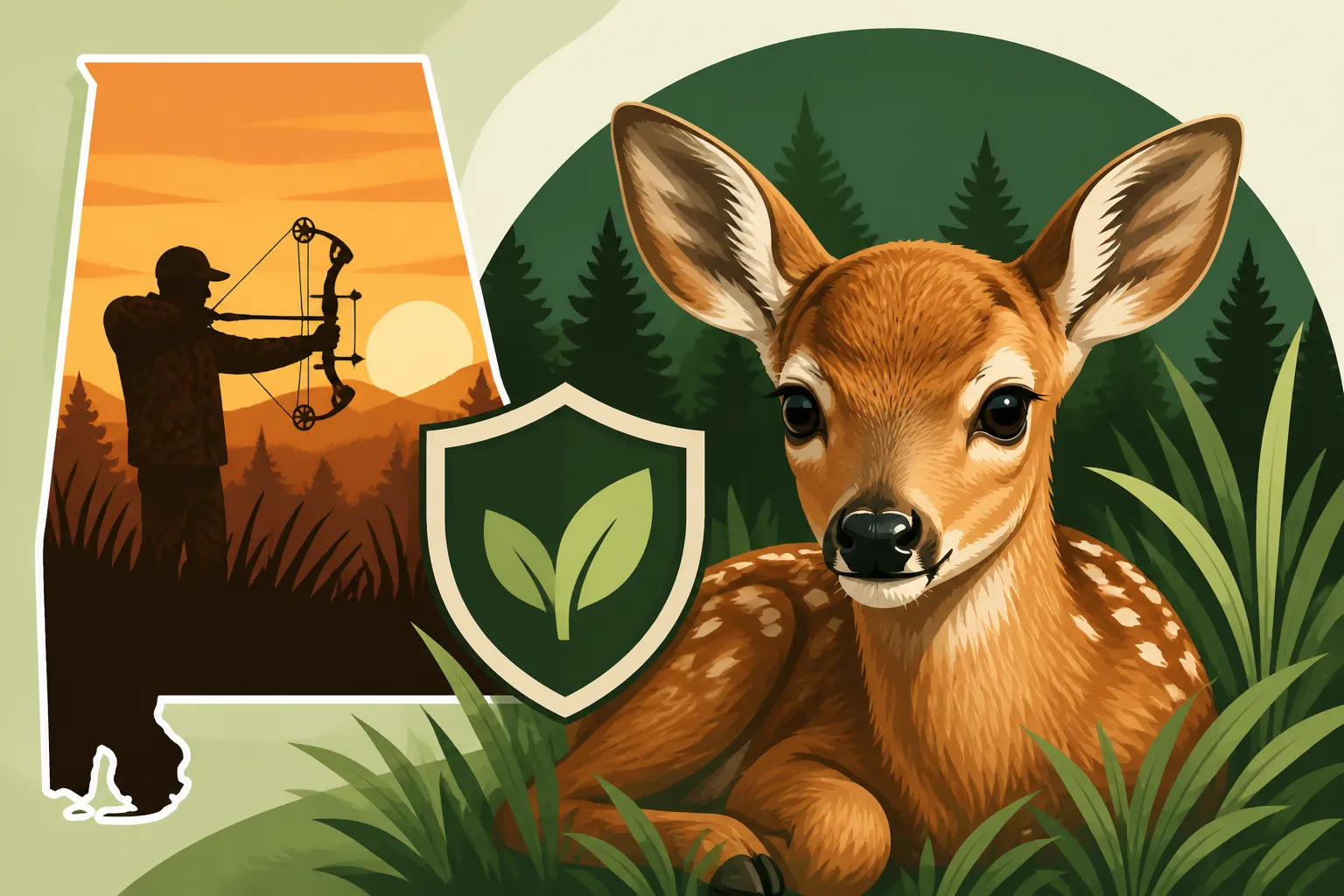
The arrival of new fawns each spring is a hopeful sign for Alabama's deer hunters, but the reality is that a significant number of these vulnerable youngsters won't make it to their first birthday. Understanding Alabama's fawn survival rates and the numerous challenges these tiny deer face is crucial for appreciating the health and dynamics of our state's deer herd. This guide will explore the harsh realities and critical factors influencing fawn survival across Alabama.
The Gauntlet Alabama Fawns Face: Major Threats to Survival
The first few weeks and months of a fawn's life are undeniably the most dangerous. They are small, relatively defenseless, and face a host of threats from the moment they drop. It's a true gauntlet that tests the resilience of the herd.
Predation: A Constant Danger
Predation is often cited as the leading cause of fawn mortality, especially within the first few weeks post-birth. Coyotes, in particular, have a significant impact across much of Alabama. These efficient predators are opportunistic and actively hunt fawns during their most vulnerable stage when they rely on camouflage and stillness to avoid detection. While a healthy doe will fiercely defend her fawn, she can't be everywhere at once, and a clever coyote can easily slip in. Coyotes and Predators in Alabama is a topic many hunters discuss, and for good reason—their impact on fawn recruitment is undeniable.
Beyond coyotes, other predators also play a role. Bobcats are stealthy hunters capable of taking down a fawn, particularly in areas with good cover. Even feral hogs, while not primary predators, are opportunistic and have been documented preying on fawns, especially if they stumble upon a hiding spot. The sheer number of How Many Feral Hogs Alabama Has means this threat, though secondary, cannot be ignored, particularly in river bottom habitats where both hogs and fawns might congregate. The early weeks, when fawns are primarily bedded down and relying on scent and camouflage, are the riskiest, as predators actively search these areas.
Habitat Quality: A Matter of Life and Death
The quality and availability of suitable fawning habitat are paramount to survival. Fawns need dense, protective cover where they can hide undetected from predators. This could be thick briar patches, regenerating clear-cuts, dense pine plantations, or overgrown fencerows. Does instinctively seek out these areas to drop their fawns, providing them with the best chance of survival. If such cover is scarce, fawns are forced to hide in more open areas, increasing their exposure to predators.
Good habitat also means good nutrition for the does. A healthy, well-nourished doe is more likely to give birth to robust fawns, and she'll have the energy reserves needed to produce ample milk, fostering rapid early growth. This early growth can be critical for a fawn to gain strength and agility to escape danger as it gets older. Areas with diverse forage, like those found in Alabama Longleaf Pine and Quail Habitat or rich bottomlands, often support healthier does and thus healthier fawns. Tools like GoHunt can help hunters identify areas on their property or public land that offer this critical fawning cover, allowing them to focus habitat improvements or adjust their hunting pressure accordingly.
Disease and Environmental Stressors
While less consistent than predation or habitat, disease outbreaks and severe weather events can also significantly impact fawn survival rates. Epizootic Hemorrhagic Disease (EHD), for instance, can cause localized die-offs, and while it primarily affects older deer, it can weaken does, making their fawns more vulnerable or impacting future reproductive success. We've seen EHD Die-Offs in Alabama Deer periodically, and while heartbreaking, they are a natural part of herd dynamics.
Extreme weather events can also take a toll. Prolonged periods of heavy rain can lead to hypothermia in young fawns, especially if they are unable to find dry bedding. Conversely, intense, sustained heat waves can cause heat stress and dehydration. While fawns are hardy, these environmental extremes, particularly in their first few weeks when they are not fully mobile or thermoregulating efficiently, can be devastating. A late-season cold snap after an early warm spell can be particularly deadly for early-born fawns, as can a severe drought impacting a doe's lactation.
Unpacking the Numbers: Typical Fawn Survival Rates in Alabama
It’s tough to put an exact number on fawn survival, as it varies so much, but research gives us a good picture of what’s happening in Alabama. These aren't just wild guesses; they come from dedicated studies by wildlife biologists.
The Average Picture: What Research Shows
Across various studies conducted in different parts of Alabama, fawn survival rates from birth to six months generally fall into a range, often between 30% and 60%. This means that for every ten fawns born, only three to six of them might make it through their first half-year of life. That's a pretty stark reality, isn't it? These figures highlight just how tough those initial months are. While some years and locations might see higher rates approaching 70%, others, particularly those with high predator densities or poor habitat, can drop below 30%. This broad range is a testament to the complex interplay of factors at play.
These numbers are often gathered through rigorous methods, like capturing and collaring newborn fawns with small GPS transmitters that alert researchers if a fawn stops moving. This allows biologists to investigate the cause of mortality and better understand the threats. Without this kind of scientific rigor, it would be purely anecdotal. When you look at the Alabama Deer Population Estimate, fawn survival is a huge component of what drives that number up or down year to year.
Understanding the Variability
Why such a wide range? As we touched on earlier, it's not a single factor but a combination of them. Predator populations can fluctuate; a good year for coyotes might mean a tougher year for fawns. Habitat conditions change with timber operations, agricultural practices, and natural succession. A mild, wet spring might offer lush forage and plentiful cover, while a scorching, dry summer could deplete resources and stress does. Even the timing of the fawn drop can influence survival, with very early or very late fawns facing different sets of challenges.
This variability also underscores why managing a deer herd is so complex. There's no one-size-fits-all solution, and what works in one county might not be effective in another. Knowing the local conditions, whether through personal observation, trail cameras, or tools like GoHunt that provide satellite imagery and land ownership data, becomes invaluable for any serious hunter or land manager trying to impact their local deer population positively. Understanding these dynamics is part of knowing How ADCNR Counts the Alabama Deer Herd and determines future hunting regulations.
Regional Differences in Alabama Fawn Survival
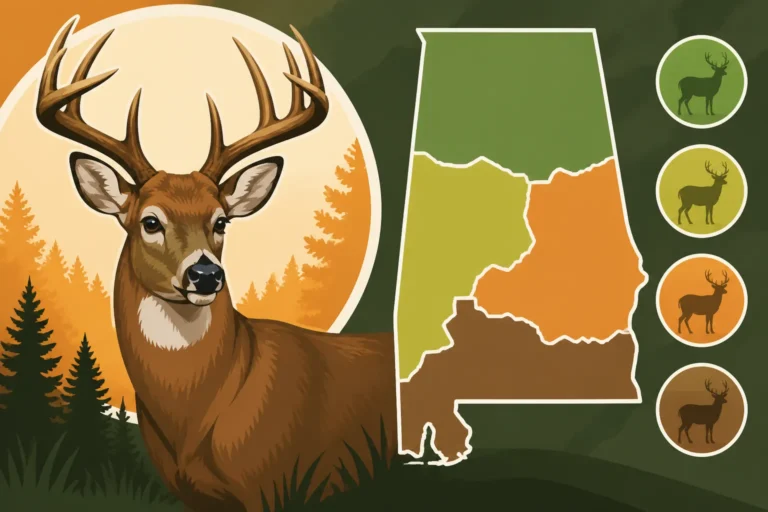
Alabama is a diverse state, geographically and ecologically, and these differences directly translate to varying fawn survival rates across its distinct regions. What’s true in the rich Black Belt might not hold in the rocky foothills of the Piedmont or the sandy soils of the Wiregrass.
The Black Belt Region: Feast and Famine
The Black Belt region, renowned for its rich soils and agricultural abundance, often boasts some of the healthiest deer populations in Alabama. The fertile land supports lush vegetation, providing does with excellent nutrition, which can lead to healthier, larger fawns at birth and stronger lactation. This nutritional advantage can give fawns a better start in life. In many areas, excellent cover exists in the form of overgrown field edges, bottomland thickets, and regenerating timber stands, offering crucial hiding spots. This is part of Why the Black Belt Grows Big Bucks – not just genetics, but sustained health from birth.
However, the Black Belt isn't without its challenges for fawns. While the habitat can be superb, certain areas can also have high predator densities, particularly coyotes and feral hogs drawn to the agricultural landscape. Fawn survival here can be a delicate balance between abundant resources providing a strong start and the ever-present threat of predation. Hunters often report seeing multiple fawns with does, a good sign of successful recruitment, but losses are still significant. Hunting Black Belt Prairie Farmland Deer often involves navigating these rich but predator-heavy landscapes.
Piedmont and Mountain Regions: Tougher Terrain, Different Pressures
As you move into Alabama's Piedmont and mountain regions, such as those bordering the Talladega National Forest or the Bankhead National Forest, the landscape shifts. The soils are generally less fertile than the Black Belt, which can impact overall deer nutrition, leading to potentially smaller fawns or less vigorous does. The terrain is often more rugged, with more mature hardwood forests and pine stands. While these areas offer vast tracts of public land, the cover for fawns might be different—more open timber with dense undergrowth in specific pockets, rather than expansive thickets.
Predator pressure is still a factor here, though perhaps with different dynamics. North Alabama Deer Density can vary significantly depending on habitat fragmentation and land use. Fawns in these areas might rely more heavily on steep terrain, rock outcrops, and dense laurel thickets for concealment. Weather patterns can also be more pronounced, with colder winters and more dramatic elevation changes, which could affect fawns born at extreme ends of the birthing window. Understanding Reading a Ridge for North Alabama Deer can even help predict fawning areas, as does often seek out secluded spots.
Coastal Plain and Wiregrass: Unique Southern Challenges
Down in the Coastal Plain and Wiregrass regions of South Alabama, fawns face another unique set of circumstances. These areas are characterized by extensive pine plantations, sandy soils, and numerous river swamps and bayous, offering a different blend of cover and forage. Fawns here are often born into a landscape dominated by planted pines, where cover can be excellent in younger stands but sparse in mature, thinned plantations. River swamps, like those found when Hunting Coastal Alabama River Swamps, provide incredible thickets but also introduce challenges like high humidity and potential flooding.
Predator populations in the southern regions are robust. Coyotes are common, and feral hogs thrive in the swampy environments. The intense heat of a deep South Alabama summer can also be a significant stressor for young fawns, making good access to water and shade vital. While nutritional planes might not be as high as the Black Belt, the sheer amount of acreage in timber and swampland often means plenty of places for fawns to hide. Successful fawn survival often hinges on the mosaic of diverse habitat types available, from thick pine regeneration to dense, low-lying palmetto swamps.
What Hunters Can Do: Promoting Healthier Fawn Survival
As hunters and land stewards, we're not just consumers of the resource; we play an active role in its health. While we can't control every aspect of fawn survival, there are definite steps we can take to help ensure more fawns make it to adulthood.
Responsible Harvest and Herd Management
One of the most impactful things hunters can do is practice responsible harvest. This means understanding and adhering to local bag limits and regulations, and critically, making informed decisions about which deer to take. By maintaining a balanced doe population, we ensure that the habitat isn't overgrazed, and remaining does have adequate resources to produce healthy fawns. Removing too many does can reduce the breeding population, while too few can lead to overpopulation and degraded habitat, both detrimental to fawn health. It's a delicate balance, and that's why regulations like Alabama Deer Antler Restrictions Debate are discussed – they're all about herd health.
Furthermore, ethical shot placement and diligent recovery are paramount. A wounded deer, especially a doe, has a greatly reduced chance of survival, and if she's carrying or nursing fawns, their survival is also jeopardized. When you do harvest a doe, doing it within legal limits and making every effort to recover her ensures that the resource is respected and utilized. This also contributes to accurate harvest data, which helps biologists understand the herd's dynamics, including fawn recruitment, when they Reading an Alabama Harvest Report.
Enhancing Fawning Habitat
Improving habitat specifically for fawns is another powerful tool. This involves creating and maintaining dense, protective cover where does can safely drop their fawns and where fawns can hide. This could include controlled burns to stimulate new growth, planting specific native species that create thickets, or simply allowing certain areas to grow wild and revert to dense brush. Think about establishing small, scattered patches of thick cover rather than just one large block, giving does options and dispersing fawns.
Consulting with a wildlife biologist or a knowledgeable land manager can provide tailored advice for your specific property. Even on public lands, being aware of these habitat needs can influence your scouting and hunting strategies. Using a mapping application like GoHunt can help you identify potential fawning cover on your hunting grounds, allowing you to prioritize areas for habitat work or to minimize disturbance during critical times. Good fawning cover benefits not just deer, but often small game like rabbits, as you might learn when Rabbit Hunting Thick Alabama Brush.
Understanding Predator Dynamics
While complete predator eradication is neither feasible nor desirable, understanding local predator dynamics is part of sound land management. In areas where fawn survival is critically low and predators are identified as a primary cause, targeted, ethical predator control can be considered as part of a comprehensive management plan. This is a complex issue, and it's important to approach it scientifically, often with guidance from wildlife agencies.
It's also crucial to remember that predators are a natural part of the ecosystem and contribute to overall balance. The goal isn't to eliminate them, but to manage their populations in conjunction with deer populations to achieve healthy fawn recruitment rates. Regular camera surveys can help monitor both predator activity and fawn numbers, giving you data to make informed decisions. Sometimes, the best strategy is less about direct predator removal and more about enhancing fawn cover so they have a better chance to evade detection.
Minimizing Disturbance During Critical Periods
Finally, a simple but often overlooked action is minimizing human disturbance in fawning areas during the peak birthing season (typically April-June in Alabama, though it can vary by zone). While we all love to scout, running ATVs, walking dogs, or even excessive foot traffic in prime fawning habitat during this sensitive time can stress does and potentially displace fawns, making them more vulnerable.
If you know where does typically drop their fawns on your property, consider giving those areas a wide berth during spring and early summer. Planning your scouting trips to avoid peak fawning times or using tools like GoHunt to mark sensitive zones can help. Scouting Alabama Public Land Before Season is a great practice, but remember to be mindful of the timing. The less stress and disruption fawns and their mothers experience in those first few weeks, the better their chances are of survival.
Fawn Survival Factors by Alabama Region
| Factor / Region | Black Belt | Piedmont / Mountain | Coastal Plain / Wiregrass |
|---|---|---|---|
| Doe Nutrition | Excellent | Moderate | Moderate to Good |
| Fawning Cover | Excellent (thickets, agriculture) | Moderate (forest understory, rock outcrops) | Moderate to Excellent (pine regen, swamps) |
| Coyote Pressure | High | Moderate to High | High |
| Feral Hog Impact | Moderate to High | Low to Moderate | High |
| EHD Risk | Moderate to High | Moderate | Moderate |
| Weather Extremes | Heat/Humidity | Cold/Ice, Heat | Intense Heat/Humidity |
| Overall Survival | 40-65% | 30-55% | 35-60% |
| Key Management | Predator mgmt, quality cover | Habitat diversity, population balance | Predator mgmt, water sources |
This table provides a generalized overview, and conditions can vary significantly even within these broad regions depending on specific local habitats and management practices.
Disclaimer
This article is for general informational purposes only and does not constitute professional advice. Laws, prices and regulations vary by location and change over time. Consult a qualified professional for guidance on your specific situation.