Alabama’s Recovering Black Bear Population
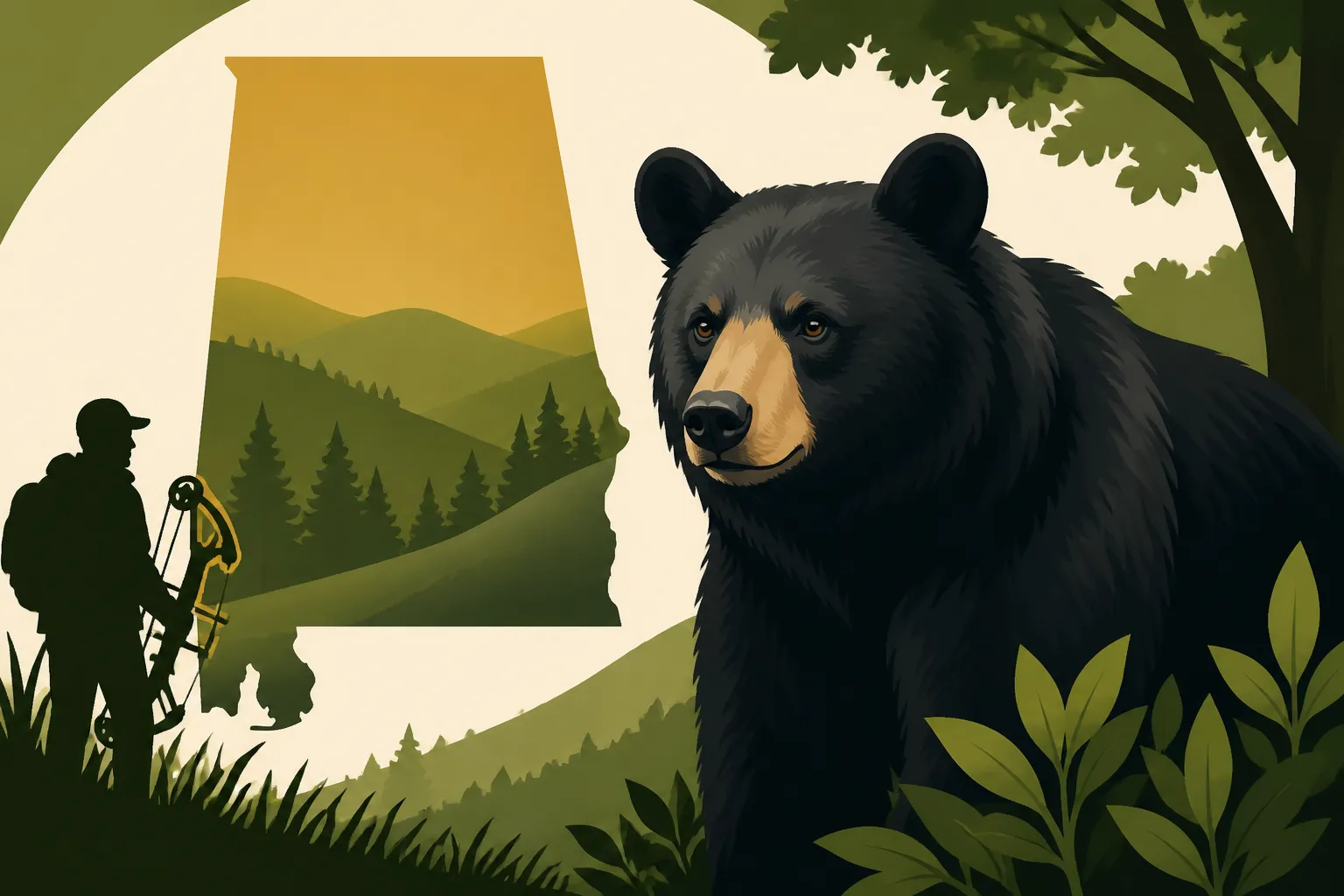
There's a quiet marvel happening in the Alabama woods, one that many folks don't realize is underway: the slow, deliberate return of black bears to our landscape. For generations, these magnificent creatures were little more than folklore in much of the state, a relic of a wilder past. But now, seeing a bear or signs of their presence is becoming more common, and while exciting, it also brings a new set of challenges and responsibilities for us Alabamians. This guide will walk you through everything you need to know about our recovering bear population, from where they've come from to how we can all learn to coexist.
A Glimpse into the Past: Black Bears Almost Vanished from Alabama
It's hard to imagine now, but there was a time when black bears were a common sight across the vast forests and swamps of Alabama. They were an integral part of the ecosystem, roaming freely before widespread human settlement truly took hold. But as European settlers moved in, bringing with them agriculture, logging, and an expanding human footprint, things began to change dramatically for these animals.
The Original Range and Decline
Before the 1800s, black bears (specifically the American black bear, Ursus americanus) thrived throughout what is now Alabama. Their historical range covered virtually the entire state, from the Appalachian foothills to the northern reaches of the Mobile-Tensaw Delta. They were at home in dense bottomland hardwoods, sprawling pine forests, and rocky mountain terrain. Their diet was varied, consuming everything from acorns and berries to insects, small mammals, and carrion. However, as the population of Alabama grew, so did the pressure on these bears. Forests were cleared for farms and towns, leading to massive habitat loss and fragmentation. Unregulated hunting, driven by necessity for food, fear of predators, and later, sport, further decimated their numbers. There were no seasons, no bag limits, and no real understanding of sustainable wildlife management.
The relentless march of "progress" pushed bears out of their traditional territories. Rivers were dammed, swamps were drained, and the once-interconnected wilderness became a patchwork of human-dominated landscapes. Bears, requiring large contiguous tracts of land to survive and reproduce, simply couldn't withstand this onslaught. Their numbers plummeted across the state, and by the early to mid-20th century, their presence was reduced to mere pockets of isolated habitat, clinging precariously to existence.
Extirpation and Local Legends
For many generations of Alabamians, particularly those outside of a few very remote areas, black bears were not a tangible part of the local wildlife. They were something you read about in history books or heard recounted in tall tales by grandparents who remembered the "old days." They became almost mythical creatures, spoken of in hushed tones around campfires, a symbol of a wilderness that had long since disappeared. If you lived in central or southern Alabama, it was highly unlikely you would ever encounter a bear in the wild.
This period of extirpation, or local extinction, meant that the bears' ecological role was vacant. Many people grew up never truly understanding what it meant to share the landscape with these large omnivores. This lack of familiarity would later become a challenge as the populations slowly began to rebound, leading to confusion and, sometimes, fear when a bear did make a rare appearance. It created a collective amnesia about bear behavior and how to coexist, a knowledge gap that conservation efforts are still working to bridge today.
Where the Wild Things Are: Alabama's Current Bear Hotspots
Despite their near disappearance, black bears held on in a couple of critical strongholds within Alabama. These isolated populations, tucked away in the deepest swamps and rugged mountains, became the foundation for the slow, arduous process of recovery. Today, when we talk about Where Alabama Black Bears Are Recovering, we're really focusing on two primary core populations, with a sprinkling of transient individuals venturing beyond these traditional haunts.
The Mobile River Basin Bear Population
Deep in the heart of southwest Alabama, where the Alabama and Tombigbee rivers converge to form the Mobile River and then sprawl into the vast Mobile-Tensaw Delta, lies the oldest and most established black bear population in the state. This incredible delta system, a sprawling mosaic of cypress-tupelo swamps, bottomland hardwoods, and brackish marshes, provided the perfect refuge. The sheer inaccessibility of many areas, combined with abundant food sources like wild berries, palmetto fruits, acorns, and a variety of aquatic life, allowed a small population to persist, largely unnoticed by the wider world.
These bears are incredibly elusive, masters of their wetland environment. They navigate the labyrinthine waterways with ease, often swimming across open water or through dense, mucky swamps. This natural isolation, combined with the difficulty of human encroachment in such rugged terrain, kept them safe when bears elsewhere were being wiped out. While the core population is robust within the delta, individuals will sometimes disperse northward along the river systems into adjacent counties, occasionally startling residents in communities near the Alabama River.
The Little River Canyon Bear Population
Our second core population is found in a dramatically different landscape: the rugged, mountainous terrain of northeast Alabama. This population is centered around the stunning Little River Canyon National Preserve and the surrounding Talladega National Forest, particularly in counties like Cherokee, DeKalb, and Cleburne. Unlike the Mobile Delta bears, this population is believed to have originated from natural immigration from neighboring states, primarily Georgia, where healthy bear populations exist in the Appalachian Mountains. The forested ridges and deep ravines of this region offer excellent cover and diverse food sources, making it prime bear habitat.
These bears represent a testament to the resilience of wildlife and the importance of interconnected landscapes. Their gradual re-establishment showcases how animals will reclaim suitable habitat if given the chance and if protected. While primarily concentrated in the Little River Canyon area, these bears have been known to expand their range, cautiously moving into other parts of northeast Alabama, utilizing the forested corridors provided by areas like the Talladega National Forest Hunting and other contiguous woodlands. This movement is a positive sign of a growing, healthy population.
Occasional Wanderings and Transient Bears
Beyond these two core areas, it's not unheard of to encounter a black bear in other parts of the state, even places where they haven't been seen in decades. These are typically young male bears, full of wanderlust and driven by an instinct to find new territory and potential mates. They are often dispersing from either the Mobile Delta or the Little River Canyon populations, traveling significant distances across less-than-ideal habitat.
These transient bears are often the ones that generate local news and surprise, as they pop up in unexpected places, sometimes even urban fringe areas. For instance, a bear might be sighted in the William B. Bankhead National Forest, having traveled far from its natal range, or even down near the Conecuh National Forest Hunting in the southern part of the state. These sightings, while exciting, also highlight the challenges. These dispersing individuals face increased risks from vehicle collisions, lack of suitable habitat, and potential negative human interactions as they navigate unfamiliar landscapes and cross busy roads. It's a tough life for a young bear trying to make its way in a fragmented world.
The Slow Climb Back: Understanding Population Dynamics
The recovery of Alabama's black bear population isn't a sudden boom; it's a gradual, painstaking process, much like watching a mighty oak grow. It requires specific conditions, a bit of luck, and a whole lot of effort from wildlife biologists and conservationists. Understanding the intricacies of their population dynamics helps us appreciate just how fragile and important this comeback truly is.
Reproductive Rates and Cub Survival
Black bears aren't prolific breeders. Unlike some smaller mammals, a female black bear (sow) typically doesn't breed until she's around 3-5 years old. Once she does, she usually produces a litter of 1-3 cubs every two years. These tiny, helpless cubs are born in the winter, often in a den tucked away under a rootwad, in a hollow tree, or a brush pile. They spend their first few months growing rapidly, relying entirely on their mother's milk, before emerging with her in the spring.
The survival of these cubs is absolutely critical for population growth. They face numerous challenges in their first year, from predation by other animals (though adult bears have few natural predators) to illness and accidental deaths. The mother bear's ability to find sufficient food and protect her young directly impacts how many cubs make it to independence. A healthy habitat with abundant natural food sources is paramount for successful reproduction and the recruitment of new bears into the population. Without a steady stream of new, healthy bears, the population simply cannot expand.
Factors Influencing Growth
Several key factors contribute to the overall growth or decline of Alabama's bear populations. First and foremost is habitat quality and quantity. Bears need vast, interconnected tracts of forest, swamp, or mountain terrain that offer food, water, and secure cover. As mentioned earlier, the Mobile Delta and Little River Canyon provide these essentials, which is why they are strongholds. If these habitats shrink or become more fragmented, the ability of bears to find enough resources and safely disperse is severely hampered.
Another major factor is mortality rates. While black bears are fully protected in Alabama, they still face human-caused deaths. Vehicle collisions are a significant concern, especially for young, dispersing males. Illegal poaching, unfortunately, also still occurs. Understanding these mortality factors, often through monitoring programs by the Alabama Department of Conservation and Natural Resources (ADCNR), helps biologists identify critical areas for conservation intervention. Finally, natural food availability, such as acorn crops and berry production, directly impacts bear health, cub survival, and even reproductive success in subsequent years. A poor mast year can stress bears, making them more susceptible to disease or forcing them into areas where they might encounter humans more frequently in search of food.
Sharing the Land: Key Habitats and Conflict Zones
As Alabama's black bear population slowly recovers and expands, it's inevitable that bears will begin to utilize more areas, including those closer to human habitation. This necessitates a greater understanding of where bears thrive, how they move, and, perhaps most importantly, how we can minimize conflicts when our paths inevitably cross.
Forests, Swamps, and River Bottoms
For black bears, the ideal habitat is a rich tapestry of dense cover, reliable water sources, and an abundance of diverse natural foods. In Alabama, this largely translates to our extensive forested areas, particularly the sprawling bottomland hardwood swamps and river systems. The Mobile-Tensaw Delta, for example, is a prime example of this, with its endless stretches of wetlands offering concealment and a year-round larder of berries, palmetto hearts, acorns, and carrion. Similarly, the mountainous regions in the northeast, encompassing areas like the William B. Bankhead National Forest Hunting and other public lands, provide dense canopy cover, rocky outcrops for denning, and a variety of hard mast crops like acorns and hickory nuts.
These are the places where bears can truly be bears, living out their lives largely undisturbed. They forage for insects under logs, dig for roots, climb trees for berries, and fish in shallow waters. These areas are crucial for their long-term survival and expansion. When you’re out scouting or hunting, especially in these regions, it's wise to be bear aware. Tools like GoHunt can even help you analyze satellite imagery to spot dense, undisturbed areas that might serve as natural bear habitat.
Bear Movement Corridors
Bears are not static creatures; they roam, especially during breeding season or when food sources dictate. They need ways to move safely between patches of suitable habitat. These "movement corridors" are often natural linear features like river bottoms, creek drainages, powerline easements, or contiguous stretches of timber. A young male bear, dispersing from the Mobile Delta, might follow the Alabama River corridor for dozens, even hundreds of miles, until he finds new, unoccupied territory. Similarly, bears from the Little River Canyon population might utilize forested ridges and valleys to expand their range.
The importance of these corridors cannot be overstated. They are the arteries of genetic exchange and population expansion. When these corridors are broken by major roads, urban development, or vast agricultural fields, bears are forced into riskier travel paths, increasing their chances of negative encounters with humans or vehicles. Understanding these movement patterns is vital for land planners and conservationists seeking to protect the future of Alabama's bears.
Suburban Encounters and Food Sources
One of the most significant challenges with a recovering bear population, particularly in North Alabama, is the increasing frequency of Bears Moving Into North Alabama Suburbs. While these bears aren't intentionally seeking out human neighborhoods, they are opportunistic feeders. When natural food sources are scarce, or when human-provided food is easily accessible, bears will inevitably be drawn in. This is where conflicts arise. A bear that learns to associate human homes with an easy meal – whether it's an overflowing trash can, a bird feeder, pet food left outside, or ripe fruit on a backyard tree – quickly loses its natural fear of humans.
These encounters, while often harmless, can be frightening for homeowners and can lead to property damage. More importantly, they can be detrimental to the bear. A bear that becomes habituated to human food sources is often dubbed a "nuisance bear" and, in extreme cases, may need to be relocated or, tragically, euthanized for public safety. This is why securing attractants is the single most important thing residents can do to prevent these types of interactions and ensure bears remain wild.
Roadblocks on the Recovery Path: Challenges Ahead
While Alabama's black bear population is making a comeback, it's not without significant hurdles. Their recovery is a delicate balance, and there are several persistent challenges that could derail their progress if not addressed proactively.
Habitat Fragmentation and Loss
One of the biggest threats to bears, and indeed much of our wildlife, is the ongoing fragmentation and loss of their habitat. As Alabama continues to grow, forests are converted into subdivisions, shopping centers, and industrial parks. Large, contiguous blocks of woodlands and wetlands, which bears need to thrive, are steadily broken up into smaller, isolated parcels. This makes it harder for bears to find enough food, establish territories, and safely move between different areas.
When a highway is widened, or a new housing development pushes deep into a formerly wild area, it effectively creates barriers for bears. This not only reduces the overall amount of habitat available but also isolates existing populations, limiting genetic diversity and making them more vulnerable to localized threats. The bears in the Mobile Delta, for instance, need the vast, undeveloped swamps, while the Little River Canyon bears depend on large tracts of national forest land. Without these critical landscapes protected and connected, their long-term future remains uncertain.
Vehicle Collisions and Human-Caused Mortality
Sadly, as bears expand their range and attempt to traverse fragmented landscapes, they often come into contact with one of the most dangerous human creations: our roads. Vehicle collisions are a major source of mortality for black bears in Alabama. A bear trying to cross a busy highway, perhaps moving between a feeding area and a den site, is at high risk of being struck by a car or truck. These incidents not only result in the tragic death of a bear but can also pose a serious safety hazard to motorists.
While we often hear about Alabama Deer Vehicle Collisions, bear collisions, though less frequent, are equally concerning due to the smaller, more vulnerable bear population. Beyond accidental deaths on roads, human-caused mortality can also include other incidents. These might involve accidental shootings by hunters who misidentify a bear (though rare) or, unfortunately, intentional illegal kills. Even with robust protections, bears face an uphill battle against the sheer volume of human activity and infrastructure.
Illegal Kills and Poaching
Despite the fact that Why Alabama Protects Black Bears Statewide is clearly understood by most, illegal killing and poaching remain a covert but persistent threat to their recovery. Black bears are a protected species in Alabama, meaning it is illegal to hunt, harm, or kill them, with very few exceptions. Yet, some individuals still disregard these laws, whether out of ignorance, fear, or deliberate malice.
The penalties for shooting an Alabama black bear are significant, reflecting the state's commitment to protecting these animals. Violations can lead to substantial fines, loss of hunting privileges, and even jail time. This is outlined in detail in sections like Penalties for Shooting an Alabama Black Bear and generally under Alabama Wildlife Violation Penalties. While conservation efforts have largely shifted public perception towards protection, it only takes a few illegal acts to set back the recovery of a small, vulnerable population. It's crucial that anyone witnessing or having knowledge of such illegal activities report them to the authorities immediately.
A Helping Hand: Conservation Efforts in Action
The comeback of Alabama's black bears isn't happening by accident. It's the result of dedicated efforts from state wildlife agencies, conservation organizations, and a growing understanding among the public. These initiatives are focused on understanding bears, protecting their habitat, and educating people on how to live alongside them.
ADCNR Monitoring and Research
The Alabama Department of Conservation and Natural Resources (ADCNR), specifically its Wildlife and Freshwater Fisheries Division, plays a pivotal role in the ongoing recovery of black bears. Biologists are actively involved in monitoring the existing populations, particularly the two distinct groups that make up Alabama's Two Bear Subpopulations. This monitoring includes tracking bear movements using GPS collars, conducting den studies to assess cub production and survival rates, and analyzing genetic samples to understand population health and connectivity.
This scientific research is crucial for making informed management decisions. By understanding where bears are, how they're moving, what they're eating, and what challenges they face, ADCNR can identify critical habitats that need protection, assess the effectiveness of conservation strategies, and develop public education programs tailored to specific regional needs. It's a continuous, data-driven process that underpins all efforts to ensure the bear's long-term future in our state.
Habitat Management and Protection
Protecting and managing suitable bear habitat is arguably the most important component of their recovery. Without large, healthy, and connected landscapes, bears simply cannot thrive. This involves the protection of existing wild spaces and, where possible, the restoration of degraded areas. State-owned lands, such as Alabama Wildlife Management Areas, and federally managed areas like the National Forests (including Talladega National Forest Hunting, William B. Bankhead National Forest Hunting, and Conecuh National Forest Hunting) are vital for this.
These public lands provide critical sanctuary, offering vast tracts of forest and swamp where bears can find food, shelter, and raise their young away from direct human disturbance. Management efforts often include prescribed burning to enhance natural food sources, selective timber harvesting that considers wildlife needs, and the protection of riparian (river and creek) corridors that facilitate bear movement. These proactive habitat management strategies are not just good for bears; they benefit a host of other wildlife species that share these valuable ecosystems.
Public Education and Awareness
One of the most effective tools in bear conservation is public education. As bears expand into areas where they haven't been seen in generations, there's a natural learning curve for residents. Many people simply don't know what to do if they see a bear, or how to prevent conflicts. This lack of knowledge can lead to fear, misunderstandings, and even actions that are detrimental to bears.
ADCNR, along with groups like the Alabama Wildlife Federation, are constantly working to raise awareness. This includes providing clear guidelines on securing attractants, explaining What to Do If You See an Alabama Black Bear, and disseminating accurate information about bear behavior. The goal is to demystify bears, replacing fear with respect and understanding, and empowering communities to make choices that promote coexistence. This shift in public attitude is essential; ultimately, the success of the bear's recovery rests heavily on the willingness of Alabamians to share their state with these magnificent animals.
Coexisting with Confidence: Living Peacefully with Bears
As bears become a more regular part of Alabama's wildlife landscape, learning how to coexist with them safely and responsibly is paramount. It’s about minimizing conflicts, protecting both humans and bears, and fostering a respect for these incredible creatures.
Securing Food and Attractants
The number one rule for preventing human-bear conflicts is simple: don't feed bears, intentionally or unintentionally. Bears are incredibly intelligent and have an amazing sense of smell. They are opportunists, and if they find an easy meal around your home, they will keep coming back. This is where most human-bear problems begin. Securing food and attractants is the most effective way to keep bears wild and away from your property.
This means being diligent about your outdoor habits. Keep garbage in bear-resistant containers, bring pet food inside, remove bird feeders when bears are active, and clean outdoor grills thoroughly after use. If you have fruit trees, pick ripe and fallen fruit promptly. Composting food scraps outdoors might also attract bears, so consider alternatives or secure methods. Tools like GoHunt can provide insights into regional wildlife activity, which might inform when you need to be extra vigilant about securing attractants. Below is a table detailing common attractants and recommended solutions:
| Attractant Category | Specific Items | Recommended Action |
|---|---|---|
| Garbage | Household trash, food waste | Store in bear-resistant containers or garage until collection day; use ammonia in trash bags to deter. |
| Pet Food | Dog food, cat food, bird seed | Bring all pet food and bowls indoors, especially overnight. Remove bird feeders when bears are active. |
| Outdoor Grills | Leftover food residue, grease | Clean thoroughly after each use; burn off all food remnants. Store in a secure garage or shed. |
| Fruit Trees/Plants | Ripe and fallen fruit, berries, garden vegetables | Pick ripe fruit immediately; clear fallen fruit daily. Consider electric fencing for gardens. |
| Compost Piles | Food scraps, organic matter | Avoid composting meat, dairy, or cooked food. Use a secure, bear-resistant compost tumbler. |
| Scented Items | Bug spray, sunscreen, toiletries, scented candles | Store these items indoors, especially when camping or if a bear is known to be in the area. |
Backcountry Bear Safety
If you're an outdoors enthusiast – whether you're hunting, hiking, or camping in areas like the Talladega National Forest Hunting or the Mobile-Tensaw Delta – knowing backcountry bear safety is crucial. Encounters in the wild are different from those in residential areas. Always make noise while hiking to avoid surprising a bear. Carry bear spray and know how to use it.
If you encounter a bear:
- Don't run: This can trigger a chase response.
- Stand your ground and make yourself look big: Wave your arms, yell, and make noise.
- Back away slowly: Do not turn your back to the bear.
- If attacked: If a black bear attacks, fight back aggressively using anything at your disposal. This is rare, as most black bear "attacks" are defensive displays rather than predatory.
When camping, store all food, toiletries, and scented items in bear-resistant containers or hung from a tree well away from your tent. Cook away from your sleeping area. Being proactive and prepared minimizes the chances of a negative encounter and helps maintain the bear's natural wariness of humans.
When to Report a Bear Sighting
While a bear sighting can be exciting, it's important to know when to report it to the authorities. ADCNR wants to know about certain types of bear activity, especially if it suggests a bear is becoming habituated or is posing a potential threat. Generally, an occasional sighting of a bear passing through an area, especially in remote or forested regions, doesn't necessarily require a report.
However, you should contact ADCNR immediately if:
- A bear is repeatedly seen in a residential area, showing little fear of humans.
- A bear attempts to access garbage, pet food, or other human-provided attractants.
- A bear appears injured, sick, or behaves aggressively. You can often use the general contact info for reporting sick wildlife, like for Reporting a Sick Animal in Alabama.
- A bear is involved in a vehicle collision.
- Any instance where public safety might be at risk.
Reporting these specific types of incidents helps wildlife managers intervene appropriately, potentially preventing further problems for both the bear and the community.
The Law and the Land: Understanding Alabama's Bear Regulations
Navigating the great outdoors responsibly means understanding the rules, and when it comes to black bears in Alabama, those rules are crystal clear. These regulations are in place for a vital reason: to protect a species that was once on the brink of vanishing from our state.
Why Alabama Protects Black Bears Statewide
The most important thing for any hunter, hiker, or landowner to understand is that black bears are a fully protected game species in Alabama. This isn't just a suggestion; it's a legal mandate. There is no open hunting season for black bears in Alabama, nor are there any provisions for trapping or intentionally harassing them. The state's decision to provide full protection stems directly from the species' historical decline and its current precarious status as a recovering population.
The goal of this protection, as emphasized in articles like Why Alabama Protects Black Bears Statewide, is to allow the existing populations to grow and expand without additional human-caused mortality. Every bear is critical to the genetic diversity and reproductive capacity of the population. Without this blanket protection, it would be far too easy to accidentally or intentionally set back decades of recovery efforts. It's a long-term commitment to conservation, ensuring future generations can experience these magnificent creatures in our wild spaces.
Penalties for Shooting an Alabama Black Bear
Because of their protected status, the consequences for illegally shooting or killing a black bear in Alabama are severe. This isn't just a slap on the wrist; it can result in significant legal ramifications. The state takes these violations very seriously, reflecting the high conservation value placed on each individual bear.
Someone convicted of illegally killing a black bear could face substantial fines, potentially thousands of dollars. They also risk losing their hunting, fishing, and trapping privileges for an extended period, possibly even for life, which is a major deterrent for any serious outdoors person. In some cases, depending on the specifics and intent, jail time is also a possibility. The intent is to send a clear message: leave the bears alone. If you encounter a situation where a bear seems to be causing issues, the proper protocol is always to contact ADCNR, not to take matters into your own hands. The state has specific rules and procedures for managing problem bears, as detailed in content like What Happens If You Shoot an Alabama Bear.
What to Do If You See an Alabama Black Bear
As bear sightings become more frequent, particularly in areas near the core populations or in suburbs where transient bears may roam, knowing exactly What to Do If You See an Alabama Black Bear is essential. Your actions can determine the outcome of the encounter for both you and the bear. Remember, most bears are shy and will try to avoid humans.
If you see a bear at a distance, the best approach is often to observe quietly from a safe distance and then give it ample space to move away. Do not approach it, never try to feed it, and absolutely do not attempt to get a "selfie" with it. If the bear doesn't seem to notice you, slowly and calmly back away while keeping an eye on it. If the bear is aware of you, make yourself known by talking in a calm voice. If it continues to approach or acts aggressively, then you need to be more assertive: make loud noises, wave your arms, and make yourself look as large as possible. The key is to convey that you are not prey, but a human to be avoided. Never turn and run from a bear, as this can trigger a predatory chase response. Staying calm and acting decisively is your best defense.
Disclaimer
The information provided in this guide is for general informational purposes only and does not constitute legal advice. Hunting regulations and wildlife laws can change, and it is always the hunter's responsibility to verify the most current regulations with the Alabama Department of Conservation and Natural Resources (ADCNR) before engaging in any hunting activities. Always prioritize safety and ethical hunting practices.