Why Lauderdale County Drives Alabama’s CWD Count
It's a tough pill to swallow when you hear about Chronic Wasting Disease (CWD) creeping into your home state, and for us Alabamians, Lauderdale County has become a real focal point of concern. The worry is palpable among hunters, wondering how this devastating disease will impact our deer herds and our cherished hunting traditions. This guide aims to shed some light on why Lauderdale County specifically has become such a critical area in Alabama's CWD fight and what it means for everyone who loves the outdoors here.
Understanding Alabama's CWD Challenge
Chronic Wasting Disease is one of those phrases that sends a shiver down any deer hunter's spine. It's a fatal neurological disease affecting cervids – deer, elk, moose, and caribou – and it's always been a "not if, but when" kind of threat for us here in Alabama, given its spread in neighboring states.
The Initial Discovery and Spread
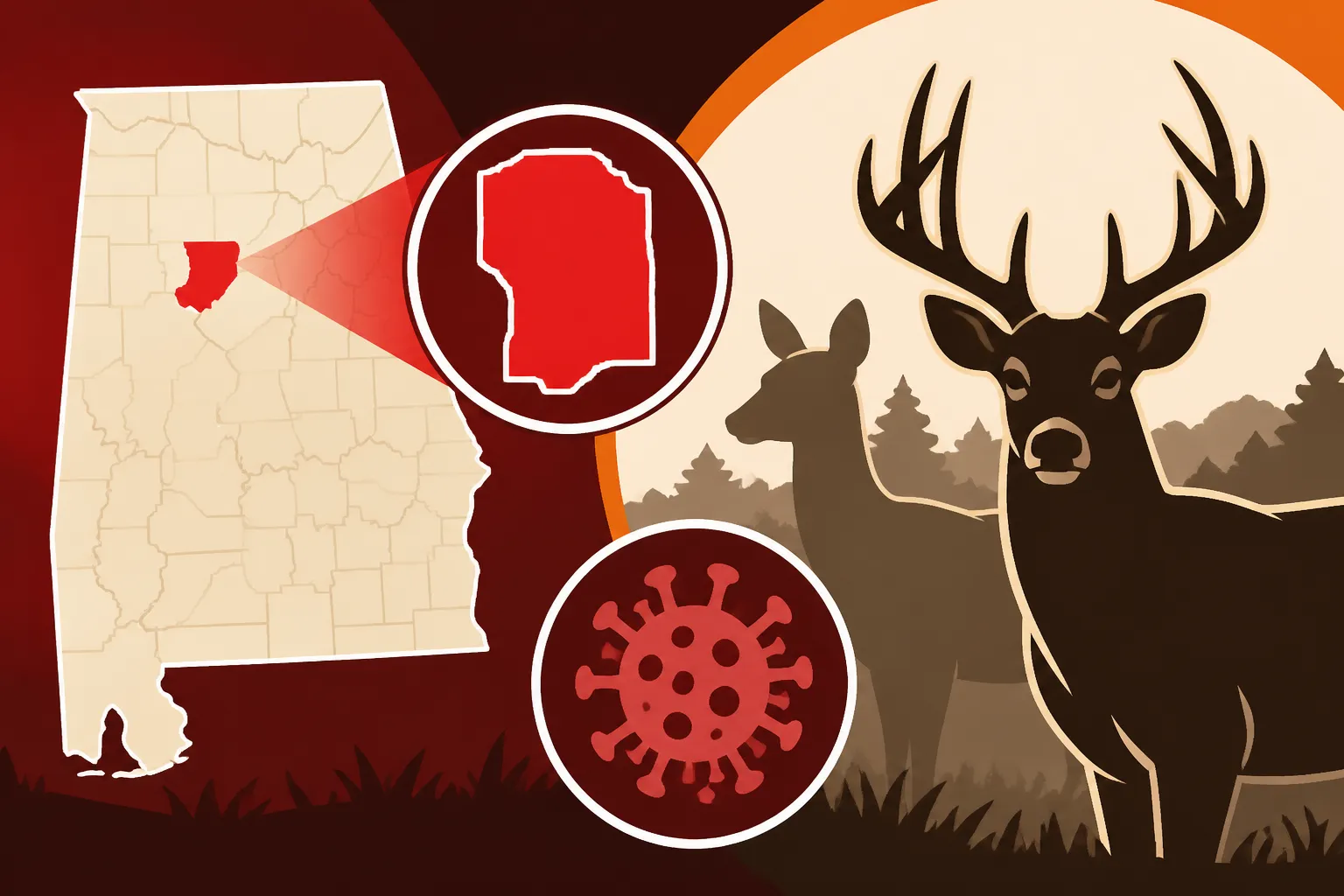
The moment CWD was officially detected in Alabama was a jarring one for the hunting community. It was January 2022 when the Alabama Department of Conservation and Natural Resources (ADCNR) confirmed the first positive case in a deer harvested in Lauderdale County. This wasn't just a headline; it was a wake-up call, signaling the start of a serious and long-term challenge for wildlife management in our state. The initial discovery quickly led to more testing, and unfortunately, more positives, confirming that the disease had indeed taken root.
The concern wasn't just about that single deer; it was about understanding how pervasive the disease might already be. CWD prions, the misfolded proteins that cause the disease, can persist in the environment for years, making containment incredibly difficult. The news created a ripple effect, prompting immediate action from the ADCNR and a collective gasp from hunters across the state who knew the implications of this persistent threat. It really highlighted the importance of programs like Alabama Wildlife Disease Monitoring to catch these things early.
How CWD Impacts Deer and Hunters
For the deer themselves, CWD is a slow, cruel death sentence. It progressively degrades their brain, leading to symptoms like extreme weight loss (hence "wasting"), drooling, listlessness, and unusual behavior. They become emaciated and eventually die. There's no cure, no vaccine, and no way to eradicate it once it's established in a wild population. Seeing a deer suffering from CWD is heartbreaking, and the thought of it becoming widespread is truly unsettling.
For hunters, the impact is multifaceted and often frustrating. Beyond the moral concern for the deer, CWD introduces a whole new layer of regulations and responsibilities. We're talking about mandatory testing in certain areas, restrictions on how you can move deer carcasses, and the constant worry about the safety of venison. It changes the very nature of deer hunting, turning what was once a straightforward pursuit into an experience shadowed by disease management. It can make you question whether that late-season buck you finally connected with is safe to put on the dinner table, adding an unwelcome layer of anxiety to an otherwise joyous occasion.
Lauderdale County: Ground Zero for CWD in Alabama
If you're wondering why Lauderdale County seems to be at the heart of Alabama's CWD count, you're hitting on a crucial point. It's not just random; a confluence of factors makes this particular county incredibly vulnerable and, unfortunately, the primary entry point for CWD into our state.
Geographic Factors and Deer Movement
Perhaps the single biggest reason Lauderdale County has become "ground zero" is its geographical location. Lauderdale County sits squarely on Alabama's northern border, sharing a significant stretch with Tennessee. And here's the rub: Tennessee has had CWD confirmed in its deer population since 2018, particularly in counties directly adjacent to Lauderdale. Deer, as we all know, don't respect state lines. A buck chasing a doe during the rut, or simply a deer expanding its home range, can easily cross from an infected area in Tennessee into Alabama.
This constant, natural movement of deer across the border creates a biological bridge for the disease. It's not like you can put up a fence to stop wild animals. The shared habitat along the state line means that even with the best surveillance, disease can passively diffuse into new areas. Hunters scouting during the summer or thinking about Shed Hunting on Alabama Public Land in border areas might even notice increased deer activity near the state line, which unfortunately also increases potential disease transmission.
High Deer Density and Disease Transmission
Another critical factor contributing to Lauderdale County's CWD count is the deer density in the region. Generally speaking, parts of North Alabama, including Lauderdale, have robust deer populations. While this is great for hunting opportunities, it also creates a perfect environment for CWD to spread more easily. When deer numbers are high, they interact more frequently—at feeding sites, water sources, and during breeding. These interactions, whether it's direct contact, shared food, or even through contaminated soil where prions can linger, all contribute to more efficient disease transmission.
Imagine a busy communal feeder or a well-used scrape line. If one deer is shedding prions, every other deer visiting that spot is potentially exposed. This is why efforts to manage deer populations, especially reducing antlerless deer harvest in affected areas, are so important in mitigating disease spread. You can learn more about general deer density in Alabama and what it means for hunters in resources like North Alabama Deer Density.
Human-Assisted Spread Factors
While natural deer movement is a primary vector, human activities, even unintentional ones, can sadly play a role in CWD spread. One major concern is the movement of deer carcasses, especially from areas where CWD is known to exist. For instance, a hunter might harvest a deer in a CWD-positive county in Tennessee and bring the entire carcass back across the border into Alabama before realizing the implications or complying with regulations. Even if processed properly, certain parts like the brain and spinal cord are high-risk. This is why Alabama has enacted strict Alabama Carcass Movement Restrictions within and around the CWD Management Zone.
Another contentious but relevant factor can be supplemental feeding and baiting practices. While legal in many parts of Alabama (outside specific CWD regulations), these practices can concentrate deer in smaller areas, increasing nose-to-nose contact and the likelihood of disease transmission. Imagine multiple deer repeatedly pawing at a single corn pile; this concentrates prions in the soil, creating a long-term reservoir for the disease. The debate around these practices often centers on balancing hunting tradition with disease prevention, but the science indicates that concentrating deer increases risk.
Management Strategies in the CWD Management Zone (CMZ)
Given the serious threat CWD poses, the ADCNR has implemented comprehensive strategies within the designated Alabama's Chronic Wasting Disease Management Zone. These efforts are crucial for monitoring the disease, attempting to contain its spread, and protecting the broader deer population.
Mandatory Testing and Surveillance Efforts
One of the most critical components of CWD management in Lauderdale County, and indeed the entire CMZ, is mandatory testing. During specific periods, typically on opening weekends of gun season or other high-harvest times, hunters who harvest deer within the CMZ are required to submit their deer for CWD testing. This isn't just about compliance; it's about crucial data collection. By testing as many deer as possible, wildlife biologists gain a clearer picture of the disease's prevalence, where it's spreading, and at what rate.
These mandatory testing weekends often involve setting up convenient Finding an Alabama CWD Sampling Station points where hunters can drop off heads. It’s an inconvenience, yes, but it’s an absolutely vital part of the fight. The ADCNR also employs year-round surveillance, collecting samples from road-killed deer and those showing signs of illness, helping to track the disease even outside peak hunting pressure. This dedication to monitoring is how we get a better understanding of the disease's progression, allowing for more informed management decisions.
Carcass Movement Restrictions and Hunter Compliance
To prevent hunters from inadvertently spreading CWD to new areas, stringent carcass movement restrictions are in place. These rules dictate which parts of a deer harvested in the CMZ can be transported out of the zone. Generally, only deboned meat, clean antlers, hides, and taxidermy-ready skulls (with brain material removed) are allowed to leave. The goal is to keep high-risk tissues, where prions are most concentrated (like the brain, spinal cord, and lymph nodes), confined to the infected area.
Hunter compliance with these rules is paramount. It can be easy to forget, especially if you're excited after a successful hunt or traveling a long distance, but these regulations are designed for the greater good of the entire state's deer herd. Education efforts, like those provided by the ADCNR and resources like GoHunt, are essential to ensure every hunter understands their role in preventing further spread. Checking the latest regulations on How Many Deer Have Tested CWD-Positive Since 2022 often comes with reminders about these critical rules.
Population Management and Hunter Role
Part of the long-term strategy for managing CWD involves population management. In areas with CWD, wildlife agencies often encourage increased harvest of deer, particularly antlerless deer, to reduce overall deer density. The theory is that fewer deer mean fewer interactions, which in turn can slow the rate of CWD transmission. This might seem counterintuitive to some hunters who want to "grow" the herd, but in the face of CWD, maintaining a healthy, albeit potentially smaller, population is key to sustainability.
Hunters are the primary tool for achieving these population goals. By diligently following harvest guidelines and understanding the scientific rationale behind them, hunters become active participants in disease management. Our engagement, our willingness to adapt, and our commitment to responsible hunting practices are absolutely crucial in this ongoing battle. It means sometimes making tough decisions about harvest, but it’s all aimed at securing the future of deer hunting in Alabama. Hunters can find up-to-date information on how harvest regulations might change, particularly in specific counties, by checking resources like Which Counties Sit in Alabama's CWD Zone.
The Broader Implications for Alabama Hunting
CWD isn't just a localized problem in Lauderdale County; it casts a long shadow over the entire state's hunting landscape. The implications reach far beyond the immediate management zone, affecting everything from hunting traditions to local economies.
Economic and Recreational Impacts
Hunting is a significant economic driver in Alabama, bringing in millions of dollars through license sales, gear purchases, gas, lodging, and local businesses that cater to hunters. A widespread CWD issue could severely impact this. If hunters lose confidence in the health of the deer herd or become hesitant to consume venison, hunting participation could decline. This, in turn, could hit rural economies hard, especially those areas that rely on hunting season tourism.
Beyond the dollars and cents, there's the recreational and cultural impact. For many Alabamians, deer hunting is more than a sport; it's a cherished tradition passed down through generations, a way of life. The anxieties and regulations surrounding CWD can diminish the joy and simplicity of these experiences. The thought of a future where deer hunting is fundamentally altered by disease is a difficult one for many to accept, challenging deeply held traditions and family routines, such as those that define Alabama Deer Camp Traditions.
Adapting to a New Reality
The undeniable truth is that CWD is likely here to stay, at least in some capacity. This means hunters in Alabama, especially those in and around the CWD Management Zone, need to adapt to a new reality. This isn't a temporary inconvenience; it's a long-term challenge that requires ongoing vigilance and cooperation. Staying informed is paramount. Resources like the ADCNR website, local conservation groups, and platforms like GoHunt provide invaluable, up-to-date information on regulations, testing requirements, and disease progression. GoHunt, for instance, offers robust mapping and data tools that can help hunters understand land ownership, access points, and even track regulations, helping them navigate complex CWD zones.
Adapting also means embracing new practices. This could involve scouting differently, focusing more on public lands without baiting concerns, or simply getting comfortable with the idea of mandatory testing. It means understanding that our actions as individual hunters have a collective impact on the health of the entire herd. For those looking to manage properties, understanding things like EHD Die-Offs in Alabama Deer can also contribute to a broader understanding of deer health.
Here’s a quick overview of some key aspects related to CWD in Alabama:
| Feature | Description |
|---|---|
| First Detection | January 2022 |
| Primary County | Lauderdale County |
| Affected Counties (CMZ) | Lauderdale, Colbert, Franklin (High-Risk Zone inside CMZ: Lauderdale, Colbert) |
| Geographic Driver | Proximity to CWD-positive counties in Tennessee |
| Testing | Mandatory during specific periods in CMZ; voluntary stations available |
| Carcass Movement | Restrictions apply; only deboned meat, clean antlers, hides, and cleaned skulls allowed out of CMZ |
| Deer Density Impact | Higher deer density can accelerate transmission; ADCNR encourages increased antlerless harvest in CMZ to mitigate spread |
| Human Role | Compliance with regulations, avoiding movement of high-risk parts, and responsible hunting practices are crucial for preventing further spread |
| Venison Safety | ADCNR recommends not consuming meat from CWD-positive deer. No evidence of human infection, but CDC advises caution. |
| Future Outlook | CWD is a long-term management challenge; continuous surveillance, research, and hunter cooperation are essential for mitigation |
Ultimately, facing CWD means coming together as a hunting community. It requires us to lean on science, support our wildlife agencies, and adapt our traditions to ensure that future generations can continue to enjoy the rich hunting heritage we hold so dear here in Alabama. Whether you're hunting during Alabama's Gun Deer Season by Zone or Bowhunting Alabama's Long Archery Season, every hunter's actions contribute to the broader picture.
Disclaimer
This article is intended for informational purposes only and does not constitute official legal or hunting advice. Always consult the latest regulations and advisories from the Alabama Department of Conservation and Natural Resources (ADCNR) before engaging in any hunting activities. Rules and seasons can change, so staying informed is your responsibility.